
Reverse Mortgage for Home Renovations in Ontario: A Complete Guide
How Ontario homeowners 55+ can use a reverse mortgage to fund home renovations, accessibility upgrades, and aging-in-place modifications — with no monthly payments.
Home renovations are one of the most practical uses of a reverse mortgage in Ontario. Whether you need accessibility upgrades to age safely in your home, or you want to modernize a kitchen or bathroom to increase your enjoyment of retirement, a reverse mortgage can provide the tax-free funds — without any monthly payments.
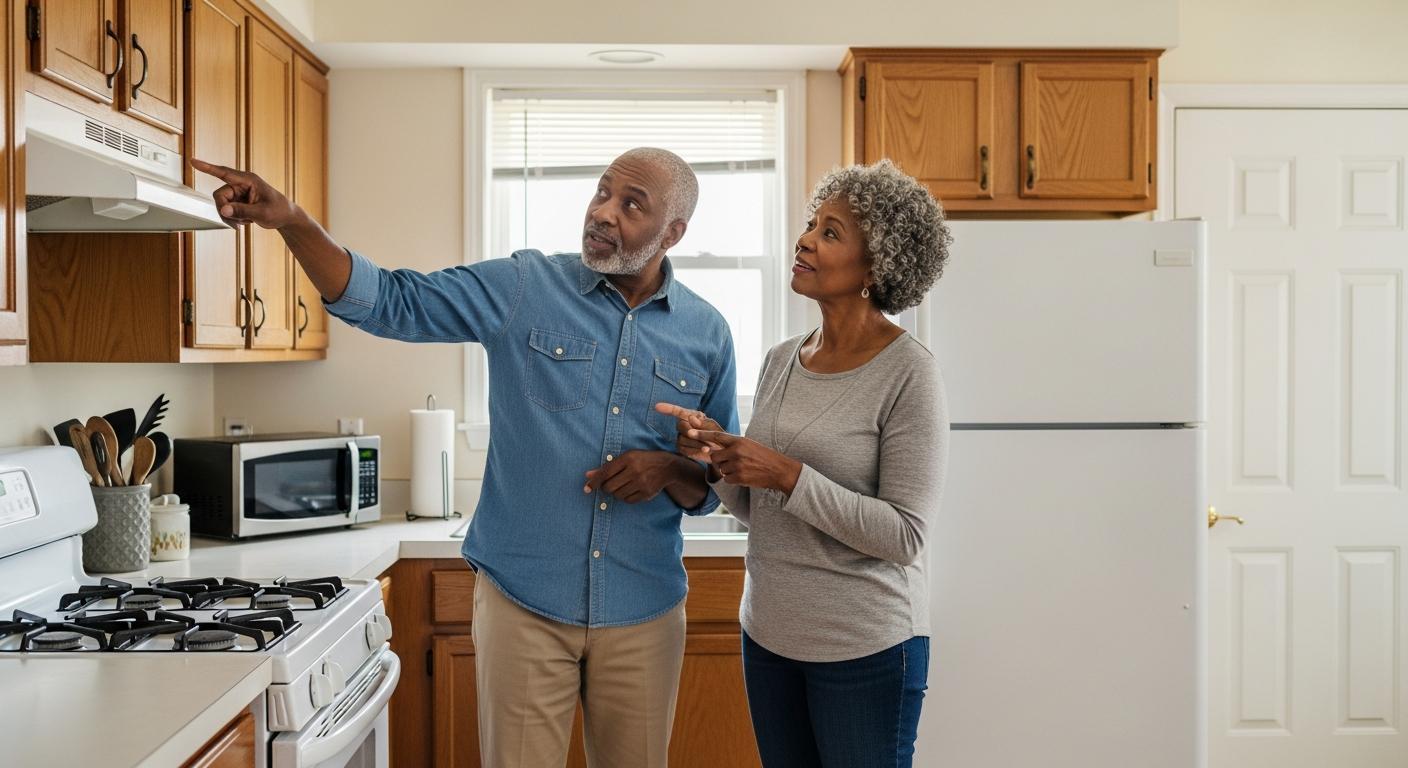
Why Use a Reverse Mortgage for Home Renovations?
Ontario homeowners 55+ face a specific challenge when it comes to funding major renovations:
- Limited liquid income — most retirees have fixed income from CPP, OAS, and pensions, with limited cash for large one-time expenses
- RRSP/RRIF depletion risk — withdrawing a large amount from registered accounts triggers taxable income and can affect government benefits
- HELOC qualification barriers — many retired Ontarians cannot qualify for a HELOC due to income requirements
- Significant home equity — most Ontario seniors' largest asset is their home, often worth $500,000–$1,500,000+
A reverse mortgage solves all of these: it's based on home equity (not income), the proceeds are tax-free, there are no monthly payments, and it can fund the renovation directly.
Types of Renovations Ontario Seniors Fund with Reverse Mortgages
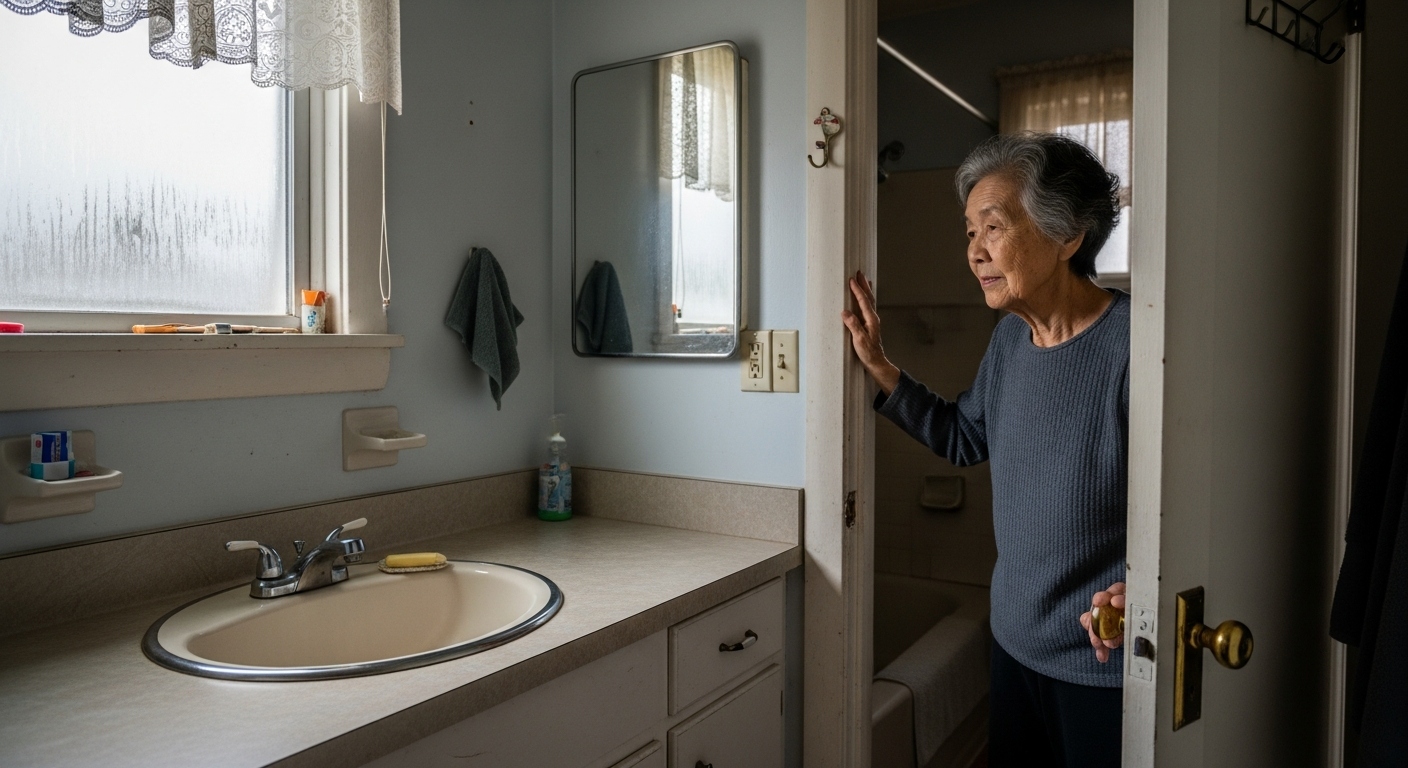
Aging-in-Place Accessibility Renovations
These are specifically designed to enable seniors to remain safely in their homes:
Bathroom Accessibility (Most Common)
- Walk-in showers with low or zero threshold entry
- Grab bars and safety rails beside toilet, tub, and shower
- Comfort-height (ADA-compliant) toilets
- Walk-in or roll-in tub installation
- Accessible vanities with knee clearance
- Typical cost: $8,000 – $40,000
Mobility and Circulation
- Stair lifts (straight or curved staircase)
- Vertical platform lifts
- Wider doorways (minimum 32", ideally 36" for wheelchair access)
- Removal of raised thresholds and trip hazards
- Main-floor bedroom conversion
- Typical cost: $3,000 – $25,000
Entrance and Exterior
- Concrete or modular wheelchair ramps
- Non-slip pathway materials
- Better exterior lighting with motion sensors
- Lever-style door handles throughout
- Typical cost: $1,000 – $10,000
Smart Home Technology
- Voice-activated lighting (Alexa, Google Home)
- Smart locks with keypad or app access
- Video doorbell systems
- Medical alert integration
- Smart stove shut-off devices
- Typical cost: $500 – $5,000
General Home Improvements
Beyond accessibility, reverse mortgages can fund any home renovation:
- Kitchen renovations: $25,000 – $80,000
- Full bathroom renovation: $15,000 – $45,000
- Roof replacement: $8,000 – $25,000
- HVAC/furnace replacement: $5,000 – $15,000
- Windows and doors: $10,000 – $40,000
- Basement waterproofing: $5,000 – $30,000
- Flooring replacement: $5,000 – $20,000
Combining a Reverse Mortgage with Government Grants
Before using reverse mortgage funds, check these programs — every dollar of government assistance reduces the amount you need to borrow:
Home Accessibility Tax Credit (Federal)
- 15% non-refundable tax credit on up to $20,000 in eligible accessibility expenses
- Maximum credit: $3,000/year
- Covers grab bars, ramps, stair lifts, wider doorways, and more
- Learn more at canada.ca
Ontario Seniors' Home Safety Tax Credit
- 25% refundable tax credit on up to $10,000 in eligible home safety improvements
- Maximum credit: $2,500
- Available for the 2021 tax year onward (confirm current availability)
Canada Greener Homes Grant
- Up to $5,600 in grants for qualifying energy-efficiency improvements
- Covers insulation, windows, heat pumps, and more
- Often combined with accessibility renovations
Strategy: Apply for applicable government programs first, then use reverse mortgage proceeds to top up whatever grants and credits don't cover.
How Much Could You Borrow for Renovations?
The total amount available depends on your age, home value, and existing mortgage balance. Here are illustrative examples:
| Age | Home Value | Existing Mortgage | Available for Renovations |
|---|---|---|---|
| 65 | $700,000 | $0 | ~$220,000 |
| 70 | $850,000 | $50,000 | ~$284,000 |
| 75 | $950,000 | $0 | ~$380,000 |
Estimates only. Actual amounts vary by lender and individual circumstances.
Even if you only need $40,000 for a bathroom renovation and accessibility upgrades, knowing you can access far more means you can potentially phase renovations over time without re-qualifying.
The Process: From Application to Renovation
- Get a reverse mortgage estimate — download the free guide or speak with a licensed broker to determine your eligible amount
- Obtain renovation quotes — get 2–3 quotes from contractors before finalizing your loan amount
- Apply for the reverse mortgage — no income verification required
- Home appraisal — the lender confirms your home's current value
- Receive funds — typically within 30–60 days of application
- Begin renovations — you control the timeline and contractors
Renovation Tips for Ontario Seniors
- Hire CAPS-certified contractors (Certified Aging-in-Place Specialists) who specialize in accessibility renovations
- Get permits for any structural changes — required in Ontario and protects you if you sell
- Phase renovations if desired — not all work needs to be done at once
- Keep records for tax credit claims — retain all invoices and receipts for HATC and Ontario seniors' credits
Is a Reverse Mortgage the Right Way to Fund Renovations?
It depends on your alternatives. A reverse mortgage is likely the best option if:
✓ You cannot qualify for a HELOC or renovation loan due to income ✓ You don't want monthly payments during renovations ✓ You plan to stay in your home long-term (making the investment worthwhile) ✓ The renovation will genuinely improve your quality of life or safety
Consider other options if:
- You have liquid savings or investments that would better serve this purpose
- You have a child or family member who would fund the renovation
- The renovation is primarily cosmetic and doesn't add meaningful living value
Get a free consultation to explore your options →
Also read about the full scope of aging in place solutions in Ontario, and how to improve your retirement cash flow alongside a home renovation strategy.
This content is for illustrative purposes only. Rates may vary. Call Rick Sekhon for the best rates and more information.
Ready to Learn More?
Get the free Ontario Reverse Mortgage Guide and find out exactly how much you could unlock from your home.
Get My Free Guide →Related Articles
Reverse Mortgage vs HELOC in Ontario: Which Is Right for You in 2026?
A detailed comparison of reverse mortgages and HELOCs for Ontario homeowners 55+. Learn the key differences in eligibility, payments, rates, and which option best fits your retirement.
Read →Reverse Mortgage Eligibility in Ontario: Complete 2026 Guide
Everything Ontario homeowners need to know about qualifying for a reverse mortgage in 2026. Covers age requirements, home equity, property types, and the application process.
Read →10 Reverse Mortgage Myths Debunked: What Ontario Seniors Need to Know
Separating fact from fiction on reverse mortgages in Ontario. We debunk the 10 most common myths so you can make an informed decision about your retirement finances.
Read →