
Reverse Mortgage Eligibility in Ontario: Complete 2026 Guide
Everything Ontario homeowners need to know about qualifying for a reverse mortgage in 2026. Covers age requirements, home equity, property types, and the application process.
One of the most common questions Ontario homeowners ask is: "Do I qualify for a reverse mortgage?" The good news is that qualification is much simpler than a traditional mortgage — there are no income requirements, no employment history checks, and no minimum credit score.
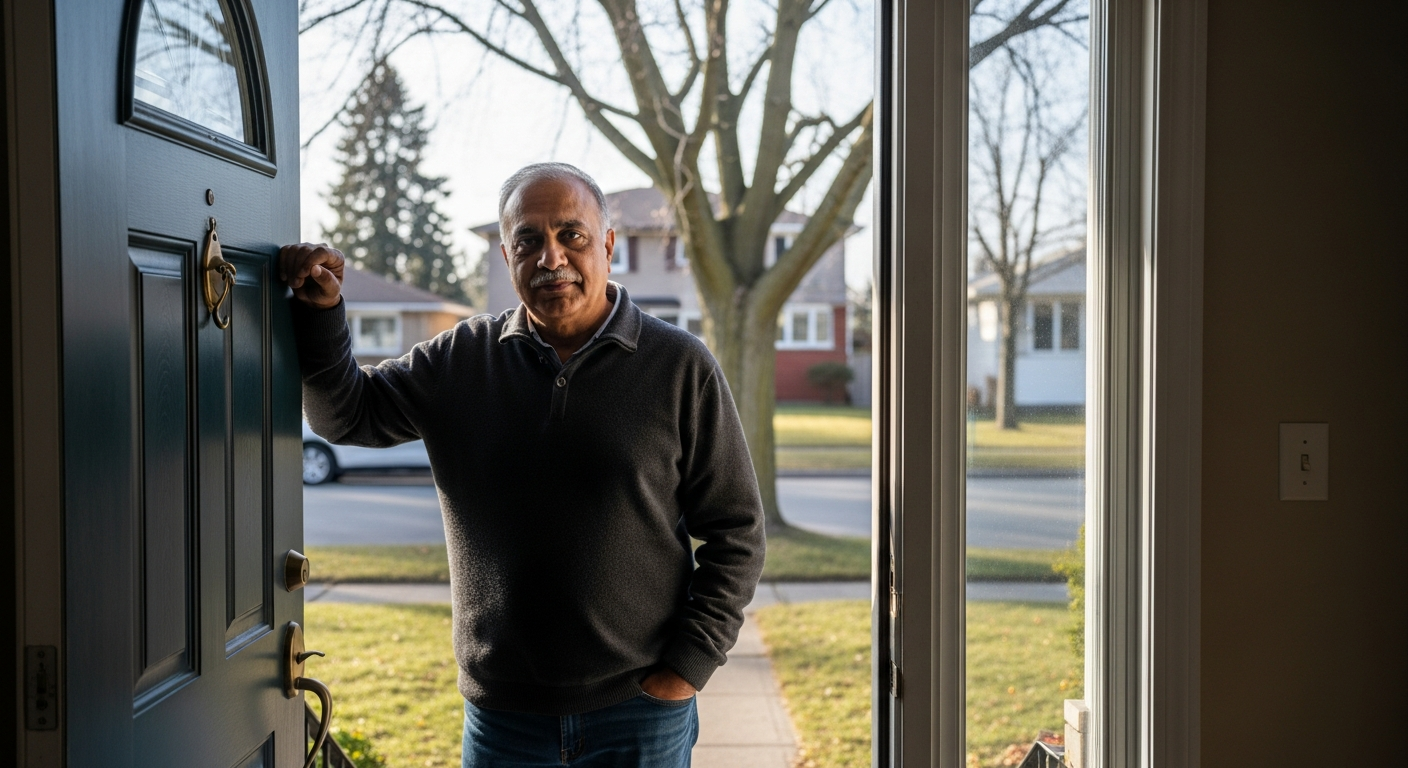
Here is the complete eligibility guide for reverse mortgages in Ontario for 2026.
Core Eligibility Requirements
1. Age — You Must Be 55 or Older
The most fundamental requirement is age. All registered homeowners must be 55 years of age or older. If you have a spouse or co-owner on title, both people must be 55+.
There is no maximum age. Older borrowers actually qualify for a higher percentage of their home's value — a 75-year-old can typically access more than a 60-year-old with an identical home.
2. Home Ownership and Equity
You must own a property in Ontario with sufficient equity. There is no specific minimum equity threshold published by lenders, but the general guideline is that you must have enough equity to:
- Cover the reverse mortgage loan amount
- Cover closing costs and fees
- Maintain a minimum remaining equity buffer
Most homeowners with an Ontario property worth $400,000+ and less than 60–70% in existing mortgage debt will qualify for a meaningful reverse mortgage.
3. Principal Residence in Ontario
The property must be your principal residence — the home where you live the majority of the year. Vacation properties, rental properties, and investment properties do not qualify for a reverse mortgage.
The property must also be located in Canada (Ontario for our purposes), and lenders generally require it to be in a reasonably accessible location that is marketable and insurable.
4. No Income or Credit Requirements
This is the critical advantage for most Ontario retirees: there is no income verification requirement and no minimum credit score.
Lenders do not check your:
- Employment status
- Income level (CPP, OAS, pension, etc.)
- Credit score
- Debt-to-income ratio
Eligibility is based entirely on your age, home equity, and property characteristics.
How Much Can You Borrow?

The maximum reverse mortgage amount depends on three factors:
- Your age (and your spouse's age if applicable) — older borrowers qualify for a higher percentage
- Your home's appraised value — determined by an independent appraiser
- Your property type and location — urban properties in major Ontario cities typically qualify for higher amounts
Approximate Borrowing Ranges
| Age | Estimated Maximum (% of Home Value) |
|---|---|
| 55–59 | 20%–30% |
| 60–65 | 25%–35% |
| 66–70 | 30%–40% |
| 71–75 | 35%–45% |
| 76–80 | 40%–50% |
| 81+ | 45%–55% |
These are estimates. Exact amounts vary by lender, property type, and location.
For Ontario homeowners in major urban centres (Toronto, Ottawa, Hamilton, etc.), some lenders (particularly Equitable Bank) may approve up to 59% of appraised value.
Qualifying Property Types in Ontario
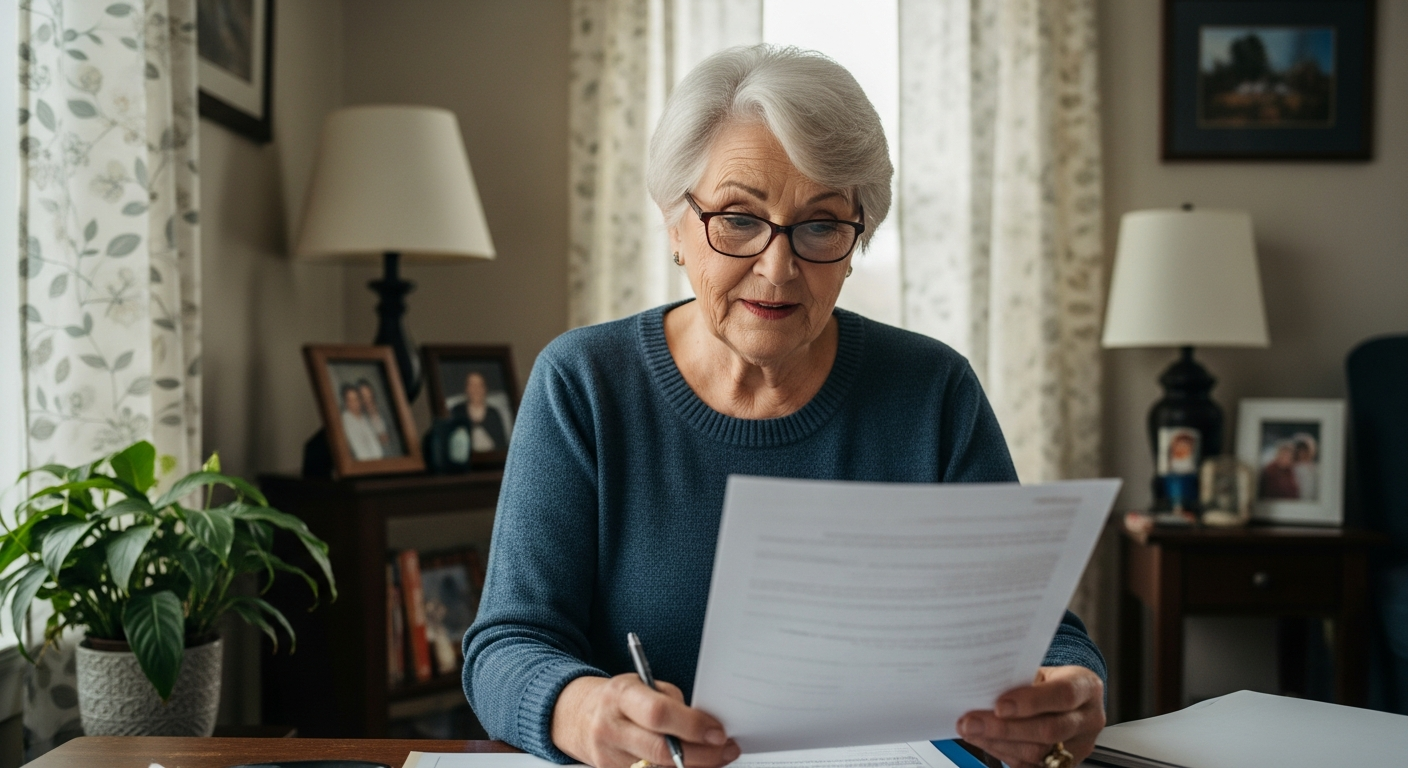
Most standard residential property types qualify:
✓ Single-family detached homes (most common) ✓ Townhouses and semi-detached homes ✓ Condominiums (in owner-occupied buildings) ✓ Duplexes (if owner-occupied)
Properties that may not qualify or have restrictions:
- Mobile homes and manufactured homes
- Properties in remote or rural areas with limited market access
- Properties in severely deteriorated condition
- Properties with significant environmental issues
The Application and Approval Process
Qualifying for a reverse mortgage in Ontario is typically a smooth, straightforward process:
Step 1: Initial Consultation (Free) Speak with a licensed mortgage broker to determine your estimated eligibility and potential loan amount. This involves a basic discussion of your age, property, and financial goals — at no cost.
Step 2: Application Submission Complete a formal application with your lender. You'll need standard identification documents and information about your property.
Step 3: Home Appraisal The lender orders an independent home appraisal to confirm market value. This is at your expense (typically $300–$600 in Ontario).
Step 4: Approval Equitable Bank advertises conditional approval in as little as 1 business day. Full approval follows review of the appraisal and documents.
Step 5: Independent Legal Advice (ILA) Before closing, you are required to obtain Independent Legal Advice from a lawyer of your choice. This protects you by ensuring you fully understand the terms of the reverse mortgage before signing.
Step 6: Funds Disbursed Funds are deposited to your account. The full process from application to funding typically takes 30–60 days.
What Disqualifies You?
Very few things prevent an Ontario homeowner from qualifying, but these can cause issues:
- A registered owner under 55 — all owners on title must be 55+
- A property not being your primary residence — secondary/investment properties don't qualify
- Insufficient equity — if you owe more than the lender's threshold on an existing mortgage
- Property in disrepair — lenders require the home to be in insurable condition
- Existing liens — significant liens beyond a standard mortgage may complicate approval
Who Are the Lenders?
As of 2026, Ontario homeowners can access reverse mortgages from:
- HomeEquity Bank (CHIP) — The original and most established Canadian reverse mortgage lender. Rates from 7.24% fixed. Setup fee of $1,795.
- Equitable Bank — Competitive rates from 6.54% fixed. Setup fee of $995. Conditional approval in 1 day.
- Bloom Financial — Available in Ontario with unique product structures. Growing rapidly since 2021.
- Home Trust (EquityAccess) — Launched October 2025. Available through mortgage brokers in Ontario. Three product tiers.
Compare CHIP vs Equitable Bank in detail →
Getting Started
If you're an Ontario homeowner aged 55+, the best first step is requesting a free consultation to determine your specific eligibility and estimated loan amount.
Get your free Ontario Reverse Mortgage Guide — it covers eligibility, rates, the full process, and answers to every common question.
You can also explore how a reverse mortgage can help with retirement cash flow, debt relief, or aging in place in Ontario.
This content is for illustrative purposes only. Rates may vary. Call Rick Sekhon for the best rates and more information.
Ready to Learn More?
Get the free Ontario Reverse Mortgage Guide and find out exactly how much you could unlock from your home.
Get My Free Guide →Related Articles
Reverse Mortgage Interest Rates Ontario 2026: Current Rates & What They Mean
Current reverse mortgage interest rates in Ontario for 2026. Compare rates from CHIP, Equitable Bank, Bloom, and Home Trust. Learn what rates mean for your home equity over time.
Read →CHIP vs Equitable Bank Reverse Mortgage in Ontario: 2026 Comparison
A detailed comparison of Canada's two main reverse mortgage lenders — HomeEquity Bank (CHIP) and Equitable Bank — for Ontario homeowners in 2026. Rates, fees, features, and which is right for you.
Read →Reverse Mortgage for Workplace Injury Recovery: Supporting Adult Child's Career Transition
Help your adult child rebuild their career after workplace injury. Learn how reverse mortgages fund recovery, retraining, and financial stability during career transition.
Read →