
Reverse Mortgage for Toronto Homeowners: 2026 Guide
Toronto-specific guide to reverse mortgages in 2026. High home values, unique condo considerations, MPAC assessment context, and how much Toronto seniors can borrow.
"I've lived in East York for 35 years — my home has gone from $180,000 to over $1.2 million. How do I access some of that equity without selling?" Toronto homeowners are in a unique position: decades of appreciation have created extraordinary home equity — often far exceeding what any other generation of Canadians has experienced at the same age. A reverse mortgage is one of the few mechanisms that converts this illiquid wealth into usable funds without selling the home. This guide is written specifically for Toronto homeowners and the unique features of the city's market.
This article is for educational purposes only and does not constitute financial advice.
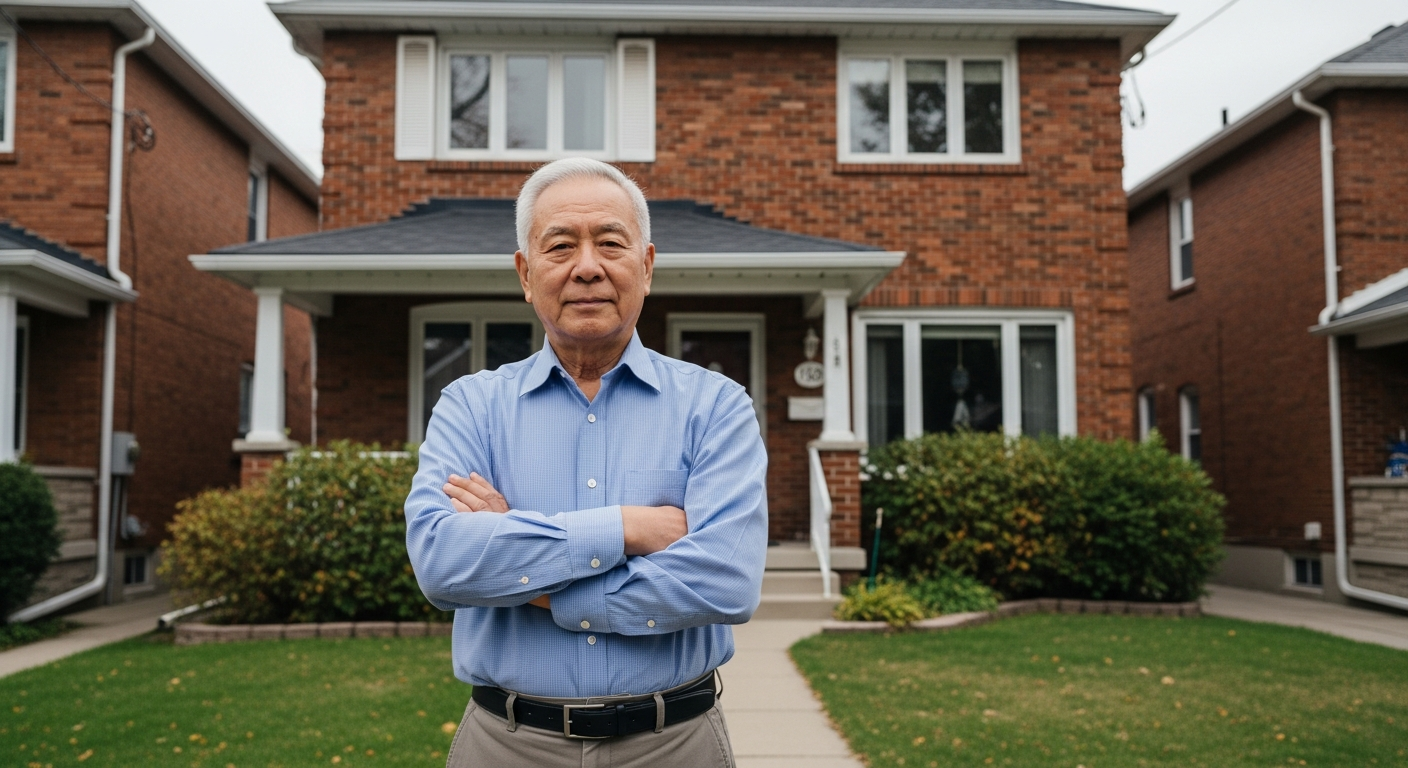
Why Toronto's High Home Values Change the Calculation
Most reverse mortgage planning discussions use $600,000–$800,000 home values as the base. In Toronto, the numbers are different. As of early 2026:
| Toronto Property Type | Approximate Median Value |
|---|---|
| Detached (City of Toronto) | $1,350,000–$1,600,000 |
| Semi-detached | $1,100,000–$1,300,000 |
| Townhouse / row house | $950,000–$1,200,000 |
| Condo apartment (2-bedroom) | $750,000–$1,000,000 |
Source: Toronto Regional Real Estate Board data, approximate figures.
At these values, even the lower LTV tiers generate substantial borrowing limits. A 65-year-old with a $1.4 million Toronto home can access approximately $532,000 — an amount that changes the scope of what becomes possible.
According to CMHC, Toronto's average residential price has grown at approximately 5.5% annually over the past two decades, substantially outpacing the national average and creating one of the largest home equity positions of any metropolitan area in Canada.
Toronto Borrowing Scenarios at Current Home Values
| Property Value | Age 65 (~38% LTV) | Age 70 (~45% LTV) | Age 75 (~52% LTV) | Age 80+ (55% LTV) |
|---|---|---|---|---|
| $800,000 | ~$304,000 | ~$360,000 | ~$416,000 | ~$440,000 |
| $1,000,000 | ~$380,000 | ~$450,000 | ~$520,000 | ~$550,000 |
| $1,200,000 | ~$456,000 | ~$540,000 | ~$624,000 | ~$660,000 |
| $1,500,000 | ~$570,000 | ~$675,000 | ~$780,000 | ~$825,000 |
| $2,000,000 | ~$760,000 | ~$900,000 | ~$1,040,000 | ~$1,100,000 |
Approximate LTV figures — actual amounts vary by lender and current guidelines.
Note: Maximum loan amounts are subject to lender caps that may apply at very high values (some lenders cap total loan amounts regardless of LTV on high-value properties). Confirm with your broker for properties above $2 million.
Toronto Condo-Specific Considerations
Toronto has one of the densest condo markets in North America. Many Toronto seniors aged 55+ own condos rather than detached homes — often having moved from larger homes into smaller units closer to services.
For Toronto condo reverse mortgages, additional considerations apply:
| Toronto Condo Factor | Impact |
|---|---|
| High investor ratio in many buildings | May affect lender LTV assessment |
| Older buildings (pre-1995) with deferred maintenance | Reserve fund may be underfunded |
| Recent special assessments (window, HVAC, parking) | May affect current eligibility if outstanding |
| Locker/parking space value | Included in unit appraisal if on same title |
| MPAC assessment vs market value | Significant gap in many Toronto buildings — appraisal uses market value |
For a detailed condo-specific guide, see our reverse mortgage on a condo in Ontario →.
The Toronto Land Transfer Tax: Reverse Mortgages Have an Advantage
Toronto imposes an additional Municipal Land Transfer Tax (MLTT) on property purchases on top of Ontario's provincial LTT. For a property purchased at $1,000,000:
| Transfer Tax | Amount |
|---|---|
| Ontario Land Transfer Tax | ~$16,475 |
| Toronto Municipal Land Transfer Tax | ~$14,475 |
| Total | ~$30,950 |
This double land transfer tax is one of the most compelling reasons Toronto homeowners considering downsizing should run the full numbers before deciding. When you downsize from a $1,200,000 home to a $750,000 condo, you pay:
- LTT and MLTT on the $750,000 purchase: ~$19,500
- Commission on the $1,200,000 sale: ~$54,240 (4.52% gross)
- Total transaction friction: ~$73,740
By contrast, a reverse mortgage on the $1,200,000 home costs $2,000–$4,000 in upfront fees — and keeps you in the home.
The MPAC Assessment Context
Your home's Municipal Property Assessment Corporation (MPAC) assessed value is the basis for your property tax — but it is typically significantly lower than market value in Toronto's appreciated market. Property tax calculations do not affect your reverse mortgage.
The reverse mortgage is based on the independent appraisal value — the fair market value assessed by an accredited appraiser at the time of your application. In Toronto's market, this appraisal value is typically substantially higher than your MPAC assessment.
For planning purposes, the appraisal value is the relevant figure — not the MPAC assessment.
The City-Specific Estate Planning Dimension
For Toronto homeowners, the principal residence capital gains exemption has an extraordinary value given decades of appreciation. A home bought for $180,000 in 1990 and sold today for $1,400,000 represents a $1,220,000 capital gain — fully exempt from tax through the Principal Residence Exemption, as long as the property has been the principal residence for all years owned.
This exemption is preserved with a reverse mortgage. You remain the owner; the home remains your principal residence; the exemption remains intact at sale. By contrast, if you sell now and invest the proceeds, future returns on those investments are taxable.
The reverse mortgage allows Toronto homeowners to defer the sale (and preserve the tax-free principal residence exemption timing) while accessing the equity they need today.
Toronto Seniors' Unique Market Opportunity
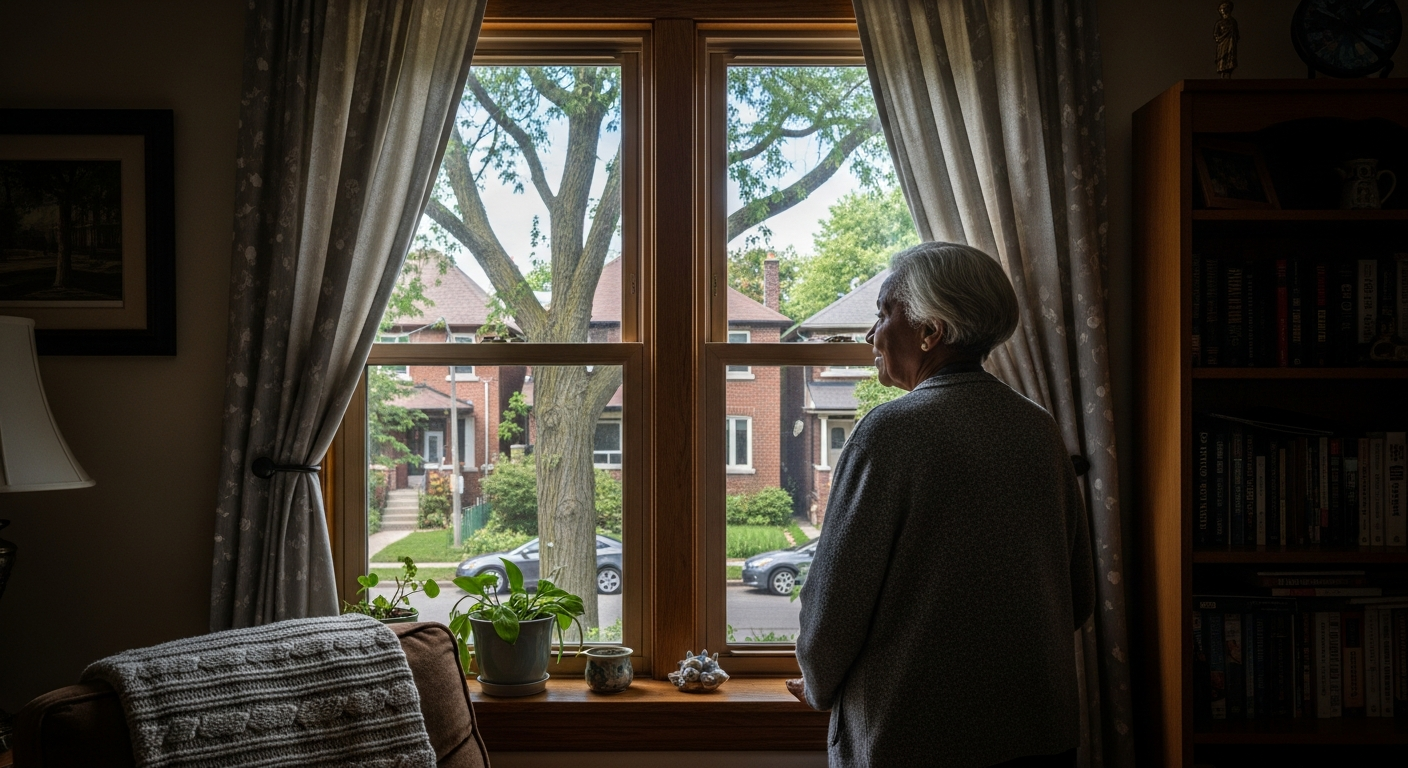
Toronto homeowners who purchased in the 1980s and 1990s are in an exceptional equity position — one that few anticipated when they bought. Many have:
- $800,000–$1,500,000 in net home equity
- Fixed incomes that have not kept pace with the city's cost of living
- Children who cannot afford Toronto housing without family help
- A desire to remain in the neighbourhood and community they have built
The reverse mortgage is uniquely positioned to address all three dimensions simultaneously:
- Access equity to supplement income (without selling or qualifying based on income)
- Provide living legacy gifts to adult children for down payments
- Stay in the Toronto neighbourhood for as long as desired
One Consideration: Appreciation History ≠ Future Guarantee
Toronto's extraordinary home price appreciation is historical, not guaranteed. Planning that assumes continued 5%+ annual appreciation creates overconfidence about the long-term equity equation.
The compounding effect of a large reverse mortgage in a period of flat Toronto home prices — which has occurred in 2017–2019 and 2022–2023 — can be more significant than the projections suggest. Borrowers with large loan amounts on high-value properties should model their scenarios with conservative appreciation assumptions (2%–3%) alongside the optimistic case.
For current interest rates and compounding projections, see our reverse mortgage interest rates guide → and compound interest projections guide →.
FAQ
Does Toronto's high home value mean I can borrow more than the standard 55% maximum? The LTV maximum of 55% (CHIP) or 59% (Equitable Bank) applies regardless of the home's absolute value. However, 55% of $1,400,000 is $770,000 — substantially more than 55% of $600,000 ($330,000). The high Toronto home value translates directly to a higher absolute borrowing limit within the same LTV framework.
Are there any maximum loan amount caps in Toronto? Some lenders may apply caps on very large loan amounts (above $1,000,000 in principal) regardless of the LTV. This is relevant for Toronto homes above $1.8 million at older age brackets. Confirm current caps with your broker at the time of application.
Is the MLTT (Toronto municipal land transfer tax) applicable when setting up a reverse mortgage? No — the MLTT applies only when a property is purchased or transferred. A reverse mortgage is not a property transfer — it is a loan registered as a charge on title. No land transfer taxes apply.
If I live in one of the 905 municipalities (Mississauga, Brampton, etc.), do the same Toronto-specific considerations apply? The 905 municipalities do not impose a municipal land transfer tax — only the provincial LTT applies. Home values and market conditions vary significantly across the GTA. Most of the general guidance in this article applies, with adjustments for the specific market value of your property.
Can I get a reverse mortgage on a Toronto property that I purchased with rental income historically? If the property was previously used as a rental property, there are capital gains and principal residence designation implications at the time of sale. These do not directly affect your ability to get a reverse mortgage — but they do affect the long-term estate tax position. Consult a tax professional before making long-term decisions.
Speak to a licensed mortgage professional. Independent legal advice is required before closing a reverse mortgage in Ontario.
Get your free Ontario Reverse Mortgage Guide →
This content is for illustrative purposes only. Rates may vary. Call Rick Sekhon for the best rates and more information.
Ready to Learn More?
Get the free Ontario Reverse Mortgage Guide and find out exactly how much you could unlock from your home.
Get My Free Guide →Related Articles
Reverse Mortgage vs Downsizing: Which Is Right for You?
Compare reverse mortgages and downsizing as strategies to access home equity. Explore pros, cons, and scenarios for each option.
Read →Reverse Mortgage on a Condo in Ontario: Complete 2026 Guide
Learn about reverse mortgages on condos in Ontario, including eligibility requirements, special considerations, and fees involved.
Read →Reverse Mortgage Calculator Ontario: How Much Can You Borrow?
Discover how much you can borrow with a reverse mortgage in Ontario. Independent guide covering age tiers, home value, and the four key factors lenders use.
Read →