
10 Reverse Mortgage Myths Debunked: What Ontario Seniors Need to Know
Separating fact from fiction on reverse mortgages in Ontario. We debunk the 10 most common myths so you can make an informed decision about your retirement finances.
Despite being available in Canada since 1986, reverse mortgages remain widely misunderstood. Misconceptions often prevent Ontario seniors from accessing a financial tool that could significantly improve their retirement — or lead them to make decisions based on incorrect information.
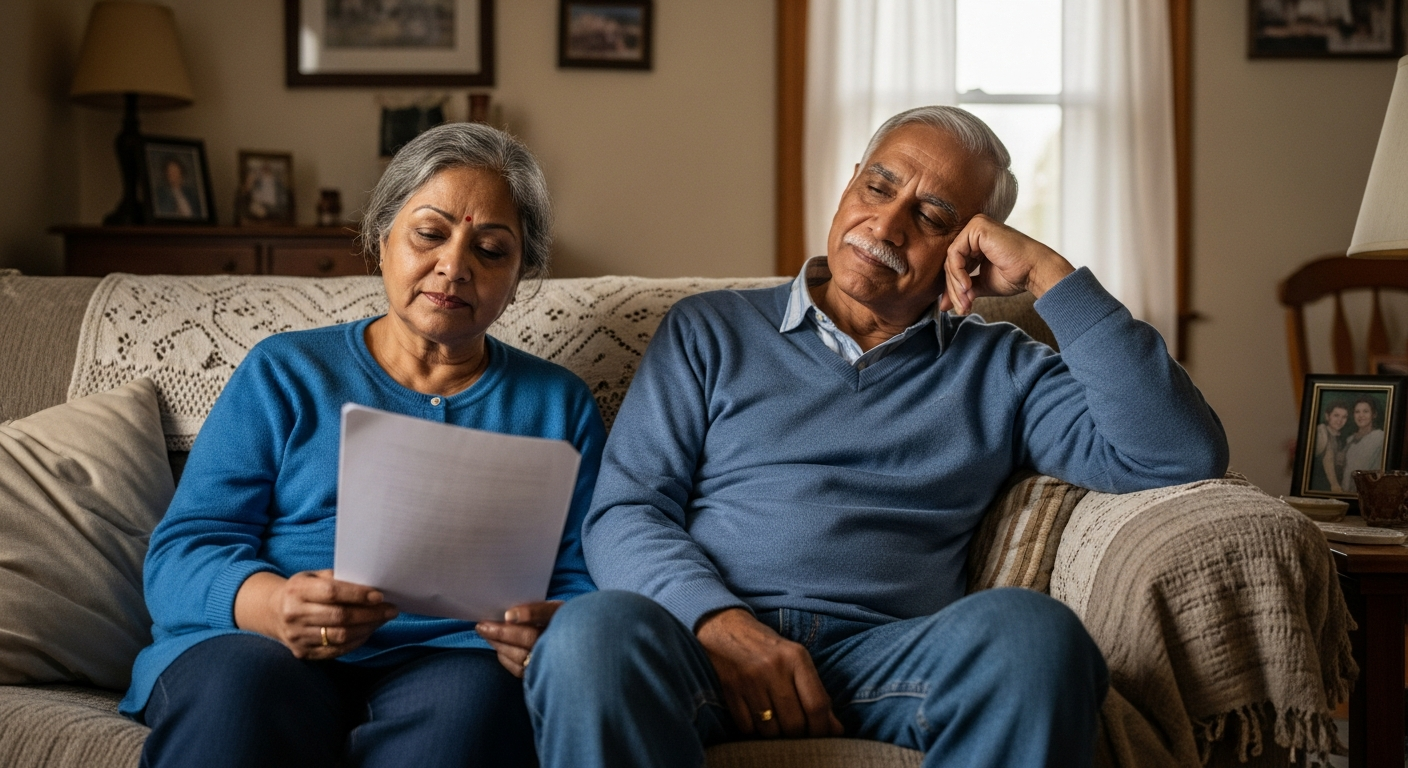
Here are the 10 most common reverse mortgage myths, and the truth behind each one.
Myth 1: "The Bank Will Own My Home"
Reality: You retain full ownership throughout.
This is the #1 most persistent myth. A reverse mortgage is a loan secured against your home — not a transfer of ownership. You remain the registered owner of your property for as long as you live in it. The lender registers a charge (similar to a traditional mortgage), but they have no ownership rights.
You can renovate, sell, rent out a portion, or do anything an owner can do — so long as you maintain the property, pay property taxes, and keep home insurance. The lender only reclaims their loan when you sell, permanently move, or your estate settles.
Myth 2: "I Could Owe More Than My Home is Worth"
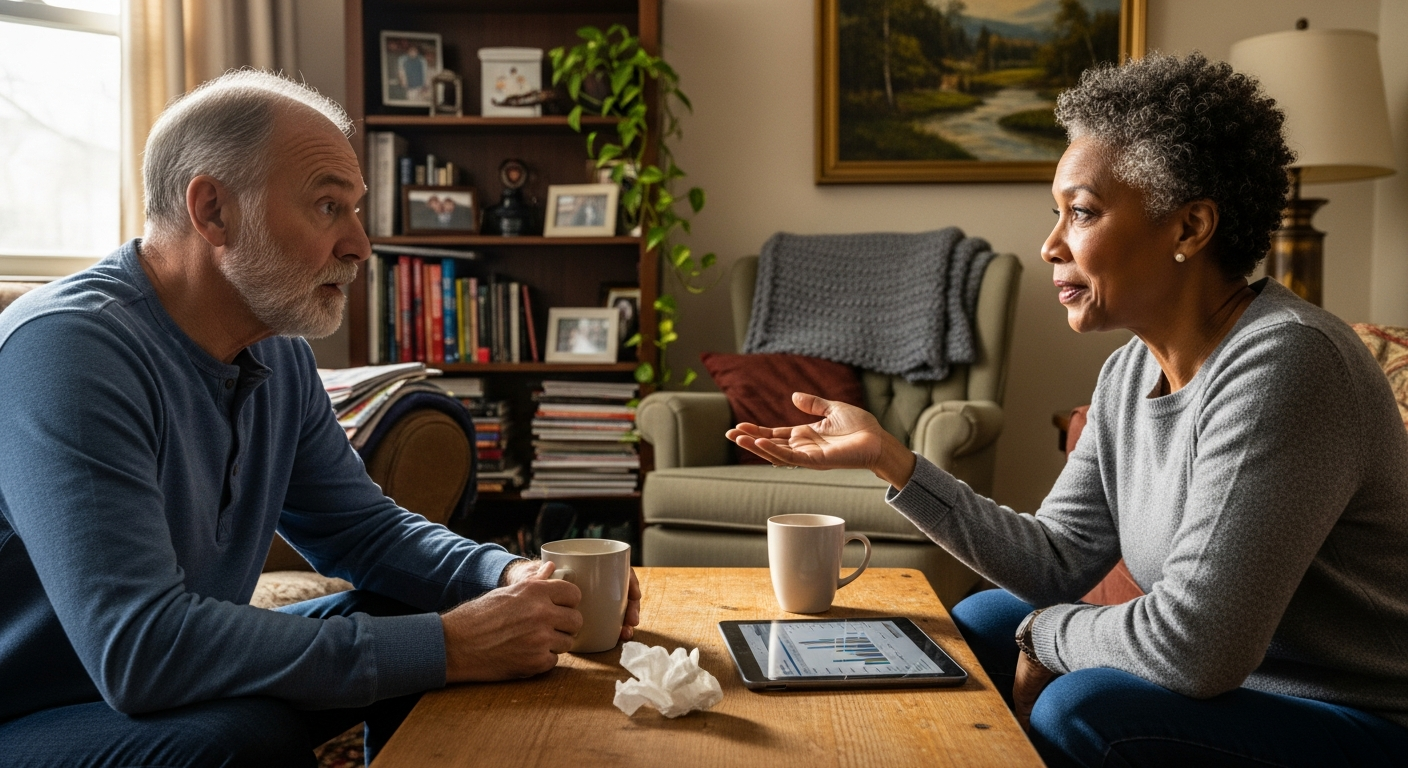
Reality: Canada's No-Negative-Equity Guarantee protects you.
Both HomeEquity Bank (CHIP) and Equitable Bank provide a No-Negative-Equity Guarantee. This means the total amount you owe when the loan is repaid will never exceed the fair market value of your home at the time of repayment.
Even if home values decline significantly, the lender absorbs any shortfall — not you or your estate. Your estate is fully protected.
Myth 3: "My Children Will Inherit Nothing"
Reality: Most homeowners leave significant equity to their heirs.
Yes, a reverse mortgage reduces your home equity over time — but this must be weighed against rising home values and the reality of how much you actually borrow.
Consider: An Ontario homeowner borrows $200,000 on a $900,000 home. After 10 years at 7%, the balance is approximately $393,000. But if the home appreciated at 4% annually, it's now worth approximately $1,332,000. Net equity to the estate: approximately $939,000 — nearly $40,000 more than the original home value, with $200,000 that you lived on tax-free in the meantime.
Myth 4: "Reverse Mortgages Are Only a Last Resort"
Reality: They are a retirement planning tool for many Ontario seniors.
While some financial advisors historically treated reverse mortgages as a last resort, modern retirement planning increasingly recognizes them as a strategic tool for:
- Delaying CPP to maximize lifetime benefits
- Avoiding RRSP/RRIF withdrawals at unfavorable tax rates
- Creating tax-free cash flow while other assets continue to grow
- Funding aging-in-place home modifications (see our aging in place guide)
Myth 5: "Reverse Mortgage Money Is Taxable"
Reality: It is completely tax-free.
Reverse mortgage proceeds are classified as loan advances — not income. You pay no income tax on the money received, and it has no impact on your OAS, CPP, or GIS benefit payments.
Read our full guide on reverse mortgage tax implications in Canada →
Myth 6: "I Have to Own My Home Free and Clear"
Reality: You can have an existing mortgage.
You do not need to own your home outright. If you have an existing mortgage, the reverse mortgage proceeds are first used to pay it off — and then any remaining balance comes to you as tax-free cash.
For many Ontario seniors, this means eliminating their existing monthly mortgage payment AND receiving additional funds — dramatically improving their monthly retirement cash flow.
Myth 7: "A Reverse Mortgage Will Affect My OAS or GIS"
Reality: It has no effect on government benefits.
Because reverse mortgage proceeds are not income, they cannot affect income-tested benefits like OAS, GIS, or Ontario provincial benefits. This is one of the most significant tax advantages of a reverse mortgage compared to RRIF withdrawals or investment income.
Myth 8: "Reverse Mortgages Have Extremely High Interest Rates"
Reality: Rates are higher than prime-rate products, but not extreme.
Reverse mortgage rates in 2026 range from approximately 6.54%–7.24% for 5-year fixed rates. This is higher than a standard mortgage (which requires income qualification and monthly payments) or a HELOC (which requires monthly interest payments).
However, comparing rates alone misses the point: the value of a reverse mortgage is the absence of required monthly payments. The higher rate compensates for the lender's risk of not receiving payments for potentially 15–25 years.
See current Ontario reverse mortgage interest rates →
Myth 9: "I'll Have to Move Out When I'm Old"
Reality: You stay in your home for as long as you choose.
You can live in your home for as long as you like — whether that's 5 years or 30 years. The reverse mortgage only becomes due when you:
- Voluntarily sell the home
- Permanently move out (into long-term care, for example)
- Pass away
You are never forced out of your home because of a reverse mortgage. In fact, a reverse mortgage can help you stay in your home longer by funding home modifications — see our aging in place in Ontario guide.
Myth 10: "It's Hard to Qualify"
Reality: For Ontario seniors 55+, it's among the easiest financial products to qualify for.
Unlike traditional mortgages, HELOCs, or personal loans, a reverse mortgage does not require:
- Proof of income
- Employment history
- Minimum credit score
- Debt service calculations
You simply need to be 55+, own your Ontario home, and have sufficient equity. For most retired Ontario homeowners, qualification is straightforward.
Read the complete eligibility guide →
Making an Informed Decision
Now that you know the truth, you're better equipped to evaluate whether a reverse mortgage makes sense for your situation. The best next step is a free, no-obligation consultation with a licensed Ontario mortgage specialist who can give you personalized information.
Get your free Ontario Reverse Mortgage Guide — or explore specific solutions: retirement cash flow, debt relief, and aging in place.
This content is for illustrative purposes only. Rates may vary. Call Rick Sekhon for the best rates and more information.
Ready to Learn More?
Get the free Ontario Reverse Mortgage Guide and find out exactly how much you could unlock from your home.
Get My Free Guide →Related Articles
Reverse Mortgage vs HELOC in Ontario: Which Is Right for You in 2026?
A detailed comparison of reverse mortgages and HELOCs for Ontario homeowners 55+. Learn the key differences in eligibility, payments, rates, and which option best fits your retirement.
Read →Reverse Mortgage Eligibility in Ontario: Complete 2026 Guide
Everything Ontario homeowners need to know about qualifying for a reverse mortgage in 2026. Covers age requirements, home equity, property types, and the application process.
Read →Reverse Mortgage Tax Implications in Canada: What Ontario Homeowners Need to Know
Are reverse mortgage proceeds taxable in Canada? How do they affect OAS, GIS, and CPP? A complete guide to the tax implications of reverse mortgages for Ontario seniors.
Read →