
Reverse Mortgage When Moving From Urban Condo to Rural Hobby Farm
Retire from city to hobby farm? Reverse mortgage strategy for property transitions. Fund rural home improvements and sustainable living.
Ready to leave the urban condo and transition to a rural hobby farm or country property? Many Ontario retirees dream of escaping city costs and traffic. But the transition involves substantial costs: property improvements, infrastructure upgrades, accessibility modifications, and equipment. A strategically timed reverse mortgage can fund this major life transition without disrupting retirement income.
Urban-to-rural transitions are increasingly common in retirement. The appeal is clear: space, privacy, potential food production, lower property costs outside metro areas. But the execution requires careful financial planning.
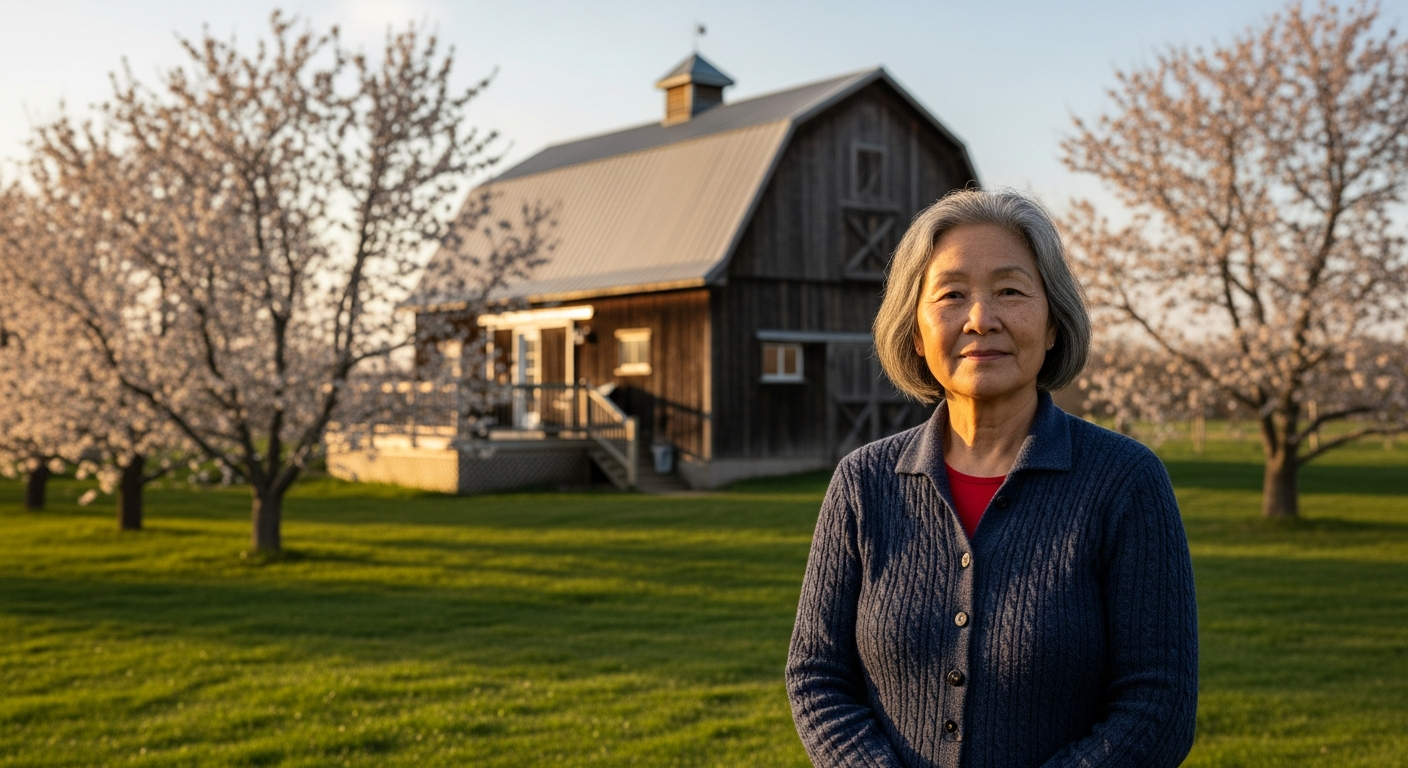
Why Retirees Transition to Rural Properties
Cost considerations:
- Urban Toronto condo: $700,000–$1.2M (with ongoing condo fees of $400–$800/month)
- Rural Ontario hobby farm (5–20 acres): $400,000–$650,000 (minimal condo fees)
- Potential equity release from selling urban property: $200,000–$400,000+
Lifestyle considerations:
- Escape commute culture and urban density
- Pursue hobby farming, gardening, or food production
- Reduce property maintenance obligations (yard work, exterior upkeep)
- Lower cost of living in rural areas
- Closer to family who've already moved rural
Healthcare considerations:
- Rural communities often have tighter-knit support networks
- Better aging-in-place potential with family nearby
- Lower noise and air pollution (health benefits)
- Potential for on-property caregiver accommodations
However, rural properties create new costs:
| Cost Category | Urban Condo | Rural Farm Property |
|---|---|---|
| Property tax | $3,500–$6,000 | $2,000–$4,000 (lower) |
| Utilities | $200–$300/month | $250–$400/month (septic, well, longer distances) |
| Maintenance | $0–$300 (condo fees) | $1,500–$3,000 (land, outbuildings) |
| Access roads/driveway | None | $1,000–$5,000 (gravel, snow clearing) |
| Heating | $1,500–$2,000/year | $2,500–$4,000/year (longer winters, larger spaces) |
| Internet/connectivity | High-speed standard | $80–$150/month (satellite or limited options) |
| Initial renovation needs | Limited | $30,000–$100,000+ (many rural properties need work) |
The Reverse Mortgage Strategy for Transitions
Scenario 1: Sell Condo, Buy Farm with Reverse Mortgage Buffer
Margaret, 68, owns a downtown Toronto condo worth $850,000. No mortgage. She wants to buy a hobby farm (20 acres, farmhouse) near Peterborough worth $480,000. Her plan:
- Sell Toronto condo — Net proceeds after realtor fees: ~$800,000
- Purchase Peterborough farm — Cost: $480,000
- Remaining capital: $320,000
Seems straightforward. But Margaret's plan includes:
- Renovate farmhouse (septic upgrade, insulation, solar panels): $50,000
- Build small cottage for visiting adult children: $80,000
- Fence and pasture improvements: $25,000
- Equipment (tractor, tools): $15,000
- Total improvement needs: $170,000
After improvements, Margaret's remaining liquid capital: $150,000. This is conservative for a 30+ year retirement. One major emergency (health crisis, property damage, supporting adult children) depletes it quickly.
Better strategy:
- Use reverse mortgage on the Peterborough farm (after purchase)
- Establish a $100,000 line of credit
- Allocate for improvements, equipment, and buffer
- Preserve the $320,000 in capital for investment and long-term security
Result: Margaret funds $170,000 in improvements ($100,000 from reverse mortgage line + $70,000 from liquid capital), preserves $250,000+ in investable capital, and maintains a $100,000 reverse mortgage line of credit for emergencies.
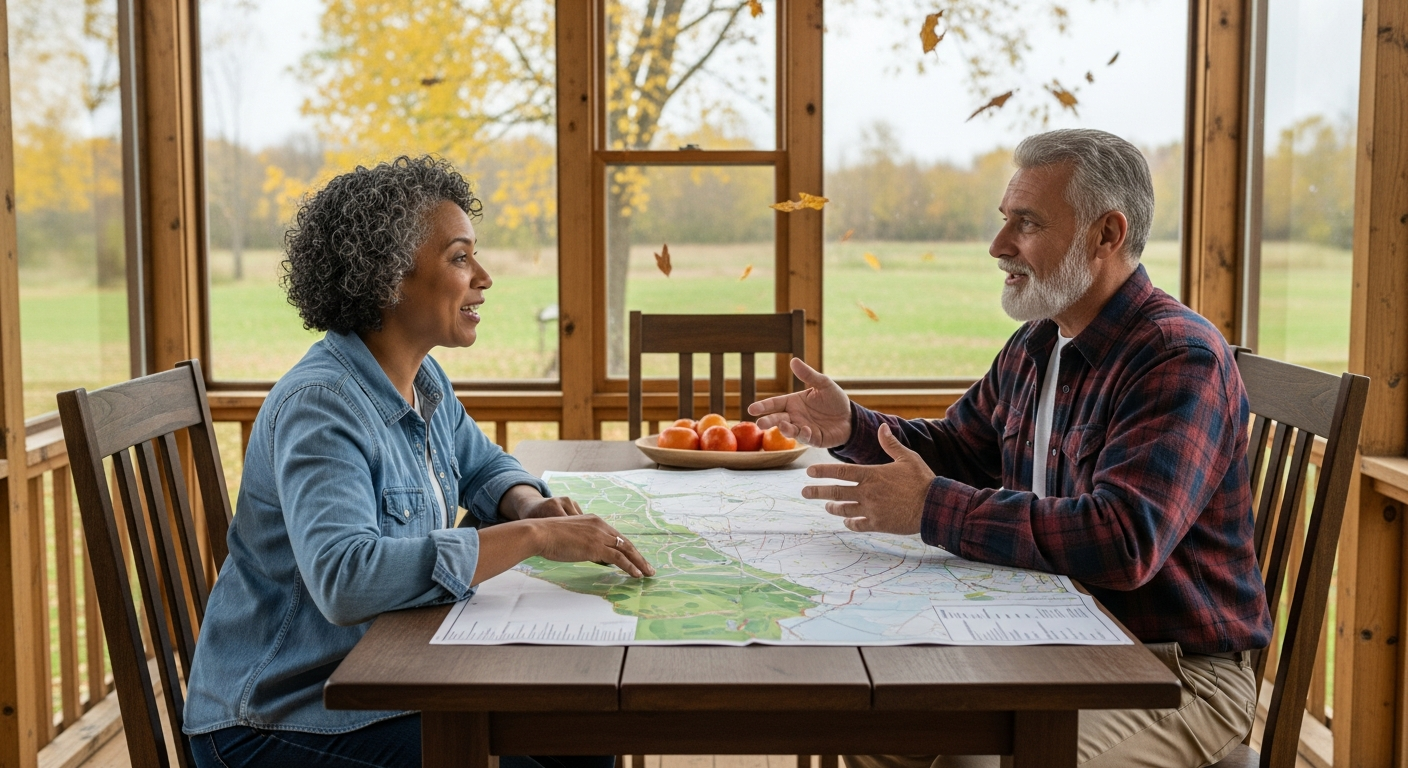
Scenario 2: Keep Urban Property, Use Reverse Mortgage to Fund Farm Improvements
Some retirees maintain both properties:
James, 72, owns an urban Toronto home (worth $900,000, mortgage-free) and just purchased a 15-acre hobby farm near Kawartha Lakes ($420,000, financed with a $300,000 mortgage).
His situation:
- Toronto home equity: $900,000
- Farm property: $420,000 (with $300,000 mortgage)
- Need for farm improvements: $60,000 (barn repairs, well testing, fencing)
- Farm mortgage monthly payment: $1,800
James could:
- Get a reverse mortgage on the Toronto property — Access $250,000–$300,000 line of credit
- Use draws to pay down farm mortgage — Pay off $100,000 of the farm mortgage, reducing monthly payments to $1,200
- Use remaining line of credit for improvements — Access the $60,000 needed for farm upgrades
- Preserve farm cash flow — Farm now costs less monthly; cash flow improves
Result: James transitions to rural property without disrupting retirement income, and his total borrowing costs are minimized.
Accessibility and Aging-in-Place Considerations
Rural properties offer aging-in-place advantages, but require upfront accessibility planning:
| Urban Condo | Rural Farm Property |
|---|---|
| Stairs to entrance (problematic) | Single-level or accessible entry (plan now) |
| Limited outdoor space | Accessible gardens and outdoor areas (easier to create) |
| Building elevators/accessibility managed by condo | Personal responsibility for accessibility modifications |
| Proximity to healthcare | Distance to hospital/clinics (plan transportation) |
| Walkability to services | Car-dependent (requires reliable transportation) |
Reverse mortgage funds are ideal for aging-in-place improvements:
- Accessible bedroom and bathroom on main floor
- Ramp or step-free entry
- Wider doorways and halls for mobility aids
- Grab bars and modified lighting
- One-level living to avoid stairs
Average cost: $15,000–$35,000. A reverse mortgage line of credit absorbs these costs without disrupting retirement.
Rural Property Challenges for Reverse Mortgage Lenders
Lenders assess rural properties more carefully:
| Challenge | Lender Concern | Impact on Reverse Mortgage |
|---|---|---|
| Property condition | Rural properties often need work | Appraisal may require pre-approval repairs |
| Septic/well systems | Code compliance issues | Inspection required; deficiencies may bar approval |
| Road access | Impassable in winter = emergency risk | Lenders assess road maintenance |
| Utilities | Off-grid or limited options reduce value | May reduce borrowing capacity |
| Marketability | Harder to sell rural properties | Lenders use lower appraisals (conservatively) |
Mitigation:
- Get pre-approval appraisal before purchase
- Budget for septic and well certification
- Ensure property has year-round road access
- Maintain property condition meticulously
Lenders like CHIP, Equitable Bank, and Home Trust have experience with rural properties, but terms may be slightly tighter than urban properties.
Sustainability and Equipment Costs
Many retirees moving to hobby farms pursue sustainable living:
| Improvement | Cost | Reverse Mortgage Ideal? |
|---|---|---|
| Solar panels | $12,000–$25,000 | Yes—increases property value |
| Rainwater harvesting system | $3,000–$8,000 | Yes—reduces utility costs |
| Geothermal heating | $20,000–$40,000 | Yes—long-term savings |
| Composting and waste systems | $2,000–$5,000 | Yes—improves property value |
| Garden and orchard setup | $5,000–$15,000 | Yes—food production value |
| Equipment (tractor, tools) | $10,000–$50,000 | Yes—enables farm operations |
A reverse mortgage line of credit lets you spread these investments over time, drawing as you complete each phase.
Managing Seasonal Challenges and Long-Term Sustainability
Rural properties create unique seasonal and ongoing maintenance costs that urban condos don't:
Winter challenges (October–March in Ontario):
- Driveway/road maintenance and snow clearing: $2,000–$5,000/year
- Heating costs for larger spaces: $3,000–$5,000/year
- Roof/gutter maintenance after winter: $1,000–$3,000/year
- Equipment winterization and repairs: $500–$2,000/year
Spring challenges:
- Septic system inspections and pumping: $400–$800 every 3–4 years
- Well water testing and potential treatment: $300–$1,000/year
- Foundation and drainage assessment: $500–$1,500
Summer challenges:
- Dock repairs and waterfront maintenance: $1,000–$5,000/year (if applicable)
- Lawn and property maintenance (expanded grounds): $1,500–$4,000/year
- Pest control and wildlife management: $500–$2,000/year
Total annual rural property costs: $8,000–$20,000 (compared to $3,500–$5,000 for urban condo)
A reverse mortgage line of credit lets you absorb these seasonal costs without dipping into retirement savings. Many retirees draw small amounts throughout the year as expenses arise, rather than a lump sum. This spreads interest costs and maintains flexibility.
Quick Reference
| Question | Answer |
|---|---|
| When should I get a reverse mortgage for a farm transition? | Before or immediately after property purchase, before major improvements |
| Can I use reverse mortgage funds for property purchase? | No—reverse mortgage is against already-owned property. Use purchase funds first, then reverse mortgage for improvements. |
| What if the rural property needs expensive repairs? | Reverse mortgage line of credit can fund critical repairs before moving in |
| How does rural property appraisal affect borrowing? | Conservative appraisals; may reduce borrowing capacity by 10–20% vs. urban properties |
| Can I rent out part of the rural property? | Yes—secondary dwelling or rental can offset farm costs; discuss with lender |
Frequently Asked Questions
Can I get a reverse mortgage on a newly purchased farm property?
Yes, but with timing constraints. Most lenders require 30–90 days of ownership before reverse mortgage application. Plan to get the reverse mortgage 90+ days after purchase.
What if my rural property has limited road access?
Road access is critical to reverse mortgage approval. If winter road conditions are questionable, the lender may require maintenance agreements or reduce the borrowing amount. Address before purchasing.
Can I use reverse mortgage funds for buying equipment (tractor, tools)?
Yes. Reverse mortgage proceeds can fund equipment purchases that support hobby farm operations. This differs from personal-use funds only in that equipment should add property value.
Will a hobby farm affect my reverse mortgage terms or rates?
Farm use doesn't typically change rates. However, if you pursue significant agricultural production (commercial operation), disclose this to your lender. Most hobby farms qualify as residential use.
What about property tax deductions for farm properties?
Ontario farm property tax assessment (rebate) is available if property meets "bona fide farm" criteria. Consult your municipality. A reverse mortgage doesn't affect tax assessment.
If I'm renting out the rural property (or part of it), can I still get a reverse mortgage?
Yes, with disclosure. If you rent out the property or a secondary dwelling, you must disclose this to the lender. Some lenders treat rental income differently—clarify upfront.
How does a reverse mortgage on urban primary residence help fund a rural secondary property?
This is a key strategy: You maintain your urban primary residence, which is already mortgage-free and valuable. You purchase a rural hobby farm with purchase funds or conventional financing. Then you establish a reverse mortgage on the urban residence to fund rural property improvements.
Why this works:
- Urban property appraises higher and more accurately (lender confidence)
- Reverse mortgage is on your principal residence (not the rural secondary)
- You can live in the urban home part-time and the rural farm full-time (flexibility)
- If you ever need to downsize, the urban home is your "backup" equity
This strategy allows retirees to pursue rural dreams while keeping urban options open.
Key Takeaways
| Point | Details |
|---|---|
| Urban-to-rural transitions are expensive | $30,000–$100,000+ in initial improvements typical |
| Reverse mortgage timing is critical | Apply early; lock in capacity before major work |
| Rural properties appraise lower | Conservative lending; reduced borrowing capacity |
| Accessibility planning is essential | Invest in aging-in-place features upfront |
| Sustainability improvements add value | Solar, rainwater, efficient heating are good reverse mortgage uses |
The transition to rural living is one of retirement's most fulfilling decisions. Funding it smartly—through a combination of capital preservation and reverse mortgage access—ensures the dream becomes reality without financial stress.
Contact Rick Sekhon Reverse Mortgages to discuss rural property financing and how a reverse mortgage can fund your farm transition.
Ready to Learn More?
Get the free Ontario Reverse Mortgage Guide and find out exactly how much you could unlock from your home.
Get My Free Guide →Related Articles
Reverse Mortgage for Home Renovations: Aging in Place Guide for Ontario Seniors
Learn how to use a reverse mortgage to fund home renovations and modifications that let you age in place safely and comfortably in your Ontario home. Includes cost examples and step-by-step process.
Read →Reverse Mortgage on a Farmhouse or Rural Property in Ontario
Can you get a reverse mortgage on a farm or rural property in Ontario? Special rules, lender restrictions, and workarounds for agricultural real estate.
Read →Reverse Mortgage on Rural Property in Ontario: What You Need to Know
Can you get a reverse mortgage on rural Ontario property? Learn about acreage limits, well and septic requirements, LTV adjustments, and which lenders cover rural areas.
Read →