
Reverse Mortgage on Rural Property in Ontario: What You Need to Know
Can you get a reverse mortgage on rural Ontario property? Learn about acreage limits, well and septic requirements, LTV adjustments, and which lenders cover rural areas.
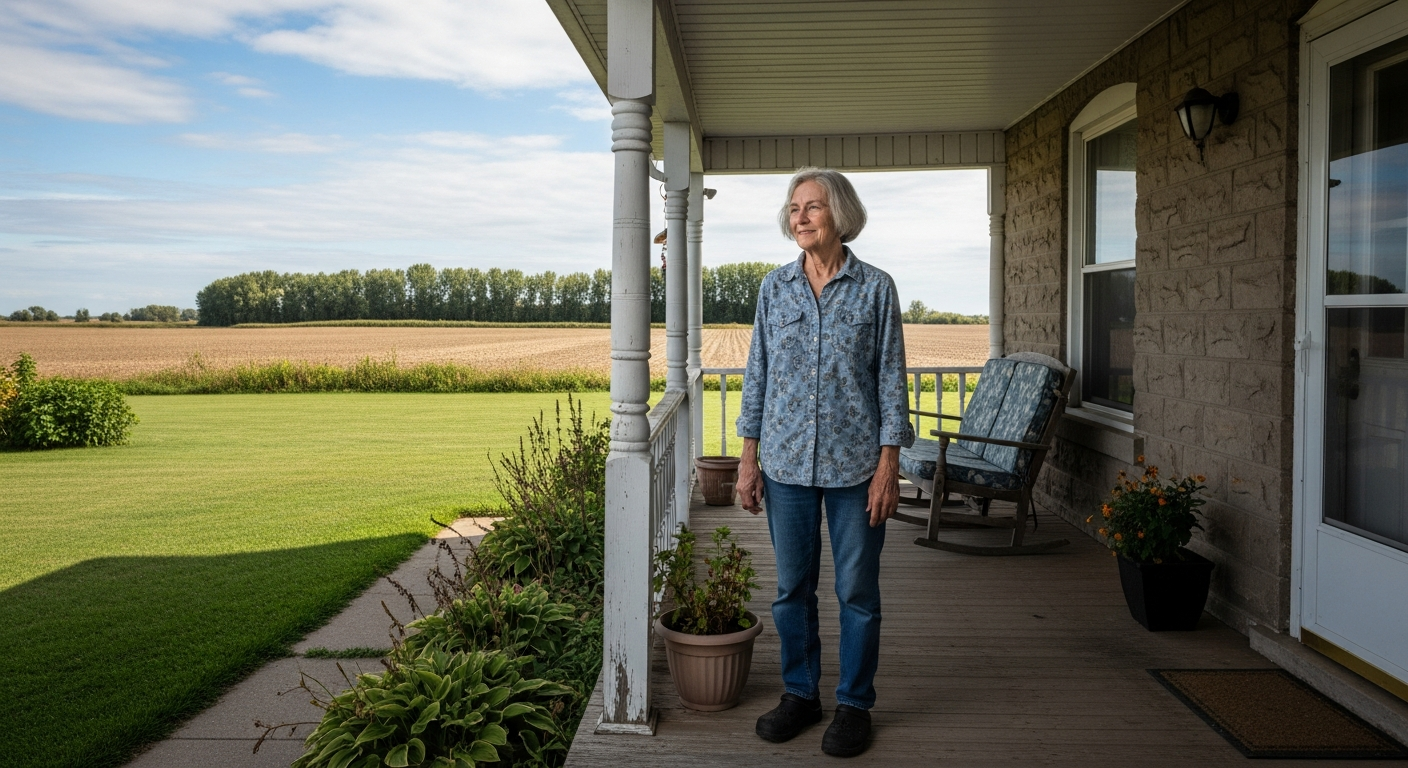
"I own a 12-acre property in northern Ontario with a farmhouse — can I get a reverse mortgage on it?" Rural and semi-rural properties across Ontario represent a significant portion of senior homeownership — but they also represent a less-straightforward reverse mortgage case. This guide explains exactly what rural Ontario homeowners need to know before applying.
This article is for educational purposes only and does not constitute financial advice.
The Core Challenge: Marketability and Lender Risk
Reverse mortgage lenders must be confident they can recover their loan through a property sale if repayment is triggered. For urban and suburban properties, this is straightforward: comparable sales exist, buyer pools are large, and values are predictable.
For rural properties, the picture is more complex:
- Smaller buyer markets for rural properties
- Greater variability in value (location, improvements, water/septic status)
- Longer typical time to sell in rural markets
- Potential environmental, access, or zoning concerns
Lenders manage this risk through stricter eligibility criteria and, in some cases, adjusted LTV ratios for rural properties.
According to the FCAC, reverse mortgage lenders assess property eligibility based on appraisal value, marketability, and the lender's ability to secure the loan with a property that can be sold at fair market value. Rural properties may require additional assessment.
What Makes a Rural Property Eligible
| Eligibility Factor | Eligible | Likely Not Eligible |
|---|---|---|
| Primary use | Residential — family home | Primarily farming/agricultural use |
| Acreage | Typically up to 4–10 acres (varies by lender) | Very large parcels (40+ acres) |
| Water supply | Municipal connection OR well with good quality assessment | Unknown water quality; contaminated well |
| Sewage | Municipal sewer OR working septic system in good condition | Failed or non-compliant septic system |
| Property type | Detached home or rural residence | Mobile/manufactured homes (some exceptions) |
| Location | Within 25–50 km of a service centre or small city | Extremely remote, no road access |
| Property condition | Habitable, insurable | Severely deteriorated |
| Year-round accessibility | Yes — accessible in all seasons | Seasonal access only |
Acreage Limits: The Key Variable
The most common rural eligibility question is about acreage. There is no single national rule — lenders set their own limits, and these are not always publicly stated. Approximate guidance:
| Lender | Approximate Acreage Limit | Notes |
|---|---|---|
| CHIP (HomeEquity Bank) | Generally up to 10 acres | Case-by-case above 5 acres; residential use must be primary |
| Equitable Bank | Generally up to 10 acres | Similar to CHIP; agricultural use may affect eligibility |
| Bloom Financial | Similar limits | Confirm at application |
| Home Trust | More conservative | May have lower acreage limits; urban-focused |
Properties that include a small garden, hobby farm, or woodlot on the same parcel as the home may qualify — the key is that the residential use is the primary use and the property is valued primarily as a residential asset (not an income-producing farm).
Properties that include active agricultural operations — working farms, greenhouses, commercial operations on the land — are typically not eligible for a residential reverse mortgage. The agricultural portion may require a separate commercial lending arrangement.
Well Water and Septic Systems
Properties on well water and septic systems are eligible — subject to the condition of each system.
Well water requirements:
- The well should be functional and providing potable water
- Water quality testing may be required (the lender or appraiser may request a recent water test)
- Properties with known well contamination may require remediation before approval
- Properties with no water supply (dry property) are not eligible
Septic system requirements:
- A functioning septic system in acceptable condition is required
- A recent septic inspection may be required if the system is older
- Failed septic systems (as noted by the municipality or assessor) typically must be repaired or replaced before approval
- Properties on holding tanks (without full septic) may not qualify
The appraisal report will note the water and septic situation. If any concerns are flagged, the lender may add conditions to the approval.
LTV Adjustments for Rural Properties
Even where rural properties qualify, lenders may apply a LTV haircut — reducing the percentage of appraised value they will lend against. This accounts for the greater uncertainty in rural property marketability.
| Property Type | Standard LTV (at age 70) | Potential Rural Adjustment | Adjusted LTV |
|---|---|---|---|
| Urban detached home | ~45% | None | ~45% |
| Suburban semi-detached | ~45% | None | ~45% |
| Rural property (<5 acres, good access) | ~45% | Small: −2–3% | ~42–43% |
| Rural property (5–10 acres, good condition) | ~45% | Moderate: −5% | ~40% |
| Remote property (30+ min from services) | ~45% | Significant: −10–15% | ~30–35% |
These are illustrative ranges — actual adjustments depend on the specific property and current lender guidelines.
What the Appraisal Process Looks Like for Rural Properties
Rural property appraisals are more detailed than urban appraisals because there are fewer directly comparable sales and more property-specific factors to assess:
| Appraisal Element | Urban (Standard) | Rural (Additional) |
|---|---|---|
| Comparable sales | 3–5 nearby comparable sales | May use wider geographic comparables |
| Site assessment | Building, exterior | + Well, septic, outbuildings, land quality, access |
| Market time analysis | Standard | Longer expected time-to-sell factored in |
| Report length | Standard | Often more detailed |
| Appraisal cost | $300–$500 | $400–$700+ (rural premium) |
| Scheduling | 3–7 days | 7–21 days (appraiser travel, rural access) |
Specific Scenarios: Rural Ontario Properties
Scenario 1: Retirement Farm — 8 Acres Near Perth, Ontario A 72-year-old couple owns a beautiful 8-acre property with a century farmhouse, large garden, and small woodlot. No active farming. Well water in good condition. Septic inspected recently. Appraised at $520,000.
- Eligible? Likely yes — residential use is primary, acreage within limits
- LTV adjustment? Minor — perhaps 3–5% below standard urban LTV
- Available amount: ~$218,000–$234,000 (at 42–45% LTV)
Scenario 2: Seasonal Cottage — Northern Ontario Lake A 68-year-old owns a waterfront cottage on Lake Muskoka that is only accessible seasonally.
- Eligible? No — seasonal access properties are not eligible (must be year-round accessible principal residence)
- Alternative: The cottage is likely not the principal residence; can the principal residence be used instead?
Scenario 3: Small Hobby Farm — 15 Acres, Kawartha Lakes A 70-year-old owns a 15-acre property with a home, small barn, and hobby chickens. Active hobby farming but not a commercial operation.
- Eligible? Case-by-case — 15 acres is above standard limits; depends on lender and how the property is valued
- LTV adjustment? Likely significant — the large parcel adds risk
- Recommendation: Apply through a broker who can present the specific situation to multiple lenders simultaneously
Scenario 4: Remote Property — Northwestern Ontario A 65-year-old owns a home 90 minutes from the nearest service centre, accessible only by unpaved road in summer and snowmobile in winter.
- Eligible? Likely not — extreme remoteness and seasonal-only road access create marketability concerns that most lenders cannot accept
- Alternative: Explore CHIP specifically, as it has broader geographic experience than newer lenders
Tips for Rural Ontario Homeowners
-
Resolve known property issues before applying: If your well has water quality issues or your septic needs inspection/repair, addressing these before application saves time and potential rejection.
-
Have your property appraised informally first: A pre-appraisal conversation with an accredited local appraiser can give you a realistic expectation of value and potential concerns before you submit a formal application.
-
Work with a broker who has rural experience: Not all reverse mortgage brokers are familiar with rural property eligibility criteria. Rick Sekhon Reverse Mortgages can present your property's specific characteristics to multiple lenders simultaneously.
-
Get your property's land use clearly documented: Documentation showing residential (not agricultural) primary use strengthens the application.
-
Start with CHIP: HomeEquity Bank has the longest history and broadest experience with non-standard Canadian properties, including rural and semi-rural.
FAQ
Is a reverse mortgage possible on an Ontario hobby farm? It depends on the size, the extent of farming activity, and the lender. Hobby farms — where the primary use is residential and the farming is incidental (no significant income produced) — have been approved by some lenders. Active commercial farms are generally not eligible for residential reverse mortgages. Present the specific details to a broker for an accurate assessment.
Can I get a reverse mortgage on a property with an existing tenant in a secondary suite? Yes — if you live in the main residence as your principal residence. A secondary suite that is legitimately rented out while you occupy the primary unit does not typically disqualify the property, though some lenders may require it to be counted differently in the appraisal.
What if my rural property has no mortgage now but needs significant repairs? Properties in poor condition may be approved with a holdback — where the lender advances a portion of the funds, retains a portion until specified repairs are completed, then advances the balance. This allows the lender to ensure the property meets minimum standards before fully exposing their loan.
Does the CHIP Reverse Mortgage cover rural Ontario properties that other lenders won't? CHIP has the widest geographic reach and longest experience with diverse property types in Canada. For rural properties that fall outside the standard eligibility criteria, CHIP is generally the first lender to approach. However, even CHIP has limits — extremely remote properties may not qualify with any lender.
How does acreage affect the appraised value used for the reverse mortgage? In most cases, large acreage is valued separately from the residential improvements on a rural property. The appraisal allocates value between the land, the residential structures, and any outbuildings. The lender typically applies the LTV against the full appraised value — but may exclude land value above a certain threshold from the LTV calculation.
Speak to a licensed mortgage professional. Independent legal advice is required before closing a reverse mortgage in Ontario.
Get your free Ontario Reverse Mortgage Guide →
This content is for illustrative purposes only. Rates may vary. Call Rick Sekhon for the best rates and more information.
Ready to Learn More?
Get the free Ontario Reverse Mortgage Guide and find out exactly how much you could unlock from your home.
Get My Free Guide →Related Articles
Reverse Mortgage Calculator Ontario: How Much Can You Borrow?
Discover how much you can borrow with a reverse mortgage in Ontario. Independent guide covering age tiers, home value, and the four key factors lenders use.
Read →Reverse Mortgage Eligibility in Ontario: Complete 2026 Guide
Everything Ontario homeowners need to know about qualifying for a reverse mortgage in 2026. Covers age requirements, home equity, property types, and the application process.
Read →CHIP vs Equitable Bank Reverse Mortgage in Ontario: 2026 Comparison
A detailed comparison of Canada's two main reverse mortgage lenders — HomeEquity Bank (CHIP) and Equitable Bank — for Ontario homeowners in 2026. Rates, fees, features, and which is right for you.
Read →