
Reverse Mortgage for Home Safety Assessment: Preventive Planning for Aging in Place
Fund professional home safety assessments with a reverse mortgage. Proactively identify aging-in-place needs before health crises force expensive emergency modifications.
Are you 60+ and wondering what modifications your home actually needs to keep you safe as you age? Most Ontario seniors don't invest in professional home safety assessments until after a fall or health crisis—by then, expensive emergency modifications become necessary. A reverse mortgage lets you fund a professional assessment NOW, before you need it, so you can age in place on YOUR timeline.
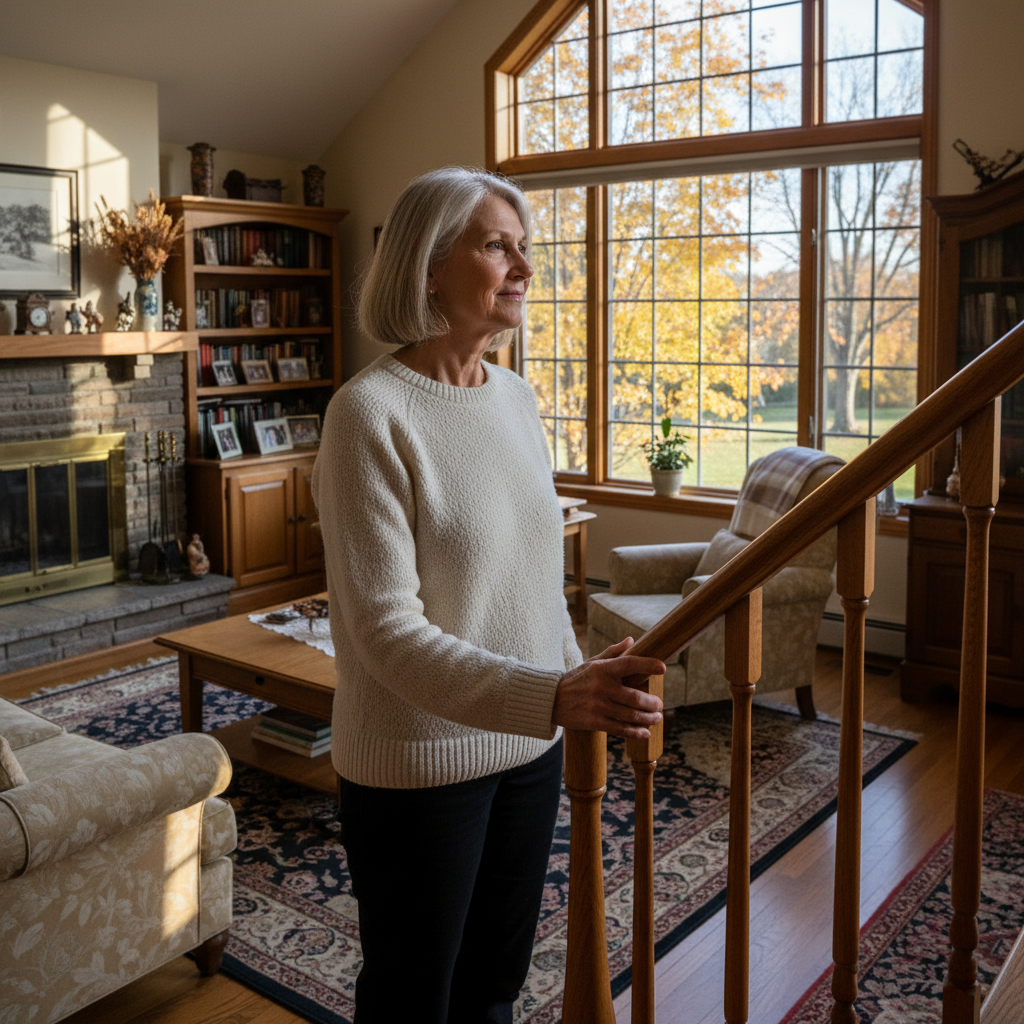
Why Professional Assessment Before Emergency Modifications
Many seniors DIY their home modifications based on guesswork. They install grab bars in wrong locations, miss critical stair hazards, or overlook lighting problems. A fall at 70 is far more serious than one at 40—a single fall can trigger long-term care moves, hospital stays, and loss of independence.
According to the Canadian Institute for Health Information, falls among seniors 65+ cost the Canadian healthcare system over $2 billion annually. Many falls are preventable with proper environmental assessment.
A professional occupational therapist or certified aging-in-place specialist can:
- Identify fall hazards before they cause injury
- Assess your mobility limitations (vision, balance, strength)
- Recommend modifications matched to YOUR specific needs
- Prioritize urgent vs. nice-to-have changes
- Cost: $500–$1,500 per assessment
This investment prevents $10,000+ in emergency modifications and hospital costs later.
What a Professional Home Safety Assessment Includes
| Assessment Area | What Gets Evaluated | Typical Cost |
|---|---|---|
| Entryways and doors | Doorway widths, landing safety, thresholds | Included |
| Stairs and ramps | Handrail placement, tread depth, lighting | Included |
| Bathrooms | Shower/tub hazards, toilet height, ventilation | Included |
| Lighting and visibility | Room brightness, contrast, glare | Included |
| Flooring and hazards | Rugs, clutter, slipping surfaces | Included |
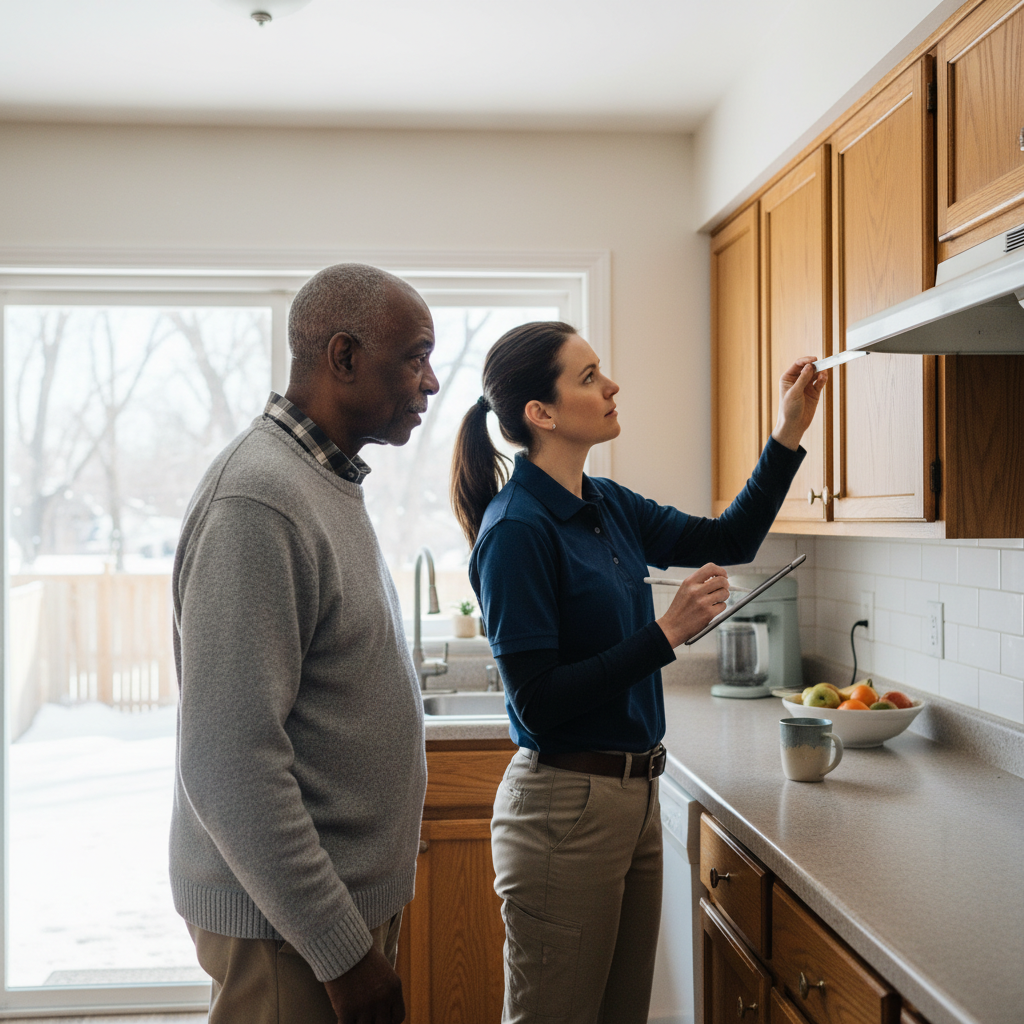
| Kitchen access | Counter heights, appliance reach, storage | Included |
| Bedroom safety | Bed height, flooring, lighting | Included |
| Full written report | Recommendations, priorities, costs | Included |
Assessment typically takes 1–2 hours. You receive a detailed report with photos, prioritized recommendations, and estimated modification costs.
The Proactive vs. Reactive Approach
Many Ontario seniors face this choice:
Reactive approach (wait until crisis):
- Fall occurs
- Emergency room visit ($2,000–$5,000)
- Rapid assessment under stress ($0—none)
- Expensive emergency modifications ($8,000–$15,000)
- Potential long-term care move ($3,000–$5,000/month)
- Total potential cost: $15,000–$40,000+
Proactive approach (assess now):
- Professional assessment ($500–$1,500)
- Plan modifications calmly
- Install modifications over time ($5,000–$10,000)
- Prevent fall, maintain independence
- Stay home longer
- Total cost: $5,500–$11,500
A reverse mortgage funds the proactive approach—saving you money and protecting your independence.
Using a Reverse Mortgage for Home Safety Planning
Step 1: Contact a certified aging-in-place specialist
Search for "Occupational Therapist," "Certified Aging in Place Specialist," or "Home Safety Assessor" in Ontario. Many are listed through provincial rehabilitation associations.
Step 2: Request a full written assessment
Clarify what will be evaluated and what the final report will include. Ask for cost estimates on recommended modifications.
Step 3: Apply for a reverse mortgage
Work with Rick Sekhon Reverse Mortgages to determine your borrowing power. You'll use funds for both the assessment and subsequent modifications.
Step 4: Review recommendations and prioritize
With your assessment in hand, you can prioritize modifications by urgency and budget. A professional report gives your contractors clear specifications.
Step 5: Complete modifications over time
You don't need to do everything at once. Reverse mortgage access lets you modify your home gradually, addressing highest-priority safety issues first.
Key Takeaways on Home Safety Assessment Funding
| Situation | Why Assessment Matters |
|---|---|
| Age 65+ with mobility challenges | Identifies specific fall risks unique to you |
| Recent health diagnosis (arthritis, vision loss) | Assesses home barriers created by new condition |
| Family concerned about safety | Professional assessment removes guesswork |
| Planning to age in place indefinitely | Documents current home's gaps long-term |
| Want to renovate but unsure how | Assessment guides renovation priorities |
Frequently Asked Questions
Does my insurance cover home safety assessments?
Usually no. Standard home insurance covers damage, not preventive assessments. However, some disability insurance plans do cover them. Check your policy or ask your insurance broker.
Can my doctor refer me for a home assessment?
Yes. Many Ontario family doctors can refer you to occupational therapists covered partially by provincial health plans. However, wait times are often 3–6 months. A reverse mortgage lets you pay privately for faster assessment if needed urgently.
How long is an assessment report valid?
Typically 3–5 years. Health changes, new diagnoses, or accidents may require updated assessments. Keep old reports for comparison.
Will assessment recommendations increase my home insurance premiums?
No. In fact, completing recommended safety modifications may LOWER premiums. Insurance companies reward homes with reduced fall and injury risk.
What if I disagree with the assessment recommendations?
You don't have to implement everything. The report is advisory. However, the professional recommendations are based on safety best practices—discuss concerns with the assessor before dismissing them.
Can I fund an assessment and modifications with a reverse mortgage?
Yes. Both the assessment cost and subsequent modification costs can be funded from your reverse mortgage. Many borrowers do the assessment first, then fund modifications in phases.
Protect Your Independence Through Proactive Planning
A professional home safety assessment is the foundation of aging in place. It transforms guesswork into a strategic plan—and a reverse mortgage makes that plan affordable and accessible.
Ready to fund your home safety assessment? Speak with Rick Sekhon Reverse Mortgages about accessing your equity for this critical preventive investment.
Learn more about aging in place modifications: Fund Home Modifications to Age in Place: Ontario Guide →
Explore the complete aging-in-place strategy: Aging in Place with a Reverse Mortgage: Home Modification Guide →
Ready to Learn More?
Get the free Ontario Reverse Mortgage Guide and find out exactly how much you could unlock from your home.
Get My Free Guide →Related Articles
Reverse Mortgage and Home Maintenance Planning: Stay Ahead of Major Repairs
Ontario seniors can use reverse mortgage funds for proactive home maintenance planning. Learn how to budget for repairs, prevent costly emergencies, and keep your home safe while aging in place.
Read →Reverse Mortgage for Accessibility Professional Assessment
Fund home accessibility evaluations and professional assessments before renovations. Ontario guide for seniors planning aging-in-place modifications.
Read →Aging in Place with a Reverse Mortgage: Home Modification Guide
How Ontario seniors can fund aging-in-place home modifications with a reverse mortgage — costs, top modifications, grants, and a complete planning guide.
Read →