
Aging in Place with a Reverse Mortgage: Home Modification Guide
How Ontario seniors can fund aging-in-place home modifications with a reverse mortgage — costs, top modifications, grants, and a complete planning guide.
Can you afford to stay in your home as you age — and more importantly, is your home safe enough to age in? For most Ontario seniors, the answer to the first question is "I think so" and the answer to the second is "I'm not sure." The reality is that most Canadian homes were not designed for aging. Stairs, narrow doorways, bathtubs with high walls, poor lighting, and slippery floors create daily risks that increase with every passing year. A reverse mortgage can fund the modifications that make your home safe, comfortable, and livable for decades to come — with no monthly payments and no impact on your OAS, GIS, or CPP benefits.
This article is for educational purposes only and does not constitute financial advice.
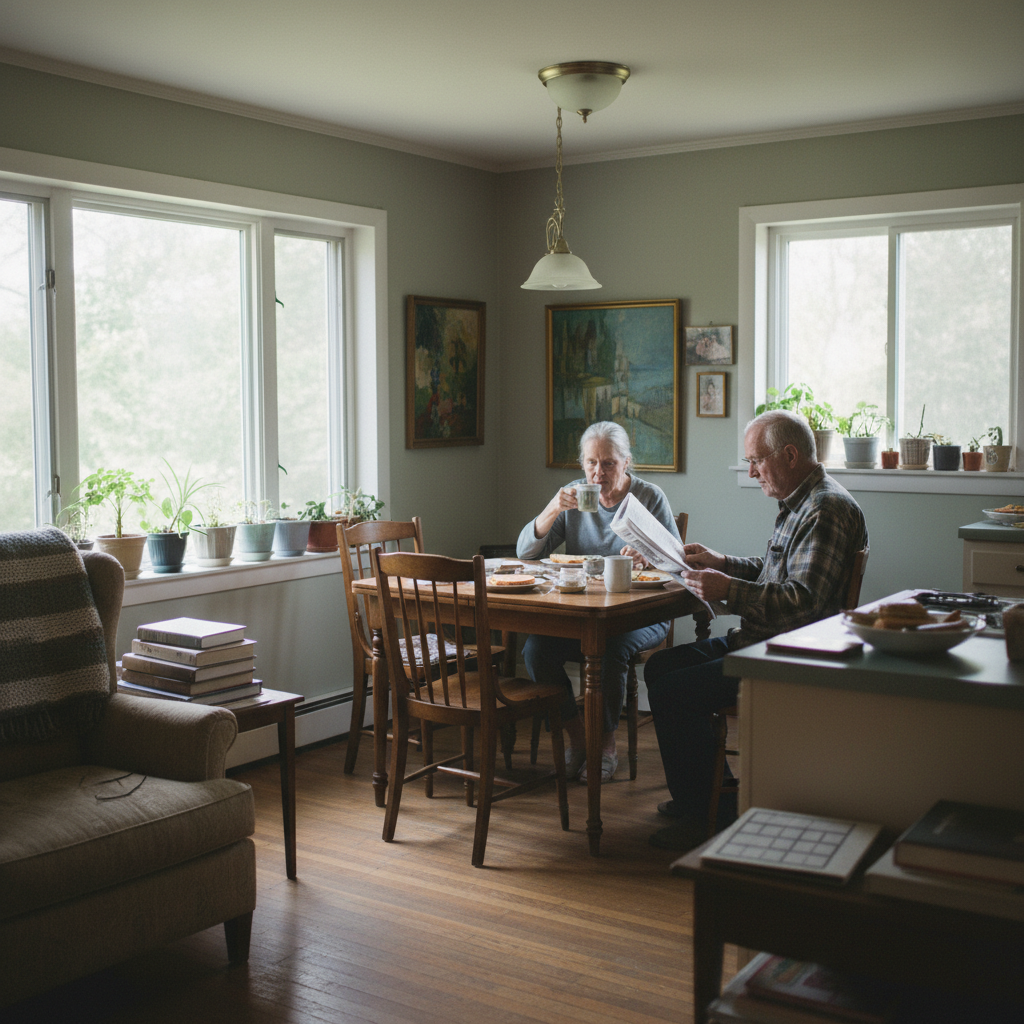
Why Home Modifications Matter for Ontario Seniors
Falls are the leading cause of injury-related hospitalizations for Canadians aged 65 and older. Most of these falls happen at home — and many are preventable with straightforward modifications.
According to the Public Health Agency of Canada, falls account for 85% of injury-related hospitalizations among seniors, and more than half of these falls occur in the home. The estimated annual cost of fall-related injuries among Canadian seniors exceeds $2 billion.
The math is clear: investing $15,000–$50,000 in home modifications is dramatically less expensive — and less traumatic — than a hip fracture ($40,000+ in healthcare costs), a move to assisted living ($3,000–$7,000/month), or a premature sale of the family home.
| Scenario | Estimated Cost |
|---|---|
| Comprehensive home modifications (bathroom, stairlift, grab bars, lighting) | $25,000–$60,000 (one-time) |
| Hip fracture recovery (hospital, rehab, home care) | $40,000–$75,000 |
| Assisted living in Ontario (per year) | $36,000–$84,000 |
| Long-term care home (per year, basic accommodation) | $22,000–$28,000 |
| Selling and moving to a condo or retirement home | $50,000–$100,000+ (transaction costs, moving, adjustment) |
Aging in place is almost always the most affordable and most preferred option — but it requires that the home be safe.
Top Home Modifications and Their Costs
Here is a detailed breakdown of the most impactful aging-in-place modifications for Ontario homes, ranked by priority and cost.
Bathroom Modifications (Highest Priority)
The bathroom is the most dangerous room in the house for seniors. Wet surfaces, confined spaces, and the need to step over bathtub walls create the highest fall risk.
| Modification | Cost Range | Impact |
|---|---|---|
| Grab bars (toilet, shower, tub) | $200–$500 per bar (installed) | Reduces fall risk by up to 40% |
| Non-slip flooring | $500–$2,000 | Eliminates slippery tile hazard |
| Comfort-height toilet | $300–$800 (installed) | Reduces strain on knees and hips |
| Walk-in tub | $3,000–$8,000 | Eliminates the need to step over tub wall |
| Walk-in/roll-in shower conversion | $4,000–$12,000 | Zero-threshold entry for mobility aids |
| Handheld showerhead | $100–$300 | Allows seated bathing |
| Full accessible bathroom renovation | $15,000–$25,000 | Complete transformation for safety |
A full accessible bathroom renovation is the single most impactful modification for aging in place. It typically includes a walk-in shower with bench, grab bars throughout, non-slip flooring, a comfort-height toilet, accessible vanity, and adequate lighting.
Mobility and Stair Modifications
Stairs are the second-highest fall risk area. If your home has multiple levels, addressing vertical mobility is essential.
| Modification | Cost Range | Impact |
|---|---|---|
| Stairlift (straight staircase) | $3,000–$6,000 | Eliminates stair climbing |
| Stairlift (curved staircase) | $8,000–$15,000 | Custom-fitted for non-straight stairs |
| Vertical platform lift (porch/entrance) | $5,000–$12,000 | Wheelchair-accessible entry |
| Wheelchair ramp (exterior) | $1,000–$3,000 | Eliminates steps at entrance |
| Wider doorways (per door) | $500–$1,500 | Allows wheelchair or walker passage |
| Main-floor bedroom conversion | $5,000–$15,000 | Eliminates need for stairs entirely |
| Threshold removal/reduction | $100–$500 per threshold | Removes trip hazards |
Rick Sekhon notes that stairlifts are one of the most commonly funded modifications through reverse mortgages in Ontario. A straight stairlift at $3,000–$6,000 can extend a senior's ability to live in a two-storey home by many years.
Kitchen Modifications
The kitchen is where many seniors spend significant time, and accessibility modifications can make cooking and meal preparation safer and more manageable.
| Modification | Cost Range | Impact |
|---|---|---|
| Lever-style faucet and handles | $200–$500 | Easier to operate with arthritis |
| Pull-out shelving in lower cabinets | $200–$600 per cabinet | Reduces reaching and bending |
| Lowered countertop sections | $1,000–$3,000 | Allows seated food preparation |
| Smart stove shut-off device | $200–$500 | Prevents kitchen fires |
| Improved task lighting (under-cabinet LED) | $300–$1,000 | Reduces eye strain and accidents |
| D-handle cabinet hardware | $5–$15 per handle | Easier grip for arthritic hands |
Lighting and Safety Upgrades
Poor lighting is a major fall risk factor that is relatively inexpensive to address.
| Modification | Cost Range | Impact |
|---|---|---|
| Motion-sensor lighting (hallways, stairs, bathroom) | $50–$200 per fixture | Automatic illumination prevents dark-area falls |
| Night lights (plug-in, throughout home) | $10–$30 each | Low-cost, high-impact safety measure |
| Improved exterior lighting | $200–$1,000 | Safer entry and exit |
| Smart home lighting controls (voice-activated) | $200–$800 | Eliminates need to reach for switches |
| Rocker-style light switches | $10–$30 per switch | Easier to operate than toggle switches |
Smart Home Technology
Modern smart home technology offers significant safety and convenience benefits for aging in place:
- Video doorbell systems ($150–$400) — see who is at the door without getting up
- Smart locks with keypad ($200–$500) — no fumbling with keys
- Medical alert systems ($30–$60/month) — emergency help at the push of a button
- Voice assistants (Amazon Echo, Google Home; $50–$200) — hands-free control of lights, thermostat, reminders
- Smart thermostat ($200–$400) — maintains safe temperature automatically
How a Reverse Mortgage Funds These Modifications
A reverse mortgage is uniquely suited to funding aging-in-place modifications because:
- ✓ No monthly payments — you do not take on a new monthly obligation on a fixed income
- ✓ Lump sum or scheduled advances — receive the full renovation amount upfront, or draw funds as needed
- ✓ Tax-free proceeds — the funds are not taxable income and do not affect your OAS, GIS, or CPP benefits
- ✓ No income qualification — approval is based on your age and home value, not your retirement income
- ✓ You stay in your home — no need to sell, downsize, or move
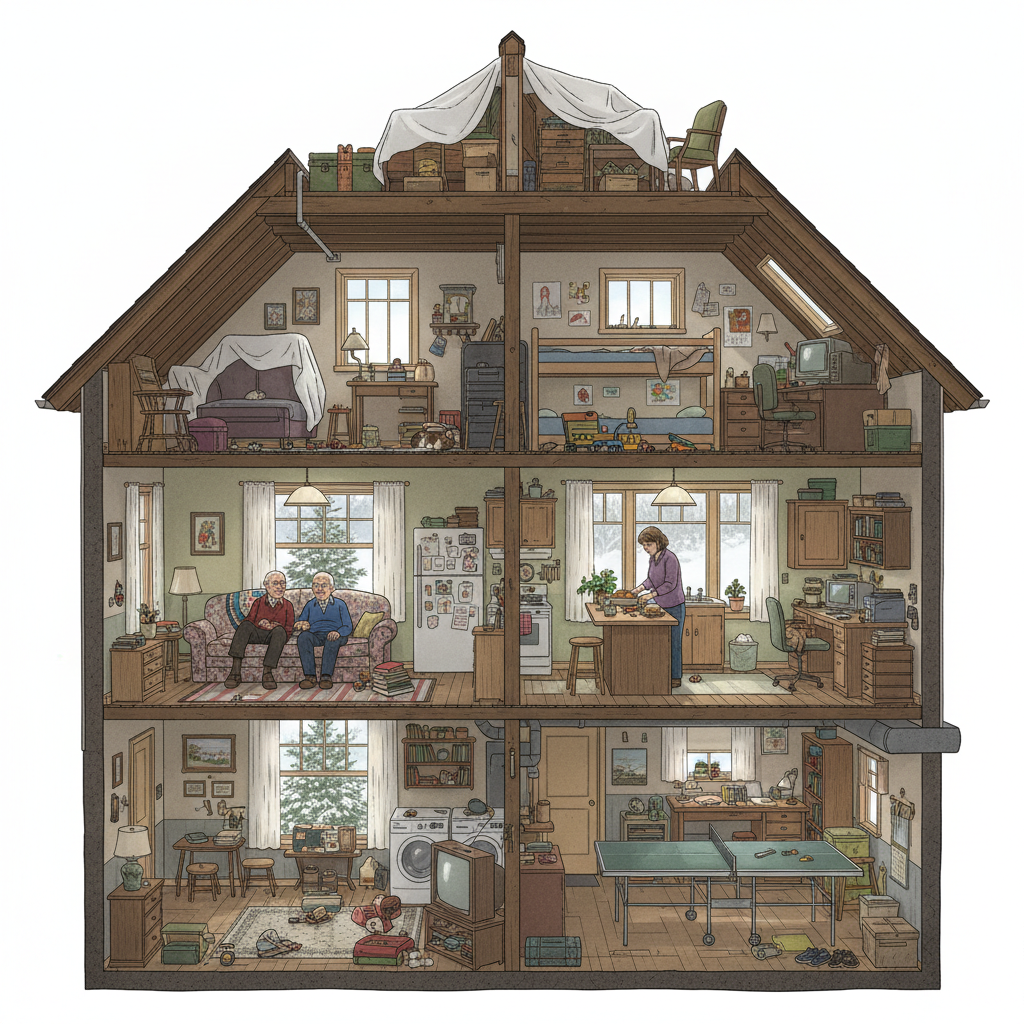
Sample Modification Budget Funded by Reverse Mortgage
| Modification | Cost |
|---|---|
| Full accessible bathroom renovation | $20,000 |
| Straight stairlift | $5,000 |
| Grab bars (6 locations) | $2,400 |
| Wheelchair ramp (front entrance) | $2,000 |
| Motion-sensor lighting (8 fixtures) | $1,000 |
| Smart home setup (doorbell, locks, thermostat) | $1,000 |
| Kitchen pull-out shelving (4 cabinets) | $1,600 |
| Total modification cost | $33,000 |
For a homeowner aged 70 with a home valued at $600,000, a reverse mortgage of $33,000 represents a modest draw against available equity. Through CHIP (HomeEquity Bank), Equitable Bank, Bloom Financial, or Home Trust, this amount can be advanced as a lump sum to fund the renovations immediately.
The cost of the modifications is far less than the cost of selling the home, and the reverse mortgage allows the homeowner to stay in place without any new monthly financial burden.
According to CMHC (Canada Mortgage and Housing Corporation), aging in place is the preferred housing option for the vast majority of Canadian seniors, and home modifications are a key enabler of this goal. CMHC's research emphasizes that accessible housing design reduces fall risk, delays or prevents the need for institutional care, and improves quality of life.
Combining a Reverse Mortgage with Ontario Government Programs
Before using reverse mortgage funds, explore government grants and tax credits that can offset part of the cost. Every dollar of government assistance reduces the amount you need to borrow.
Ontario Healthy Homes Renovation Tax Credit (Historical)
Ontario previously offered the Healthy Homes Renovation Tax Credit, which provided a 15% tax credit on up to $10,000 in eligible accessibility renovation expenses for seniors 65+. While this specific program has ended, it illustrates the type of tax support that has been available — and new programs may be introduced. Check with the CRA and the Ontario government for current programs.
Canada Home Accessibility Tax Credit (Federal)
The Home Accessibility Tax Credit (HATC) is a federal non-refundable tax credit available to qualifying individuals (including those 65+ or eligible for the disability tax credit). Key details:
| Feature | Detail |
|---|---|
| Maximum eligible expenses | $20,000 per year |
| Credit rate | 15% |
| Maximum annual tax credit | $3,000 |
| Eligible expenses | Grab bars, ramps, walk-in tubs, wider doorways, wheelchair-accessible modifications |
| Who qualifies | Individuals 65+ or those eligible for the Disability Tax Credit |
This means that a $20,000 bathroom renovation could generate a $3,000 federal tax credit — effectively reducing the net cost to $17,000.
Other Programs to Explore
| Program | What It Offers |
|---|---|
| Home Accessibility Tax Credit (Federal, CRA) | 15% credit on up to $20K in accessibility expenses |
| Ontario Disability Support Program (ODSP) | May cover some home modifications for eligible individuals |
| Veterans Affairs Canada | Home modification funding for qualifying veterans |
| March of Dimes Canada | Home and Vehicle Modification Program |
| Local municipal programs | Some Ontario municipalities offer grants for senior home modifications |
Rick Sekhon recommends applying for all applicable grants and tax credits first, then using a reverse mortgage to fund the remaining balance. This approach minimizes the total reverse mortgage draw and preserves more equity for the future.
Planning Your Modification Project
Step 1: Home Safety Assessment
Before deciding on modifications, arrange a professional home safety assessment. Many Ontario Community Care Access Centres (now part of Ontario Health Teams) offer occupational therapy home assessments that identify specific risks and recommend modifications.
An occupational therapist will assess:
- Fall risk areas (bathroom, stairs, kitchen, entrances)
- Mobility patterns and current limitations
- Lighting and visibility
- Emergency exit routes
- Current assistive devices and whether they are adequate
Step 2: Prioritize Modifications
Not everything needs to be done at once. Prioritize based on current risk and immediate need:
- Immediate safety (grab bars, non-slip flooring, lighting) — do first
- Mobility barriers (stairlift, ramp, wider doorways) — do if current mobility is compromised or declining
- Bathroom renovation (walk-in shower, accessible bathroom) — do as soon as financially feasible
- Comfort and convenience (smart home, kitchen upgrades) — do as budget allows
Step 3: Get Multiple Quotes
For any modification over $1,000, obtain at least three quotes from contractors experienced in accessibility renovations. Look for:
- ✓ Experience with aging-in-place modifications specifically
- ✓ Positive references from other senior clients
- ✓ Proper licensing and insurance (verify with your municipality)
- ✓ Written, itemized quotes with clear timelines
- ✗ Avoid contractors who pressure you for immediate decisions or large upfront deposits
Step 4: Arrange Reverse Mortgage Funding
Contact Rick Sekhon to discuss your modification budget and determine how much reverse mortgage funding you need. The process from application to funding typically takes 3–4 weeks. You can begin contractor planning while the reverse mortgage is being processed.
FSRAO-licensed mortgage brokers like Rick Sekhon can compare products from all major reverse mortgage lenders — CHIP, Equitable Bank, Bloom Financial, and Home Trust — to find the best rate and terms for your situation.
Step 5: Complete Modifications and Claim Tax Credits
After the work is completed:
- ✓ Keep all receipts and invoices — you will need them for tax credit claims
- ✓ Take before and after photos for your records
- ✓ Claim the Home Accessibility Tax Credit on your next CRA tax return
- ✓ Notify your home insurance company of any significant modifications (this may actually reduce your premium)
The Long-Term Financial Case for Aging in Place
The financial case for using a reverse mortgage to fund home modifications — rather than eventually moving to assisted living or a retirement home — is compelling:
| Option | 10-Year Cost |
|---|---|
| Aging in place with $40,000 in modifications (funded by reverse mortgage at 7%) | ~$79,000 (balance after 10 years of compounding) |
| Assisted living ($4,500/month average in Ontario) | ~$540,000 |
| Retirement home ($3,500/month average) | ~$420,000 |
| Selling home and renting ($2,200/month average) | ~$264,000 + loss of home equity growth |
Even accounting for the compounding interest on a reverse mortgage, aging in place with modifications is dramatically less expensive than any alternative — and it allows you to remain in the home and community you know and love.
OSFI (Office of the Superintendent of Financial Institutions) guidelines ensure that reverse mortgage lenders like HomeEquity Bank and Equitable Bank maintain responsible lending standards, so borrowers are protected even as balances grow over time.
FAQ
Can I use a reverse mortgage to fund any type of home renovation, or only accessibility modifications? You can use reverse mortgage funds for any purpose — there are no restrictions on how you spend the money. Accessibility modifications, kitchen renovations, roof repairs, landscaping, and any other home improvement are all eligible. However, accessibility modifications may also qualify for the federal Home Accessibility Tax Credit, giving you an additional financial benefit.
How much can I borrow through a reverse mortgage for home modifications? The amount depends on your age and home value. Generally, borrowers can access up to 55% of their home's appraised value through CHIP (HomeEquity Bank) or up to 59% through Equitable Bank. For a $600,000 home owned by a 70-year-old, this could mean $200,000–$300,000+ in available funds — far more than most modification projects require.
Will home modifications increase my property value? Some modifications (bathroom renovations, kitchen upgrades, stairlifts) can increase or maintain your home's market value. Others (grab bars, non-slip flooring) have minimal impact on resale value but significant impact on your safety and quality of life. The primary goal of aging-in-place modifications is safety, not property value — but many modifications do both.
Do I need to get the lender's permission before renovating? No. Once the reverse mortgage funds are in your account, you can use them as you see fit. You do not need to notify or obtain approval from the lender for renovations. However, you must maintain the property in reasonable condition as a requirement of your reverse mortgage agreement.
Can I combine a reverse mortgage with government grants for modifications? Absolutely — and this is the recommended approach. Apply for all applicable grants and tax credits first (such as the Home Accessibility Tax Credit), then use the reverse mortgage to fund the remaining balance. This minimizes your total borrowing and preserves more equity.
What if I need additional modifications in a few years? If you initially borrow less than your maximum eligible amount, you may be able to access additional funds later through a top-up or re-advance from the lender. Alternatively, you can plan your initial reverse mortgage draw to include a buffer for future modifications. Discuss your long-term modification plan with Rick Sekhon to ensure your initial draw accounts for both immediate and anticipated future needs.
Speak to a licensed mortgage professional. Independent legal advice is required before closing a reverse mortgage in Ontario.
Get your free Ontario Reverse Mortgage Guide →
This content is for illustrative purposes only. Rates may vary. Call Rick Sekhon for the best rates and more information.
Ready to Learn More?
Get the free Ontario Reverse Mortgage Guide and find out exactly how much you could unlock from your home.
Get My Free Guide →Related Articles
Reverse Mortgage for Healthcare Costs: Aging in Place in Ontario
How Ontario seniors use a reverse mortgage to fund home care, medical equipment, prescriptions, and healthcare expenses — and stay in their home longer.
Read →Reverse Mortgage Eligibility in Ontario: Complete 2026 Guide
Everything Ontario homeowners need to know about qualifying for a reverse mortgage in 2026. Covers age requirements, home equity, property types, and the application process.
Read →Reverse Mortgage for Workplace Injury Recovery: Supporting Adult Child's Career Transition
Help your adult child rebuild their career after workplace injury. Learn how reverse mortgages fund recovery, retraining, and financial stability during career transition.
Read →