
Reverse Mortgage for Multi-Generational Homes Ontario
How Ontario homeowners 55+ can use a reverse mortgage to fund basement suites, in-law suites, and ADUs for multi-generational living — with no monthly payments.
"My daughter's family can't afford a home in this market, and I'm rattling around in a four-bedroom house alone — why can't we just live together?" If you're an Ontario homeowner 55+ asking this question, you're not alone. Multi-generational living is surging across the province, driven by housing affordability, caregiving needs, and cultural preferences. The challenge is funding the renovation to make it work — a separate basement suite, laneway house, or in-law addition typically costs $80,000–$150,000. A reverse mortgage can unlock that capital from your home equity, tax-free, with no monthly payments required.
This article is for educational purposes only and does not constitute financial advice.
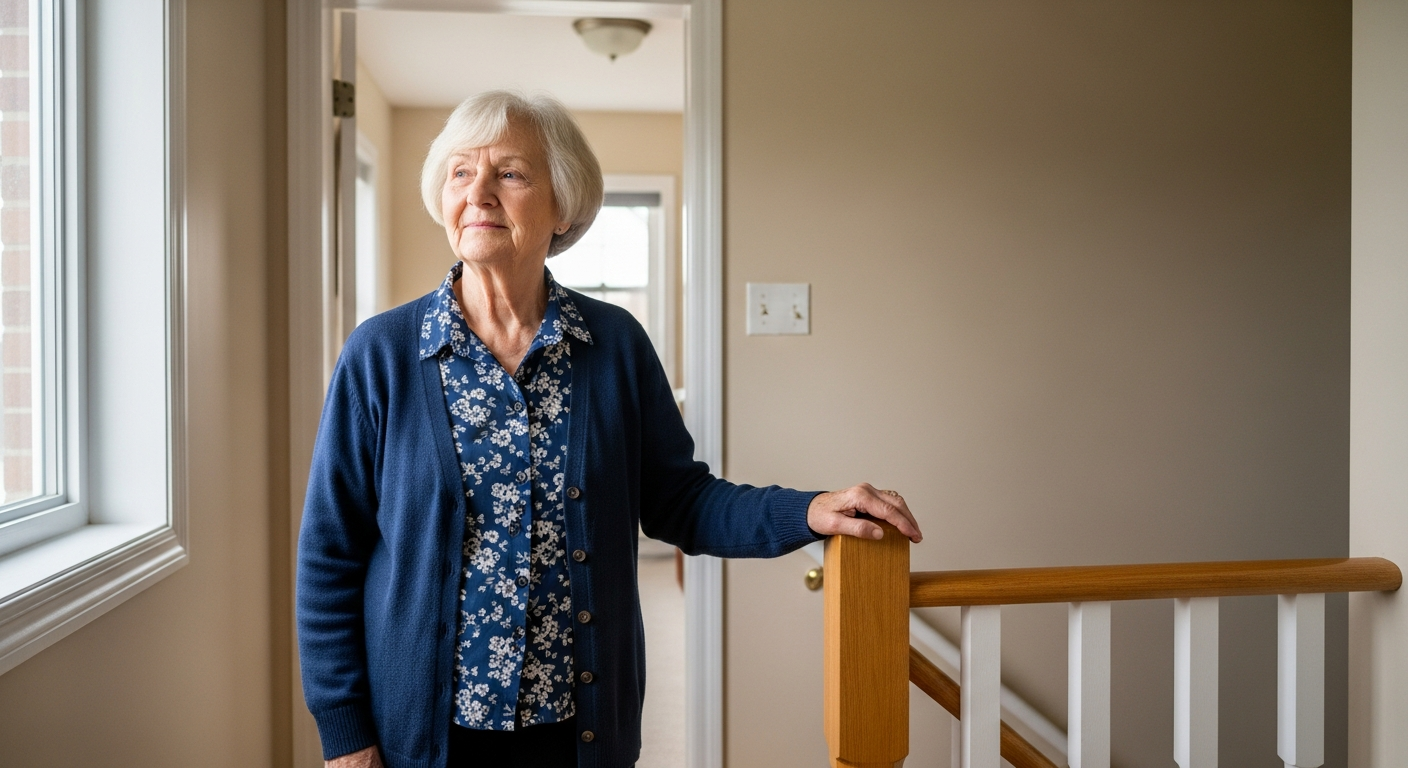
Why Multi-Generational Living Is Growing in Ontario
Multi-generational households — where two or more adult generations share a home — have been rising steadily across Ontario. Several forces are driving this trend:
- Housing affordability crisis — the average Ontario home price exceeded $850,000 in early 2026, pricing out many younger families entirely
- Childcare costs — Ontario families pay $1,000–$1,800/month per child for daycare; grandparents under the same roof provide a natural solution
- Aging-in-place needs — adult children living nearby or in-home can provide informal caregiving, delaying or eliminating the need for long-term care
- Cultural preferences — many South Asian, East Asian, Middle Eastern, and Southern European families in Ontario have long traditions of multi-generational households
- Financial efficiency — sharing property taxes, utilities, insurance, and maintenance reduces costs for everyone
According to Statistics Canada, multi-generational households grew by 45% between 2001 and 2021, making them the fastest-growing household type in the country. Ontario leads all provinces in absolute numbers, with over 400,000 multi-generational households as of the 2021 census.
The problem is not desire — it's funding. Most Ontario seniors have their wealth locked in home equity, with limited liquid savings to fund a $100,000+ renovation. A reverse mortgage bridges that gap.
Types of Multi-Generational Conversions and Their Costs
Basement Suite (Secondary Suite)
The most common and typically most affordable option for Ontario homes with existing basements:
| Component | Estimated Cost |
|---|---|
| Separate entrance (exterior) | $5,000 – $15,000 |
| Kitchen installation | $10,000 – $25,000 |
| Bathroom (full) | $8,000 – $20,000 |
| Bedroom(s) — egress windows required | $3,000 – $8,000 per window |
| Electrical panel upgrade and separate circuits | $3,000 – $8,000 |
| Plumbing (new lines for kitchen/bath) | $5,000 – $15,000 |
| Flooring, drywall, insulation | $10,000 – $25,000 |
| Fire separation (code requirement) | $5,000 – $12,000 |
| Permit fees | $1,000 – $3,000 |
| Total Typical Range | $50,000 – $130,000 |
In-Law Suite Addition (Ground-Level)
A ground-level addition built onto the existing home, often ideal for aging parents who cannot manage stairs:
| Component | Estimated Cost |
|---|---|
| Foundation and structure (400–600 sq ft) | $40,000 – $80,000 |
| Kitchen and bathroom | $20,000 – $40,000 |
| HVAC extension or mini-split | $5,000 – $12,000 |
| Electrical and plumbing | $8,000 – $15,000 |
| Interior finishes | $10,000 – $25,000 |
| Accessibility features (wider doors, grab bars, zero-threshold) | $3,000 – $10,000 |
| Permit and architectural fees | $5,000 – $15,000 |
| Total Typical Range | $90,000 – $200,000 |
Laneway House / Garden Suite (ADU)
A completely separate detached dwelling on the same property:
| Component | Estimated Cost |
|---|---|
| Design and permits | $10,000 – $25,000 |
| Foundation | $15,000 – $30,000 |
| Construction (500–800 sq ft) | $150,000 – $300,000 |
| Servicing (water, sewer, electrical connections) | $15,000 – $40,000 |
| Landscaping and driveway modifications | $5,000 – $15,000 |
| Total Typical Range | $200,000 – $400,000+ |
Laneway houses and garden suites are the most expensive option, but they offer complete privacy and independence for both generations.
Ontario Zoning and Additional Dwelling Units (ADUs)
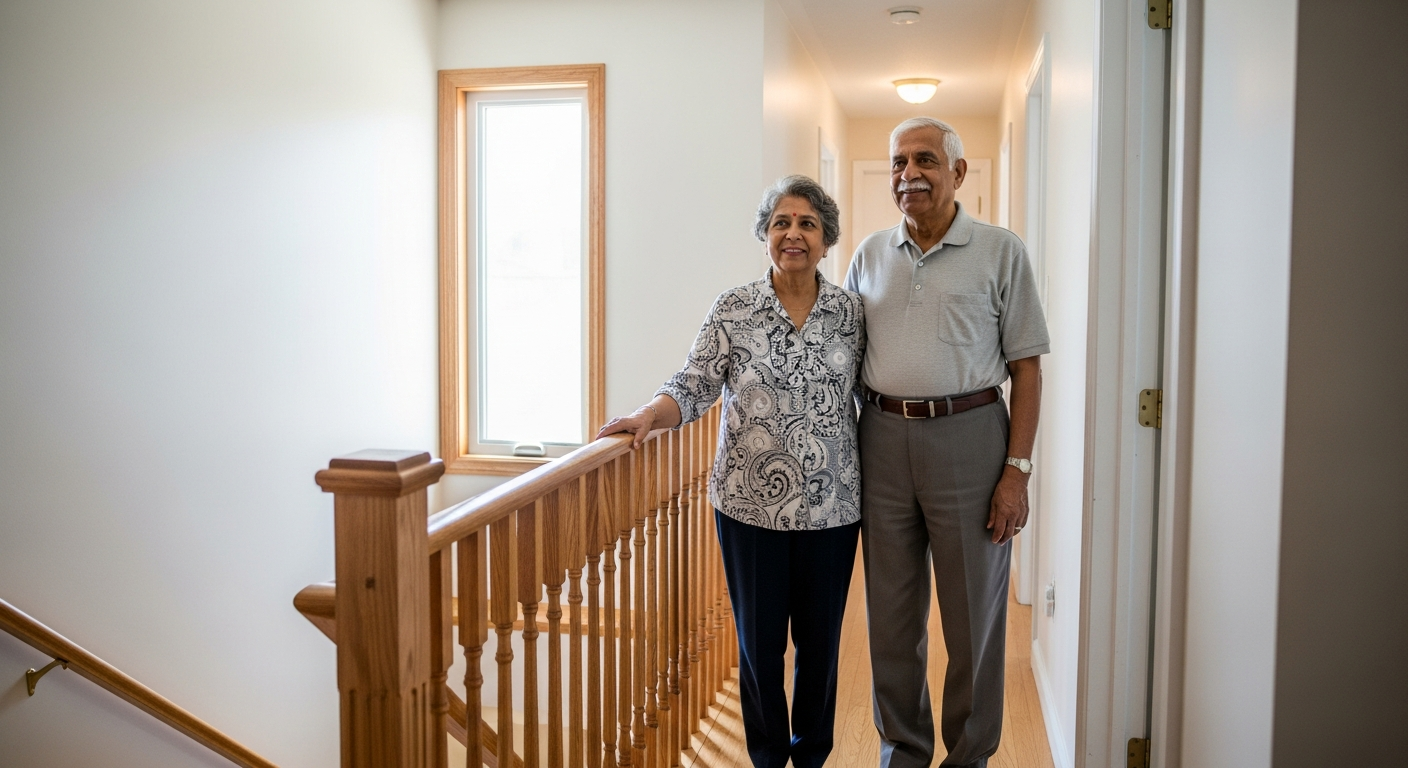
Ontario's planning landscape has shifted dramatically in favour of multi-generational housing. Understanding the zoning rules is critical before committing to a renovation.
Provincial Rules (As of 2024–2026)
The Ontario government passed Bill 23 (More Homes Built Faster Act) which requires municipalities to permit up to three residential units on most residential lots — the existing home, plus two additional units (for example, a basement suite and a garden suite). Key provisions:
- ✓ No minimum lot size for additional units in most zones
- ✓ Municipalities cannot require additional parking for secondary suites
- ✓ Development charges for second and third units have been reduced or eliminated in many municipalities
- ✓ No requirement that the homeowner live in one of the units (though some conditions apply)
Municipal Variations
Despite provincial rules, municipalities retain control over building code compliance, setbacks, and some design standards:
| Municipality | Basement Suite | Garden Suite / Laneway | Key Requirements |
|---|---|---|---|
| Toronto | ✓ Permitted | ✓ Permitted (laneway & garden) | Must meet Ontario Building Code; fire separation required |
| Ottawa | ✓ Permitted | ✓ Permitted | Maximum 40% lot coverage for garden suite |
| Mississauga | ✓ Permitted | ✓ Permitted (recent) | Minimum 3.5m rear yard setback for garden suite |
| Hamilton | ✓ Permitted | ✓ Permitted | Heritage district restrictions may apply |
| London | ✓ Permitted | ✓ Permitted | Site plan approval required for garden suites |
| Barrie | ✓ Permitted | ✓ In process | Some rural zones excluded |
According to the Ontario Ministry of Municipal Affairs and Housing, Bill 23 is expected to facilitate up to 50,000 additional dwelling units annually across the province, significantly expanding the multi-generational housing stock.
Building Code Requirements for Secondary Suites
Every secondary suite in Ontario must comply with the Ontario Building Code (OBC). Key requirements include:
- Separate entrance (can be interior or exterior)
- Minimum ceiling height of 1.95m (6'5")
- Egress windows in every bedroom (minimum 0.35 m² opening area)
- Fire separation between units (minimum 30-minute fire rating)
- Interconnected smoke and carbon monoxide alarms
- Kitchen with cooking facilities and ventilation
- Full bathroom
- Adequate natural light
Funding with a Reverse Mortgage: How It Works
A reverse mortgage allows Ontario homeowners 55+ to access up to 55% of their home's appraised value, tax-free, with no monthly payments. The loan is repaid only when the homeowner sells, moves out, or passes away.
For multi-generational conversions, the reverse mortgage is particularly well-suited because:
- ✓ No income verification — retirees on fixed income qualify based on home equity
- ✓ Tax-free proceeds — renovation funds don't affect OAS, GIS, or CPP
- ✓ No monthly payments — critical for seniors on fixed income who can't take on a HELOC payment
- ✓ The renovation itself increases home value — partially offsetting the borrowed amount
- ✓ Flexible disbursement — take a lump sum for the full project, or staged draws as construction progresses
Worked Example: Basement Suite Conversion in Oakville
David, 72, owns a home in Oakville valued at $1,100,000 with no existing mortgage. His daughter Sarah, 38, her husband, and their two young children are paying $3,200/month in rent for a two-bedroom apartment in Burlington.
| Factor | Detail |
|---|---|
| Home value | $1,100,000 |
| David's age | 72 |
| Maximum reverse mortgage (est. ~40% LTV) | ~$440,000 |
| Basement suite renovation cost | $95,000 |
| Remaining available equity after RM | $965,000 |
| Sarah's annual rent savings | $38,400 |
| Sarah's 10-year rent savings | $384,000 |
David takes a $95,000 reverse mortgage from HomeEquity Bank (CHIP) at 6.74%. After 10 years, the balance grows to approximately $180,000 — but the home, now with a legal secondary suite, is worth an estimated $1,200,000+. Meanwhile, Sarah's family has saved $384,000 in rent, enough for their own down payment.
Rick Sekhon Reverse Mortgages structures these plans regularly, comparing rates from CHIP, Equitable Bank, Bloom Financial, and Home Trust to find the lowest cost for the renovation amount needed.
Family Agreements and Legal Considerations
Multi-generational living works best with clear expectations set in advance. Consider:
Financial Arrangements
- Will the adult child/family pay rent, contribute to utilities, or share property taxes?
- Will the child contribute to the reverse mortgage interest (voluntarily, since no payments are required)?
- What happens if the living arrangement ends — who pays for restoring the space?
Legal Documentation
Rick Sekhon recommends families work with a real estate lawyer to draft a co-habitation or family living agreement that covers:
- Duration and termination terms
- Financial contributions
- Maintenance responsibilities
- Privacy expectations
- What happens if the homeowner needs to move to long-term care
Insurance Considerations
Adding a secondary suite or ADU affects your home insurance:
- ✓ Notify your insurer before construction begins
- ✓ Coverage amount may need to increase to reflect the renovation value
- ✓ If renting to non-family, you may need a landlord endorsement
- ✓ The additional unit may require separate liability coverage
- ✓ Construction period may require a builder's risk policy
FSRAO (Financial Services Regulatory Authority of Ontario) requires that all reverse mortgage borrowers receive independent legal advice before closing, which provides an opportunity to address insurance and family agreement questions with a qualified professional.
Lender Rules on Property Alterations
Reverse mortgage lenders in Ontario generally permit renovations and additions, but borrowers should be aware of these requirements:
- Notification — most lenders require you to notify them of major structural changes
- Permits — lenders expect all work to be properly permitted (unpermitted work can affect future appraisals)
- Property value — the renovation should maintain or increase property value; a lender may object to changes that reduce value
- Insurance — proof of updated insurance coverage is typically required
- Occupancy — the homeowner must continue to occupy the property as their principal residence
Equitable Bank and HomeEquity Bank have both confirmed that secondary suite conversions and ADU construction are acceptable property modifications, provided building permits are obtained and insurance is updated.
Comparing Funding Options for Multi-Generational Renovations
| Feature | Reverse Mortgage | HELOC | Personal Loan | Family Loan |
|---|---|---|---|---|
| Monthly payments required | ✗ No | ✓ Yes (interest-only minimum) | ✓ Yes | Varies |
| Income qualification | ✗ Not required | ✓ Required | ✓ Required | ✗ Not required |
| Tax-free proceeds | ✓ Yes | ✓ Yes | ✓ Yes | ✓ Yes |
| Available to seniors 55+ on fixed income | ✓ Yes | Often ✗ | Often ✗ | Depends on family |
| Maximum funding | Up to 55% of home value | Up to 65% (with income) | $25,000–$50,000 typical | Varies |
| Impact on OAS/GIS | ✓ None | ✓ None | ✓ None | ✓ None |
| Family relationship strain | ✓ Low | ✓ Low | ✓ Low | ✗ High risk |
For most Ontario seniors on fixed income, the reverse mortgage is the only realistic option for a $80,000–$150,000 renovation. HELOC qualification requires provable income, and personal loan limits are too low for major construction.
Also read about aging in place modifications and how a reverse mortgage can help with home renovation funding. For family discussions about using home equity, see our family conversation guide.
To explore how multi-generational living fits into a broader retirement cash flow plan or a living legacy strategy, speak with Rick Sekhon for personalized guidance.
FAQ
Do I need a building permit for a basement suite in Ontario? Yes. All secondary suites in Ontario require a building permit to ensure compliance with the Ontario Building Code, including fire separation, egress windows, ceiling height, and ventilation requirements. Unpermitted suites can result in fines, insurance claim denials, and complications when selling the home.
Will adding a secondary suite increase my property taxes? It can. MPAC (Municipal Property Assessment Corporation) may reassess your property value after a major renovation. However, the increase is typically modest relative to the value added, and some municipalities have programs to moderate tax increases for seniors. The rent savings or income potential usually far exceeds any tax increase.
Can I rent out the secondary suite to a non-family member? Yes, in most Ontario municipalities. However, if you have a reverse mortgage, the lender requires you to continue occupying the property as your principal residence. Renting a portion of the home (such as a basement suite) is generally permitted, but renting the entire home and moving elsewhere would violate the reverse mortgage terms.
What if my adult child wants to contribute to the reverse mortgage costs? Since reverse mortgages require no monthly payments, there is no formal mechanism for a child to "help with payments." However, the child can make voluntary lump-sum payments toward the reverse mortgage balance at any time (subject to prepayment terms). Many families arrange for the child to pay utilities, property taxes, or maintenance costs instead — reducing the homeowner's overall expenses.
How does multi-generational living affect my home insurance? You must notify your insurance company before beginning construction and after the suite is completed. Your coverage amount will likely increase, and your premium may increase by $200–$600 annually depending on the scope of the addition. Failure to notify your insurer could result in denied claims. If you rent to non-family, you may need a landlord policy endorsement.
Can I build a laneway house with a reverse mortgage? Potentially, but laneway houses typically cost $200,000–$400,000+, which may exceed the available reverse mortgage amount depending on your home value and age. Rick Sekhon can model the numbers for your specific situation, comparing available equity against construction costs across all four major reverse mortgage lenders.
Speak to a licensed mortgage professional. Independent legal advice is required before closing a reverse mortgage in Ontario.
Get your free Ontario Reverse Mortgage Guide →
This content is for illustrative purposes only. Rates may vary. Call Rick Sekhon for the best rates and more information.
Ready to Learn More?
Get the free Ontario Reverse Mortgage Guide and find out exactly how much you could unlock from your home.
Get My Free Guide →Related Articles
How to Talk to Your Family About Getting a Reverse Mortgage
A practical guide for Ontario seniors on how to talk to family about getting a reverse mortgage — conversation frameworks, common concerns, and tips.
Read →Aging in Place with a Reverse Mortgage: Home Modification Guide
How Ontario seniors can fund aging-in-place home modifications with a reverse mortgage — costs, top modifications, grants, and a complete planning guide.
Read →Reverse Mortgage for Workplace Injury Recovery: Supporting Adult Child's Career Transition
Help your adult child rebuild their career after workplace injury. Learn how reverse mortgages fund recovery, retraining, and financial stability during career transition.
Read →