
Reverse Mortgage for Home Modifications for Invisible Disabilities: Beyond Visible Accessibility
How Ontario seniors with invisible disabilities like fibromyalgia, ME/CFS, and autoimmune conditions can use a reverse mortgage to fund home modifications that support daily living beyond typical accessibility features.
You look fine. That's what people say when you're managing fibromyalgia, ME/CFS, EDS, autoimmune disease, or other invisible disabilities. But behind closed doors, you know the reality—your home is a minefield. Steps feel impossible on pain days. Bright lights trigger migraines. Noise exacerbates fatigue. You're struggling, but conventional home accessibility—wheelchair ramps, grab bars, walk-in showers—doesn't address your invisible disability.
Standard accessibility modifications are designed for mobility impairments, not chronic pain, fatigue, sensory sensitivity, or autonomic dysfunction. Ontario seniors with invisible disabilities need different home modifications—ones tailored to energy management, sensory control, and pain reduction. A reverse mortgage can fund these life-changing adaptations.
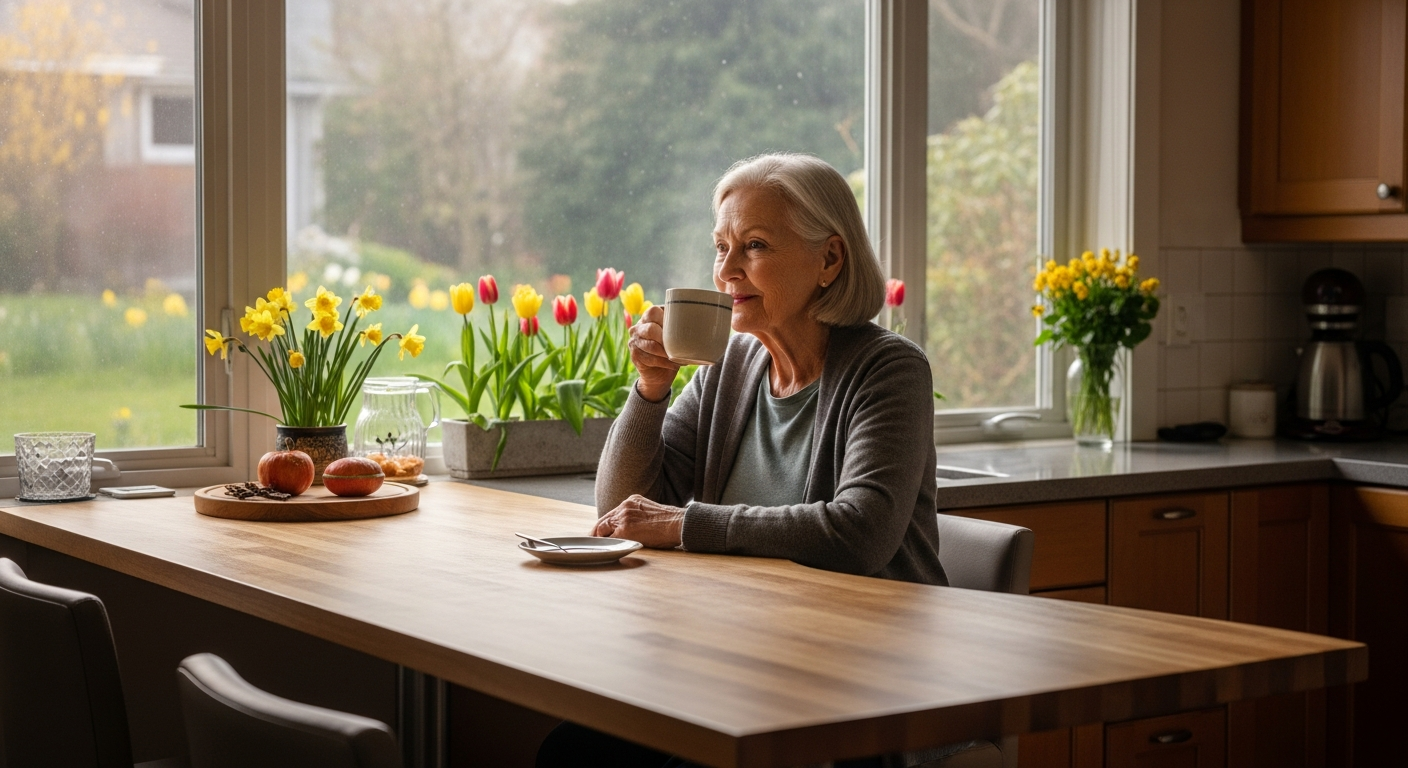
Understanding Invisible Disabilities in Seniors
Invisible disabilities are real medical conditions with profound functional impact—yet the disability isn't visible to casual observers. Common invisible disabilities in Ontario seniors include:
| Condition | Prevalence | Key Functional Impact |
|---|---|---|
| Fibromyalgia | 2–4% of population | Widespread pain; fatigue; poor sleep; cognitive difficulties |
| ME/CFS (Myalgic Encephalomyelitis/Chronic Fatigue Syndrome) | Estimated 250,000 Canadians | Severe fatigue worsened by exertion; post-exertional malaise |
| Ehlers-Danlos Syndrome (EDS) | 1 in 2,500–5,000 | Joint hypermobility; pain; autonomic dysfunction; fatigue |
| Autoimmune diseases (RA, Lupus, Sjögren's, etc.) | 5–10% of population | Joint pain; inflammatory fatigue; flare triggers |
| Dysautonomia / POTS | Estimated 1–3 million North Americans | Orthostatic intolerance; fatigue; temperature dysregulation |
| Long COVID | 15–30% of COVID survivors | Fatigue; cognitive issues; exercise intolerance; pain |
| Multiple Chemical Sensitivity (MCS) | Estimated 4% population | Reactions to chemicals; fragrances; air quality |
All of these conditions impact home functioning profoundly—but standard accessibility modifications don't address them.
How Invisible Disabilities Impact Home Living
Problem 1: Energy Exhaustion (Post-Exertional Malaise, Fatigue)
The issue: Simple activities—climbing stairs, preparing meals, organizing a room—leave you exhausted for days. Your home layout forces unnecessary energy expenditure.
Home modifications needed:
- Bedroom location strategy: If bedrooms are upstairs, a main-floor bedroom or sofa bed avoids daily stair climbing ($500–$3,000 for conversion)
- Kitchen height adjustments: Counters at seating level; pullout shelving for seated food prep ($2,000–$5,000)
- Laundry location: In-unit washer/dryer to avoid multiple trips ($3,000–$8,000 if not present)
- Strategic furniture: Lightweight, ergonomic pieces that don't require moving ($2,000–$6,000)
- Labor-saving equipment: Robot vacuum, automatic window openers, voice-activated systems ($1,500–$5,000)
Estimated cost: $4,000–$15,000
Impact: Reduces energy expenditure by 30–50%, extending functional capacity and independence.
Problem 2: Pain & Temperature Regulation
The issue: Pain intensifies with activity and environmental stress. Temperature dysregulation means you're simultaneously cold and hot—impossible with a standard thermostat.
Home modifications needed:
- Zoned climate control: Smart thermostats allowing different temperatures in different rooms ($2,000–$4,000)
- Heated flooring: In bedrooms and bathrooms to reduce pain ($3,000–$8,000)
- Infrared heating panels: Targeted heat without heating entire rooms ($1,500–$3,500)
- Blackout window treatments: Heat management and migraine reduction ($1,000–$3,000)
- Humidity control: Humidifiers/dehumidifiers for pain and joint management ($500–$1,500)
- Ergonomic seating: Pain-reducing furniture throughout home ($2,000–$5,000)
Estimated cost: $7,000–$18,000
Impact: Reduces pain severity and improves sleep—both critical for disease management.
Problem 3: Sensory Sensitivity (Light, Sound, Smell)
The issue: Bright lighting, household noise, and chemical odors (cleaners, perfumes, air fresheners) trigger migraines, fatigue worsens, and sensory overload becomes unbearable.
Home modifications needed:
- Smart lighting system: Dimmers, color temperature control, motion sensors ($2,000–$4,000)
- Soundproofing: Acoustic panels, weatherstripping, heavy curtains ($2,000–$5,000)
- Air filtration: HEPA system + activated carbon for chemical off-gassing removal ($4,000–$8,000)
- Low-VOC painting: Non-toxic paints throughout home ($1,500–$3,000)
- Fragrance-free materials: Natural fiber bedding, chemically-safe flooring ($2,000–$4,000)
Estimated cost: $9,500–$18,000
Impact: Reduces sensory triggers by 60–80%; dramatically improves quality of life.
Problem 4: Autonomic Dysfunction (Blood Pressure, Heart Rate, Thermoregulation)
The issue: Dysautonomia means your body can't regulate blood pressure, heart rate, and temperature. Positional changes trigger dizziness, fainting, or severe symptoms. Your home layout matters physically.
Home modifications needed:
- No/low stairs: Avoiding elevation changes; same-level bedroom/bathroom ($5,000–$25,000 if structural)
- Strategic furniture placement: Recliners and elevated seating to manage blood pooling ($2,000–$4,000)
- Bathroom modifications: Shower seat, handheld showerhead, non-slip surfaces ($2,000–$4,000)
- Temperature management: As above—zoned climate control critical ($2,000–$4,000)
- Salt/hydration reminders: Smart systems reminding you to manage fluids ($200–$500)
Estimated cost: $5,000–$18,000+ depending on structural changes
Impact: Prevents fainting, dizziness, and falls; maintains independence and safety.
Comprehensive Invisible Disability Home Modification: Real Numbers
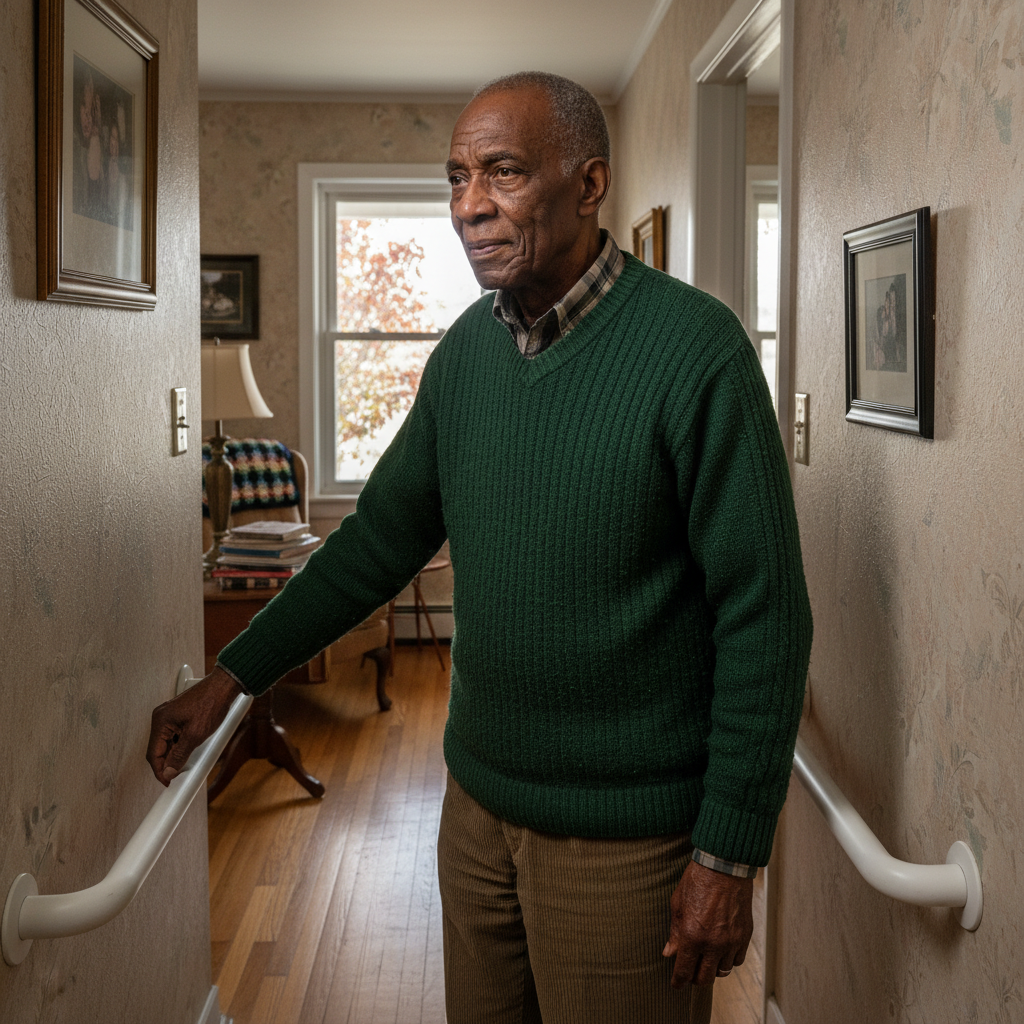
For an Ontario senior with fibromyalgia, ME/CFS, or EDS—addressing multiple invisible disability impacts—a comprehensive modification plan might include:
| Modification | Cost | Priority |
|---|---|---|
| Bedroom/bathroom conversion to main floor | $5,000–$15,000 | High (if applicable) |
| Smart lighting system with controls | $2,000–$4,000 | High |
| HVAC upgrade for zone control | $2,000–$4,000 | High |
| Soundproofing living spaces | $2,000–$5,000 | High |
| In-unit laundry (if not present) | $3,000–$8,000 | Medium |
| Air filtration (HEPA + activated carbon) | $4,000–$8,000 | Medium |
| Ergonomic furniture & seating | $3,000–$6,000 | Medium |
| Heated flooring | $3,000–$8,000 | Low (if budget allows) |
| Low-VOC painting & non-toxic materials | $2,000–$4,000 | Medium |
| Voice-activated/automated systems | $1,500–$3,000 | Low |
Comprehensive project total: $20,000–$65,000
This is a substantial investment—well beyond what most Ontario seniors can fund from savings. A reverse mortgage makes it possible.
Why Standard Accessibility Modifications Don't Work for Invisible Disabilities
Standard accessibility design (grab bars, ramps, walk-in showers, automatic doors) is excellent for mobility impairments. But for invisible disabilities:
| Standard Modification | Suitable for Mobility? | Suitable for Invisible Disability? |
|---|---|---|
| Grab bars | Yes, essential | Limited value; pain/fatigue not addressed |
| Wheelchair ramps | Yes, essential | No value unless also using wheelchair |
| Walk-in shower | Yes, easier transfer | Only partially helpful; doesn't address pain or sensory needs |
| Automatic doors | Yes, easier access | Yes—reduces energy expenditure |
| Accessible toilet height | Yes, essential | Limited; pain/fatigue not addressed |
| Smart lighting | Minimal value | ESSENTIAL for migraines/sensory sensitivity |
| Climate zones | No need | ESSENTIAL for pain/temperature regulation |
| Soundproofing | No need | ESSENTIAL for noise sensitivity |
| Air filtration | No need | ESSENTIAL for chemical sensitivity |
| Labor-saving technology | No need | ESSENTIAL for fatigue management |
The problem: OT (occupational therapy) assessments often focus on visible accessibility. Invisible disability modifications require different expertise—and are rarely covered by provincial programs.
Real-World Case: Linda's Invisible Disability Modification
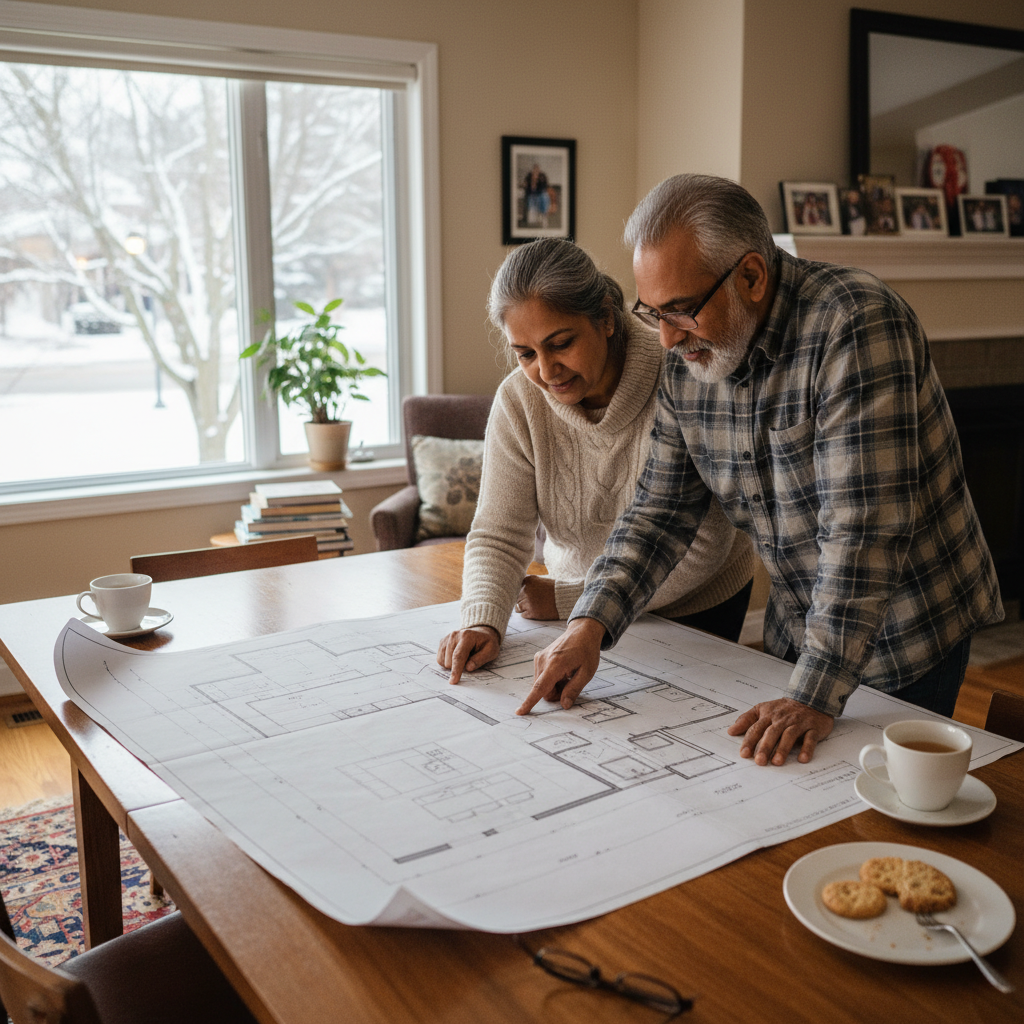
Linda, 68, Ontario: Linda developed severe fibromyalgia 10 years ago. Her Ontario home—a 1970s two-story with no main-floor bedroom—had become increasingly difficult to navigate.
Linda's struggles:
- Climbing stairs triggered pain flares lasting 2–3 days
- Basement laundry required descending stairs multiple times weekly
- Hardwood floors amplified household noise, triggering migraines
- Bright overhead lighting worsened light sensitivity
- Forced air heating caused temperature swings
- Chemical air fresheners and cleaning products triggered symptoms
Standard accessibility suggestions (grab bars, automatic doors) didn't address Linda's actual problems. What Linda needed:
- Main-floor bedroom/bathroom conversion: $12,000
- Smart lighting system: $2,500
- In-unit washer/dryer: $4,500
- Soundproofing materials: $3,000
- HVAC zone control upgrade: $3,000
- Non-toxic painting and materials: $2,000
- Total: $27,000
Linda's challenge: She had good CPP/OAS income ($32,000/year), but a $27,000 lump sum would devastate her emergency reserves. Monthly payments of $500+ were unaffordable.
Solution: Linda accessed a reverse mortgage for $150,000 against her $380,000 home.
- Funded complete invisible disability home modifications: $27,000
- Remaining balance provided cushion for ongoing medical costs and unexpected expenses
- No monthly payments—only interest compounded on borrowed amount
Outcome after modifications:
- Linda could sleep in a main-floor bedroom, eliminating daily stair trauma
- Smart lighting system reduced migraines significantly
- In-unit laundry eliminated stair climbing for laundry
- Soundproofing improved sleep quality and reduced noise-triggered flares
- Climate control reduced pain and temperature dysregulation issues
- Non-toxic materials eliminated chemical sensitivities
Linda's impact: She went from housebound (bad pain days) to able to manage daily activities and social engagement. The modifications didn't cure fibromyalgia, but they transformed her functional capacity and quality of life.
Linda's testimony: "The modifications gave me my life back. I'm more independent, less in pain, and can engage with the world again. The reverse mortgage made my disability manageable."
Accessing Funding for Invisible Disability Modifications
Provincial Programs (Limited):
- Accessibility Supports Program (RAP): Varies by municipality; maximum $6,000–$15,000 for home accessibility modifications
- Ontario Seniors Home Safety Tax Credit: Up to $1,500 tax credit for home safety/accessibility improvements
- Registered Disability Savings Plan (RDSP): If eligible; can fund home modifications
Reality: These programs rarely cover comprehensive invisible disability modifications. They provide partial support but not full funding.
Private Funding Options:
| Option | Pros | Cons |
|---|---|---|
| Reverse Mortgage | Large lump sum; no monthly payments; flexible | Compound interest; reduces estate |
| HELOC | Lower interest rates | Requires monthly payments; strict qualifying |
| Personal savings | No debt | Insufficient; depletes retirement |
| Payment plans with contractors | Spread cost over time | High interest; may not cover full scope |
| Family assistance | Immediate access | May strain relationships; may be insufficient |
For Ontario seniors: A reverse mortgage is often the best option because it's large enough to fund comprehensive modifications without monthly payments on fixed income.
Questions to Ask Before Invisible Disability Modifications
- What specific symptoms impact your home functioning most? (Pain? Fatigue? Sensory sensitivity? Autonomic dysfunction?)
- Which home modifications would improve that symptom most? (Consult occupational therapist experienced with invisible disabilities)
- Are there grants or tax credits applicable? (Check RAP, accessibility tax credits first)
- Can modifications be phased? (Start with high-priority items; phase in lower-priority over time)
- Will these modifications improve independence and quality of life meaningfully? (Must justify the cost)
The Bottom Line
Invisible disabilities are real, severe, and profoundly impact home functioning. Standard accessibility modifications don't address them. A reverse mortgage lets you fund modifications tailored to invisible disability—modifications that restore independence, reduce symptom severity, and improve quality of life.
Your home should work FOR you, not AGAINST you.
Explore reverse mortgage options for invisible disability home modifications →
This content is for informational purposes. Consult an occupational therapist experienced with invisible disabilities before undertaking modifications. Reverse mortgage rates, terms, and eligibility vary. Consult a licensed mortgage broker for your specific situation.
Ready to Learn More?
Get the free Ontario Reverse Mortgage Guide and find out exactly how much you could unlock from your home.
Get My Free Guide →Related Articles
Home Accessibility on a Budget: Must-Have Modifications for Aging in Place
Guide to affordable home accessibility modifications for aging in place in Ontario. Reverse mortgage funding for critical safety upgrades.
Read →Reverse Mortgage for Healthcare Costs: Aging in Place in Ontario
How Ontario seniors use a reverse mortgage to fund home care, medical equipment, prescriptions, and healthcare expenses — and stay in their home longer.
Read →Aging in Place with a Reverse Mortgage: Home Modification Guide
How Ontario seniors can fund aging-in-place home modifications with a reverse mortgage — costs, top modifications, grants, and a complete planning guide.
Read →