
Home Accessibility on a Budget: Must-Have Modifications for Aging in Place
Guide to affordable home accessibility modifications for aging in place in Ontario. Reverse mortgage funding for critical safety upgrades.
"What home modifications do I actually NEED to age safely in place?" Many Ontario seniors delay home adaptations because they're uncertain which upgrades are essential versus nice-to-have. A reverse mortgage can fund the critical safety modifications that let you stay independent longer — but only if you prioritize wisely.
This article is for educational purposes only and does not constitute financial advice.
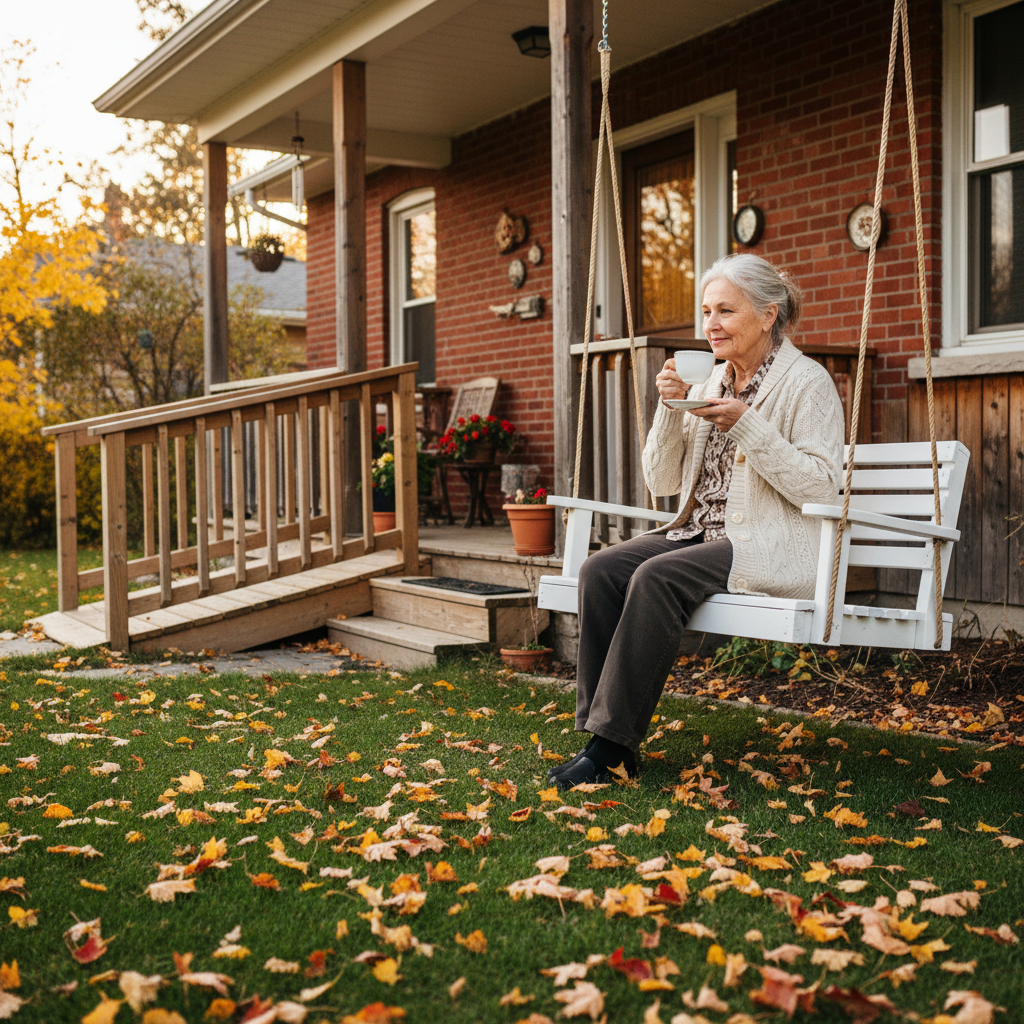
This guide prioritizes home modifications by safety impact and cost-effectiveness, so you can allocate reverse mortgage funds strategically.
The Core Problem: You Can't Stay Safely at Home Without Changes
Aging in place in an unmodified home is risky. Falls, slips, and difficulty with stairs are among the leading causes of injury and hospitalization for seniors. Strategic home modifications reduce these risks dramatically.
Research shows: Home safety modifications reduce fall risk by 20–40%. When combined with exercise and balance training, the reduction increases to 50%+.
Critical Modifications by Priority (and Cost)
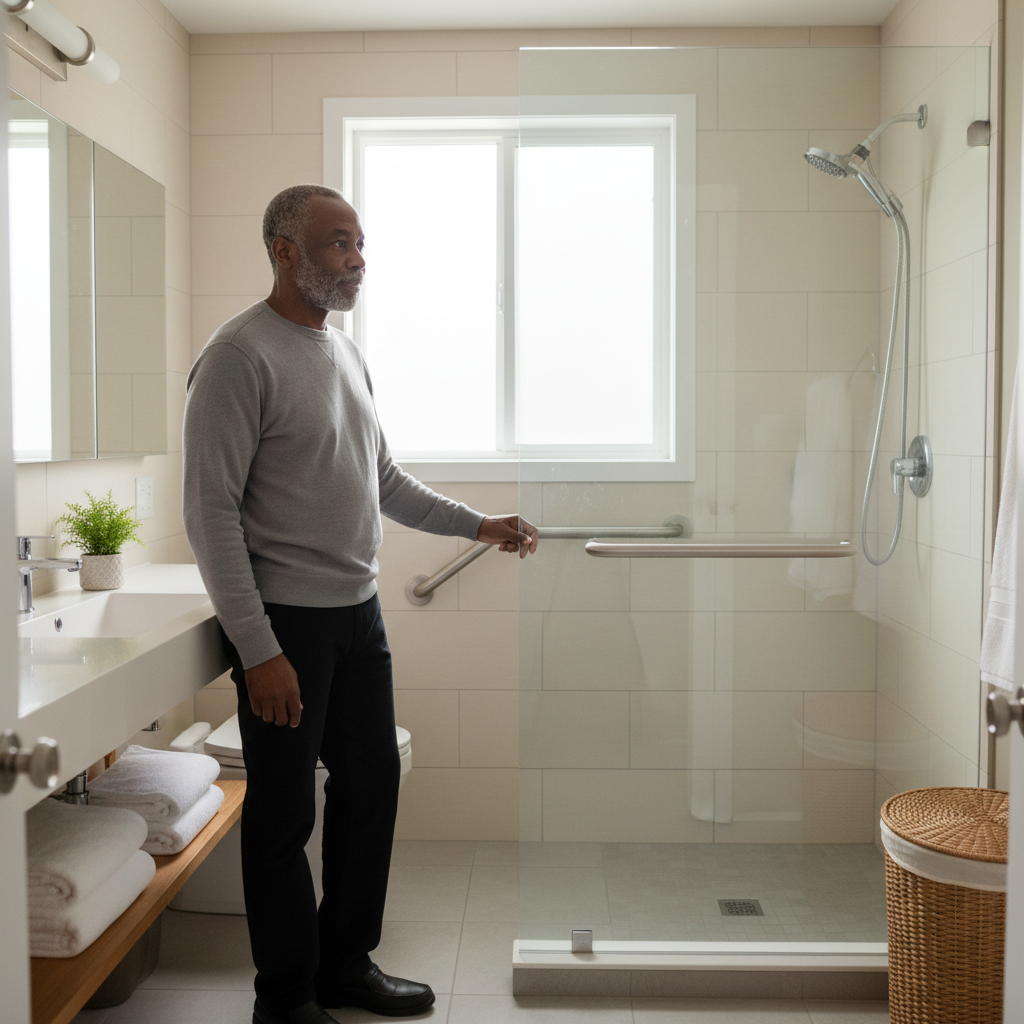
Priority 1: Bathroom Safety (HIGH RISK AREA)
The bathroom is where most fall injuries occur in seniors' homes.
| Modification | Cost | Safety Impact |
|---|---|---|
| Grab bars (tub/shower/toilet) | $500–$1,500 | Very High |
| Non-slip mats | $50–$200 | High |
| Toilet seat riser | $100–$300 | High |
| Shower chair/transfer seat | $150–$500 | Very High |
| Walk-in tub or shower (major) | $8,000–$25,000 | Very High |
| Handheld showerhead | $100–$400 | Medium |
| Lever-style faucets | $200–$600 | Medium |
Minimum investment for basic safety: $1,500–$2,500 Return on investment: Prevents hospital visits (worth $30,000+)
According to the Canadian Institute for Health Information, fall-related injuries in seniors cost Canada $3.1 billion annually. Home modifications are among the most cost-effective preventive measures.
Priority 2: Stairs and Entry Points
Falls on stairs cause severe injuries. Entry modifications prevent tripping hazards.
| Modification | Cost | Safety Impact |
|---|---|---|
| Stair railings (install/upgrade) | $1,500–$3,000 | Very High |
| Stair lighting | $300–$800 | High |
| Stair treads (non-slip) | $400–$1,000 | High |
| Ramp (entry/exit) | $2,000–$8,000 | Very High |
| Door threshold removal | $500–$1,500 | Medium |
| Outdoor handrails | $800–$2,000 | High |
Minimum investment: $2,000–$4,000 Return on investment: Prevents serious spinal/hip injuries
Priority 3: Bedroom and Hall Lighting
Poor lighting causes trips, falls, and disorientation (especially at night).
| Modification | Cost | Safety Impact |
|---|---|---|
| Motion-sensor lights (hallway/bedroom) | $300–$800 | High |
| Bedside lighting | $200–$600 | High |
| Pathway lighting (night lights) | $100–$300 | High |
| Dimmable switches | $200–$500 | Medium |
Minimum investment: $600–$1,500 Return on investment: Prevents nighttime disorientation and falls
Priority 4: Kitchen Safety
Kitchens are high-activity areas with hot surfaces and sharp objects.
| Modification | Cost | Safety Impact |
|---|---|---|
| Lower cabinet reorganization | $0–$300 | High |
| Lever-style faucet and easy-to-open cabinets | $300–$1,000 | Medium |
| Raised dishwasher (less bending) | $500–$1,500 | Medium |
| Anti-scald faucet | $200–$600 | Medium |
Minimum investment: $300–$1,500 Return: Reduces burns, strains, and frustration
Priority 5: Technology/Smart Home
Modern technology can enhance safety and independence dramatically.
| Modification | Cost | Safety Impact |
|---|---|---|
| Medical alert system | $25–$100/month | Very High |
| Smart home monitoring | $500–$2,000 | High |
| Door locks (keyless entry) | $300–$1,000 | Medium |
| Video doorbell | $200–$400 | Medium |
| Automatic lights (motion-sensor) | $300–$1,000 | High |
Minimum investment: $500–$2,000 + monthly service Return: Peace of mind, faster response to emergencies
Cost-Effective Budgeting Approach
Budget-Conscious Plan ($5,000–$8,000):
- Bathroom grab bars/seat risers: $1,500
- Stair railings and treads: $2,500
- Lighting upgrades: $1,000
- Medical alert system: $500–$1,000
Mid-Range Plan ($10,000–$20,000):
- Above items: $6,500
- Ramp installation: $5,000
- Smart home system: $2,000
- Additional bathroom upgrades: $2,000–$5,000
Comprehensive Plan ($20,000+):
- All above items
- Walk-in tub: $15,000
- Full kitchen accessibility: $5,000
- Professional home assessment: $1,000
According to the Government of Canada, most aging-in-place modifications cost $5,000–$15,000 and provide 20+ years of safe independent living.
Reverse Mortgage Funding for These Modifications
A reverse mortgage can fund accessibility modifications:
Example calculation:
Home value: $650,000
Age: 72
Estimated borrowing power: 45% = $292,500
Desired accessibility modifications: $12,000

Result: Approve for $12,000 (easily within limit)
Monthly cost (7.8% interest): ~$90/month in interest accumulation
This $12,000 investment can enable you to age safely in place for 15–20 years instead of moving to a care facility (which costs $40,000–$60,000+ annually).
Getting a Professional Assessment
Before borrowing, consider hiring an Occupational Therapist (OT) to assess your home:
Cost: $300–$600 for assessment Benefit: Professional recommendations prioritized by your specific needs
An OT will identify: ✓ Critical safety hazards ✓ Which modifications matter most for YOUR situation ✓ Recommendations for aging progression ✓ Documents for insurance or contractor purposes
Many provincial health plans cover part of an OT assessment for seniors.
Funding Sources Besides Reverse Mortgage
Government programs:
- CMHC Home Adaptations for Seniors' Independence (HASI) — grants for low-income seniors
- Property Tax Deferral + Reverse Mortgage — combine for full funding
Tax credits:
- Disability Tax Credit (if applicable)
- Medical Expense Tax Credit (some modifications qualify)
Insurance:
- Home insurance sometimes covers modifications after injury claims
- Check your policy
Family help:
- Adult children funding modifications
- RRSP Home Buyers' Plan (if not yet used)
Frequently Asked Questions
Are all modifications tax-deductible?
Only if you qualify for disability tax credits or if the home is rented income-generating. For personal-use homes, modifications are generally not tax-deductible.
Do I need permits for home modifications?
Major structural changes (ramps, railings, plumbing) usually require permits. Minor changes (grab bars, lighting) typically don't. Check with your municipality.
What if I rent my home?
Consult your landlord/property owner. Some landlords cover accessibility modifications; others don't. Document any modifications you pay for.
Should I do all modifications at once or spread them out?
Spread them over time if possible — prioritize critical safety (bathroom, stairs, lighting) first. Then phase in comfort/convenience items (kitchen, tech) later.
How long do modifications last?
Most modifications last 15–25 years if professionally installed. Grab bars and lighting outlast structural changes like ramps.
Speak to a licensed mortgage professional. Independent legal advice is required before closing a reverse mortgage in Ontario.
Home accessibility modifications are not luxuries — they're essential investments in your independence and safety. A reverse mortgage makes them affordable, letting you age in place safely rather than being forced into institutional care.
Get your free Ontario Reverse Mortgage Guide →
This content is for illustrative purposes only. Rates may vary. Call Rick Sekhon for the best rates and more information.
Ready to Learn More?
Get the free Ontario Reverse Mortgage Guide and find out exactly how much you could unlock from your home.
Get My Free Guide →Related Articles
Reverse Mortgage for Home Accessibility: Age in Place Renovations
Fund accessibility renovations and aging-in-place modifications using reverse mortgage proceeds in Ontario.
Read →Fund Home Modifications to Age in Place: Ontario Guide
Discover how a reverse mortgage can finance accessibility upgrades, care services, and renovations to stay safely in your Ontario home as you age.
Read →Reverse Mortgage for Workplace Injury Recovery: Supporting Adult Child's Career Transition
Help your adult child rebuild their career after workplace injury. Learn how reverse mortgages fund recovery, retraining, and financial stability during career transition.
Read →