
Reverse Mortgage for Home-Based Telehealth Services Setup
Fund virtual healthcare tech and equipment with a reverse mortgage. Enable remote medical care in Ontario while aging in place with dignity and independence.
Worried about traveling to medical appointments as your mobility declines? Installing professional telehealth infrastructure at home—secure video conferencing, medical monitors, and private consultation spaces—can transform how you access healthcare while aging in place. A reverse mortgage can fund this infrastructure without disrupting your retirement budget.
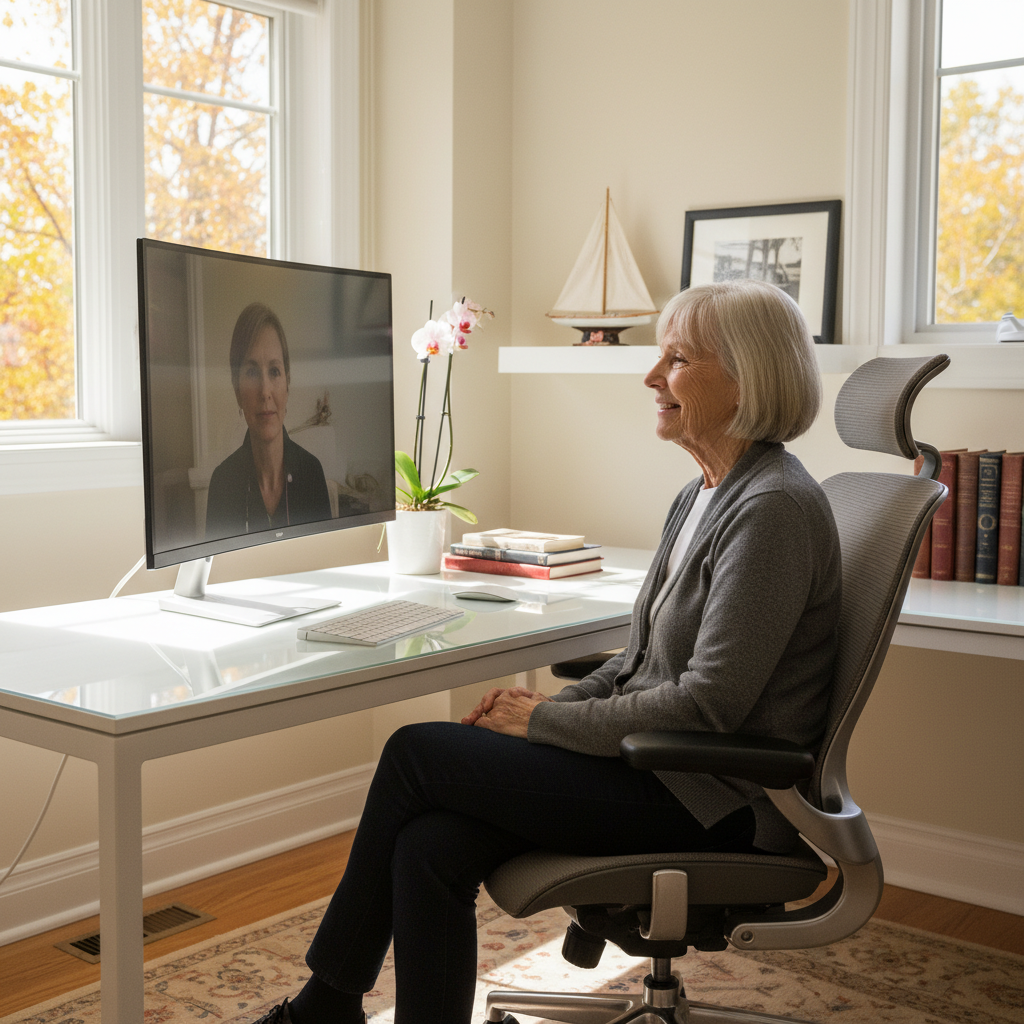
The Growing Reality: Healthcare at Home in Ontario
Ontario's healthcare system is stretched. Wait times for in-person appointments continue to grow, and traveling to clinics becomes harder as mobility declines. Telehealth—virtual consultations with doctors, specialists, physiotherapists, and mental health professionals—has become mainstream. But true telehealth requires more than a video call on your laptop.
Effective home-based telehealth needs:
- A dedicated, private consultation space with proper lighting and sound
- Reliable, high-speed internet infrastructure
- Proper medical monitoring equipment (blood pressure cuff, pulse oximeter, scale) that syncs with your doctor
- Secure video conferencing setup
- Accessible seating and equipment placement for mobility challenges
This infrastructure costs $3,000 to $8,000 to set up properly—a significant expense when you're on a fixed retirement income.
What "Telehealth Setup" Actually Means
Telehealth is more than video calls on your laptop. A professional home telehealth setup includes:
Technology Infrastructure ($1,500–$2,500)
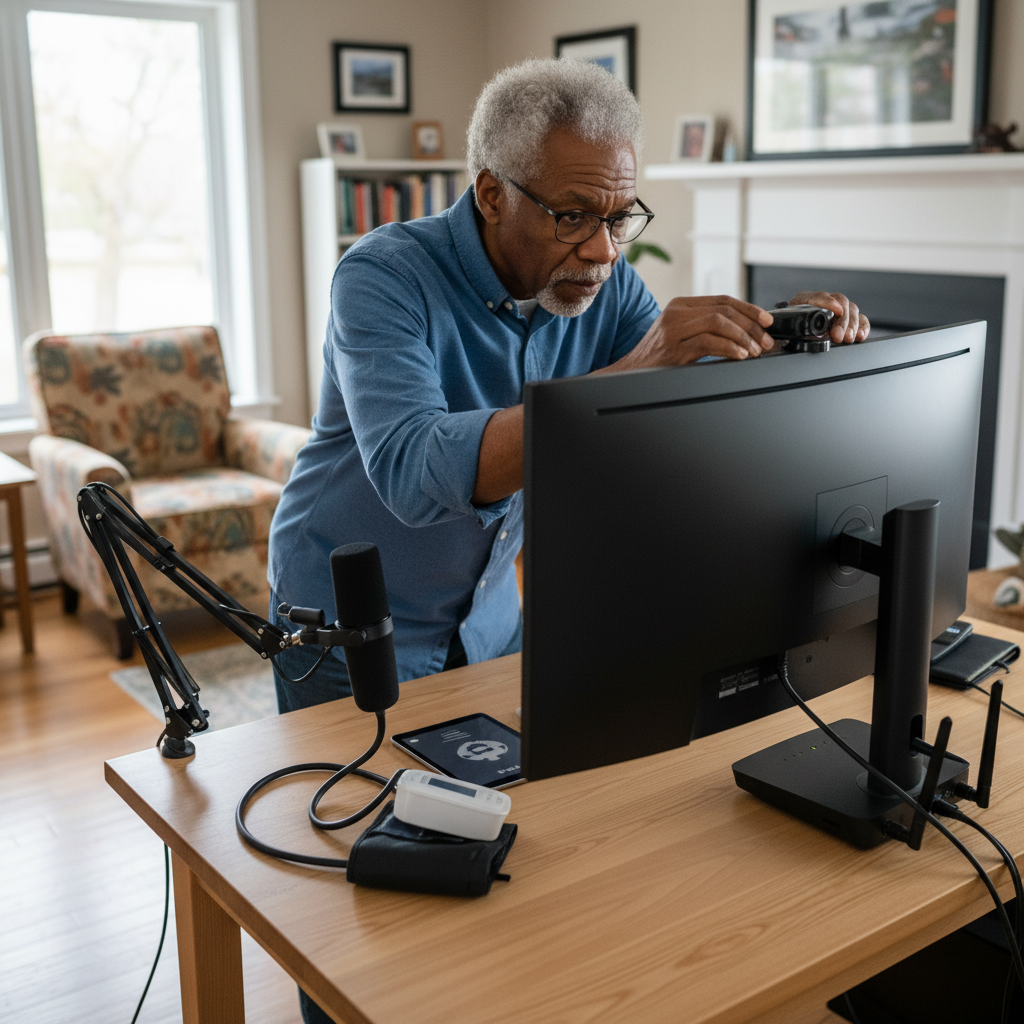
- High-quality webcam and external microphone
- Large monitor for visibility
- Reliable WiFi 6 router for consistent connection
- Secure video conferencing subscription (services like Telus Virtual Care, MedBridge)
- Medical data storage and security software
Medical Monitoring Devices ($1,500–$3,000)
- Smart blood pressure monitor (Bluetooth-enabled)
- Pulse oximeter with data syncing
- Weighing scale that tracks trends
- Thermometer with app integration
- Glucose monitor (if diabetic)
- Sleep tracking device
Physical Space Modifications ($1,000–$2,500)
- Dedicated consultation room or corner setup
- Proper lighting fixtures (reduces glare for video)
- Acoustic paneling for privacy and sound quality
- Accessible desk and seating with proper ergonomics
- Installation of higher-speed internet (fiber, if available)
- File organization system for medical records
How Reverse Mortgage Funding Works for Telehealth Setup
Using a reverse mortgage to fund telehealth infrastructure is strategic because:
You're investing in preventative care: Better home monitoring means catching health issues earlier, reducing expensive ER visits and hospitalizations.
The return is quantifiable: Healthcare costs for an Ontario senior average $4,000–$6,000 annually. Better preventative monitoring can reduce this by 15–20%, offsetting reverse mortgage interest costs.
You stay in your home longer: Telehealth enables aging in place, avoiding costly moves to retirement communities or nursing homes.
No cash flow burden: Unlike taking out a home equity line of credit, a reverse mortgage doesn't require monthly payments. Interest accrues on the borrowed amount; repayment happens when you sell or pass away.
Real-World Example: Telehealth Setup Investment
Let's say you're a 70-year-old Ontario homeowner with a $550,000 home and want to set up comprehensive telehealth infrastructure.
| Component | Cost | Lifespan | Annual Interest Cost (5.5%) |
|---|---|---|---|
| Internet/WiFi upgrade | $800 | 7 years | $44 |
| Monitoring devices | $2,000 | 5 years | $110 |
| Consultation room setup | $2,500 | 10 years | $138 |
| Video/audio equipment | $1,200 | 5 years | $66 |
| Total initial investment | $6,500 | — | $358/year |
Over 5 years, the interest cost is approximately $1,790. Compare this to:
- One overnight hospitalization in Ontario: $1,500–$3,000
- One emergency room visit: $500–$1,200
- One specialist referral requiring travel (gas, parking, time): $100–$200
Better preventative monitoring through home telehealth quickly pays for itself.
According to Health Quality Ontario (now part of Ontario Health), patients with chronic conditions who use remote monitoring technology reduce hospital readmissions by 20–30%. For Ontario seniors managing diabetes, heart disease, or COPD, this is significant.
Setting Up Your Home Telehealth Space: Step by Step
Step 1: Assess Your Internet Capability
Telehealth requires minimum 10 Mbps upload and download speeds. Many Ontario rural areas struggle with this.
✓ Contact Bell, Rogers, or smaller ISPs to check speeds in your area
✓ If speeds are inadequate, budget $500–$800 for a fiber connection upgrade
✓ Request a professional installation to ensure reliability
Step 2: Design Your Consultation Space
Choose a quiet, private room where you'll conduct virtual medical appointments.
✓ Bedroom corner (with privacy door closure)
✓ Home office or den
✓ Converted dining room alcove
✓ Avoid: living rooms with background noise (TV, family activity)
Physical requirements:
- Desk at a comfortable height (ergonomic to prevent neck strain)
- Chair with back support
- Lighting source positioned to avoid glare on camera
- Background that looks professional (blank wall, bookshelf, plant)
Step 3: Invest in Monitoring Devices
Start with the essentials; expand as needed.
Essential (Year 1):
- Bluetooth blood pressure monitor: $150–$250
- Pulse oximeter: $60–$100
- Smart scale: $150–$300
- Total: ~$400–$600
Expanded (Year 2+):
- Continuous glucose monitor (if diabetic): $300–$400
- Sleep tracking device: $150–$300
- Activity tracker for heart health: $100–$200
Step 4: Set Up Secure Video Conferencing
Ontario's healthcare providers increasingly use secure platforms like Telus Virtual Care and MedBridge. Confirm which platform your doctor uses, then set up accordingly.
Costs:
- Annual subscription to platform: $0–$200 (varies by provider and insurance coverage)
- Webcam + microphone setup: $200–$400
- External monitor for larger visibility: $300–$500
Step 5: Create a Medical Record System
Organize your health data in one place, accessible to your healthcare team.
✓ Secure cloud storage (Google Drive with encryption, Microsoft OneDrive, or Canadian health record apps)
✓ Printed backup of critical documents
✓ Folder system organized by condition (diabetes, hypertension, medications, test results)
✓ Annual updates to keep records current
Comparing Telehealth Infrastructure Funding Options
| Funding Method | Setup Cost | Monthly Cost | Best For |
|---|---|---|---|
| Reverse mortgage (lump sum) | $0/month | Interest accumulates | One-time comprehensive setup |
| HELOC | $0/month | Payments required (~$50–100) | Flexible, ongoing upgrades |
| Savings withdrawal | Immediate impact | None | If you have liquid funds |
| Insurance coverage | Check plan | $0 if covered | Limited items (blood pressure cuff) |
| Reverse mortgage line of credit | Draw as needed | Interest on used amount | Phased investment, flexibility |
Most Ontario seniors find a reverse mortgage lump sum ideal because:
- No ongoing monthly payments burden retirement budget
- One-time setup, then you're done investing
- Technology is installed and operational immediately
- Interest cost is predictable and fixed
Health Benefits: Why This Investment Matters
According to the Canadian Medical Association, seniors with chronic conditions who use home monitoring reduce:
- Unplanned hospital admissions by 25%
- Emergency room visits by 30%
- Regular clinic visits (less travel) by 40%
- Overall healthcare costs by 15–20%
For Ontario seniors managing multiple conditions, this is transformative.
Real health outcomes:
- Diabetic monitoring at home catches blood sugar swings early, preventing complications
- Heart patients track blood pressure daily, catching arrhythmias before they become emergencies
- COPD patients monitor oxygen levels, reducing acute exacerbations
- Mental health patients access therapists via video, removing transportation barriers
Accessibility Considerations
Home telehealth infrastructure must accommodate aging bodies.
✓ Voice-activated controls for devices (reduces fine motor demands)
✓ Large-button remote controls for adjusting camera/lighting
✓ Standing desk option if sitting causes discomfort
✓ Wheelchair-accessible setup if you use mobility aids
✓ Hearing loop system if you wear hearing aids
✓ Voice-to-text for note-taking if typing is difficult
Factor these accessibility upgrades into your reverse mortgage estimate: add $500–$1,500 to your base setup.
Frequently Asked Questions
Will my doctor accept telehealth appointments if I set this up at home?
Most Ontario doctors now offer telehealth through regulated platforms like Telus Virtual Care, Maple, or MedBridge. Check with your provider. The Ontario Medical Association has moved toward supporting remote care, especially for seniors with mobility limitations.
Is home telehealth covered by OHIP?
Many telehealth consultations are covered by OHIP (Ontario Health Insurance Plan) if delivered through approved providers. However, some specialists and urgent care services may not be covered. Confirm with your specific healthcare provider.
What if my internet connection drops during an appointment?
Professional telehealth platforms automatically save session notes and allow rescheduling. Invest in a reliable WiFi system and consider a mobile hotspot backup (costs $30–$50/month) if you're in an unreliable area.
Can I set up telehealth in a rental apartment or condo?
Yes, but check your lease or condo bylaws. Most modifications (like desk setup or monitor placement) don't require permission. Internet upgrades may need landlord approval.
Will setting up telehealth reduce the value of my home when I sell?
Cosmetic home office setups don't negatively impact home value. Structural modifications (like renovated rooms for medical privacy) might increase value or be neutral. Removed equipment when selling.
How does reverse mortgage interest compare to the healthcare costs I'll save?
At 5.5% interest on a $6,500 investment, you'll pay ~$358/year. One avoided hospitalization ($2,000–$3,000) or three reduced ER visits ($500–$600 saved) pay for a year of interest costs. Most seniors break even within 2–3 years.
The Bigger Picture: Aging in Place with Dignity
Aging in place means maintaining independence while you can. Telehealth infrastructure is part of that independence. It removes the transportation barrier to healthcare, reduces isolation, and keeps you connected to medical providers without lengthy travel or family transportation coordination.
Many Ontario seniors report that setting up home telehealth increases their confidence* in managing health conditions. They feel more connected to their care team and less anxious about health monitoring.
According to a 2024 survey by Statistics Canada, seniors who use home health monitoring technology report higher satisfaction with their healthcare and greater confidence in managing chronic conditions.
Next Steps
-
Assess your current health needs: Which conditions require regular monitoring? Which doctors do you see most often?
-
Check your doctor's telehealth capability: Ask if they use Telus Virtual Care, Maple, or another platform.
-
Get a reverse mortgage assessment: Contact Rick Sekhon Reverse Mortgages to understand your available home equity for this project.
-
Design your consultation space: Identify where you'll set up, what modifications are needed.
-
Create a phased investment plan: Start with essential monitoring devices and internet upgrades; expand over time.
Aging in place with access to excellent remote healthcare is entirely possible. A reverse mortgage can unlock that possibility without straining your retirement budget.
Ready to set up your home for modern healthcare? Get your free Ontario Reverse Mortgage Guide →
Ready to Learn More?
Get the free Ontario Reverse Mortgage Guide and find out exactly how much you could unlock from your home.
Get My Free Guide →Related Articles
Reverse Mortgage for Healthcare Costs: Aging in Place in Ontario
How Ontario seniors use a reverse mortgage to fund home care, medical equipment, prescriptions, and healthcare expenses — and stay in their home longer.
Read →Fund Home Modifications to Age in Place: Ontario Guide
Discover how a reverse mortgage can finance accessibility upgrades, care services, and renovations to stay safely in your Ontario home as you age.
Read →Aging in Place with a Reverse Mortgage: Home Modification Guide
How Ontario seniors can fund aging-in-place home modifications with a reverse mortgage — costs, top modifications, grants, and a complete planning guide.
Read →