
Reverse Mortgage for Home Gym and Fitness Equipment: Stay Active in Retirement
Fund a home gym with a reverse mortgage to stay active and healthy in retirement. Exercise at home safely without monthly payments.
"I want to stay fit in retirement, but I can't afford both a gym membership and the equipment to work out at home—where should I start?" Many Ontario seniors face this dilemma: staying active is critical to health, but the cost of fitness equipment adds up quickly. A reverse mortgage can fund a complete home gym setup—treadmills, weights, resistance equipment—allowing you to exercise safely and independently at home, without monthly gym fees or payment plans.
This article is for educational purposes only and does not constitute financial advice.
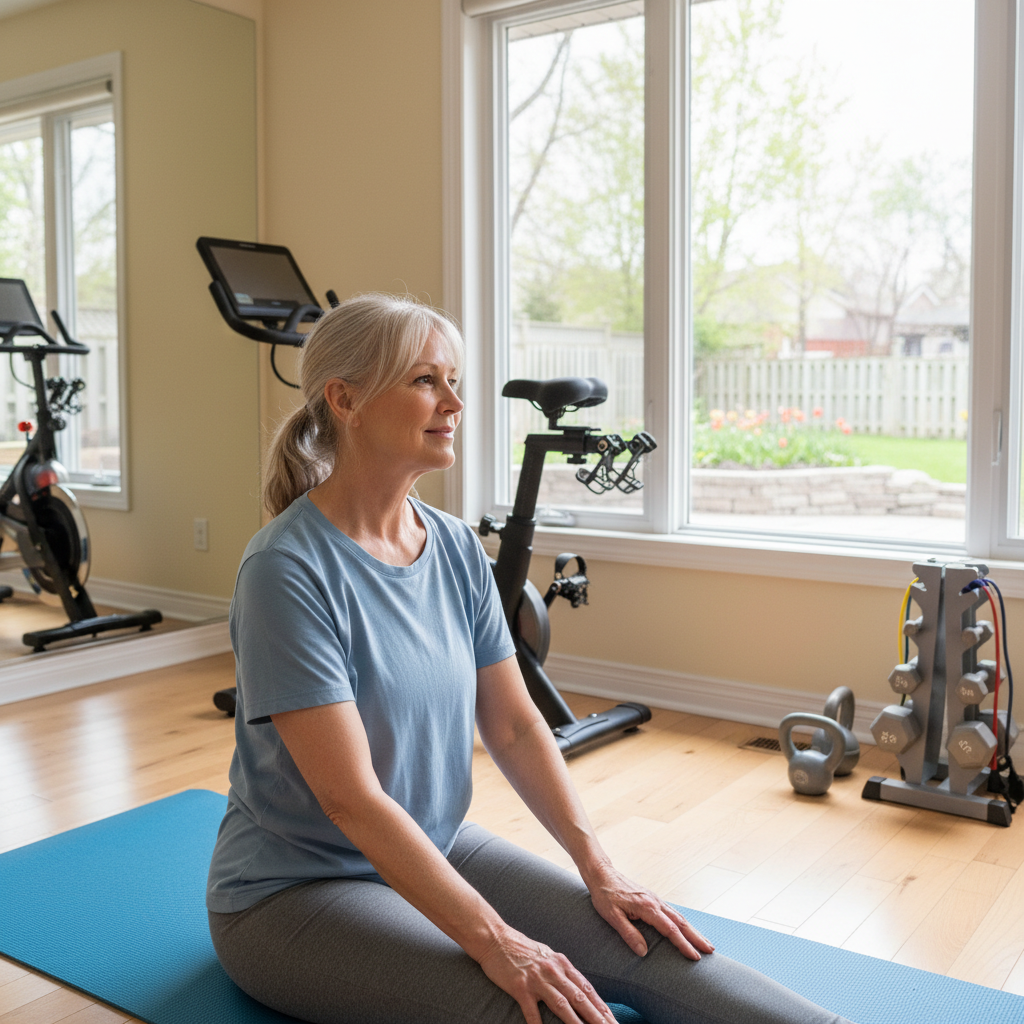
Why Home Fitness Matters for Aging in Place
Regular physical activity in retirement:
- Prevents falls: Strength training and balance work directly reduce fall risk (the leading cause of injury in seniors)
- Maintains independence: Fitness preserves mobility, flexibility, and the ability to do daily tasks
- Improves cardiovascular health: Regular aerobic exercise reduces heart disease and stroke risk
- Supports mental health: Exercise reduces depression and anxiety, common in isolation
- Maintains bone density: Resistance training prevents osteoporosis and fractures
- Better sleep and energy: Active seniors sleep better and have more daily energy
Home-based fitness also offers privacy, convenience, and safety—no commute, no crowds, no risk of injury from unfamiliar equipment.
Essential Home Gym Equipment by Fitness Level
Starter Home Gym ($2,000–$3,500)
- Adjustable dumbbells ($500–$800)
- Resistance bands set ($100–$200)
- Yoga mat and stretching equipment ($150–$300)
- Balance ball and foam roller ($100–$200)
- Stability chair ($300–$500)
- Basic flooring or mat system ($500–$1,000)
- Mirror and good lighting ($300–$500)
Best for: Beginners, mobility-limited seniors, those with space constraints
Intermediate Home Gym ($4,000–$7,000)
Everything in Starter, plus:
- Recumbent exercise bike ($1,000–$1,500)
- Elliptical machine ($1,500–$2,500)
- Weight bench and rack ($800–$1,200)
- Kettlebells and medicine balls ($400–$600)
- Treadmill (optional, space-dependent) ($1,000–$2,000)
Best for: Moderately active seniors, those with dedicated space
Advanced Home Gym ($8,000–$15,000+)
Everything in Intermediate, plus:
- Multi-station weight machine ($3,000–$6,000)
- Rowing machine ($1,000–$2,000)
- Stationary bike or spin bike ($2,000–$3,000)
- Heavy dumbbell set (up to 100 lbs) ($1,000–$2,000)
- Specialized equipment (pull-up bar, cable machine) ($1,500–$3,000)
Best for: Very active retirees, those with space and fitness history
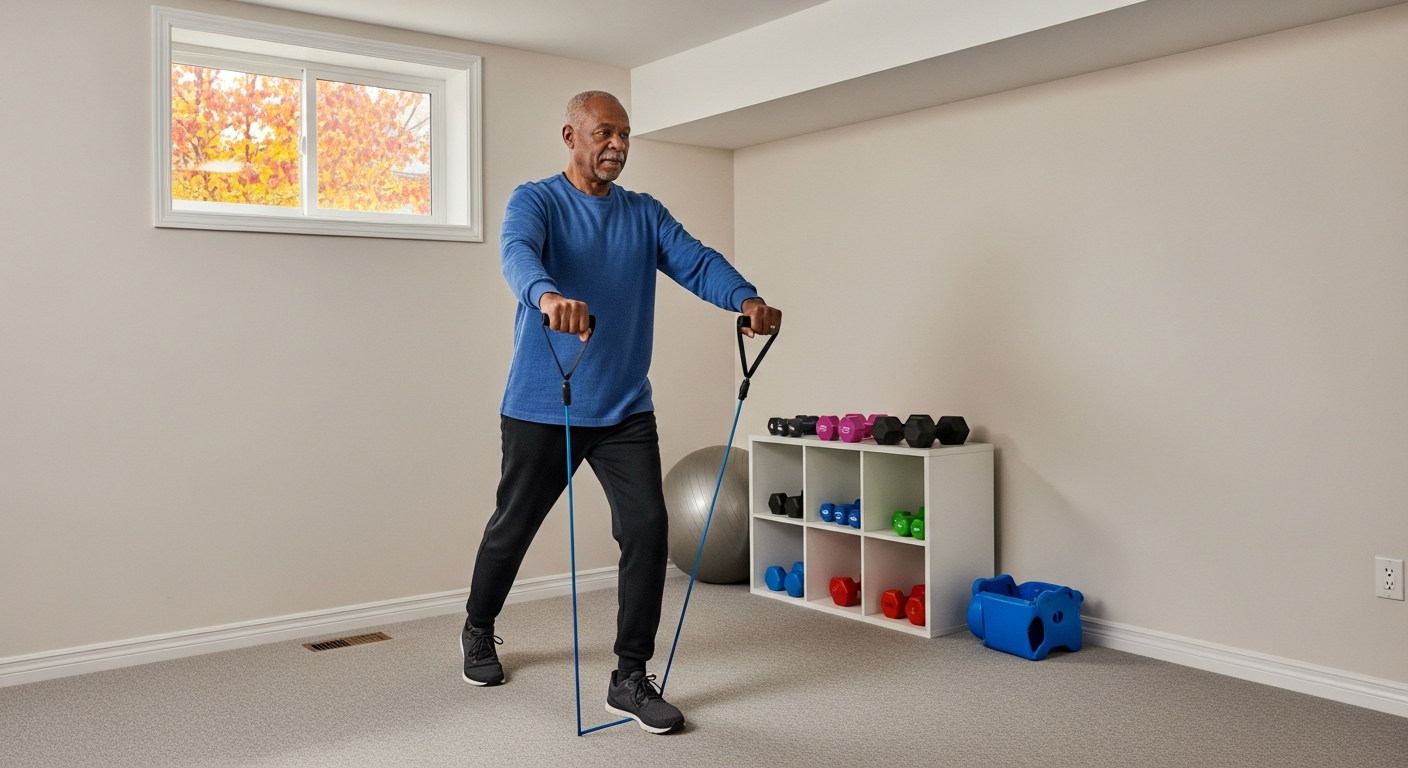
Real Ontario Stories: Home Gym Success
Story 1: Robert's Comeback After Hip Surgery
Robert, 67, had hip surgery and needed rehabilitation. His physiotherapist recommended home-based strength training, but he couldn't afford the equipment. Using a reverse mortgage, Robert invested $3,200 in:
- Resistance bands and handles ($200)
- Adjustable dumbbells (5–25 lbs) ($400)
- Recumbent exercise bike ($1,200)
- Yoga mats and balance equipment ($300)
- Professional installation and safety modifications ($1,100)
Within 8 months, Robert regained full mobility and strength. Today, he exercises 4 times weekly in his home gym, avoiding expensive PT sessions.
Story 2: Susan and James's Couple's Fitness Space
Retired couple Susan (70) and James (72) wanted to stay active together but lived far from a gym in Muskoka. They used a reverse mortgage to create a shared fitness space:
- Dual treadmills ($2,000)
- Adjustable dumbbells and kettlebells ($600)
- Stationary bikes ($1,500)
- Mirror wall installation ($400)
- Flooring and climate control ($1,500)
- Total: $6,000
Five years later, they exercise together daily and have inspired their grandchildren to visit for "fitness weekends."
Funding a Home Gym: Step-by-Step Process
Step 1: Assess Your Current Fitness Level
Before investing, realistically evaluate:
- Your current activity level
- Any joint or mobility limitations
- Physical therapy recommendations
- Doctor's clearance for the type of exercise you want to do
- Available space in your home
Step 2: Research Equipment Options
Visit local fitness stores and try equipment:
- Recumbent vs. upright bikes (most seniors prefer recumbent)
- Elliptical vs. treadmill (lower impact on joints)
- Equipment size and space requirements
- Warranty and service options
Step 3: Get Quotes and Plan Your Budget
Research costs:
- Equipment retailers and online options (compare warranty coverage)
- Professional installation and setup costs
- Flooring and acoustic upgrades needed
- Ongoing maintenance costs
Step 4: Apply for Reverse Mortgage
Work with Rick Sekhon Reverse Mortgages or contact major lenders (CHIP, Equitable Bank, Home Trust) to:
- Assess your home equity
- Determine borrowing capacity
- Discuss lump sum vs. flexible draws
- Understand repayment terms
Step 5: Create a Safe Exercise Environment
Proper setup is essential:
- Flooring: Rubber mats or sealed flooring to protect against sweat/spills ($500–$1,500)
- Lighting: Bright, non-glare lighting for safe form ($300–$600)
- Ventilation: Window access or AC for temperature control
- Mirror: For form checking and motivation ($200–$400)
- Safety railings: For balance and support ($300–$800)
Step 6: Invest in Professional Guidance
Your reverse mortgage funds can also cover:
- Initial consultation with a fitness trainer ($200–$500)
- Virtual fitness coaching (ongoing monthly fee from your budget)
- Physical therapy assessment ($300–$600)
A Smart Approach: Start Small, Expand Over Time
Don't feel pressured to buy everything at once. Consider this phased approach:
Year 1 ($2,500): Resistance bands, dumbbells, mat, mirror, basic flooring Year 2 ($3,000): Recumbent bike or elliptical + safety upgrades Year 3 ($2,000): Additional weights, specialized equipment based on what you love
A reverse mortgage line of credit (LOC) option allows you to access funds over time, paying interest only on what you've drawn. This is smarter than buying everything upfront.
| Funding Method | Startup Cost | Monthly Payment | Best For |
|---|---|---|---|
| Reverse Mortgage | $0 | None | Fixed-income seniors |
| Gym Membership | $50–$150/month | Yes, ongoing | Active, mobile seniors |
| HELOC | Low | Interest-only | Working retirees |
| Personal Loan | Low | Fixed | Younger retirees |
| Out of Pocket | None | None | Seniors with savings |
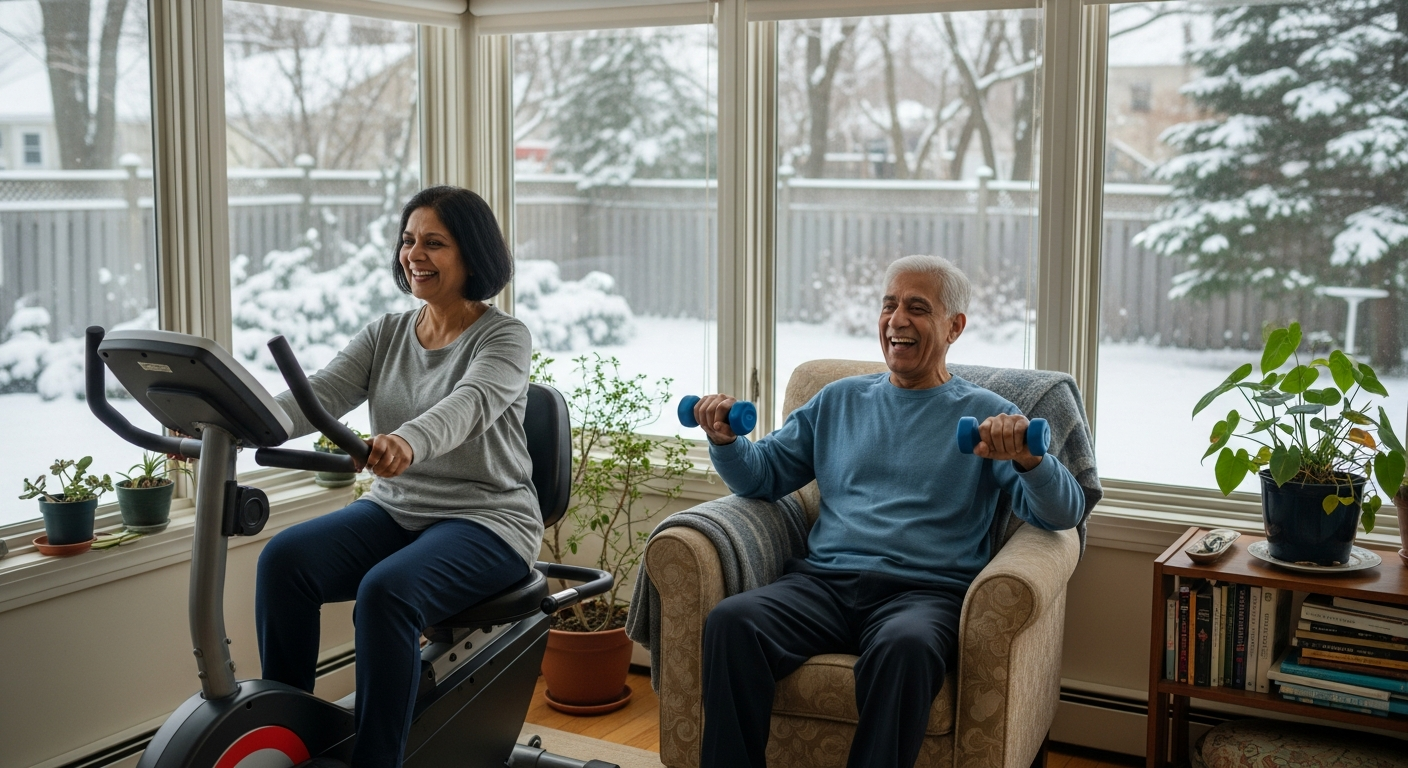
Accessibility Features for Aging-in-Place Fitness
Your home gym should accommodate any mobility limitations:
For Limited Mobility
- Recumbent bikes and ellipticals (sitting, low-impact)
- Resistance bands (no heavy lifting risk)
- Chair-based exercises and balance work
- Handrails and grab bars for support
For Joint Concerns
- Water resistance equipment (if you add a pool area)
- Low-impact cardio machines
- Anti-inflammatory recovery tools (foam rollers, massage guns)
- Stretching and flexibility focus
For Vision or Balance Issues
- Large, clear signage on equipment
- Bright, even lighting
- Clear pathways free of obstacles
- Balance bars and safety rails
According to Health Canada, regular physical activity significantly extends independent living years for seniors. A home gym removes barriers (transportation, weather, cost) that prevent inactive lifestyles.
Tax and Insurance Considerations
Home Insurance
Notify your provider about your home gym:
- New equipment and improvements may increase coverage
- Some insurers offer small discounts for home safety improvements
- Clarify coverage if anyone else uses the space
Tax Deductions
If you operate a personal training business from your home gym (teaching fitness classes), you may deduct:
- Equipment and maintenance
- Utilities (proportional)
- Professional development Consult a tax accountant.
The Bottom Line: Fitness Investment, No Monthly Burden
A home gym is one of the smartest uses of reverse mortgage funds for aging in place. The equipment serves you daily, directly supporting your health and independence. Unlike monthly gym fees or fitness program subscriptions, a one-time reverse mortgage investment creates lasting benefit.
Key takeaway: If you've struggled to afford fitness or avoid the hassle of gym commutes, a reverse mortgage can fund a complete home gym—enabling daily exercise, faster recovery, and years of healthy, independent living.
Frequently Asked Questions
Can I get help assembling and setting up the equipment?
Yes. Many fitness retailers offer professional assembly and setup services (often $100–$300 per machine). Some physical therapists will assess your home gym setup for safety. Use a portion of your reverse mortgage funds for professional setup—it's worth the cost.
What if I don't use the equipment after the first year?
Equipment sits unused in many homes, but yours remains part of your home value and can be repurposed. You could donate it, sell it, or convert the space. The reverse mortgage doesn't restrict what you do with the space afterward.
Can I combine my home gym with physical therapy?
Absolutely. Many PTs will create a customized program for your home gym and equipment. Some will make house calls to assess and guide your workouts—using your reverse mortgage funds for this consultation is wise.
Should I buy new or used equipment?
Both have pros/cons. New equipment comes with warranty and is built to current safety standards. Used equipment is cheaper but may have worn components. For high-use items (cardio machines), new is recommended. For weights and bands, used is safe.
Is a home gym right for me if I live alone and worry about falling?
Yes, with proper safety setup. Install railings, mirrors, clear pathways, and good lighting. Consider a medical alert system. Start with low-impact, stationary equipment. Many single seniors successfully maintain home fitness with proper precautions.
Ready to Learn More?
Get the free Ontario Reverse Mortgage Guide and find out exactly how much you could unlock from your home.
Get My Free Guide →Related Articles
Reverse Mortgage for Home Accessibility: Age in Place Renovations
Fund accessibility renovations and aging-in-place modifications using reverse mortgage proceeds in Ontario.
Read →Reverse Mortgage for Healthcare Costs: Aging in Place in Ontario
How Ontario seniors use a reverse mortgage to fund home care, medical equipment, prescriptions, and healthcare expenses — and stay in their home longer.
Read →Fund Home Modifications to Age in Place: Ontario Guide
Discover how a reverse mortgage can finance accessibility upgrades, care services, and renovations to stay safely in your Ontario home as you age.
Read →