
Reverse Mortgage for Heritage Home Renovation Ontario
Fund heritage home restoration with a reverse mortgage in Ontario. Heritage Act rules, restoration costs, designated vs listed properties, and municipal grants.
"Our 1880s limestone home in Kingston needs $120,000 in restoration work — the windows alone are $45,000 because they must match the original heritage specifications. We love this house, but how do we afford to keep it?" Owning a heritage home in Ontario is a privilege and a responsibility. These architecturally significant properties — Victorian-era homes in Kingston, Edwardian estates in Stratford, Georgian townhouses in Niagara-on-the-Lake — carry both exceptional character and exceptional maintenance costs. A reverse mortgage provides a way to fund heritage restoration without selling the home or taking on monthly debt payments. This guide covers the unique intersection of Ontario heritage preservation and reverse mortgage financing.
This article is for educational purposes only and does not constitute financial advice.
The Heritage Home Cost Reality
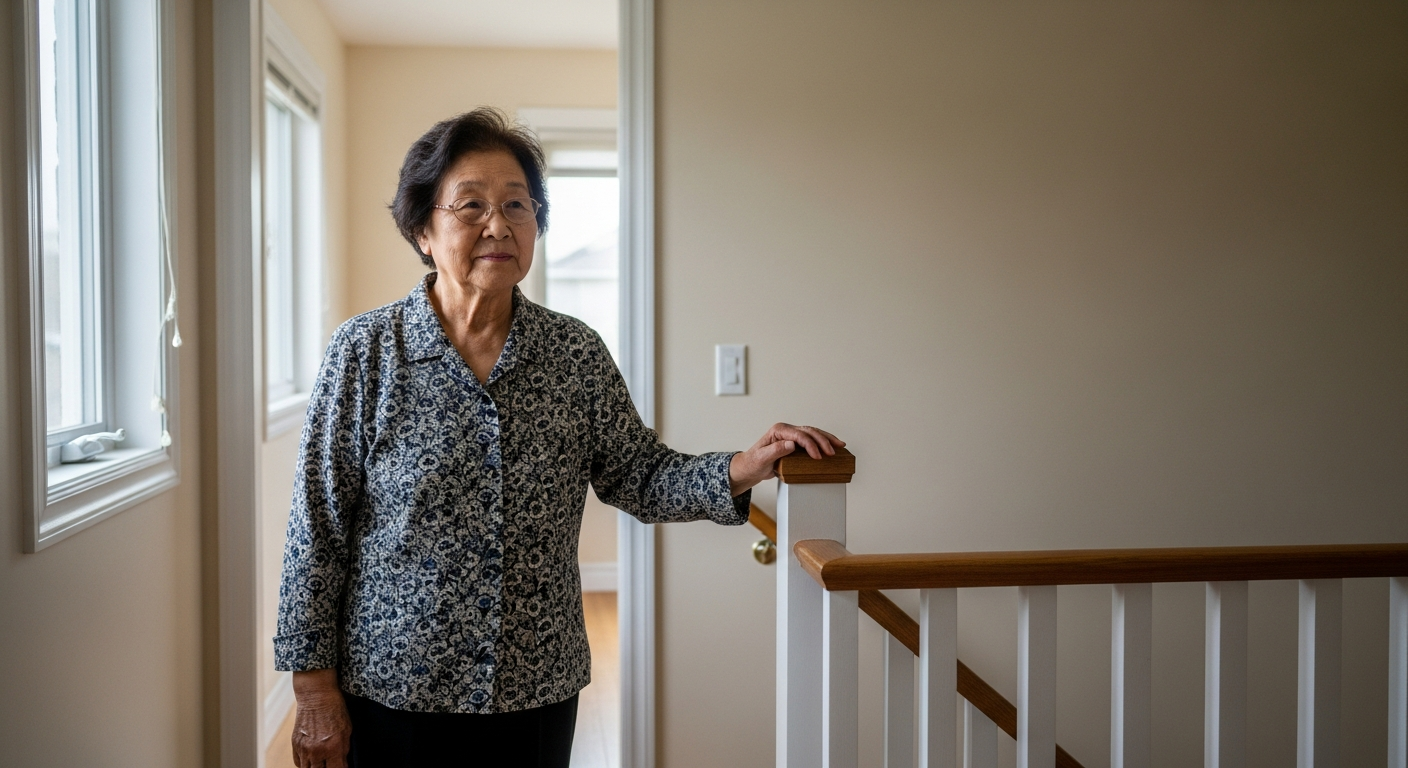
Heritage homes in Ontario are beautiful — but they are expensive to maintain and restore properly. Unlike modern homes where a standard renovation budget applies, heritage properties require specialized materials, skilled tradespeople, and compliance with heritage design guidelines that can multiply costs by two to five times.
| Renovation Type | Standard Home Cost | Heritage Home Cost | Why the Difference |
|---|---|---|---|
| Window replacement (full house) | $15,000–$25,000 | $40,000–$80,000 | Custom wood windows matching original profiles |
| Roof restoration | $10,000–$20,000 | $25,000–$60,000 | Slate, cedar shake, or specialty materials |
| Masonry restoration | $5,000–$15,000 | $20,000–$80,000 | Lime mortar repointing, stone matching |
| Foundation repair | $10,000–$30,000 | $30,000–$75,000 | Fieldstone/limestone foundations, hand work |
| Porch/veranda restoration | $5,000–$15,000 | $15,000–$50,000 | Period-appropriate millwork, columns, railings |
| Interior plaster restoration | $3,000–$8,000 | $10,000–$30,000 | Horsehair plaster, ornamental ceiling work |
| Electrical upgrade (to code) | $8,000–$15,000 | $15,000–$35,000 | Concealed wiring in heritage walls without damage |
| Total major restoration | $56,000–$128,000 | $155,000–$410,000 |
These are not cosmetic upgrades — they are essential preservation work that maintains the structural integrity and heritage character of the property. Deferring this work does not save money; it accelerates deterioration and increases eventual costs.
According to the Ontario Heritage Trust, there are over 8,000 individually designated heritage properties in Ontario and thousands more listed on municipal heritage registers. These properties represent irreplaceable architectural and cultural assets, and their preservation depends on owners having the financial resources to maintain them properly.
Understanding Ontario's Heritage Act Framework
The Ontario Heritage Act governs how heritage properties can be altered, and this framework directly affects renovation planning and costs:
| Heritage Status | What It Means | Renovation Impact |
|---|---|---|
| Designated (Part IV) | Individually designated by municipal by-law | Heritage permit required for exterior alterations; must maintain heritage attributes |
| Designated (Part V — Heritage Conservation District) | Property falls within a designated district | District plan governs alterations; even non-designated buildings in the district are subject to guidelines |
| Listed (non-designated) | On the municipal heritage register but not designated | 60-day demolition delay; no heritage permit required for alterations, but listing signals intent |
| Not listed or designated | No heritage status | No heritage-specific restrictions — but may still have heritage character worth preserving |
The key distinction: Designated properties (Part IV) require a heritage permit from the municipal heritage committee before exterior alterations can proceed. This means you cannot simply choose the cheapest windows or siding — the replacement must be consistent with the property's heritage attributes as described in the designation by-law.
This restriction increases costs but also protects property values. Designated heritage homes in desirable Ontario locations command premium prices precisely because their character is legally protected from unsympathetic alterations.

How a Reverse Mortgage Funds Heritage Restoration
A reverse mortgage provides a lump sum or scheduled advances — with no monthly payments required. For heritage homeowners, this structure is particularly well-suited:
Why reverse mortgages work for heritage restoration:
- ✓ Large lump sums available ($100,000–$500,000+ depending on home value and age)
- ✓ No monthly payments — critical for seniors on fixed incomes already stretched by heritage maintenance
- ✓ No income qualification — the loan is based on home value and age, not pension income
- ✓ Funds can be used for any purpose — no lender restrictions on heritage-specific work
- ✓ The restoration increases the property's value — potentially offsetting or exceeding the loan amount
- ✓ You remain the owner and continue to enjoy the heritage home
Why traditional financing falls short:
- ✗ HELOCs require monthly interest payments and income qualification
- ✗ Personal loans carry high interest rates and short repayment terms
- ✗ Construction loans are complex, require draws and inspections, and are designed for new builds
- ✗ Many seniors cannot qualify for traditional mortgage financing on fixed incomes
| Financing Option | Monthly Payment on $150,000 | Income Qualification | Term |
|---|---|---|---|
| HELOC (7.5% variable) | ~$937/month (interest only) | Required | Revolving |
| Personal loan (9.5%) | ~$3,200/month (5-year term) | Required | 5 years |
| Reverse mortgage (5.5%) | $0/month | Not required | No fixed term |
| Construction loan (8%) | ~$1,000/month (interest only during build) | Required | 1–2 years |
The reverse mortgage is the only option that provides substantial funding with zero monthly payment obligation — making it viable for heritage homeowners on fixed retirement incomes.
Case Study: Victorian-Era Home in Kingston
Consider a realistic scenario based on properties in Kingston's heritage districts:
The property: An 1878 limestone Victorian home in the Sydenham Ward Heritage Conservation District. Four bedrooms, original woodwork, slate roof, limestone construction. The couple purchased in 1991 for $165,000. Current appraised value: $750,000.
The restoration need: The slate roof is failing (estimated 15 years past its expected replacement date), several limestone window lintels are cracking, the original wood windows need restoration or historically appropriate replacement, and the front veranda requires structural and cosmetic restoration.
| Restoration Item | Estimated Cost |
|---|---|
| Slate roof replacement (heritage-grade) | $55,000 |
| Limestone lintel repair and repointing | $22,000 |
| Wood window restoration (12 windows) | $48,000 |
| Front veranda structural + cosmetic restoration | $35,000 |
| Heritage architect/consultant fees | $8,000 |
| Permit fees and heritage committee process | $2,000 |
| Total restoration budget | $170,000 |
The reverse mortgage solution:
| Factor | Amount |
|---|---|
| Home appraised value | $750,000 |
| Owners' ages | 72 and 69 |
| LTV (based on younger borrower, age 69, ~44%) | ~$330,000 |
| Amount needed for restoration | $170,000 |
| Remaining available for other needs | ~$160,000 |
| Setup costs | ~$2,500 |
| Monthly payment | $0 |
The couple accesses $170,000 for the restoration and has $160,000 remaining for future needs — retirement income supplementation, healthcare costs, or further property maintenance. The restoration work is expected to increase the property's value by $100,000–$140,000, partially offsetting the loan balance immediately.
According to Heritage Canada, heritage designation has been associated with property value premiums of 5–20% in desirable Ontario locations, with well-maintained designated properties outperforming non-designated comparable properties in long-term appreciation.
Municipal Heritage Grants and Incentives
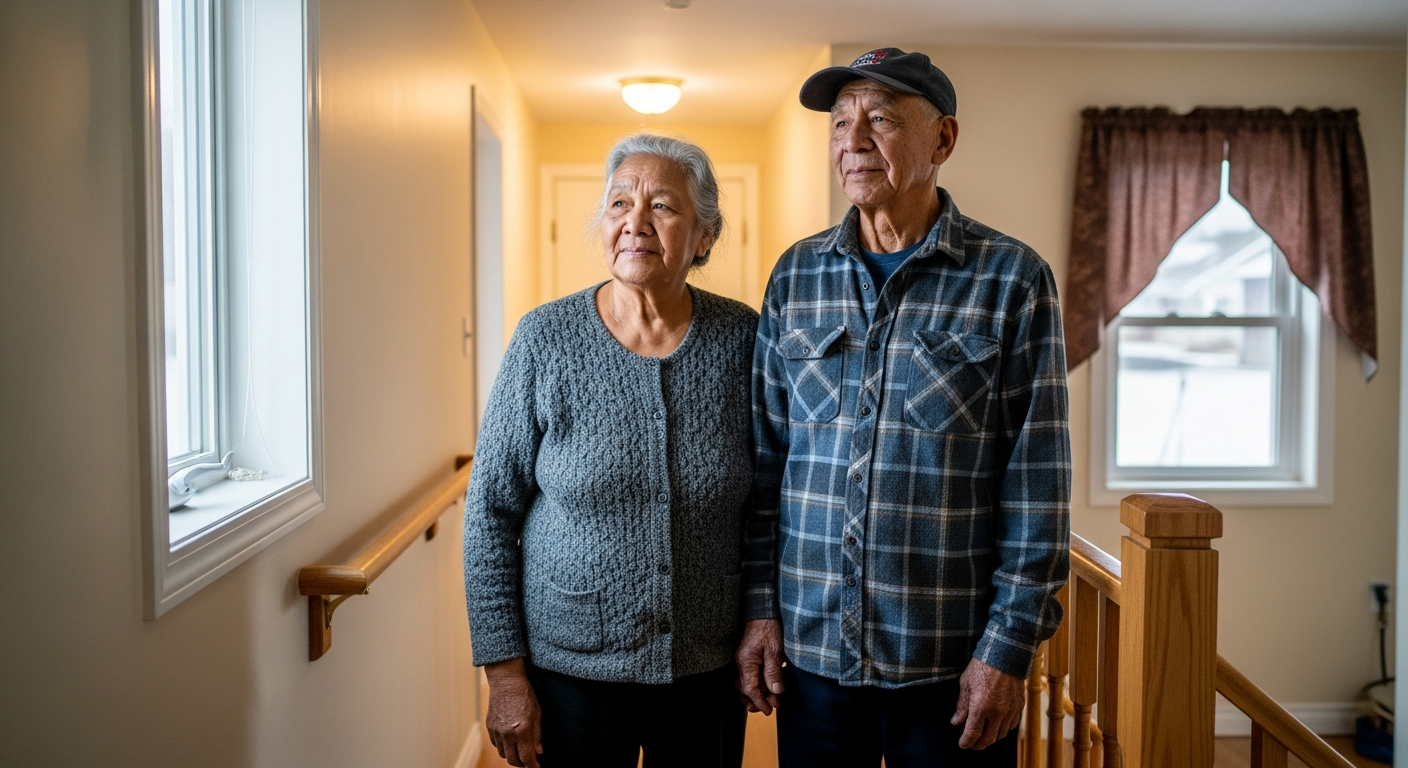
Many Ontario municipalities offer grants, tax relief, or other incentives for heritage property restoration. These can be combined with reverse mortgage funding to stretch the restoration budget further:
| Municipality | Program | Typical Amount |
|---|---|---|
| Kingston | Heritage Property Tax Relief Program | 10–40% property tax reduction on heritage portion |
| Stratford | Heritage Conservation District grants | Up to $5,000 per project |
| Ottawa | Heritage Building Rehabilitation Program | Up to 50% of eligible costs, max $50,000 |
| Toronto | Heritage Tax Rebate Program | 40% rebate on heritage portion of property taxes |
| Niagara-on-the-Lake | Heritage grant program | Varies by project |
| Hamilton | Heritage Property Grant Program | Up to $5,000–$10,000 |
Important: These programs have specific eligibility requirements, application deadlines, and conditions. Some require that the work be approved before it begins. Rick Sekhon Reverse Mortgages can coordinate timing so that heritage grant applications and reverse mortgage funding align.
The strategy: apply for available municipal grants first, then use the reverse mortgage to fund the balance. A $50,000 Ottawa heritage grant combined with a $120,000 reverse mortgage draw funds a $170,000 restoration project — with the grant reducing the amount borrowed and the reverse mortgage covering the rest without monthly payments.
Designated vs. Listed: What Heritage Homeowners Need to Know
The distinction between designated and listed properties matters for both renovation planning and reverse mortgage assessment:
| Factor | Designated (Part IV) | Listed (Not Designated) |
|---|---|---|
| Heritage permit for exterior changes | Required | Not required |
| Demolition protection | Strong — council approval required | 60-day delay only |
| Renovation cost impact | Higher — must meet heritage standards | Lower — more flexibility |
| Property value premium | Generally higher | Moderate |
| Reverse mortgage eligibility | ✓ Eligible | ✓ Eligible |
| Appraised value consideration | Heritage character adds value | Heritage character may add value |
| Insurance considerations | May require specialized heritage coverage | Standard coverage typically sufficient |
Both designated and listed heritage homes are fully eligible for reverse mortgages. The heritage status does not create any barrier with lenders — in fact, the heritage designation may support a higher appraised value, increasing the available borrowing amount.
Combining Heritage Restoration with Accessibility Modifications
Many heritage homeowners are simultaneously aging in place and need accessibility modifications alongside heritage restoration. The reverse mortgage can fund both:
- ✓ Accessible bathroom renovation (walk-in shower, grab bars) designed to complement heritage interior
- ✓ Stairlift installation in heritage staircase (reversible modification that does not alter heritage fabric)
- ✓ Main-floor bedroom conversion (if upper floors become impractical)
- ✓ Kitchen accessibility modifications within heritage design framework
- ✓ Exterior ramp or lift (heritage committees generally allow accessible entrances if sensitively designed)
The key principle for heritage properties: accessibility modifications should be reversible where possible and sympathetic to the heritage character. Heritage committees are generally supportive of accessibility modifications — the goal is to keep people living in and caring for heritage homes, not to make the homes impractical for aging residents.
For a complete accessibility renovation checklist, see our accessibility renovation checklist →. For aging-in-place strategies, see our aging in place guide →.
Which Lenders Finance Heritage Home Reverse Mortgages?
All four Canadian reverse mortgage lenders will consider heritage properties — heritage designation does not create a lender barrier:
| Lender | Heritage Home Eligible | Notes |
|---|---|---|
| CHIP (HomeEquity Bank) | ✓ | Standard appraisal process; heritage character reflected in value |
| Equitable Bank | ✓ | Up to 59% LTV; no heritage-specific restrictions |
| Bloom Financial | ✓ | Lifetime rate lock available for long-term heritage homeowners |
| Home Trust | ✓ | Up to 40% LTV; urban heritage properties preferred |
The appraisal for a heritage home may be slightly more detailed than for a standard property, as the appraiser must assess both the heritage character (which adds value) and any deferred maintenance (which may reduce value). Heritage homes with significant deferred maintenance may receive a lower appraisal than their potential value — making the case for completing restoration work to maximize both livability and future equity.
Rick Sekhon Reverse Mortgages works with all four lenders and can advise on which lender offers the best terms for heritage properties in your specific Ontario location. FSRAO regulates all mortgage brokering activity in Ontario.
The Value Proposition: Restoration as Investment
Heritage restoration is not just an expense — it is an investment that typically increases property value. For reverse mortgage borrowers, this creates a partially self-funding dynamic:
| Restoration Spending | Typical Value Increase | Net Cost After Value Increase |
|---|---|---|
| $50,000 (minor restoration) | $30,000–$45,000 | $5,000–$20,000 |
| $100,000 (moderate restoration) | $65,000–$90,000 | $10,000–$35,000 |
| $150,000 (major restoration) | $95,000–$135,000 | $15,000–$55,000 |
| $200,000+ (comprehensive restoration) | $130,000–$180,000 | $20,000–$70,000 |
Approximate ranges — actual value increases depend on location, quality of work, and market conditions.
A well-executed heritage restoration in a desirable location (Kingston, Stratford, Niagara-on-the-Lake, Ottawa's Glebe or New Edinburgh) can recover 65–90% of the investment in immediate property value increase. Over time, the restored home appreciates on a higher base — potentially exceeding the reverse mortgage balance growth.
For a comprehensive guide to renovation financing through reverse mortgages, see our home renovations guide →. For retirement cash flow considerations, see our retirement cash flow guide →.
FAQ
Does heritage designation affect reverse mortgage eligibility? No — heritage designation (Part IV or Part V) does not affect your eligibility for a reverse mortgage. The property is appraised at its current market value, which reflects the heritage character. All four lenders serve heritage properties in Ontario.
Can I use reverse mortgage funds to pay for a heritage architect or consultant? Yes — there are no restrictions on how reverse mortgage funds are used. Heritage architects, conservation consultants, specialized tradespeople, permit fees, and all other restoration costs can be funded from the proceeds.
What if the heritage committee rejects my renovation plan? Heritage committees review applications for exterior alterations on designated properties. If a plan is rejected, it typically requires modification to better comply with heritage design guidelines — not abandonment. An experienced heritage architect can help design plans that satisfy both the committee and your needs. The reverse mortgage funding is not contingent on heritage committee approval — the loan is based on property value and age, not the planned use of funds.
Is heritage home insurance more expensive, and does it affect the reverse mortgage? Heritage homes may require specialized insurance coverage (replacement cost on heritage materials is higher than standard construction). This does not affect reverse mortgage eligibility, but you must maintain adequate insurance as a condition of the mortgage. Annual insurance premiums for heritage homes in Ontario typically range from $2,500 to $6,000+ depending on the property's value, age, and construction materials.
Can I get a reverse mortgage on a heritage property in a small town? Yes — but the property must meet the lender's general location and marketability criteria. Heritage homes in established Ontario towns (Kingston, Stratford, Perth, Cobourg, Port Hope, Niagara-on-the-Lake) are typically well within lender service areas. Very remote heritage properties may face the same location-based LTV adjustments as other rural properties.
Will restoration work increase my reverse mortgage borrowing capacity? Not on the existing reverse mortgage — the borrowing amount is set at the time of application based on the appraised value at that time. However, if you complete restoration work and later want to access additional equity, some lenders allow top-ups based on a new appraisal. The increased property value from restoration would support a higher top-up amount. Discuss this strategy with Rick Sekhon.
Speak to a licensed mortgage professional. Independent legal advice is required before closing a reverse mortgage in Ontario.
Get your free Ontario Reverse Mortgage Guide →
This content is for illustrative purposes only. Rates may vary. Call Rick Sekhon for the best rates and more information.
Ready to Learn More?
Get the free Ontario Reverse Mortgage Guide and find out exactly how much you could unlock from your home.
Get My Free Guide →Related Articles
Aging in Place with a Reverse Mortgage: Home Modification Guide
How Ontario seniors can fund aging-in-place home modifications with a reverse mortgage — costs, top modifications, grants, and a complete planning guide.
Read →Reverse Mortgage Renovation Checklist: Aging in Place in Ontario (2026)
A complete checklist of aging-in-place renovations Ontario seniors fund with a reverse mortgage — with costs, contractor guidance, and grant stacking tips.
Read →Reverse Mortgage for Workplace Injury Recovery: Supporting Adult Child's Career Transition
Help your adult child rebuild their career after workplace injury. Learn how reverse mortgages fund recovery, retraining, and financial stability during career transition.
Read →