
Reverse Mortgage for Grief Counseling and Bereavement Support Services
Fund ongoing grief counseling and bereavement support for yourself or family after significant loss. Ontario guide to mental health investment in retirement.
Are you navigating significant grief after losing a spouse, child, or close family member? A reverse mortgage can fund professional grief counseling and bereavement support, ensuring your mental health is prioritized during recovery.
This article is for educational purposes only and does not constitute financial advice.
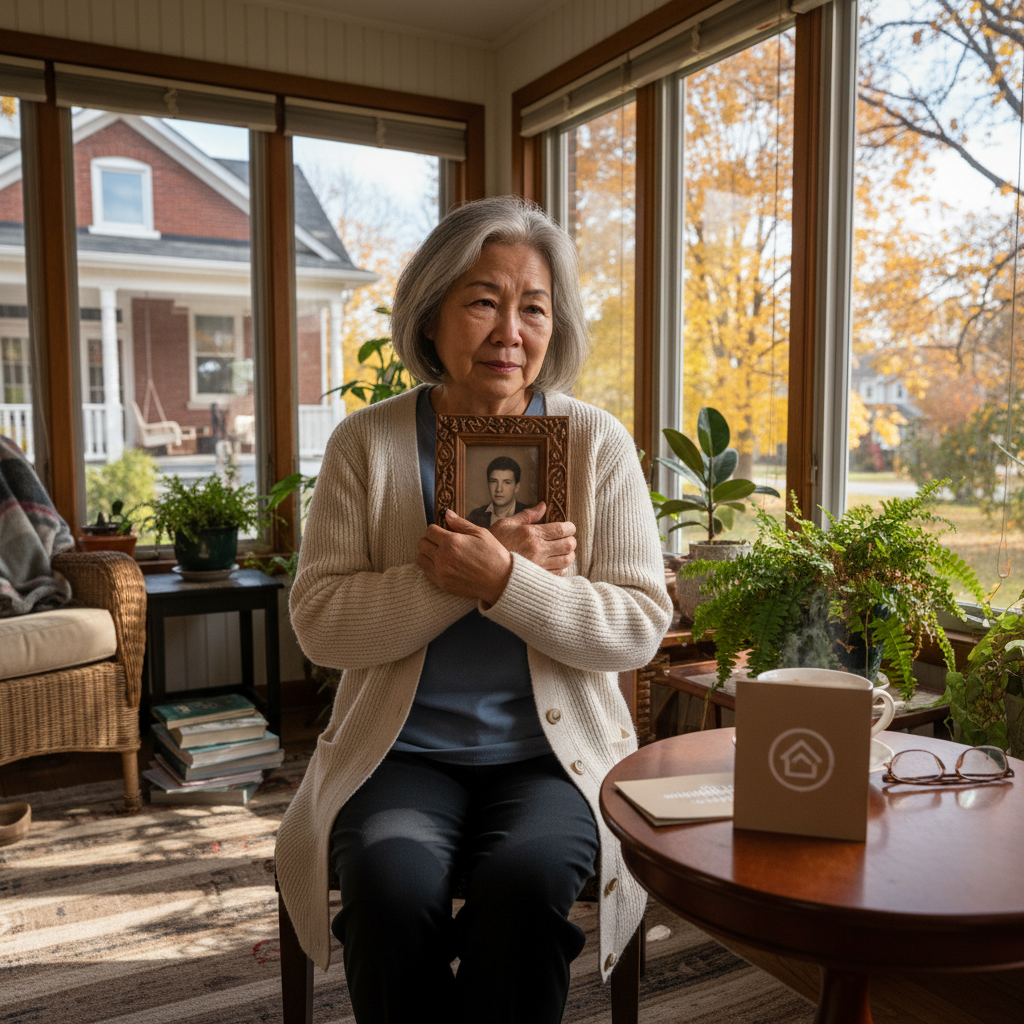
Grief as a Legitimate Mental Health Investment
The loss of a spouse, adult child, or beloved family member is one of life's most disruptive experiences. In retirement, grief compounds other challenges:
- Isolation — Your partner or close family member was your primary social connection
- Financial disruption — Loss of a spouse's income, pension, or caregiving disrupts your household budget
- Identity loss — You've been a "couple" or a "parent" for decades; that identity shifts suddenly
- Health decline — Grief increases risk of depression, heart disease, and cognitive decline
- Functional decline — Motivation to eat, exercise, and maintain home decreases
Professional grief counseling is not a luxury—it's a health intervention. Yet many seniors avoid it due to cost (typically $150–$250 per session, not covered by provincial health insurance).
A reverse mortgage allows you to prioritize grief recovery without choosing between counseling and your retirement budget.

Types of Bereavement Support and Costs
Individual Grief Counseling
- Psychotherapist/Grief Counselor: $150–$250/session, weekly (12–24 weeks typical)
- Cost for 6 months: $3,000–$6,000
- Duration: Ongoing as needed
Group Bereavement Support
- Community programs (hospice, nonprofits): $0–$50/session
- Structured grief groups (8–12 weeks): $200–$800 total
- Ongoing grief circles: $0–$20/month
Grief Recovery Programs
- Grief recovery method workshops (3–4 day intensive): $500–$1,500
- Specialized grief programs (child loss, spousal loss, suicide grief): $500–$2,000
Bereavement Support Services
- Care coordinator (helps with practical tasks): $20–$30/hour
- Life coach for grief transition: $100–$200/session
- Grief retreat or intensive program: $1,000–$3,000 per week
| Bereavement Need | Monthly Cost | 12-Month Cost | Reverse Mortgage Approach |
|---|---|---|---|
| Individual counseling (weekly) | $600–$1,000 | $7,200–$12,000 | Monthly draws support consistent therapy |
| Group + individual hybrid | $300–$500 | $3,600–$6,000 | Lower-cost ongoing support |
| Intensive grief program + counseling | $200–$400 | $2,400–$4,800 | Front-load for intensive program, then weekly |
| Practical support (care coordination) | $200–$400 | $2,400–$4,800 | Hire help for daily tasks while grieving |
According to the Financial Consumer Agency of Canada (FCAC), seniors experiencing major loss often sacrifice health care to protect their retirement budget. A reverse mortgage can rebalance this priority.
Why Grief Counseling Matters in Retirement
Untreated grief in retirement carries serious consequences:
- Accelerated cognitive decline — Grief is a documented risk factor for Alzheimer's and dementia
- Cardiovascular event risk — The "broken heart syndrome" (stress cardiomyopathy) is real and most common in recently bereaved seniors
- Isolation and worsening depression — Without professional support, grief deepens into clinical depression
- Functional decline — Unmotivated seniors fail to eat properly, exercise, or maintain homes, accelerating aging
- Increased substance use — Some seniors self-medicate with alcohol or benzodiazepines
According to research from the University of Toronto, grief counseling reduces rates of depression, cardiovascular disease, and mortality in seniors by 20–30% compared to those who don't seek support.
Professional grief counseling is an investment in your physical and mental health, not a luxury expense.
Structuring Reverse Mortgage Support for Grief Recovery
Option 1: Monthly Draws for Ongoing Therapy
Access $500–$800/month via reverse mortgage line of credit. Covers weekly counseling ($150–$200/session) consistently for 12+ months. Only pay interest on amounts drawn.
Timeline: Monthly draws for 24 months (typical grief recovery period) = $12,000–$19,200 total. Interest accrues, but you're not depleting retirement savings.
Option 2: Lump Sum for Intensive Program + Ongoing Support
Access $5,000–$8,000 upfront. Use $3,000 for a grief recovery workshop or intensive program, plus $2,000–$5,000 for ongoing weekly counseling.
Option 3: Hybrid Approach
- Month 1–2: Intensive grief program ($2,000)
- Month 3–12: Weekly counseling ($1,500–$2,000)
- Month 13–24: Monthly check-in counseling ($200–$400)
- Total: $3,700–$4,400 spread over 24 months
Ontario Grief Counseling Resources
Free or Low-Cost:
- Ontario Hospice Palliative Care: Often offers free bereavement support
- Bereaved Families of Ontario: Community support groups (free–low cost)
- Distress Centre Ontario: Crisis support (free)
- Counselling Ontario: Therapist directory and some sliding-scale providers
Paid (Insurance or Out-of-Pocket):
- Private therapists: $150–$300/session (some insurance plans cover 80%)
- Psychology clinics: $100–$200/session
- Employee Assistance Programs (EAP): If still employed or spouse was, may offer 6–8 free sessions
Ontario Health covers some mental health services, but grief-specific counseling coverage varies. A reverse mortgage ensures you can access additional private counseling without worrying about coverage gaps.
The Gift of Support: Reverse Mortgage for Family Bereavement
If your adult child or close family member is grieving (loss of a spouse, child, or parent), you can use a reverse mortgage to fund their grief counseling, reducing their financial burden during vulnerable recovery.
- Adult child grieving spouse loss: Help fund counseling ($300–$500/month)
- Grandchildren grieving parent: Fund their therapy while supporting the bereaved parent
- Support your spouse's grief recovery from loss of their own parent
This is a meaningful legacy action—ensuring family members get mental health support they might otherwise defer.
Frequently Asked Questions
Does Ontario Health cover grief counseling?
Coverage varies. Some psychological services are covered under specific conditions; grief counseling coverage is often limited. Private counseling is usually out-of-pocket. A reverse mortgage fills this gap.
How long does grief recovery typically take?
Initial intensive grief (0–6 months) is most acute. Most people benefit from 6–12 months of regular counseling. Many continue 2+ years, especially after spousal loss. Budget for at least 12 months initially.
Can I combine grief counseling with other mental health support (medication, etc.)?
Yes. In fact, combining therapy + psychiatry is often most effective. A reverse mortgage can fund both counseling and psychiatric medication management.
What if I don't need grief counseling right away but want the option later?
You can establish a reverse mortgage line of credit now and access it as needed. If grief deepens 6 months after loss, you'll have funds available without needing to qualify later.
Will grief counseling affect my government benefits?
No. Reverse mortgage proceeds are not income. Counseling costs don't trigger OAS clawback or affect CPP/GIS.
Speak to a licensed mortgage professional. Independent legal advice is required before closing a reverse mortgage in Ontario.
This content is for illustrative purposes only. Rates may vary. Call Rick Sekhon for the best rates and more information.
Ready to Learn More?
Get the free Ontario Reverse Mortgage Guide and find out exactly how much you could unlock from your home.
Get My Free Guide →Related Articles
Critical Illness in Retirement: How a Reverse Mortgage Can Help
When serious illness strikes in retirement, medical costs and lost income create financial pressure. A reverse mortgage can fund treatment and bridge income gaps without selling your home.
Read →Reverse Mortgage for Healthcare Costs: Aging in Place in Ontario
How Ontario seniors use a reverse mortgage to fund home care, medical equipment, prescriptions, and healthcare expenses — and stay in their home longer.
Read →Reverse Mortgage for Aging Caregivers: Managing Your Health While Supporting Others
Aging caregivers need financial support too. Fund respite care, wellness, and medical needs while caring for aging parents or relatives.
Read →