
Critical Illness in Retirement: How a Reverse Mortgage Can Help
When serious illness strikes in retirement, medical costs and lost income create financial pressure. A reverse mortgage can fund treatment and bridge income gaps without selling your home.
A cancer diagnosis, heart attack, or stroke doesn't arrive with a financial plan. Suddenly, retirement income that seemed adequate becomes stretched between medical treatment, lost earnings, and unexpected care costs. For Ontario seniors who've built equity in their homes, a reverse mortgage can provide rapid access to funds during a medical crisis—without forcing you to sell the home you're fighting to stay in.
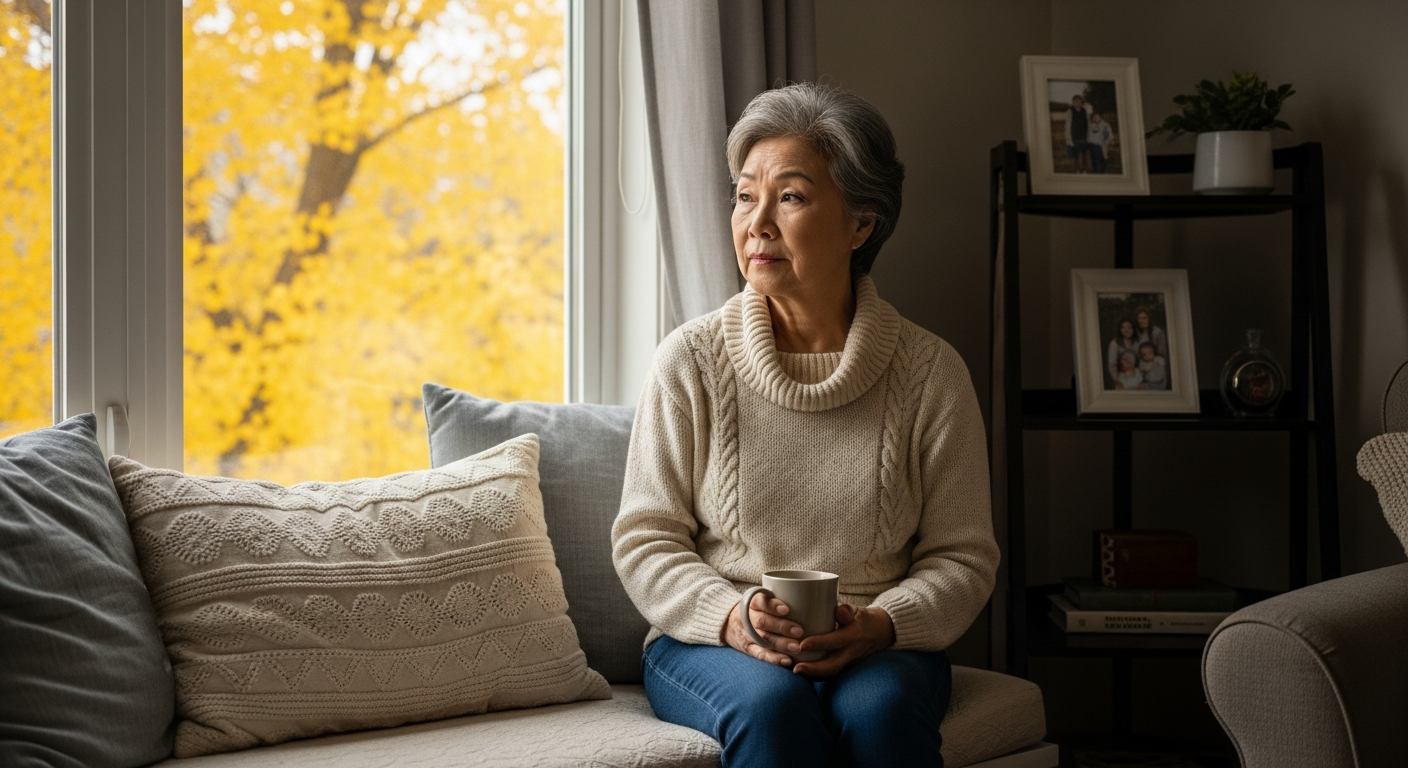
The Hidden Costs of Critical Illness in Retirement
Most Ontario seniors plan their retirement around CPP, OAS, pensions, and investment income. Few anticipate that a serious diagnosis will disrupt that carefully balanced budget. Here's what actually happens:
Direct medical costs:
- Specialist consultations not fully covered by OHIP: $500–$2,000 per visit
- Diagnostic imaging (MRI, PET scans) with shorter wait times at private clinics: $1,000–$3,000 per scan
- Medications not covered by public formulary: $200–$1,500 monthly
- Rehabilitation and physiotherapy: $75–$150 per session, 2–3 times weekly for months
- Travel for treatment (if specialized care requires going to Toronto, Ottawa, or beyond): $3,000–$8,000
Indirect costs:
- In-home caregiving if spouse can't provide full support: $20–$25/hour, often needed 8+ hours daily
- Home modifications for mobility or accessibility during recovery: $5,000–$15,000
- Lost income if you were working part-time in early retirement or delaying CPP: $500–$2,000 monthly
- Psychological support and counseling: $150–$300 per session
Total impact of a serious illness: $50,000–$150,000+ over treatment and recovery years.
For someone living on $4,000/month retirement income, these costs are catastrophic. Options become grim: liquidate investments (often at loss), take on unsecured debt at high interest, or delay treatment.
When a Reverse Mortgage Makes Strategic Sense
A reverse mortgage is not a cure for medical problems—but it can preserve your financial stability while you focus on recovery. Here's why it works better than alternatives during critical illness:
vs. HELOC:
- HELOC requires monthly interest payments ($400–$600/month on $100K borrowed at 6.5%)
- Many HELOCs require regular payments, which strain a budget already stressed by medical costs
- Reverse mortgage: no monthly payments; funds available when needed
vs. Liquidating investments:
- Selling stocks or bonds during a market downturn locks in losses
- Reverse mortgage preserves your investments so they can recover
- You avoid capital gains tax triggers that HELOC withdrawals also incur
vs. Personal loans or credit cards:
- Unsecured personal loans carry 8–12% interest; credit cards 19.99%
- Reverse mortgage at 6.54% is substantially cheaper
- Personal loans often can't be accessed quickly; reverse mortgages approve in 2–4 weeks
vs. Burdening adult children:
- Family loans create tension and emotional strain
- A reverse mortgage means adult children support you emotionally, not financially
- Preserves the integrity of their own retirement planning
Real-World Example: Susan's Lung Cancer Diagnosis
Susan, 67, was newly retired in Hamilton when she was diagnosed with non-small-cell lung cancer. She'd planned to live modestly on her teacher's pension ($2,400/month) plus delayed CPP (starting at 65, $1,500/month). Total monthly income: $3,900.
She owned her home outright, valued at $580,000.
Her situation:
- Recommended treatment: chemotherapy + targeted therapy for 18 months, then ongoing surveillance
- Specialist appointments required travel to Princess Margaret Hospital in Toronto (1.5 hours each way, 2–3 times monthly)
- Chemotherapy caused nausea; she hired a homecare worker ($20/hour, 4 hours daily for 3 months)
- Medications not fully covered by her extended health plan: $400/month
- She couldn't work part-time during active treatment due to fatigue
- Her spouse retired and was her primary caregiver, so no secondary income
Immediate financial crisis: Her monthly budget went from balanced to +$3,500/month in new costs—but her income remained $3,900.
Options she considered:
| Option | Pros | Cons |
|---|---|---|
| Sell home, move to smaller place | Releases $400k+ equity; simplifies life | Uproots during treatment; moving stress; loses long-term home; may regret later |
| HELOC ($120k) | Available quickly | Monthly interest ~$650; requires payments; adds stress |
| Borrow from adult children | Family support | Creates obligation; strains relationships; children's retirement at risk |
| Delay treatment | No debt | Worsens health outcome; may be life-or-death decision |
| Reverse mortgage ($120k) | No monthly payments; funds available immediately; preserves home | Interest compounds; reduces inheritance |
Susan's choice: Reverse mortgage.
She accessed $120,000 via a reverse mortgage line of credit. Over 18 months of active treatment, she drew down the funds as needed. By year two, her treatment moved to maintenance phase with fewer appointments and less intensive support. The total draw: $87,000.
With no monthly payments, her retirement income continued to cover daily living expenses. The reverse mortgage covered the gap: treatment, travel, care, and medications.
Five years later: Susan is cancer-free in remission. Her reverse mortgage balance has grown to approximately $118,000 due to compound interest on the borrowed amount. If she sells her home eventually, the proceeds will cover the balance. If she stays another 10 years and passes away, her heirs inherit the home subject to the mortgage payoff. The cost of this financial flexibility during her most vulnerable years? Worth it, she says, because she lived and recovered in her own home.
Types of Critical Illness That Drive Reverse Mortgage Use
While every situation is unique, several diagnoses commonly trigger critical illness reverse mortgage applications:
Cancer (all types)
- Requires specialist care in major centres
- Treatment regimens last 6–24 months
- Chemotherapy/radiation impacts ability to work
- Medication costs spike
Stroke or cardiac event
- Rehabilitation costs: $200–$400 per session, 2–3 times weekly
- Home modifications for mobility: $5,000–$20,000
- In-home care during recovery: $15,000–$40,000
- Lost income during recovery period
Neurological conditions (Parkinson's, ALS, MS)
- Progressive condition requires escalating care
- Equipment costs: scooters, wheelchairs, lifts
- Home accessibility modifications accumulate over years
- Long-term cost horizon means larger reverse mortgage draw
Orthopedic trauma (serious falls, fractures)
- Immediate costs for surgery, hospital stays
- Rehabilitation: 3–6 months intensive care
- Home modifications for recovery (grab bars, ramps, widened doorways)
- Temporary or permanent caregiving needs
Structuring a Reverse Mortgage for Illness Management
If you're considering a reverse mortgage during or anticipating critical illness, structure it strategically:
1. Establish a line of credit (not a lump sum)
Rather than taking a single $120,000 advance, open a reverse mortgage line of credit. Borrow only what you need, when you need it. This minimizes compound interest on funds sitting unused.
Typical costs:
- Application and appraisal: $1,200–$2,500
- Legal fees: $800–$1,500
- Total setup: ~$3,000
- Line of credit: $80,000–$200,000 depending on home value and age
- Interest: only accrues on amounts borrowed
2. Coordinate with medical insurance and government benefits
Before applying, understand:
- What your extended health plan covers (drugs, physio, private nurses)
- Whether your province offers cost-sharing programs for expensive drugs
- Whether you qualify for disability tax credits or medical expense deductions
- Whether CPP-D (Canada Pension Plan Disability) is an option during recovery
A reverse mortgage complements—but doesn't replace—these resources.
3. Communicate with family
Tell your adult children about the reverse mortgage. They may want to:
- Contribute to repayment if the balance concerns them
- Understand the plan for repayment from estate proceeds
- Help coordinate caregiving so costs don't escalate unnecessarily

4. Plan for recovery vs. permanent disability
If recovery is expected:
- The reverse mortgage is a temporary bridge; you'll repay it when income normalizes
- Budget for repayment once treatment phase ends
If disability is permanent:
- The reverse mortgage may extend your home-living years significantly
- Plan for long-term management of the growing balance
Questions to Ask Your Lender
When exploring a reverse mortgage for medical reasons:
- Speed of funding: How quickly can you access funds after approval? (Critical for urgent treatment—should be 1–2 weeks after closing)
- Line of credit flexibility: Can you borrow in stages or must you take all funds at once? (Staged draws minimize interest cost)
- Rate structure: Is the rate fixed or variable? (Fixed may be better for predictability during illness)
- Integration with other mortgages: If you still have a traditional mortgage, can you combine it with the reverse mortgage under one rate and term? (Simplifies management)
- Estate impact: How will the balance be handled if you die during active treatment? (Important to discuss with executors)
The Psychological Component
Beyond the math, a reverse mortgage during critical illness serves a psychological function. You can focus on recovery instead of financial panic. You can say yes to treatment without calculating bankruptcy risk. You can hire the help you need instead of burning out a spouse who's already emotionally supporting you.
Many Ontario seniors report that this peace of mind—knowing they can access funds for treatment without selling their home—was as valuable as the money itself.
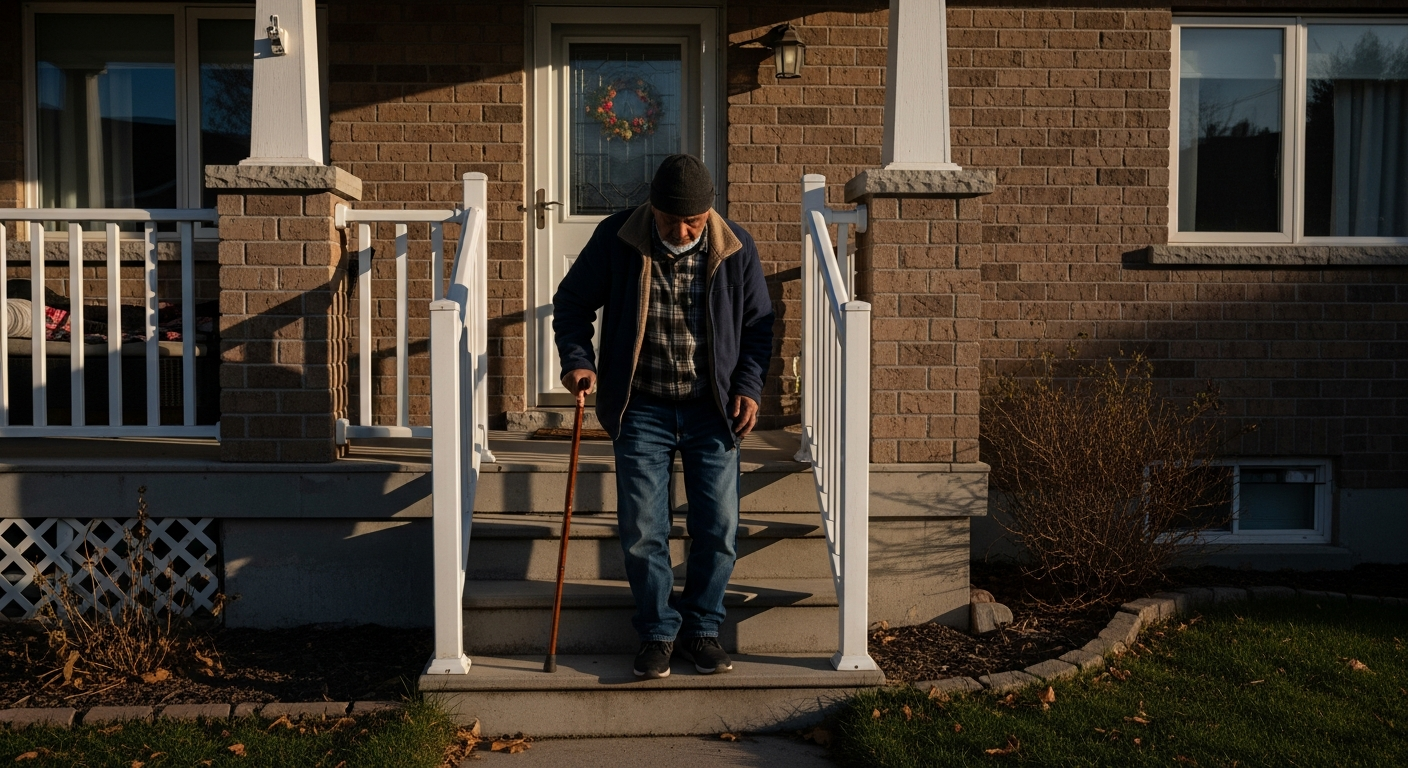
After Recovery: Managing the Reverse Mortgage Debt
If you survive and recover from critical illness, you'll have a reverse mortgage balance to manage. Options:
- Continue the reverse mortgage — if you're confident you'll stay in your home 10+ years, let the balance grow until you eventually sell or pass
- Repay partially — if recovery brings restored income, you might pay down part of the balance
- Refinance — if rates drop significantly, you could refinance into a traditional mortgage at lower cost
- Plan for repayment through estate — tell heirs the home will need to be sold or refinanced to cover the balance
The key is not to stress about repayment while recovering. Use the breathing room to restore your health and financial situation. Repayment is a future problem; recovery is today's priority.
The Bottom Line
A critical illness diagnosis in retirement is a financial earthquake. A reverse mortgage can't cure your condition, but it can stabilize your finances so you can focus on healing. If you own your home outright or have substantial equity, a reverse mortgage provides a rapid-access safety net that's cheaper, more flexible, and less burdensome than alternatives.
If illness is part of your current situation, discuss reverse mortgage options with an advisor who understands both the financial mechanics and the human reality of fighting illness in retirement.
Ready to explore how a reverse mortgage could help during or after a medical crisis? Reach out to discuss your situation confidentially.
Ready to Learn More?
Get the free Ontario Reverse Mortgage Guide and find out exactly how much you could unlock from your home.
Get My Free Guide →Related Articles
Reverse Mortgage for Elective Surgery and Medical Procedures: Health Investment Strategy
Use a reverse mortgage to fund elective surgery, dental work, fertility treatments, and other medical procedures. Ontario seniors' medical funding guide.
Read →Using a Reverse Mortgage as an Emergency Fund in Retirement
Discover how a reverse mortgage can serve as an emergency fund in retirement for Ontario seniors. Compare options, costs, and setup strategies.
Read →Reverse Mortgage for Healthcare Costs: Aging in Place in Ontario
How Ontario seniors use a reverse mortgage to fund home care, medical equipment, prescriptions, and healthcare expenses — and stay in their home longer.
Read →