
Reverse Mortgage for Aging Caregivers: Managing Your Health While Supporting Others
Aging caregivers need financial support too. Fund respite care, wellness, and medical needs while caring for aging parents or relatives.
You're caring for an aging parent or relative, but who's caring for you? Millions of Canadian adults over 55 juggle caregiving responsibilities while managing their own health. If you're caught in this position, a reverse mortgage can provide the financial breathing room you need.
This article is for educational purposes only and does not constitute financial advice.
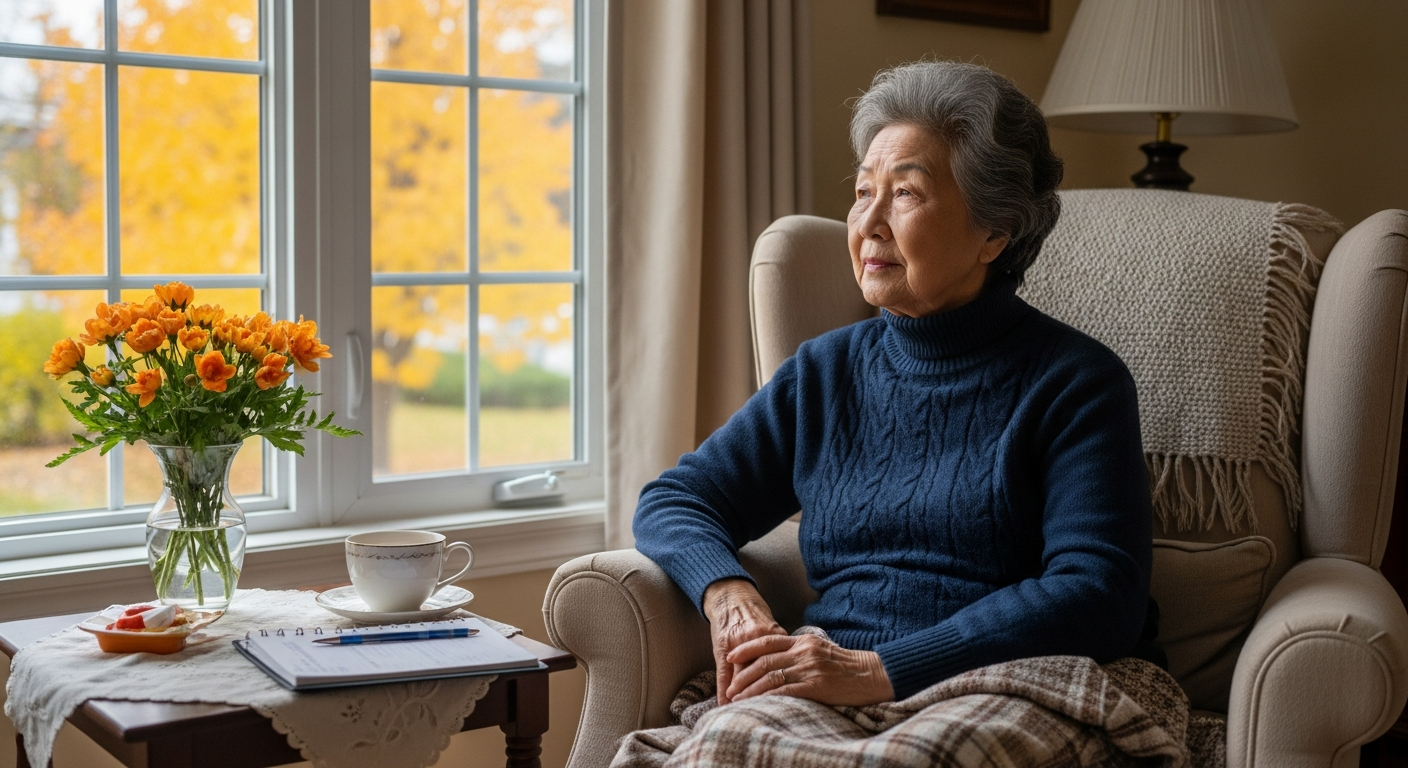
Caregiving is noble work, but it's exhausting. Family caregivers—especially those over 55—face mounting health risks: higher rates of depression, anxiety, high blood pressure, and heart disease. Many sacrifice their own medical care, wellness programs, and stress relief to stretch limited retirement income further.
A reverse mortgage offers a pathway to fund both: continue supporting your aging parent while investing in your own health and well-being.
The Hidden Cost of Caregiving at 55+
Many Ontario caregivers don't realize how much their caregiving responsibilities cost—in money, time, and health.
Typical Caregiver Expenses (Annual)
| Expense | Cost Range | Frequency |
|---|---|---|
| Medical care for parent (deductibles, specialists) | $1,000–$5,000 | Ongoing |
| Respite care (allowing you a break) | $2,000–$8,000 | As needed |
| Home modifications for parent's accessibility | $3,000–$15,000 | One-time or periodic |
| Transportation to appointments | $500–$2,000 | Monthly |
| Medications and medical supplies (parent) | $1,000–$4,000 | Ongoing |
| Your health management (therapy, wellness, medical) | $1,000–$4,000 | Ongoing |
| Household help to manage both needs | $2,000–$6,000 | As needed |
Most caregivers report skipping their own wellness, delaying medical care, and cutting back on mental health support—all to afford their parent's care.
According to the Canadian Caregiver Coalition, unpaid family caregivers provide an estimated $25 billion in care annually in Canada. In Ontario alone, over 3 million adults provide unpaid care—often while working and managing their own health conditions.

How a Reverse Mortgage Helps Aging Caregivers
A reverse mortgage unlocks home equity without monthly payments, creating a financial buffer for both your parent's care and your own health needs.
Sarah's Story: Balancing Care and Self-Care
Sarah, 64, has been caring for her mother (88) for five years. Her mother has arthritis and mobility issues requiring professional care three days a week. Sarah works part-time, managing her mother's medical appointments, coordinating care, and providing emotional support.
Sarah's own health suffered: she developed high blood pressure from stress, delayed a hearing aid purchase, and stopped her regular physical therapy for chronic back pain. Her retirement income covers basics but doesn't leave room for her mother's care and her own medical needs.
Using a reverse mortgage on her $480,000 Toronto home, Sarah accessed $150,000 in equity. She used it to:
- Hire professional caregivers 4 days per week instead of 3 ($12,000 annually)
- Fund her own medical care and preventive wellness ($3,000 annually)
- Establish a respite care fund for breaks ($2,000 annually)
- Home modifications for her mother's mobility ($15,000 one-time)
Result: Sarah can breathe. Her mother gets better care. Sarah's health is improving because she's no longer running on fumes.
Funding Your Self-Care as a Caregiver
Health and Wellness Priorities for Aging Caregivers
A reverse mortgage allows you to fund critical health needs often postponed:
✓ Mental health support — Therapy, counseling, or psychiatric care for caregiver stress and burnout
✓ Medical treatment — Procedures delayed due to cost (hearing aids, vision care, dental work, hip replacement, etc.)
✓ Preventive wellness — Fitness programs, nutrition coaching, stress management, yoga, or swimming classes
✓ Medication and prescriptions — Often unaffordable without coverage, especially multiple medications
✓ Respite care for yourself — Professional care for your aging relative so you can take breaks, vacations, or attend to your own needs
✓ Home modifications for dual accessibility — Your parent's mobility aids and your own accessibility needs (bathrooms, bedrooms, etc.)
✓ Household help — Cleaning, cooking, laundry support so you're not managing everything alone
The Caregiver Burnout Crisis and Financial Relief
Signs You're Experiencing Caregiver Burnout
- Constant fatigue despite adequate sleep
- Difficulty concentrating or memory problems
- Increased irritability or anger
- Withdrawal from friends and activities
- Neglecting your own medical care
- Increased reliance on alcohol or medications
- Feeling hopeless or depressed
If you recognize yourself in this list, a reverse mortgage can provide financial relief that allows you to seek professional support.

Structuring Your Reverse Mortgage for Dual Care Needs
Option 1: Lump Sum for Immediate Care Setup
Access a single lump sum to establish professional caregiving, home modifications, and fund a wellness budget upfront.
Option 2: Line of Credit for Flexibility
Set up a reverse mortgage line of credit (available from HomeEquity Bank and Equitable Bank). Draw funds as needed for your parent's unexpected medical costs and your own health needs without accruing interest on unused funds.
Option 3: Scheduled Monthly Draws
Some lenders allow monthly payment deposits—essentially creating supplemental retirement income dedicated to caregiving and health expenses.
Frequently Asked Questions
If I'm supporting my aging parent with reverse mortgage funds, does this affect their government benefits?
No. Reverse mortgage funds are a loan to you, not to your parent. Your parent's OAS, GIS, CPP, and provincial benefits are unaffected. However, if you gift money directly to your parent or place it in their name, it could trigger benefit clawbacks. Consult with Rick Sekhon about the best way to structure this.
What if I become unable to provide care due to my own health decline?
This is exactly why building respite care and professional support into your reverse mortgage is critical. You're ensuring that as your own health changes, your parent has already-established professional caregivers and your home is set up for professional care providers.
Can I use reverse mortgage funds to pay a family member (e.g., sibling) for helping with caregiving?
Yes, you can pay family members for caregiving services. Document the arrangement with written agreements and fair market rates. This ensures clarity and potential tax deductions. Consult an accountant familiar with family caregiving arrangements.
What happens to the reverse mortgage if my parent passes away while I'm still repaying?
The reverse mortgage remains your obligation. When you pass away or move from the home, your estate repays it from the home sale or other assets. Your parent's passing doesn't affect the mortgage—only your living situation changes it.
Will a reverse mortgage help me and my spouse if we're both caregivers?
Yes. If both spouses are on the mortgage and both are 55+, you can access home equity together. This is ideal for couples jointly managing a parent's care while navigating their own aging.
Action Steps: Starting Your Journey
Step 1: Acknowledge the cost Calculate your total caregiving and health expenses annually. This creates clarity about how much relief a reverse mortgage could provide.
Step 2: Get a property assessment Contact Rick Sekhon Reverse Mortgages for a free assessment of your home equity available for caregiving and health support.
Step 3: Establish your priorities Identify: (1) your parent's most critical care needs, and (2) your own health priorities. A reverse mortgage should address both.
Step 4: Compare lender options Different lenders offer different line-of-credit terms. Compare CHIP, Equitable Bank, Bloom Financial, and Home Trust to find the best fit for flexibility.
Step 5: Obtain independent legal advice Required before closing. Your lawyer will explain the implications and ensure you're protecting both your and your parent's interests.
Step 6: Set boundaries and create a sustainable plan Use reverse mortgage funds to build professional care structures, not to replace professional support with your own unsustainable efforts.
Speak to a licensed mortgage professional. Independent legal advice is required before closing a reverse mortgage in Ontario.
Key Takeaways
| Question | Answer |
|---|---|
| Can a reverse mortgage fund both my aging parent's care and my own health? | Yes. You can structure it to cover professional caregiving, home modifications, and your own medical and wellness needs. |
| Will reverse mortgage funds affect my parent's government benefits? | No, if the funds go to your reverse mortgage. Never place funds in your parent's name without consulting an advisor. |
| What if I need more funds than a reverse mortgage provides? | Combine a reverse mortgage with other resources: government caregiver benefits, provincial care programs, and family contributions. |
| Is it responsible to use home equity for caregiving instead of saving it for inheritance? | Yes. Your health and your parent's quality of life now are worth more than a larger inheritance later. |
This content is for illustrative purposes only. Rates may vary. Call Rick Sekhon for the best rates and more information.
Consult a qualified tax advisor for guidance specific to your situation.
Ready to Learn More?
Get the free Ontario Reverse Mortgage Guide and find out exactly how much you could unlock from your home.
Get My Free Guide →Related Articles
Reverse Mortgage for Caregiver Respite: Funding Your Break From Caregiving
Fund respite care and stress relief for family caregivers using a reverse mortgage. Caregiver wellness and burnout prevention in Ontario.
Read →Reverse Mortgage for Healthcare Costs: Aging in Place in Ontario
How Ontario seniors use a reverse mortgage to fund home care, medical equipment, prescriptions, and healthcare expenses — and stay in their home longer.
Read →Using a Reverse Mortgage to Care for Your Aging Parent: Adult Child's Guide
How to help aging parents stay in their home using a reverse mortgage. Guide for adult children navigating care costs, home modifications, and financial planning.
Read →