
Using a Reverse Mortgage to Care for Your Aging Parent: Adult Child's Guide
How to help aging parents stay in their home using a reverse mortgage. Guide for adult children navigating care costs, home modifications, and financial planning.
You've noticed your aging parent is struggling: climbing stairs is painful, the house needs modifications for safety, and care costs are mounting. As an adult child, you want to help them stay in their home — but you also need a realistic financial strategy.

A reverse mortgage can be a powerful tool to fund aging-in-place care, but it requires careful family planning and honest conversations. This guide walks you through the process from an adult child's perspective.
The Aging Parent's Situation
Common Scenarios Adult Children Face
| Situation | What You're Worried About |
|---|---|
| Parent wants to stay home, but can't afford renovations | Stair lift, grab bars, accessible bathroom cost $20,000–$50,000 |
| In-home care costs are eating savings quickly | In-home care = $25–$50/hour, 24/7 care = $600,000–$730,000/year |
| Parent's pension is fixed and insufficient | CPP alone isn't enough after health care and housing costs |
| Parent refuses to downsize or move | Emotional attachment to home outweighs financial logic |
| Parent has significant home equity but limited liquid savings | Home worth $600,000, savings only $50,000 |
| Multiple children involved, disagreements about inheritance | Siblings wonder if a reverse mortgage will reduce what they inherit |
A reverse mortgage directly addresses most of these concerns.
How a Reverse Mortgage Helps Care Funding
The Math: Reverse Mortgage vs Alternatives
Scenario: Your mother is 72, lives in Toronto. Home worth $800,000 (paid off). She needs $40,000 for a bedroom addition + bathroom modifications + stairlifts + initial care costs.
Option A: She asks you for help (family gift)
- You give her $40,000 from your savings
- Your own retirement is now weaker
- Awkward family dynamics ("I helped Mom, but my brother didn't contribute")
- May create resentment
Option B: She downsizes to a smaller home
- Sell current home ($800,000) → move to $500,000 condo
- Net proceeds: ~$270,000 (after realtor, legal costs, capital gains tax)
- Loss of family home, community, independence
- Condo may not be suitable for care needs anyway
Option C: She takes a reverse mortgage
- Borrow $40,000 to cover modifications
- No monthly payments (critical on fixed CPP income)
- Keep the home
- Monthly cost: ~$241/month in interest (not a payment, just accrual)
- At death, estate repays the debt from home sale
- Children's inheritance reduced by $40,000, but Mom gets proper care now
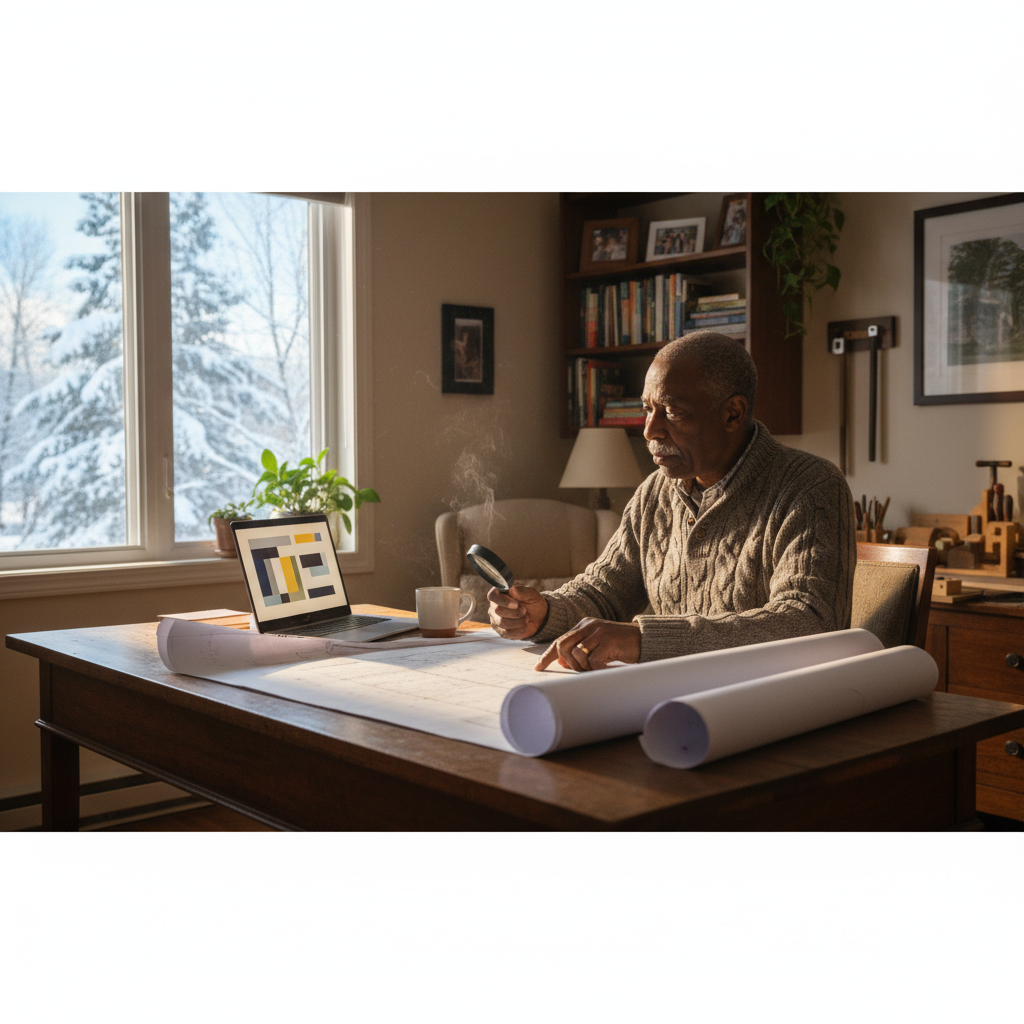
Which costs the least? It depends on what matters most: immediate access to funds (reverse mortgage), preserving inheritance (family gift), or emotional comfort (staying in home vs downsizing).
Who Initiates the Conversation?
If Your Parent Brings It Up
If your aging parent asks about a reverse mortgage:
- Don't dismiss it immediately — listen to their reasoning
- Ask questions:
- "How much are you thinking of borrowing?"
- "What will the funds be used for?"
- "Have you talked to a lawyer and licensed broker?"
- Offer support:
- "I'll help you find a qualified advisor"
- "Let's sit down together and review the numbers"
- "I want to understand this fully before you decide"
If You (the Adult Child) Want to Suggest It
This is more delicate. Your parent might feel:
- You're trying to prevent them from leaving you an inheritance
- You're questioning their financial judgment
- You think they're unable to manage their own finances
How to approach it:
-
Frame it as aging in place, not financial desperation
- "Mom, I know you love your home. Let's make sure you can stay here safely as you age."
- NOT "Mom, we need to deal with your money problem."
-
Research first — get information from a licensed broker before mentioning it
-
Bring it up when calm and unhurried
- Not during a moment of crisis (fall, illness, emergency)
- When there's time to discuss thoughtfully
-
Present it as one option among several
- "We could look at a reverse mortgage, or you could sell and move, or we could find different in-home care, or..."
- Give your parent autonomy in the decision
-
Involve other siblings (if applicable)
- Family meeting to discuss aging parent care
- Reverse mortgage becomes a group decision, not one child's idea
What You Need to Know as an Adult Child
What a Reverse Mortgage Will NOT Do
- It won't solve ongoing care costs long-term. A $100,000 reverse mortgage buys about 1–2 years of full-time in-home care, not 10+ years. Ongoing care costs require a separate plan (selling the home, moving to care facility, or family contributions).
- It won't prevent the inheritance conversation. Your parent's home is still left to you and your siblings — but the debt is repaid first.
- It won't stop decline. A reverse mortgage funds modifications and care, but it doesn't prevent the natural progression of aging.
How Your Parent's Inheritance Will Be Affected
Example:
| Stage | Status |
|---|---|
| Before reverse mortgage | Home worth $800,000; will be divided equally among 3 children = $267,000 each |
| After reverse mortgage | Parent borrows $300,000 over 10 years for care + modifications |
| When parent passes away | Home still worth $800,000; reverse mortgage balance: ~$500,000 (principal + interest) |
| After debt repayment | Net inheritance: $300,000; divided by 3 children = $100,000 each |
| Inheritance reduction | $267,000 → $100,000 per child (a $167,000 loss) |
This is a significant impact. It's why family honesty about the reverse mortgage is essential.
The No-Negative-Equity Guarantee Matters Here
If your aging parent lives an unusually long time, or the home's value declines, the NNEG protects you:

Example: Parent lives to 95. Home value is $800,000 originally, but has declined to $600,000 (market change). Reverse mortgage balance is now $700,000 (principal + interest from 20+ years).
Without NNEG: Estate would owe $700,000 but home is worth only $600,000. Gap of $100,000 could come from your parent's other assets or become unpaid.
With NNEG: Lender's claim is capped at the home value ($600,000). No additional payment is required. You inherit $0, but you don't owe the lender anything.
Having the Conversation With Your Parent
Key Points to Discuss
"Mom/Dad, let's talk about aging in place care. Here's what I'm thinking..."
-
Their preference: "Do you want to stay in your home as you age?" (If yes, reverse mortgage might help. If no, consider alternatives.)
-
Care needs: "What modifications or care support would make you feel safer?" (Expensive renovations = larger reverse mortgage.)
-
Financial picture: "Let's look at your savings, CPP, and how long those funds would last with in-home care."
-
Reverse mortgage as option: "One tool is a reverse mortgage. It lets you borrow against your home's value without monthly payments. Let's explore if it makes sense."
-
Inheritance impact: "I want to be honest—a reverse mortgage would reduce what your children inherit. Let's talk about whether that's acceptable to you."
-
Professional advice: "Let's find a lawyer and a licensed broker to review this together. I want you to make an informed decision."
Questions to Ask Together
- How much do we estimate aging-in-place care will cost?
- Is CPP + current savings enough for 5, 10, 15+ years?
- What home modifications are essential vs nice-to-have?
- How important is leaving an inheritance vs staying home?
- If the reverse mortgage runs out, what's the backup plan?
Sibling Coordination: Multiple Children
If your parent has multiple children, discuss the reverse mortgage together:
What to cover in a family meeting:
- Parent's wishes (aging in place vs alternatives)
- Cost estimates for care + modifications
- Whether everyone agrees a reverse mortgage makes sense
- Impact on each child's inheritance
- Who helps monitor the reverse mortgage long-term
Common sibling conflicts:
- One child wants to preserve inheritance; another prioritizes parent's comfort now
- One child thinks a reverse mortgage is debt; another sees it as practical
- One child lives nearby and cares for parent; others live far away and focus on inheritance
Address these openly. A family meeting with the advisor can help neutral third party explain the reverse mortgage.
Your Role as an Adult Child: Before, During, and After
Before Closing
- Help your parent find a qualified licensed broker
- Attend appointments if your parent wants
- Review the numbers (lender fees, interest rate, borrowing capacity)
- Ensure your parent consults an independent lawyer (required in Ontario)
- Ask questions on behalf of your parent
After Closing
- Monitor that funds are used as intended
- Help track the reverse mortgage balance (annual statement)
- Discuss any changes to your parent's needs or preferences
- Plan for long-term care strategy (if reverse mortgage funds run out)
When Your Parent Passes Away
- Notify the lender
- Obtain a payout figure (amount owed)
- Coordinate with executor to repay from home sale proceeds
- Manage the estate distribution
Frequently Asked Questions
Q: Can my parent change their mind after getting a reverse mortgage?
A: Yes. They can repay it anytime (subject to prepayment penalties). If they later want to move or downsize, the reverse mortgage can be paid off from sale proceeds.
Q: Will a reverse mortgage affect my parent's eligibility for government programs like OAS or GIS?
A: No. Reverse mortgage funds are not income, so they don't affect OAS or GIS eligibility.
Q: What if I want to help pay off the reverse mortgage after my parent passes?
A: Absolutely. You can pay the lender the full balance from your parent's estate, and inherit the remaining equity. This is common when children want to preserve more of the inheritance.
Q: What if my parent has already applied for long-term care or needs to move to a care facility soon?
A: Once your parent moves out of their home permanently, the reverse mortgage becomes due. If they're moving within months, a reverse mortgage may not make sense (not enough time to recoup the costs).
This article is for educational purposes only and does not constitute financial advice.
Consult a qualified elder care advisor and lawyer for guidance specific to your family situation.
Speak to a licensed mortgage professional. Independent legal advice is required before closing a reverse mortgage in Ontario.
Help your aging parent plan for care. Get your free Ontario Reverse Mortgage Guide →
Also read:
- Long-term care planning and reverse mortgages
- Reverse mortgage for home renovations — aging in place
- Parents want a reverse mortgage: Guide for adult children
This content is for illustrative purposes only. Rates may vary. Call Rick Sekhon for the best rates and more information.
Ready to Learn More?
Get the free Ontario Reverse Mortgage Guide and find out exactly how much you could unlock from your home.
Get My Free Guide →Related Articles
Reverse Mortgage for Home Renovations: Aging in Place Guide for Ontario Seniors
Learn how to use a reverse mortgage to fund home renovations and modifications that let you age in place safely and comfortably in your Ontario home. Includes cost examples and step-by-step process.
Read →Long-Term Care Planning with a Reverse Mortgage in Ontario
What happens to your reverse mortgage if you move to a nursing home or long-term care facility? Understand the timeline, repayment triggers, and family planning strategies.
Read →My Parents Want a Reverse Mortgage: A Guide for Adult Children
Your parents are considering a reverse mortgage — here's what you need to know. Covers inheritance impact, warning signs, how to support the process, and what questions to ask.
Read →