
Reverse Mortgage for Caregiver Respite: Funding Your Break From Caregiving
Fund respite care and stress relief for family caregivers using a reverse mortgage. Caregiver wellness and burnout prevention in Ontario.
Are you a caregiver who hasn't had a break in months? Family caregivers — adult children caring for aging parents, spouses caring for spouses, or grandparents raising grandchildren — are at high risk for burnout, depression, and health decline. Yet access to professional respite care is often limited by cost. A reverse mortgage can fund the respite breaks that keep you healthy and your family sustainable.
This guide explores how Ontario caregivers 55+ can use home equity to afford respite care, maintain their own wellbeing, and prevent caregiver burnout.

What Is Respite Care and Why Is It Critical?
Respite care is short-term, temporary care provided to an aging loved one while the primary caregiver takes a break. It might be:
- In-home respite: A trained caregiver comes to your home for several hours or overnight while you rest or attend to your own needs
- Adult day programs: Your loved one attends a supervised program while you have time for yourself
- Overnight facility respite: Your loved one stays in a care facility for a few days or a week while you take a holiday or handle personal matters
- Specialized respite: Care for specific conditions (dementia, Parkinson's, mobility limitations) provided by trained professionals
According to Statistics Canada, over 2.8 million Canadians provide unpaid care to family members, and caregiver stress is a leading driver of health problems among adult children and spouses.
The Hidden Cost of Caregiver Burnout
Caregiver burnout isn't just uncomfortable — it's expensive and dangerous. When caregivers burn out:
- Health crises increase — caregivers experience higher rates of depression, heart disease, and stroke
- Care quality declines — exhausted caregivers are less attentive, more prone to accidents, and unable to recognize changes in their loved one's condition
- The care relationship deteriorates — frustration and resentment build, sometimes leading to elder abuse (unintentional or otherwise)
- Institutional placement accelerates — stressed families often move loved ones to care facilities sooner than necessary, at higher cost and emotional toll
Respite care costs in Ontario range from $20–$40/hour for in-home care to $150–$300/day for facility respite. For a caregiver who needs one week of overnight respite per month, annual costs range from $6,000 to $18,000.
Real-World Scenario: James and His Mother
James, 58, has been the primary caregiver for his mother, Patricia, 87, for four years. Patricia has early-stage dementia and mobility limitations. James works part-time (he reduced hours to provide care) and has little savings beyond his home equity.
James hasn't had more than 24 hours away from his mother in two years. He's begun experiencing insomnia, weight gain, and high blood pressure — all stress-related. His relationship with his wife is strained because he's emotionally unavailable.
The problem: Respite care through Ontario health agencies is often limited or unavailable, and private respite care costs $3,000–$4,000 per month. James can't afford it on his part-time salary and CPP.
The solution: James obtained a $150,000 reverse mortgage against his $650,000 home (21% LTV — conservative for his age and property). He used a portion of the funds to arrange respite care: $1,000/month for in-home respite (4 hours per week) and one week of overnight facility respite quarterly ($1,800).
With monthly respite, James now gets:
- Weekly breaks: 4–5 hours alone to exercise, socialize, or manage personal errands
- Quarterly holidays: One week away with his wife each year
- Peace of mind: Professional caregivers monitor his mother while he's unavailable
The reverse mortgage interest will accumulate over time, but James has gained years of quality caregiving, better health outcomes, and a sustainable family dynamic. The home will be liquidated to repay the reverse mortgage after his mother passes or moves to long-term care.
| Caregiver Cost | Amount | Annual Total |
|---|---|---|
| In-home respite (4 hrs/week @ $25/hr) | $400/month | $4,800 |
| Quarterly overnight respite (7 nights @ $250/night) | $350/month avg | $4,200 |
| Adult day program (2x/month) | $200/month | $2,400 |
| Total respite cost | $950/month | $11,400/year |
| Funded by reverse mortgage proceeds | Up to $150,000+ | 10–13 years |
How a Reverse Mortgage Funds Respite Care

A reverse mortgage provides flexible funding for respite care in several ways:
1. Lump-sum advance: Receive the funds upfront and set aside a dedicated respite care budget 2. Line of credit: Draw funds as needed for respite expenses, only paying interest on amounts drawn 3. Monthly payments: Structure the reverse mortgage as monthly draws that cover respite costs automatically
Most Ontario caregivers choose a combination: a modest lump sum for immediate needs plus a line of credit for ongoing respite scheduling.
Why Traditional Borrowing Doesn't Work
Respite care isn't an "emergency" in the conventional sense, so it often falls through the cracks:
- HELOCs require employment income — part-time or retired caregivers may not qualify
- Personal loans cap at $50,000 — insufficient for years of respite care
- Credit cards carry high interest — 19%–22% makes respite care unaffordable
- Family loans create tension — asking children or siblings for thousands of dollars is emotionally complex
A reverse mortgage removes all these barriers. No income verification, no monthly payments, no family involvement required.
Provincial and Federal Respite Support (Partial, Often Limited)
Ontario has some respite programs, but they're often fragmented and insufficient:
Ontario Health (Ministry of Health) Services:
- Adult day programs: Sometimes subsidized, but waitlists are common
- In-home respite through community support programs: Variable by region; often prioritizes low-income families
- Long-term care home respite: Limited availability; usually short stays only
Caregiver support funding (partial):
- Some employers offer elder care assistance programs
- Some charities (e.g., Alzheimer's Society Ontario) offer subsidized respite for dementia caregivers
- CPP Disability Benefit includes respite allowance (only if your loved one qualifies)
According to Caregivers Ontario, the gap between available respite services and actual caregiver need is substantial. Most respite care is funded privately by families.
Respite Care Options and Costs (Ontario 2026)
| Respite Type | Cost | Duration | Best For |
|---|---|---|---|
| In-home respite (hourly) | $22–$40/hr | 2–8 hours | Weekly breaks; affordable |
| Adult day program | $60–$100/day | 6–8 hours | Social engagement; supervision |
| Overnight facility respite | $200–$350/night | Overnights to weeks | Extended breaks; holidays |
| Live-in respite | $120–$180/day | Multi-day stays | Intensive care needs |
| Companion care (personal assistant) | $18–$30/hr | Variable | Light care; household help |
For a caregiver taking one week of overnight respite quarterly plus weekly in-home support, annual respite costs typically range from $8,000 to $15,000 — amounts that a reverse mortgage can sustain for 10–15 years.
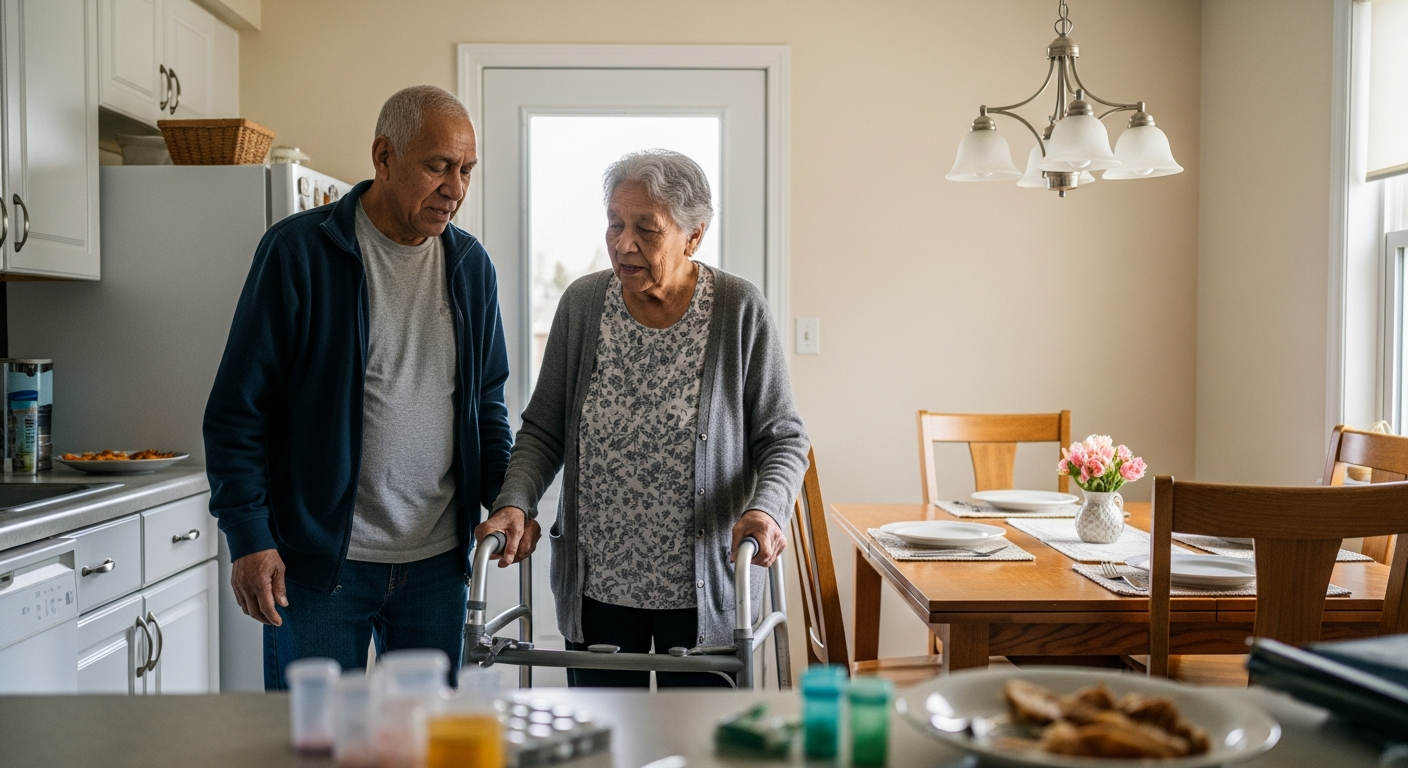
According to Caregiver Action Network, respite care is the #1 unmet need for family caregivers, yet those who access it report dramatically improved mental health and reduced caregiver burden.
The Caregiver Sustainability Framework
Think of a reverse mortgage respite strategy as an investment in caregiver sustainability:
✓ Your health: Regular breaks reduce stress, depression, and health crises ✓ Better care: Rested caregivers provide higher-quality, more patient care ✓ Family stability: Marital and family relationships improve when the primary caregiver isn't exhausted ✓ Delayed institutionalization: Many seniors age in place longer when caregivers are healthier and more stable ✓ Peace of mind: Professional caregivers bring trained eyes; you'll notice changes earlier
Frequently Asked Questions
Will getting a reverse mortgage affect my ability to care for my loved one?
No. A reverse mortgage doesn't change your caregiving role or require you to work. You'll simply have access to funds for respite without monthly payments.
Can I use reverse mortgage funds for respite care if I'm not the homeowner?
No, but your aging parent might be. If your parent owns the home and is 55+, they could obtain a reverse mortgage to fund respite care for themselves while you're their primary caregiver. This removes the financial burden from you.
What if my loved one needs to move to long-term care? Can I still keep the reverse mortgage?
The reverse mortgage is secured against the home, not the person living in it. If your loved one moves to a care facility, you can continue to live in the home and maintain the reverse mortgage until you sell or move yourself.
How do I choose between a lump-sum reverse mortgage and monthly payment options?
Start with monthly payments to cover ongoing respite costs, then add a modest lump sum for emergency situations or unexpected respite needs. This hybrid approach maximizes flexibility.
Next Steps: Accessing Respite Care With a Reverse Mortgage
- Assess your respite needs: Determine how many hours/days of respite you need monthly and what type (in-home, facility, day program)
- Price local respite services: Contact Ontario caregiver support organizations and private agencies for current rates
- Calculate your annual respite budget: Multiply monthly costs by 12 and add 20% for flexibility
- Contact Rick Sekhon Reverse Mortgages: Explore how much you can borrow and structure the reverse mortgage to support your respite plan
- Consult with your loved one: Discuss the arrangement and help them understand the respite care plan
Your wellbeing as a caregiver is essential. Respite care funded by a reverse mortgage isn't a luxury — it's a sustainability tool.
Ready to Learn More?
Get the free Ontario Reverse Mortgage Guide and find out exactly how much you could unlock from your home.
Get My Free Guide →Related Articles
Reverse Mortgage for Caregivers: Fund In-Home Care in Ontario
Ontario seniors caring for a spouse or partner at home can use a reverse mortgage to fund professional in-home care, home modifications, and medical costs without selling.
Read →Reverse Mortgage for Healthcare Costs: Aging in Place in Ontario
How Ontario seniors use a reverse mortgage to fund home care, medical equipment, prescriptions, and healthcare expenses — and stay in their home longer.
Read →The Sandwich Generation: Reverse Mortgages for Multi-Parent Care in Ontario
Caring for aging parents from different homes? Learn how reverse mortgages help sandwich generation adults fund in-home care, assisted living, or supporting multiple parents simultaneously.
Read →