
Reverse Mortgage for Equipment Maintenance and Upgrade Cycles
Plan for ongoing accessibility equipment maintenance and upgrades in aging in place with a reverse mortgage in Ontario.
You've invested $15,000–$30,000 in accessibility equipment—a stair lift, grab bars, mobility aids, bathroom adaptations, smart home safety systems—but now you realize these devices don't last forever. Stair lifts wear out after 10–15 years, grab bars corrode, medical equipment needs replacement, and new accessibility technology becomes available. A reverse mortgage allows you to plan for ongoing equipment maintenance and upgrade cycles so you can age in place without financial surprises.

The Hidden Cost of Aging in Place: Equipment Lifecycle
Accessibility equipment requires continuous investment:
| Equipment Type | Lifespan | Replacement/Maintenance Cost | Frequency |
|---|---|---|---|
| Stair lift (motorized) | 10–15 years | $3,500–$6,000 replacement | Every 10–15 years |
| Grab bars (bathroom safety) | 15–20 years | $1,500–$3,000 replacement | Every 15–20 years |
| Walk-in tub or shower system | 12–20 years | $2,500–$8,000 replacement | Every 12–20 years |
| Mobility walker or electric scooter | 5–7 years | $1,000–$3,000 replacement | Every 5–7 years |
| Monitoring/alert system (medical alert) | 2–3 years | $300–$800 annual subscription | Ongoing |
| Smart home safety tech (fall detection, motion sensors) | 5–10 years | $200–$1,000 annual | Ongoing with upgrades |
| Wheelchair ramp or platform lift | 12–15 years | $2,000–$5,000 maintenance/replacement | Every 12–15 years |
Total ongoing equipment costs over 20 years of aging in place: $15,000–$40,000+
Without planning, you face a crisis: your stair lift breaks down at age 82, and you can't afford the $5,000 replacement. You're forced to relocate to a facility or go into debt.
A reverse mortgage allows you to budget for this inevitable equipment lifecycle, ensuring you can stay in your home as equipment wears out and technology improves.
Planning Your Equipment Maintenance Budget
Effective planning involves three components:
1. Audit Existing Equipment
List every accessibility device in your home:
- Installation date and expected lifespan
- Current condition and maintenance needs
- Estimated replacement cost
- Timeline for likely replacement
2. Project Future Costs
Create a timeline for replacements over the next 15–20 years. Example:
| Year | Equipment Need | Estimated Cost |
|---|---|---|
| 2026 (now) | Bathroom grab bars maintenance | $500 |
| 2027–2028 | Mobility scooter replacement (current one failing) | $2,500 |
| 2029 | Smart home sensor upgrades | $1,500 |
| 2031 | Stair lift maintenance (currently 8 years old) | $800 |
| 2033 | Stair lift replacement (EOL) | $5,000 |
| 2035 | Walk-in tub refinishing or replacement | $4,000 |
| 2037 | Full bathroom renovation for aging needs | $12,000 |
| 2038 | Medical alert system upgrades | $300/year ongoing |
| Total projected need (2026–2038): $27,000 |
3. Fund via Reverse Mortgage
Take a reverse mortgage sufficient to cover:
- Immediate repairs: $2,000–$5,000
- Projected 10-year maintenance: $20,000–$30,000
- Emergency reserve: $5,000–$10,000
An Ontario homeowner with a $600,000 home might access $40,000–$60,000 in reverse mortgage funds, providing security for equipment maintenance through their late 80s or early 90s.
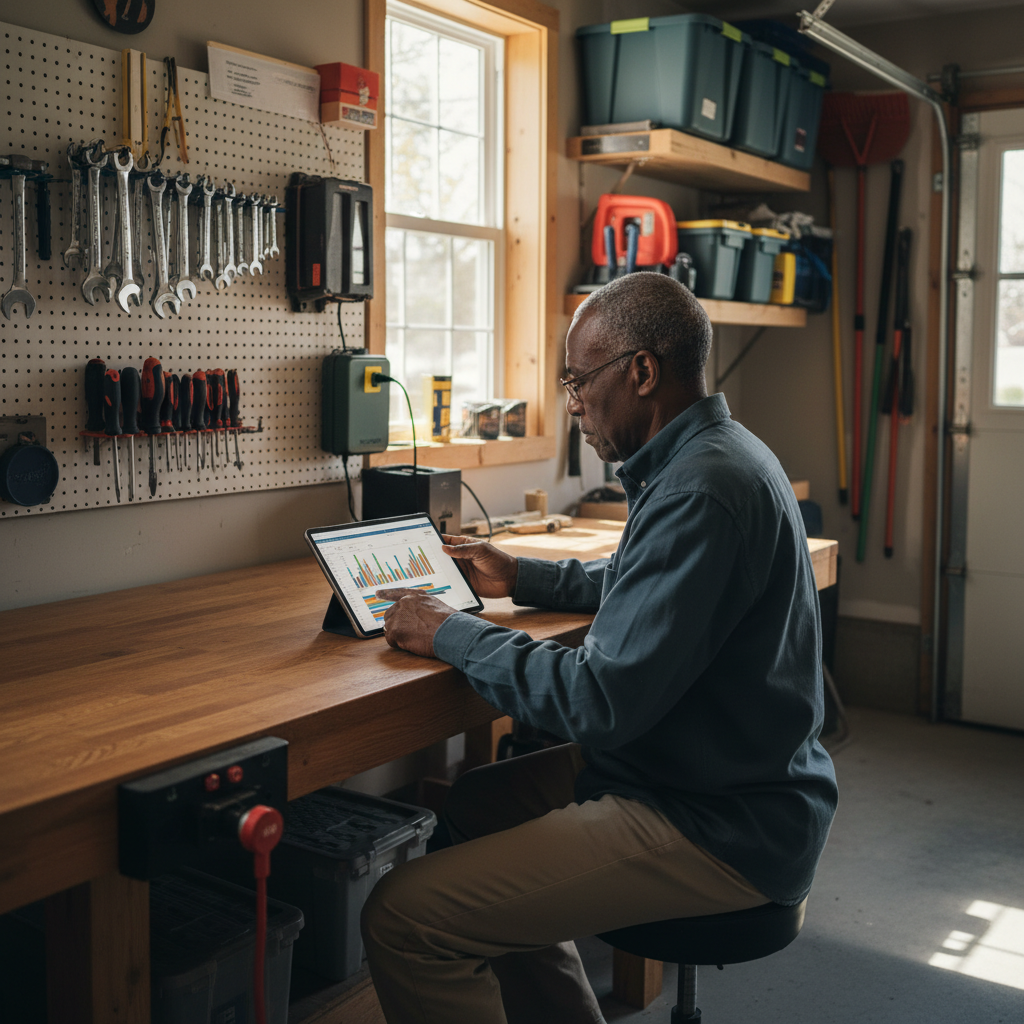
Real-World Scenario: Tom's Equipment Maintenance Plan
Tom (79) has successfully aged in place in his Toronto home for 10 years using:
- Electric stair lift (installed 2015, showing wear)
- Shower grab bars and non-slip flooring
- Walk-in tub installed in 2016
- Medical alert system (2022)
- Recent smart home fall-detection system ($2,000)
Tom lives on CPP + OAS ($28,000/year). His home is worth $725,000. He has minimal savings beyond his pension. When his stair lift started making concerning noises in 2024, he realized he's vulnerable:
- Stair lift replacement: $5,500
- Walk-in tub is 8 years old; plumbing systems may need attention soon
- Grab bars showing rust and corrosion
- Medical alert system subscription: $50/month ongoing
Tom's concern: What if multiple pieces fail simultaneously? He can't afford $15,000 in emergency equipment replacement.
Solution: Tom takes a $35,000 reverse mortgage:
- Stair lift replacement: $5,500 (immediate)
- Bathroom system repairs/upgrades: $6,000 (next 2 years)
- Smart home upgrade budget: $3,000 (fall prevention enhancement)
- Medical equipment subscriptions: $300/year (budgeted for 10 years = $3,000)
- Emergency reserve: $17,500 (for unexpected equipment failure)
Outcome: Tom can age in place confidently, knowing equipment maintenance won't force him into a crisis. When the walk-in tub needs refinishing in 2028, he has funds available. When new fall-detection technology emerges, he can upgrade. His home remains fully accessible, and he maintains independence through his 80s.
The cost of the reverse mortgage ($35,000 at 5.5%) is $1,925/year in interest—easily justified compared to the security of staying in his home.
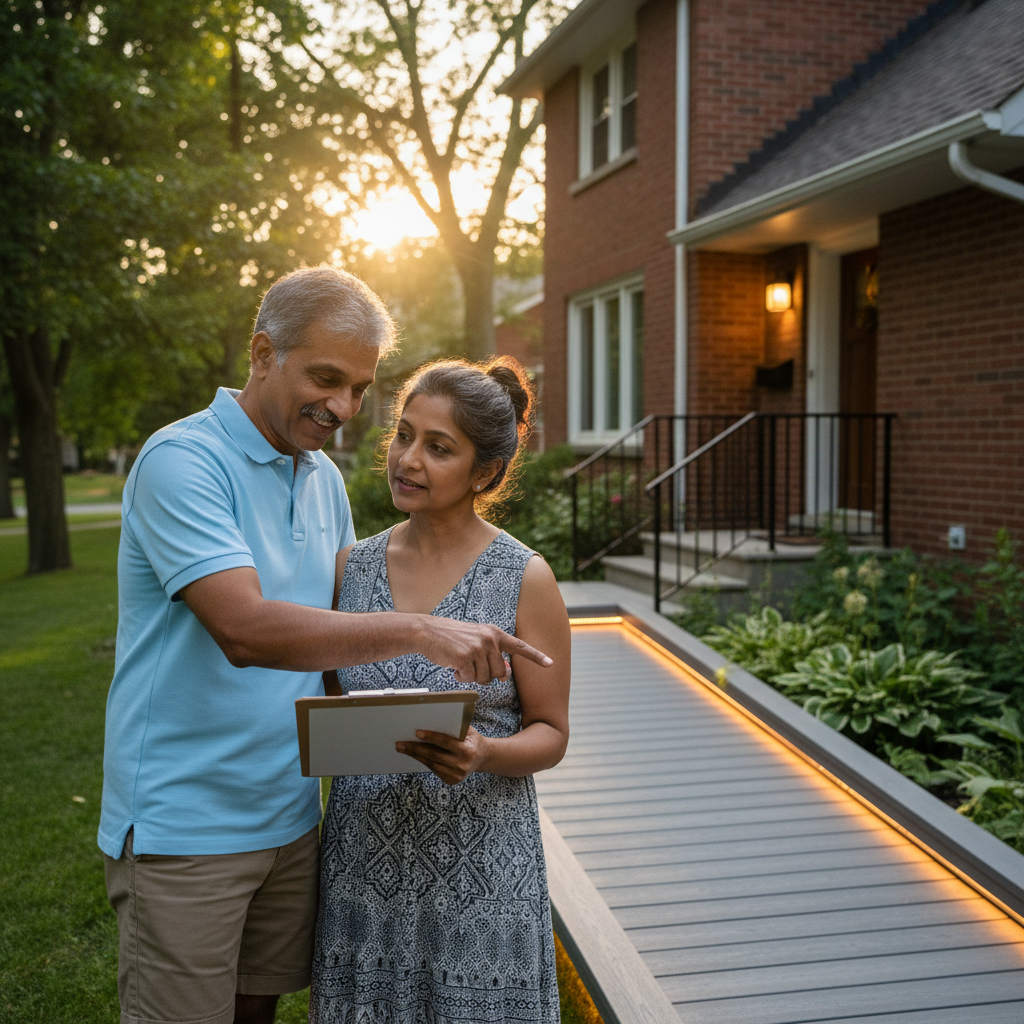
Upgrade Opportunities: Newer Accessibility Technology
As you age, new accessibility technology becomes available:
✓ AI-powered fall detection — modern sensors detect falls without requiring you to press a button ✓ Voice-controlled home automation — lights, temperature, locks controlled by voice commands ✓ Robotic assistance — exoskeletons and robotic aids support mobility and independent living ✓ Telehealth-enabled home — smart home systems integrate with your doctor for remote monitoring ✓ Predictive health monitoring — sensors monitor sleep, activity, heart rate, detecting health changes early
An aging-in-place budget funded by a reverse mortgage allows you to adopt these new technologies without depleting fixed retirement income. You're not stuck with 2015-era accessibility equipment; you can upgrade to 2030s technology as it becomes available.
Maintenance vs. Replacement: Cost-Benefit Analysis
When equipment fails, you face a choice:
| Decision | Stair Lift Example |
|---|---|
| Repair a 12-year-old stair lift | $1,200–$1,800 repair, 2–3 more years of life |
| Replace with new 15-year-warranty lift | $5,000–$6,000 upfront, no repair costs for 15 years, improved safety features |
| Rent temporary mobility solution | $500–$800/month while deciding |
With reverse mortgage funds available, you can afford new, reliable equipment rather than being forced into endless repairs on aging equipment. This improves safety and reliability.
Frequently Asked Questions
How much should I budget annually for equipment maintenance?
For ongoing aging in place, plan $1,500–$2,500/year for maintenance, repairs, and subscriptions. A $40,000 reverse mortgage covers approximately 15–25 years of typical equipment costs.
Should I purchase extended warranties on accessibility equipment?
For major items (stair lifts, walk-in tubs), extended warranties are worthwhile—typically $500–$1,500 for 5-10 year coverage. These reduce uncertainty in repair costs.
What if I need equipment I didn't anticipate?
Reverse mortgage funds are flexible. If you develop arthritis requiring new mobility aids, or if you need home health monitoring technology, you can access additional funds as needed.
Do I need to budget for professional installation?
Yes. Professional installation for stair lifts, grab bars, and bathroom fixtures adds $1,500–$4,000. Budget separately for installation vs. equipment cost.
Can I include smart home upgrades as "accessibility equipment"?
Yes. Smart home systems (voice controls, automated lighting, motion sensors) are legitimate accessibility tools for aging in place. They count toward your aging-in-place reverse mortgage budget.
Next Steps
Aging in place requires planning for equipment maintenance and upgrades across 15–25 years. A reverse mortgage ensures you're never forced to relocate due to equipment failure. Speak with Rick Sekhon Reverse Mortgages to develop an equipment maintenance plan and access the funds to support it.
Ready to Learn More?
Get the free Ontario Reverse Mortgage Guide and find out exactly how much you could unlock from your home.
Get My Free Guide →Related Articles
Home Accessibility on a Budget: Must-Have Modifications for Aging in Place
Guide to affordable home accessibility modifications for aging in place in Ontario. Reverse mortgage funding for critical safety upgrades.
Read →Fund Home Modifications to Age in Place: Ontario Guide
Discover how a reverse mortgage can finance accessibility upgrades, care services, and renovations to stay safely in your Ontario home as you age.
Read →Reverse Mortgage for Medical Devices and Mobility Equipment
Learn how Ontario seniors can use reverse mortgages to fund essential medical devices, mobility aids, and specialized equipment to maintain independence and safety at home.
Read →