
Reverse Mortgage for Medical Devices and Mobility Equipment
Learn how Ontario seniors can use reverse mortgages to fund essential medical devices, mobility aids, and specialized equipment to maintain independence and safety at home.
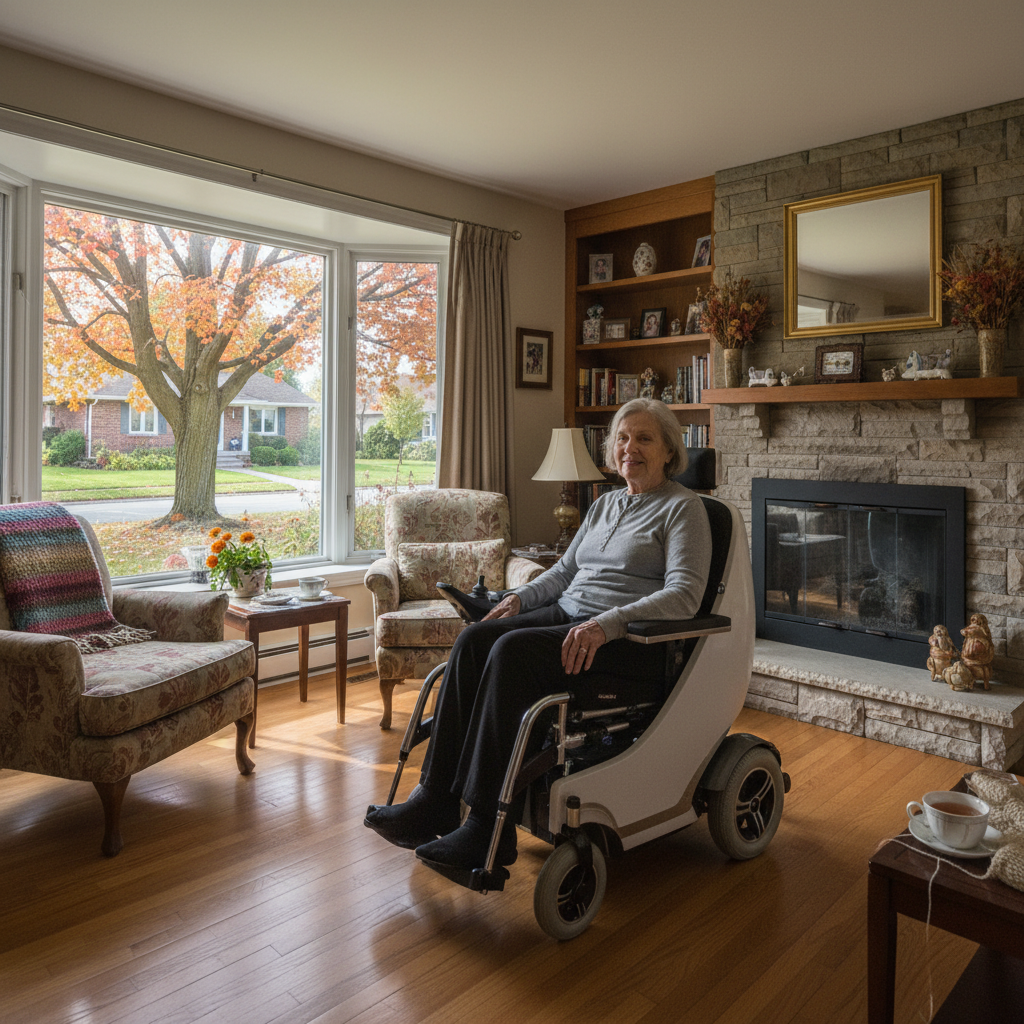
Advanced medical devices and specialized mobility equipment enable Ontario seniors to age safely at home. From powered lift chairs ($3,000–$6,000) to hospital beds ($2,000–$5,000) to oxygen concentrators ($3,000–$4,000), these devices improve quality of life and reduce fall risk. Yet provincial health plans don't cover all equipment, and private funding feels burdensome on fixed retirement income. A reverse mortgage provides tax-free funds for essential medical equipment without disrupting your retirement budget.
This article is for educational purposes only and does not constitute financial advice.
Medical Devices That Support Aging in Place
Mobility Equipment: Walkers, canes, wheelchairs, mobility scooters ($1,000–$8,000), lift chairs ($3,000–$6,000), transfer assist equipment ($2,000–$4,000).
Respiratory Equipment: Oxygen concentrators ($3,000–$4,000), CPAP machines ($2,000–$3,000), nebulizers ($300–$500), BiPAP machines ($2,500–$4,000).
Bathroom Safety: Accessible toilet seats and grab bars ($300–$1,000), walk-in shower systems ($5,000–$15,000), pressure-relieving mattresses ($2,000–$5,000).
Communication and Monitoring: Medical alert systems ($25–$60 monthly), blood pressure monitors ($100–$300), glucose monitors ($300–$500), fall detection sensors ($200–$400).
Pain Management: Transcutaneous electrical nerve stimulation (TENS) units ($500–$2,000), infrared therapy lamps ($300–$1,000), adjustable beds ($2,000–$8,000).
Total potential need: $10,000–$50,000+ depending on health conditions.
Why Provincial Coverage Leaves Gaps
Ontario's health system covers some assistive devices through specialized programs (AADL—Assistive Devices Program), but coverage is limited. AADL may cover wheelchairs, walkers, and limited other devices, but:
- Income and asset tests may disqualify wealthier seniors
- Coverage is capped (e.g., $2,000–$3,000 per device category)
- Equipment must meet specific criteria; newer, more advanced models may not qualify
- Waiting lists can extend coverage delays
- Batteries, replacement parts, and maintenance are rarely covered
Private insurance (if available) often has annual caps and pre-existing condition exclusions. Many seniors self-fund or go without, accepting reduced mobility and safety.
How a Reverse Mortgage Funds Medical Equipment
A reverse mortgage provides immediate access to equipment funding:
- No waiting lists — you access funds immediately to purchase equipment when needed
- No health qualification — some programs require medical approval; reverse mortgages don't
- Flexible purchasing — you can buy the best equipment available, not just what insurance approves
- No monthly payments — retirement income remains available for other needs
- Ongoing access — a line of credit allows you to add equipment as health needs evolve
Real-World Scenario
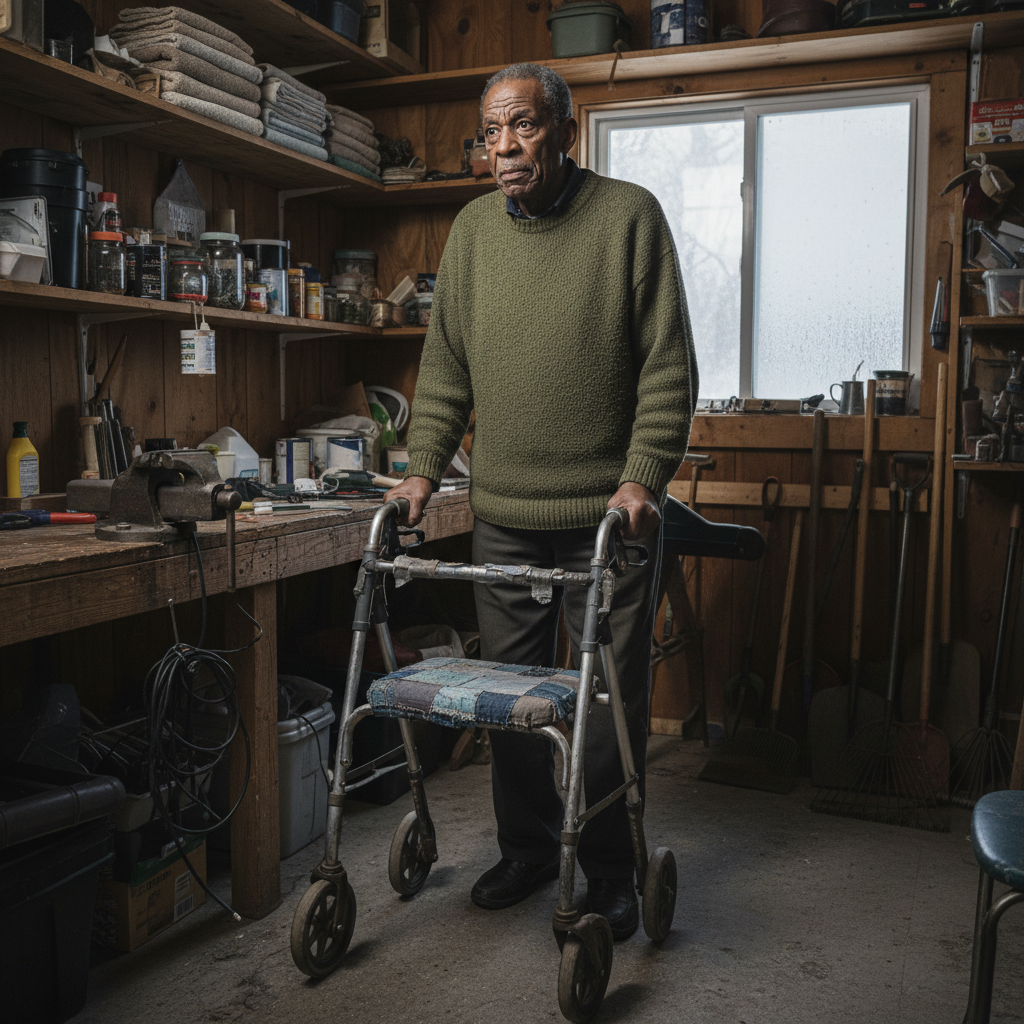
George, 76, from Ottawa has mild COPD and is increasingly immobile. His respiratory doctor recommends a high-capacity oxygen concentrator ($4,000) and a mobility scooter ($5,500) to maintain independence. An adjustable bed would help his breathing ($4,000). Total: $13,500.
George's fixed pension is $3,000 monthly. He owns his home ($520,000) outright. Rather than deplete emergency savings, George obtains a reverse mortgage for $50,000. He purchases the oxygen concentrator, scooter, and bed immediately. Equipment is in place, and George maintains independence and safety in his home.
Key Considerations
Medical Necessity: Consult your doctor before purchasing equipment to ensure recommendations are sound. Some devices require prescriptions or medical documentation.
Equipment Lifespan: Medical equipment requires maintenance and eventual replacement. An oxygen concentrator lasts 5–7 years; batteries for mobility scooters need replacement annually. Factor future costs into your borrowing plan.
Lender Approval: CHIP, Equitable Bank, Bloom Financial, and Home Trust all operate in Ontario. Approval is based on age and property value, not health status.
Compound Interest: If George borrows $13,500 at 7.5% and doesn't repay it, the debt grows to approximately $16,000 after five years. However, the equipment's value—improved health, maintained independence, reduced fall risk—often exceeds the cost.
No Restrictions on Use: Reverse mortgage funds can be used for any equipment; there's no requirement that it be medically necessary or government-approved.
Timeline and Process
Getting a reverse mortgage to purchase medical equipment typically takes 4–6 weeks:
- Consult your doctor — confirm equipment recommendations
- Research equipment — identify specific devices and costs
- Apply for reverse mortgage — discuss your needs with Rick Sekhon Reverse Mortgages
- Home appraisal — lender orders valuation
- Approval and independent legal advice — 2–4 weeks
- Closing — funds available
- Equipment purchase — buy from suppliers and arrange delivery/installation
Alternatives to Consider
AADL (Assistive Devices Program): Ontario's primary assistive device program. Eligibility depends on income and asset tests. If eligible, coverage significantly reduces out-of-pocket costs.
Private insurance: Check if your supplemental health insurance covers any devices. Some plans cover oxygen, CPAP, or mobility aids.
Equipment donations and used markets: Some organizations donate used equipment. Buy-and-sell groups for mobility equipment may offer lower-cost options.
Rental vs. purchase: Some equipment (scooters, hospital beds) can be rented monthly ($100–$300) rather than purchased. For short-term needs, rental is more affordable.
A reverse mortgage is best for homeowners who need equipment immediately, don't qualify for government programs, and want to avoid payment obligations.

FAQ
Q: Does purchasing medical equipment with reverse mortgage funds affect government benefits? A: No. Reverse mortgage proceeds are loans, not income, so they don't affect OAS, GIS, or CPP. Equipment ownership doesn't affect benefits either.
Q: Can I get funding through my provincial health plan first? A: Yes. Apply for AADL and other provincial programs. If eligibility is denied or coverage is insufficient, a reverse mortgage can fill the gap.
Q: What if I purchase equipment and later don't need it? A: A reverse mortgage doesn't require you to spend borrowed funds. If you borrow $50,000 but only use $10,000, you owe interest only on the $10,000 actually drawn (if a line of credit).
Q: How long will medical equipment last? A: Lifespan varies: oxygen concentrators (5–7 years), mobility scooters (4–6 years), hospital beds (10+ years), CPAP machines (3–5 years). Plan for replacement costs.
Q: Can I deduct medical equipment costs on my taxes? A: Possibly. Medical expense tax credits are available for qualifying devices if you meet income thresholds. Consult a tax advisor about specific equipment eligibility.
The Bottom Line
Medical devices and mobility equipment are investments in independence, safety, and quality of life. For Ontario seniors 55+, a reverse mortgage can provide quick, affordable access to the equipment needed to age safely at home.
Speak to a licensed mortgage professional. Independent legal advice is required before closing a reverse mortgage in Ontario. Additionally, consult your physician before purchasing medical equipment to ensure recommendations are appropriate.
Ready to invest in your health and independence? Contact Rick Sekhon, a licensed reverse mortgage specialist, to explore how a reverse mortgage can fund the equipment you need to age in place.
This content is for illustrative purposes only. Rates may vary. Call Rick Sekhon for the best rates and more information.
Ready to Learn More?
Get the free Ontario Reverse Mortgage Guide and find out exactly how much you could unlock from your home.
Get My Free Guide →Related Articles
Reverse Mortgage on a Condo in Ontario: Complete 2026 Guide
Learn about reverse mortgages on condos in Ontario, including eligibility requirements, special considerations, and fees involved.
Read →Working with an Accountant: When Reverse Mortgage Tax Planning Is Worth It
Understand when to hire a CPA for reverse mortgage tax planning. Strategies that save money in retirement income and government benefits.
Read →Protecting Your Home During Separation: Reverse Mortgage Strategy for Spouses
Navigate reverse mortgage implications during spousal separation or divorce in Ontario. Protect equity and understand family law considerations.
Read →