
Reverse Mortgage for Smart Home Health Monitoring: IoT Systems for Aging in Place
Use a reverse mortgage to install smart home health monitoring systems that keep you safe while aging in place in Ontario.
Aging in place successfully isn't just about bathroom rails and grab bars—it's about having eyes on your health and home around the clock. Smart home monitoring systems now offer unprecedented insights into your daily patterns, potential health risks, and home safety, all while maintaining your privacy and independence.
For Ontario seniors determined to stay in their homes, reverse mortgage-funded health monitoring technology can be the difference between safe, confident aging and anxiety-filled uncertainty.
Why Health Monitoring Matters in Aging in Place
Traditional aging in place strategies focus on physical accessibility. But the biggest risks to safe home aging are actually invisible: falls you don't recover from, medication skipped, silent strokes, or simple confusion in the middle of the night.
The Silent Crisis of Fall Detection
Falls are the leading cause of injury-related deaths among adults 65+. The danger isn't always the fall itself—it's lying on the floor for hours, unable to call for help. Smart monitoring systems detect falls and can alert family or emergency services within seconds.
Medication Adherence and Health Management
Many older adults take complex medication regimens. Missing doses can trigger hospitalizations. Smart dispensers and reminders eliminate this risk entirely, while data helps your family understand your health patterns.
Early Warning Signs of Health Decline
Some of the most dangerous health events (stroke, cardiac events, infection) produce subtle behavioral changes before they become critical. Smart home systems that track activity, sleep patterns, and unusual behaviors can flag concerning changes days or weeks early.
Peace of Mind for Adult Children
Your adult children will sleep better knowing you have comprehensive monitoring, without feeling like you're under constant surveillance. It's the difference between freedom and security.
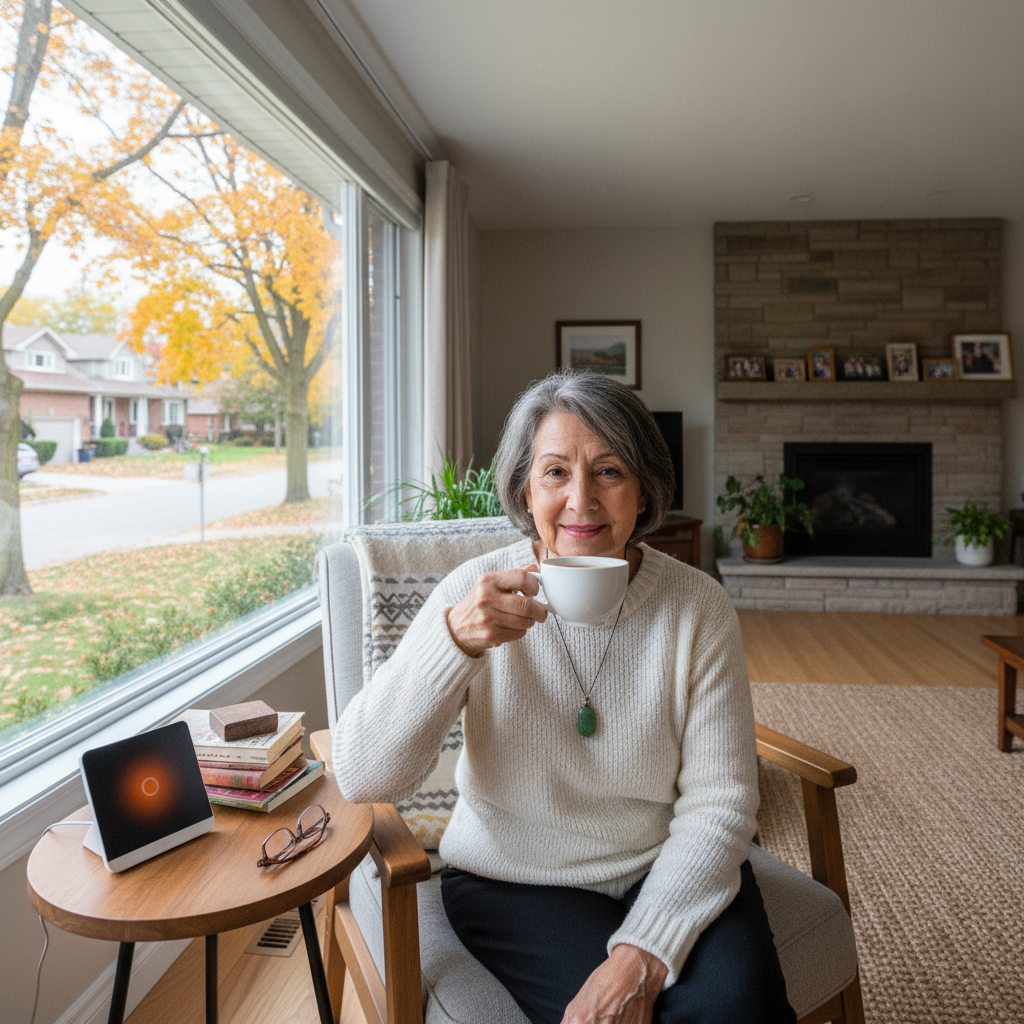
Smart Home Health Monitoring Systems Explained
Modern smart home health monitoring goes far beyond simple alert buttons:
Fall Detection and Response
- Wearable sensors or pressure-sensitive floor mats detect falls automatically
- Alerts go to designated family members and emergency services immediately
- System confirms whether help is needed (avoiding false alarms)
- Provides your location and health data to emergency responders
Activity Tracking and Pattern Recognition
- Passive sensors (no wearable needed) track movement patterns throughout your home
- System learns your normal patterns: when you sleep, eat, use the bathroom, move through the house
- Sudden deviations (sleeping 18 hours, no bathroom visits for 36 hours) trigger alerts
- Detects trends: gradual decline in activity that might indicate depression or illness
Medication Management
- Smart pill dispensers remind you when to take medications
- They prevent double-dosing and track adherence
- Data syncs with your pharmacist and family
- Some systems integrate with prescription delivery services
Sleep and Circadian Rhythm Monitoring
- Non-contact sensors track sleep quality and duration
- System alerts to sudden sleep disruption (common before infections)
- Helps identify insomnia patterns or sleep apnea symptoms
- Tracks restlessness that might indicate pain or anxiety
Temperature and Environmental Monitoring
- Sensors ensure your home stays at healthy temperatures (critical for seniors)
- Detect potential hazards: gas leaks, carbon monoxide
- Monitor air quality and humidity (important for respiratory health)
- Alert to unusual conditions (open windows/doors overnight)
Vital Sign Monitoring
- Non-contact sensors measure heart rate, breathing, and oxygen saturation
- Some systems integrate with wearable devices or smart watches
- Continuous monitoring catches arrhythmias or respiratory decline
- Data stored securely and available to your healthcare provider
Integration With Healthcare Providers
- Data can be shared directly with your doctor or home care nurse
- Reduces need for frequent in-person check-ups
- Supports virtual healthcare consultations
- Provides objective evidence of your health status
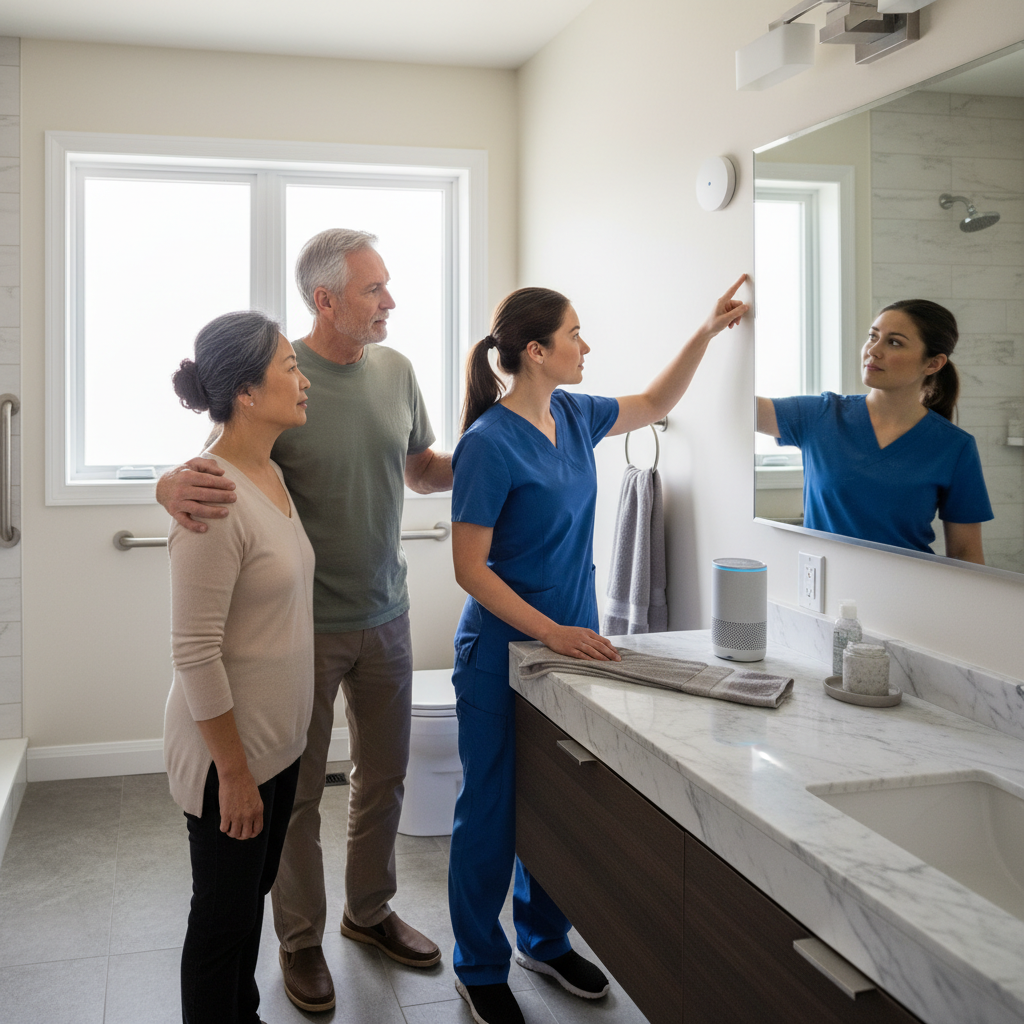
Reverse Mortgage-Funded Systems Pay for Themselves
The technology costs might surprise you:
Basic System ($3,000-$8,000)
- Fall detection wearable + home base station
- Activity sensors for main rooms
- Medication reminder system
- Emergency alert service
Comprehensive System ($8,000-$20,000)
- Full-home activity monitoring
- Wearable with heart rate/oxygen tracking
- Sleep quality monitoring
- Environmental sensors throughout home
- Professional installation and setup
- 12 months of monitoring service
Premium Integration ($20,000-$40,000+)
- All above systems
- Integration with smart home automation
- Healthcare provider integration
- 24/7 professional monitoring service
- Caregiver portal and notifications
- Automatic emergency dispatch included
These costs seem high until you consider what they replace: frequent hospitalizations, emergency room visits, preventable falls, and most importantly, the cost of premature placement in long-term care.
A 72-hour hospitalization in Ontario costs $2,500-$5,000. A single fall with complications can cost $15,000-$50,000 and trigger permanent loss of independence. Early detection of infection or health decline through monitoring often prevents these catastrophic events.
A reverse mortgage-funded smart home system typically pays for itself through one prevented fall, one avoided hospitalization, or early detection of one serious condition.
Real-World Math:
If a smart home system costs $15,000 and prevents one hospitalization (average cost $3,500), detects one infection early (preventing a $8,000 hospital stay), and delays long-term care placement by just 2 years (average cost $60,000/year), the system saves your family over $120,000 while keeping you home longer.
Setting Up Your Smart Home System
Step 1: Assessment and Planning
- Have your home assessed by a technology specialist
- Identify your most critical risks (falls, medication adherence, wandering, etc.)
- Discuss data privacy and who has access to information
- Choose systems compatible with your other devices and services
Step 2: Installation
- Professional installation ensures optimal sensor placement
- Integration with emergency services and family notification systems
- Testing to confirm all alerts and notifications work properly
- Training for you and your family on using the system
Step 3: Integration With Your Care Team
- Share data access with your doctor and home care providers
- Establish protocols: which alerts go to family vs emergency services?
- Integrate with your medication management and healthcare apps
- Regular review of monitoring data to adjust alerts and settings
Step 4: Ongoing Optimization
- Monthly review of alerts and false positives
- Adjust sensitivity settings based on your patterns
- Add new sensors if new risks are identified
- Keep systems updated with latest firmware and security patches

Addressing Privacy Concerns
Many seniors are reluctant to have extensive home monitoring. Valid concerns deserve honest answers:
"I'm being surveilled constantly"
Modern systems use motion sensors and pressure mats, not cameras. You're not being watched—your movement patterns are being tracked in aggregate. It's anonymous data: your system knows you moved from kitchen to bedroom, not what you were doing.
"My family will judge my choices"
Set clear data access rules upfront. Family sees what they need (fall alerts, health changes) but not every bathroom visit or meal pattern unless you choose to share it.
"What if the system fails?"
Well-designed systems have redundancy. If one sensor fails, others continue monitoring. If internet goes down, local alerts still work. Professional monitoring services include backup systems.
"It's too intrusive"
Think of it differently: you're buying independence and privacy. Without monitoring, you'd need a caregiver in your home 24/7. Smart monitoring lets you live alone safely.
Ontario Resources and Subsidies
Several Ontario programs help seniors access technology:
- Digital Accessibility Grants: Some municipalities offer grants for seniors tech adoption
- iCanConnect Program: Federal funding for digital literacy and access
- Accessibility for Ontarians with Disabilities Act (AODA): Businesses must accommodate accessibility needs
- Home and Community Care Support Services: Some programs include technology assessment
A reverse mortgage gives you the flexibility to pursue these subsidies and grants while covering costs not included in programs.
The Conversation With Your Adult Children
Explain the system's benefits in concrete terms:
- Your freedom: "I can live independently longer because you'll know I'm safe"
- Their peace of mind: "You'll get alerts only if something's actually wrong"
- Cost efficiency: "One prevented fall pays for the whole system"
- Healthcare integration: "My doctor sees my real health data, not just what I remember"
- Legacy: "When I'm gone, you'll have years of data about my health patterns"
The Reality of Aging in Place
Aging in place isn't about being stubborn or refusing help. It's about maintaining dignity, independence, and connection to your home and community for as long as safely possible. Smart home health monitoring makes this possible.
With a reverse mortgage funding comprehensive monitoring systems, you're not just staying home—you're staying home safely, with real-time insight into your health and early warning signs of problems.
The Bottom Line: Smart home health monitoring transforms aging in place from a risky hope into a calculated, manageable reality. A reverse mortgage makes this technology affordable, allowing you to age safely in your home with the confidence that serious health events will be caught early and help will arrive immediately.
Ready to Learn More?
Get the free Ontario Reverse Mortgage Guide and find out exactly how much you could unlock from your home.
Get My Free Guide →Related Articles
Reverse Mortgage for Hoarding: Creating Safe, Functional Living Spaces
How to use a reverse mortgage to address hoarding behaviors and create safe, accessible living spaces for aging in place with dignity.
Read →Environmental Remediation: Funding Contamination Cleanup with Reverse Mortgage
Discover how Ontario homeowners can fund environmental remediation, soil testing, and contamination cleanup costs using reverse mortgage capital.
Read →Protecting Disability Benefits: Using Reverse Mortgage While on ODSP or CPP-D
Navigate disability support programs while accessing home equity. Ontario strategies for protecting ODSP and CPP-D eligibility with reverse mortgages.
Read →