
Heritage Home Conservation: Balancing Historical Features with Accessibility Needs
Preserve your heritage home while adding accessibility. Fund conservation experts and ADA modifications with reverse mortgage. Ontario heritage homes guide for 55+.
Do you live in a heritage home built in 1890 or 1920, but aging in place requires modern accessibility features that seem to conflict with historical preservation? Many Ontario seniors own heritage homes — beautiful Victorians, Edwardian cottages, or listed historic properties — that need accessibility modifications for mobility, safety, and independence. A reverse mortgage can fund both heritage conservation experts and sensitive accessibility upgrades that honor the home's historical significance while supporting your aging needs.

The Heritage Home + Accessibility Dilemma
Ontario has thousands of heritage homes — listed in municipal heritage registries or privately maintained Victorian, Edwardian, and early-20th-century properties. These homes are treasured for their architectural significance, craftsmanship, and character.
But heritage homes present singular challenges for aging in place:
| Heritage Home Feature | Aging Challenge | Standard Solution | Heritage Conflict |
|---|---|---|---|
| Narrow doorways (24–28") | Wheelchair access impossible | Widen doorway to 32–36" | Removes original frame/trim |
| Steep stairs (Victorian proportion) | Fall risk; mobility aid difficulty | Install ramp or stair lift | Obstructs front elevation |
| Original wood windows | Drafts; heating inefficiency | Replace with modern windows | Loses irreplaceable features |
| Small bathrooms (original layout) | Accessibility grab bars impossible | Enlarge bathroom | May require wall relocation |
| High-set entrance (3–4 steps) | Wheelchair/walker impossible | Install ramp | Alters curb appeal |
| Hardwood floors (uneven) | Trip hazard; wheelchair mobility | Replace with smooth flooring | Removes original material |
Standard accessibility solutions often conflict with heritage preservation principles. A heritage home owner faces a dilemma: Preserve the home's historical integrity at the cost of safety and independence, or modernize for accessibility and lose the home's character.
A reverse mortgage can fund a third path: heritage-sensitive accessibility consulting — where professionals design modifications that meet modern accessibility standards while preserving historical features.
Heritage Sensitivity: What Does It Mean?
Heritage-sensitive accessibility means modifying a home for aging in place using methods that:
✓ Preserve original architectural features (windows, doors, trim, exterior appearance) ✓ Use materials matching original character (period-appropriate finishes, hardware) ✓ Implement reversible modifications where possible (removable ramps, lift systems hidden from view) ✓ Consult municipal heritage officers before major work ✓ Maintain the home's historical significance and curb appeal
Example Heritage-Sensitive Modifications:
| Heritage Conflict | Preservation-Friendly Solution | Cost | Notes |
|---|---|---|---|
| Narrow doorway | Install swing-clear hinge, remove trim from one side; keep original frame | $800–$1,500 | Doorway functionally widens 1.5 inches without removing frame |
| Steep entrance stairs | Disguised aluminum ramp matching exterior color; plantings screen from view | $3,500–$5,500 | Wheelchair accessible; minimal visual impact when approaching |
| Single-pane windows | Interior storm windows (removable, preserve originals) + secondary glazing | $4,000–$7,000 | Improves efficiency; original windows remain untouched |
| Steep interior stairs | Hidden stair lift chair (folds into wall when not in use); original bannister kept | $5,000–$8,000 | Minimal alteration; preserves stair architecture |
| High-set bathroom | Lever handles on original brass fixtures; grab bars in matching finish | $1,500–$2,500 | Accessibility added without replacing fixtures |
| Original hardwood floors | Refinish with non-slip finish; area rugs at transitions | $2,500–$4,000 | Maintains original material; improves safety |
The key difference: Standard accessibility uses modern materials and often removes originals. Heritage-sensitive approaches preserve originals while adding accessibility function.
Heritage Consultants: Who You Need and What They Cost
Modifying a heritage home requires specialized expertise:
Heritage Conservation Consultant
- Specializes in historic building materials, architectural significance, reversi ble modifications
- Ensures modifications meet municipal heritage guidelines
- Cost: $150–$250/hour; 15–30 hours for consultation = $2,250–$7,500
- Typical project scope: Site assessment, recommendations, municipal coordination
Accessibility Designer
- Specialist in designing aging-in-place modifications per universal design principles
- Experience with accessibility standards (National Building Code, CSA standards)
- Cost: $100–$200/hour; 10–20 hours = $1,000–$4,000
- Typical scope: Assess mobility needs, design accessible solutions
Licensed Contractors (Specialized)
- Contractors experienced in heritage home restoration who understand both preservation and accessibility
- Cost: 20–30% premium over standard contractors due to specialized skills
- Typical scope: Execute heritage-sensitive modifications
Total specialist cost for a comprehensive project: $5,000–$15,000
A reverse mortgage of $20,000–$30,000 funds specialists, design work, and high-quality implementation while preserving funds for future needs.
Real Ontario Example: Heritage Home Accessibility
Case Study: Margaret, 74, in Niagara-on-the-Lake
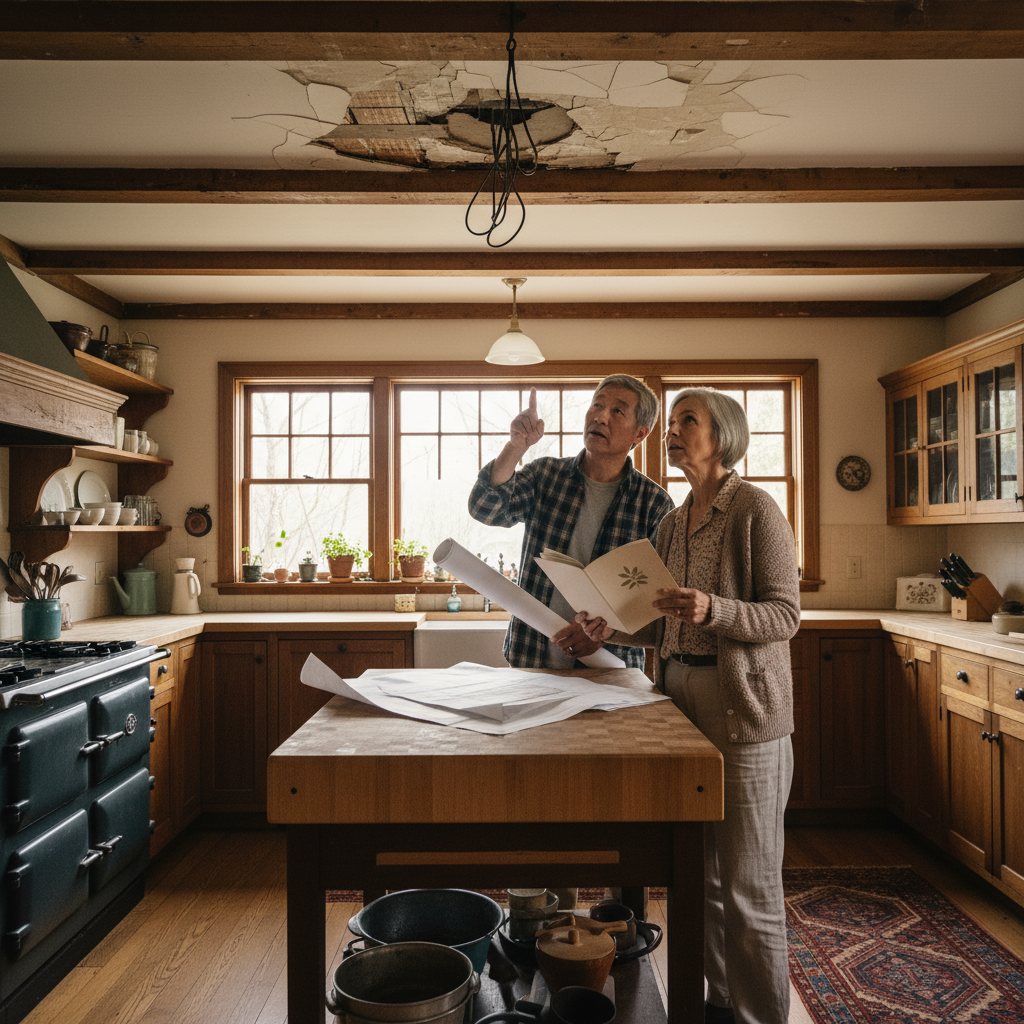
Margaret owns a beautifully preserved 1892 Victorian home — listed on the Niagara heritage registry, featuring original windows, ornate woodwork, and distinctive Victorian architecture. Margaret has arthritis and uses a cane; stairs are increasingly difficult, and she's concerned about aging safely in her beloved home.
Margaret's challenges:
- Front entrance is 4 steps up with narrow railings
- Interior stairs are steep (Victorian proportions) with ornate original bannister
- Narrow hallways (28 inches) make walker movement difficult
- Bathrooms are small with original fixtures; no grab bars without destroying original hardware
- Single-pane original windows make home drafty and expensive to heat
Margaret's solution: She obtained a $25,000 reverse mortgage draw:
- Heritage conservation consultant ($3,500) — assessed which modifications would be reversible and preserve character
- Accessibility designer ($2,500) — designed modifications compatible with heritage requirements
- Disguised exterior ramp ($4,500) — aluminum ramp installed adjacent to original stairs, planted with heritage-appropriate plantings to blend with landscape
- Interior stair lift ($7,000) — installed to work with original bannister; folds into wall when not in use
- Bathroom accessibility ($4,000) — installed grab bars using same finish as original brass fixtures; lever handles added to faucet
- Secondary interior storm windows ($3,000) — improved thermal efficiency without replacing originals
Total spent: $24,500 (within $25,000 reverse mortgage draw)
Results:
- Margaret can safely navigate her home independently
- All modifications are reversible (or minimize original alteration)
- Home retains its heritage appearance and significance
- Heating costs reduced by $400/year due to improved windows
- Home value preserved (heritage modifications maintain curb appeal)
Without heritage-sensitive consulting, Margaret would have replaced original windows ($15,000), widened doorways ($8,000), and removed or substantially altered stairs ($12,000) = $35,000+ cost while destroying historical features. Her heritage-sensitive approach cost $24,500 and preserved the home's integrity.
Government Support: Heritage Grants + Tax Credits
Ontario offers grants and tax credits for heritage home conservation:
Ontario Heritage Foundation Grants
- Funding: Up to $25,000 for heritage conservation
- Eligibility: Homes listed on municipal heritage register
- Process: Apply before work begins; requires heritage consultant involvement
- Timeline: 8–12 weeks for approval
Federal Heritage Conservation Tax Credit
- Benefit: 20% federal tax credit on designated heritage property work
- Eligibility: Federal- or provincially-designated heritage property
- Process: Work must be on heritage-designated parts of the property; claim on tax return
- Example: $10,000 renovation work = $2,000 federal tax credit
Municipal Heritage Property Tax Reduction
- Benefit: Some Ontario municipalities reduce property tax for designated heritage homes
- Eligibility: Listed on municipal heritage register; maintained per heritage guidelines
- Example: 10–20% property tax reduction if you meet conservation standards
- Catch: Must maintain heritage standards (no major alterations without approval)
Strategic approach:
- Apply for Ontario Heritage Foundation grant ($15,000–$25,000)
- Use reverse mortgage for remaining costs and specialist fees
- Claim federal heritage tax credit (20% of work costs)
- Benefit from municipal property tax reduction going forward
Many homeowners stack all three sources and reduce their actual out-of-pocket costs by 40–50%.
Navigating Municipal Heritage Review
Most Ontario heritage homes are listed on municipal heritage registers. Any substantial modifications require approval from the municipality's Heritage Committee or Heritage Officer before work begins.
Process:
- Consult heritage conservation expert ($1,500–$3,000)
- Prepare heritage impact assessment with drawings/photos
- Submit to municipal heritage office for review (4–8 weeks typically)
- Attend heritage committee meeting if required (usually)
- Receive approval or conditions
- Begin work per approved plans
Common municipal conditions:
- ✓ Preserve original windows (approved; secondary glazing acceptable)
- ✓ Install ramp adjacent to stairs (approved; maintain original entrance visibility)
- ✗ Replace original doors with modern doors (usually denied unless interior only)
- ✗ Remove original architectural trim (usually denied)
- ✗ Vinyl siding or modern exterior cladding (usually denied)
Cost of municipal review: $250–$500 filing fee; 4–8 weeks of timeline delay
A heritage conservation consultant accelerates approval by preparing applications that address municipal concerns preemptively.
Accessibility Standards: What You're Required to Meet
Ontario Building Code requires accessible modifications to meet minimum standards:
| Requirement | Standard | Heritage Challenge |
|---|---|---|
| Door width | 32–36 inches clear opening | Victorian/Edwardian doors often 30–32 inches |
| Ramp slope | 1:12 ratio (1 inch rise per 12 inches length) | 4-step entrance requires ~50 inches of ramp length |
| Bathroom grab bars | 1.5-inch diameter, 36-inch minimum length | Original bathrooms often can't accommodate without enlargement |
| Stair handrails | 34–38 inches height; continuous | Victorian stairs may have ornate original railings below code height |
| Lighting levels | Minimum 300 lux in bathrooms | Original homes often lack adequate electrical |
| Non-slip surfaces | Hardwood acceptable if not hazardous; wax finish problematic | Original hardwood may require refinishing or replacement |
Heritage consultants specialize in meeting these standards while minimizing alteration to original features.
Reversible vs. Permanent: Strategic Modification Planning
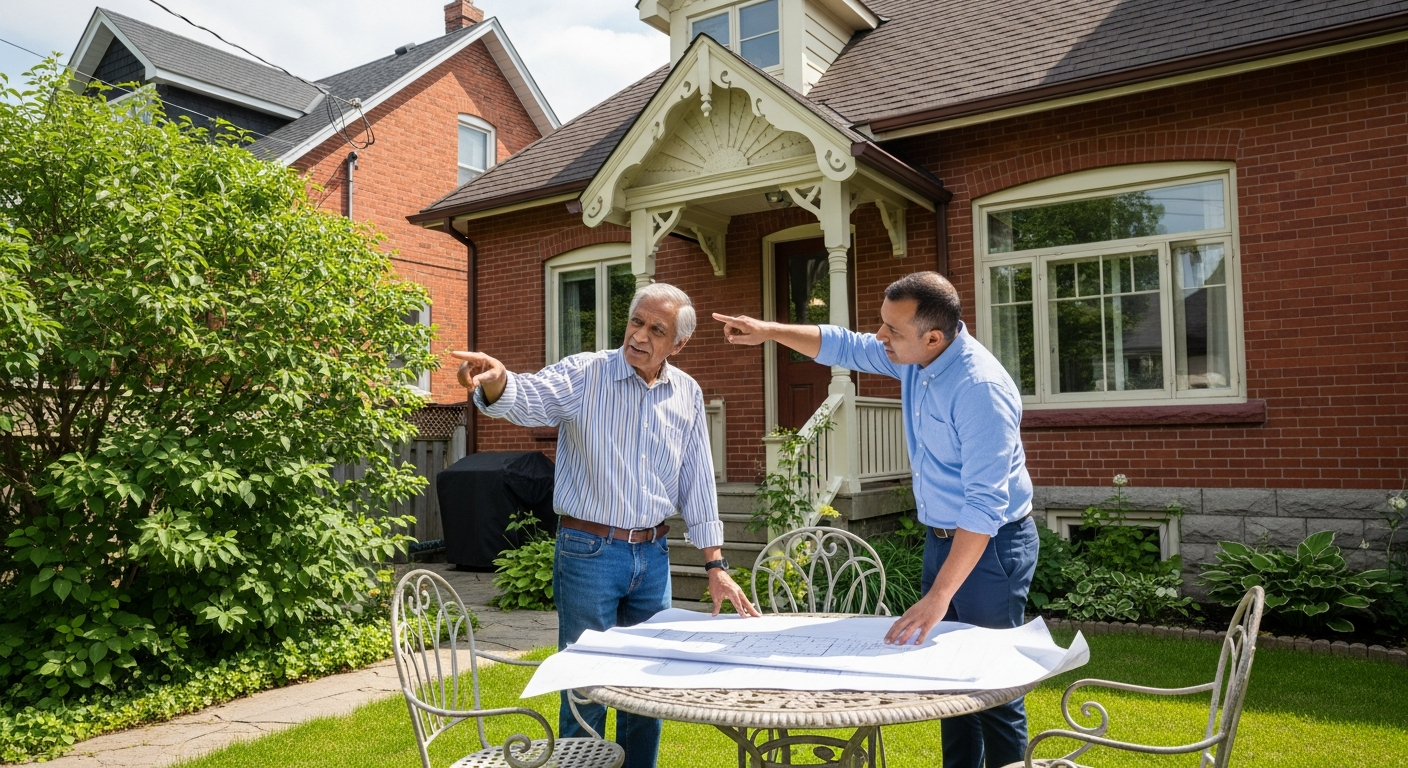
Heritage-sensitive work prioritizes reversible modifications — changes that can be undone without permanent damage:
| Modification | Reversible | Cost | Benefit |
|---|---|---|---|
| Removable ramp | Yes | $3,500–$5,500 | Can be removed if home is sold |
| Interior stair lift chair | Yes | $5,000–$8,000 | Folds away; stairs remain original |
| Temporary grab bars | Yes | $500–$1,500 | Removable adhesive or suction-mounted |
| Secondary interior windows | Mostly | $2,000–$4,000 | Interior storm windows; originals preserved |
| Widened doorway | No | $2,000–$5,000 | Permanent; removes original frame |
| Bathroom enlargement | No | $10,000–$20,000 | Permanent; alters original layout |
Reversible modifications allow future owners to restore the home to original condition if they wish — important for heritage values.
Quick Reference: Heritage Home Accessibility Costs
| Project | Cost Range | Timeline |
|---|---|---|
| Specialist consultations (heritage + accessibility) | $3,500–$7,500 | 4–8 weeks |
| Municipal heritage review | $250–$500 + 4–8 weeks | Included in consultation |
| Exterior ramp (heritage-sensitive) | $3,500–$5,500 | 2–4 weeks |
| Interior stair lift | $5,000–$8,000 | 1–2 weeks |
| Secondary windows | $2,000–$4,000 | 2–4 weeks |
| Accessible bathroom | $4,000–$8,000 | 3–6 weeks |
| Full project (comprehensive) | $18,000–$33,000 | 12–16 weeks |
Frequently Asked Questions
Do I need permission to modify my heritage home?
It depends on your home's heritage status:
- Municipally-listed heritage: Yes, municipal heritage approval required before substantial work
- Federal/Provincial designation: Yes, stringent requirements; likely needs heritage professional
- Character home, not listed: No formal approval needed, but consulting a heritage specialist is wise to preserve value
Check with your municipality's heritage office to confirm your home's status.
Can I use government heritage grants to fund accessibility work?
Yes. Ontario Heritage Foundation grants specifically support heritage conservation, which includes accessibility modifications that preserve the home's heritage character. Approach grants with "heritage-sensitive accessibility" framing rather than "accessibility-first" — emphasize preservation alongside accessibility.
Will accessibility modifications decrease my home's value?
No. Reversible modifications that preserve heritage character typically maintain or increase home value. Buyers value both heritage preservation and accessibility. However, visible permanent alterations (removing windows, destroying original trim) can decrease value. Heritage-sensitive work preserves value.
What if my home is too old or historic to modify?
If your home is extremely significant (National Historic Site, etc.), modifications may be restricted. Consult with provincial heritage specialists. Alternatives: Consider accessibility aids that don't alter the home (mobility equipment, temporary grab bars), or explore housing alternatives (retirement community, accessible apartment) while keeping heritage home for family visits.
Can a reverse mortgage be used for heritage consultants and accessibility work?
Yes. All major lenders — CHIP, Equitable Bank, Bloom Financial — allow reverse mortgage proceeds for any home-related purpose, including heritage conservation and accessibility modifications. Confirm with your lender.
If I rent part of my heritage home (accessory dwelling unit), can I still modify it?
Yes, but modifications must comply with both heritage guidelines and rental housing standards (Building Code, accessibility for tenants). Consult heritage specialist + lawyer for combined requirements.
Preserving What You Love While Supporting Your Needs
Heritage homes are irreplaceable — architectural treasures that shouldn't be destroyed in the name of accessibility. However, aging safely in place shouldn't require sacrificing the features you love.
Heritage-sensitive accessibility consulting provides a third path: modifications that meet modern accessibility standards while honoring the home's historical significance. A reverse mortgage removes the cost barrier to specialized consulting, making thoughtful, preservation-friendly aging possible.
If you own a heritage Ontario home and are considering accessibility modifications, consult with a heritage conservation expert before major work begins. A reverse mortgage can fund both expert consultation and sensitive modifications that preserve your home's character for generations.
Ready to Learn More?
Get the free Ontario Reverse Mortgage Guide and find out exactly how much you could unlock from your home.
Get My Free Guide →Related Articles
Reverse Mortgage for Home Renovations: Aging in Place Guide for Ontario Seniors
Learn how to use a reverse mortgage to fund home renovations and modifications that let you age in place safely and comfortably in your Ontario home. Includes cost examples and step-by-step process.
Read →Reverse Mortgage for Home Accessibility: Age in Place Renovations
Fund accessibility renovations and aging-in-place modifications using reverse mortgage proceeds in Ontario.
Read →Fund Home Modifications to Age in Place: Ontario Guide
Discover how a reverse mortgage can finance accessibility upgrades, care services, and renovations to stay safely in your Ontario home as you age.
Read →