
Reverse Mortgage for Unexpected Grandchild Care: When Crisis Changes Your Plans
Financial guide for grandparents facing sudden caregiving responsibilities. Learn how a reverse mortgage can help when grandchildren need you.
Everything changed overnight. Your adult child faced a crisis—death, illness, job loss, or addiction—and suddenly, you're raising your grandchild. You love them fiercely. But you're also a senior on a fixed income, and the math doesn't work. A reverse mortgage might be your lifeline.
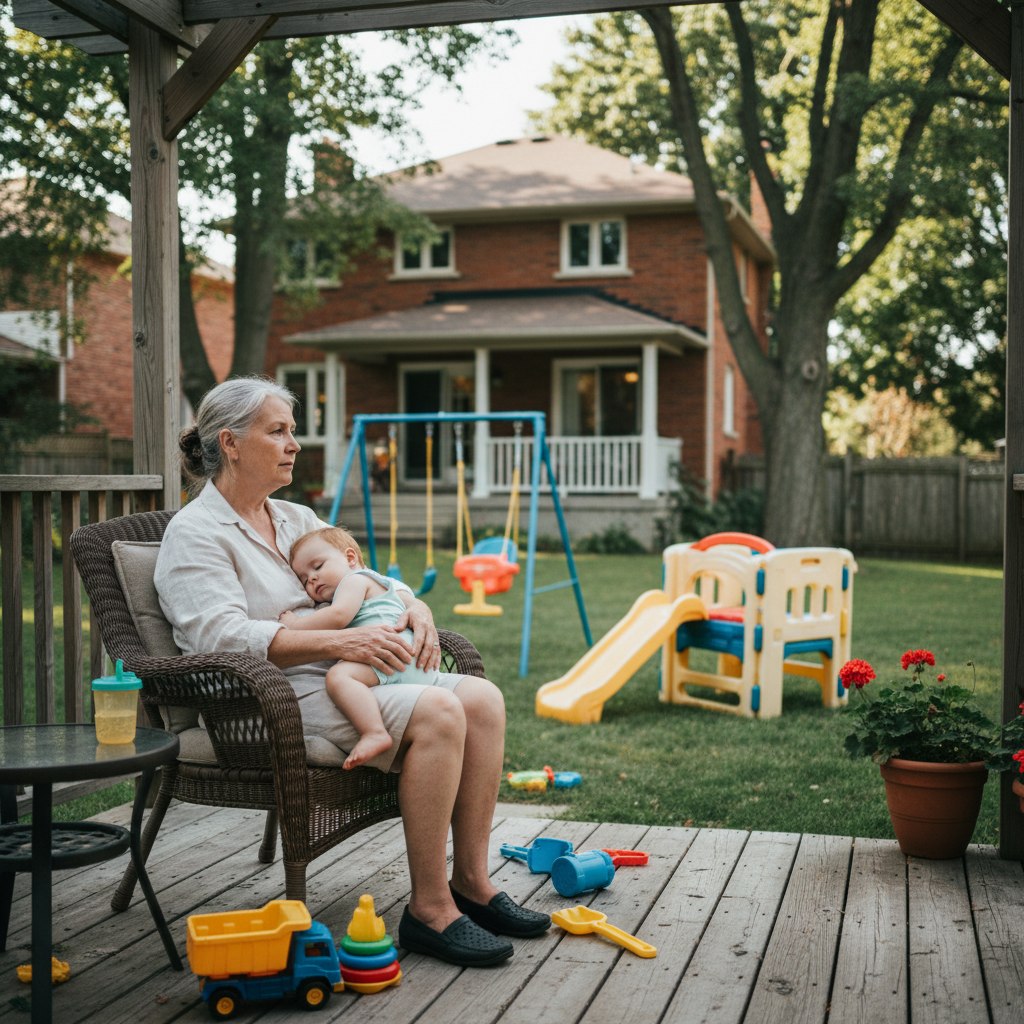
The Unexpected Grandchild Care Crisis
This isn't a planned grandparent role. It's:
- Your adult child died, and you became guardian of two young grandchildren
- Your adult child is incarcerated, and the kids have nowhere to go but your home
- Your adult child lost custody due to addiction, and you're now responsible
- Your adult child is hospitalized long-term, and you're the emergency fallback
- Your adult child abandoned the family, and you stepped in
In each case, you didn't plan for it. You didn't budget for it. And you're facing immediate costs: food, housing, education, healthcare, childcare while you work—if you still work. Many grandparents in this situation are already retired or semi-retired on a fixed income.
This is where a reverse mortgage becomes not just an option, but a crisis management tool.
According to Statistics Canada, over 300,000 Canadian grandparents are raising grandchildren. The average grandparent caregiver is age 62, typically without advance warning. Most say they didn't have time to financially prepare.
The Financial Reality of Unexpected Grandchild Care
Let's be specific. You're 68, retired, living on CPP and a small pension. Your gross household income is $42,000/year. Suddenly, you're now responsible for two grandchildren, ages 8 and 11.
New costs:
- Food: Additional $200-300/month ($2,400-3,600/year)
- Clothing: $100-150/month ($1,200-1,800/year)
- School supplies and activities: $150-200/month ($1,800-2,400/year)
- Healthcare (glasses, dental, prescriptions): $100-150/month ($1,200-1,800/year)
- Daycare while you work/attend appointments: $400-600/month ($4,800-7,200/year) if you had been working
- Legal/guardianship costs: $3,000-5,000 one-time
Total annual additional cost: $12,400-18,200
Your annual income: $42,000 Your new total household needs: $54,400-60,200 Shortfall: $12,400-18,200/year
You can't afford this on your current income. Without intervention, you face:
- Cutting back on your own healthcare and necessities
- Going into debt on credit cards (interest at 20%+)
- Forcing the grandchildren to move to foster care (devastating)
- Selling your home (displacing yourself and the kids)
A reverse mortgage solves this immediately.
| Option | Outcome |
|---|---|
| Do nothing | Kids move to foster care; you're heartbroken |
| Go into credit card debt | Interest at 20%; debt balloons to $40,000+ in 5 years |
| Sell home | Lose your primary asset and displacement |
| Reverse mortgage | Access $100,000, cover 5+ years of gap costs, keep home, keep kids |
How Much Reverse Mortgage Should You Access?
Calculate conservatively:
- Annual shortfall: Difference between your income and new total household costs
- Years to bridge: How long until grandchildren become independent? (Until age 18, then ongoing for college?)
- Buffer: Add 20% for unexpected costs (medical emergency, school trip, etc.)
Example:
- Annual shortfall: $15,000
- Years until youngest reaches 18: 7 years
- Total needed: $15,000 × 7 = $105,000
- Buffer (20%): + $21,000
- Total to borrow: $126,000
Don't borrow the maximum. Borrow what you actually need. Interest will compound, so accessing $126,000 might balloon to $200,000+ by the time it's repaid. That's manageable for your estate if your home appreciates.
When a Reverse Mortgage Is the Right Tool
A reverse mortgage makes sense if:
✓ You're in your late 60s or older (70+ is even better—better RM terms) ✓ Your home has significant equity ($300,000+) ✓ You didn't plan to leave a large inheritance anyway (or grandchildren ARE your legacy priority) ✓ The grandchild care need is likely to be 5+ years ✓ You want to avoid forcing kids into foster care ✓ You don't have other liquid assets to cover the gap ✓ Your health is stable enough to qualify ✓ You're willing to accept reduced inheritance for your other adult children
A reverse mortgage might NOT make sense if:
✗ The care need is short-term (less than 2-3 years)—regular loans or family help might work ✗ You're below age 65—better options might exist ✗ You have significant other assets to access ✗ You have other adult children who depend on inheritance ✗ Your home value is under $250,000 ✗ You anticipate moving within 5 years ✗ Your health is declining rapidly (you might not qualify)
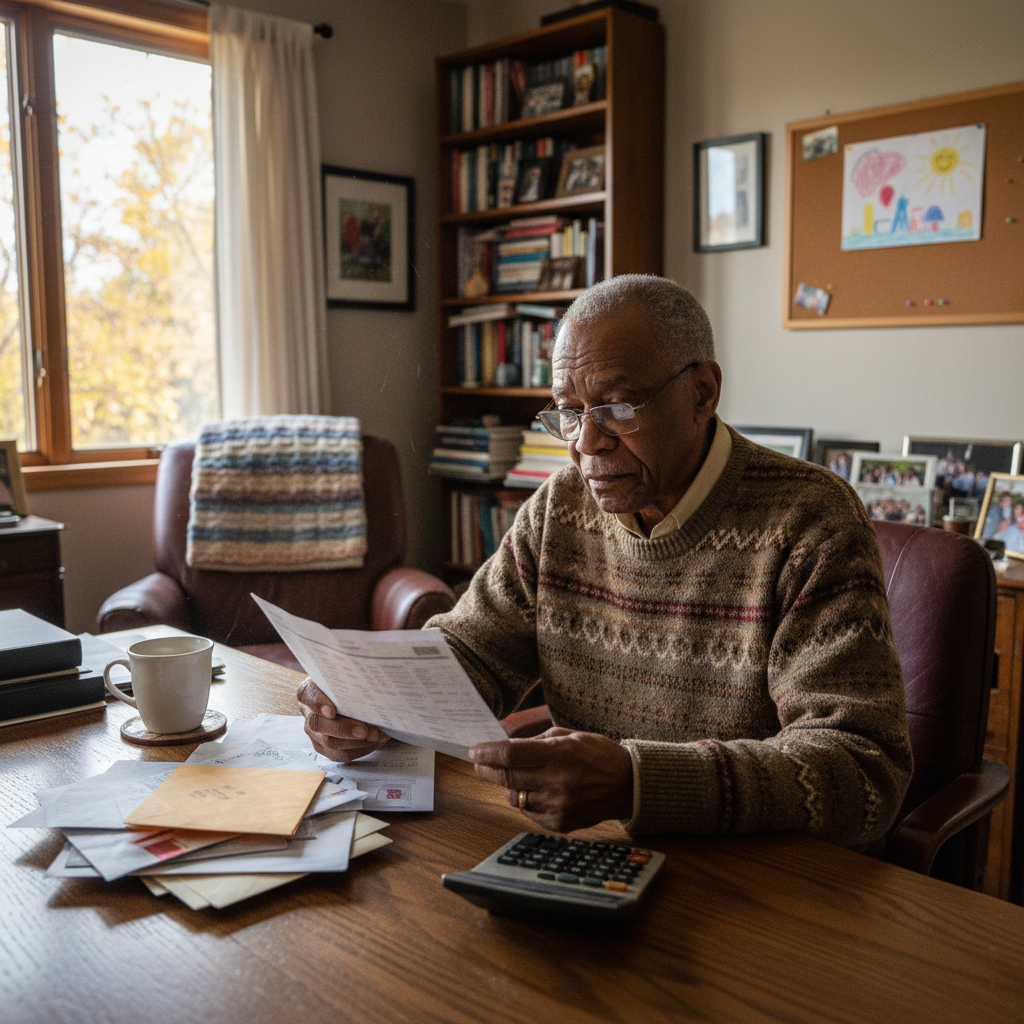
Real Scenario: Susan's Story
Susan, 71, was enjoying early retirement in her $525,000 home. Her mortgage was paid off years ago. She had modest savings ($65,000) and lived on CPP and her company pension ($38,000/year).
Her only child, her 38-year-old daughter, was struggling with addiction. Last year, Child Protective Services removed Susan's two grandchildren (ages 6 and 9) from the home and offered them to Susan as emergency guardians.
Susan said yes. Of course she said yes.
The financial hit:
- Additional childcare and costs: $16,000/year
- Her modest savings would cover 4 years, then she'd be broke
- She couldn't afford to retire at 71 and support two kids
Susan's solution: She got a reverse mortgage for $120,000. Here's what changed:
- She paid off her guardianship legal costs ($8,000)
- Set aside $50,000 as emergency fund for grandchild care
- Set aside $30,000 as buffer for unexpected health costs
- Kept $32,000 available for ongoing needs
Over 10 years:
- The $120,000 borrowed would grow to approximately $200,000+ with interest
- But Susan's home, valued at $525,000, would appreciate to ~$700,000
- Her net estate: $700,000 - $200,000 = $500,000 for her heirs
- Her other adult children inherit less than they expected, but Susan kept the grandchildren with her
- The grandchildren have stability, a grandmother, and an inheritance when they reach adulthood
Susan's statement at age 76: "My other kids understand why I did this. My grandkids are thriving. Yes, the RM means less for inheritance, but this was about keeping this family together. No amount of money replaces that."
Practical Considerations: Making It Work
Getting Legal Guardianship Sorted
Before you access a reverse mortgage for grandchild care, ensure:
✓ Guardianship is official — work with a family lawyer to formalize guardianship; it protects you and the children legally ✓ Government benefits are applied for — Ontario has Ontario Child Support (OCS) programs that might help offset costs ✓ School and healthcare are in your name — you need legal authority to make decisions ✓ Your will is updated — specify what you want to happen to the grandchildren if you pass before they're adults
Cost: Guardian lawyer: $1,500-3,000. Money well spent.
Structuring the Reverse Mortgage for Ongoing Needs
Use a line of credit, not a lump sum:
- Draw money as needed for monthly/annual costs
- Pay interest only on what you've actually drawn
- Maintain flexibility for unexpected costs
- Spread the debt out rather than taking it all at once
Example structure:
- Get approved for $150,000 line of credit
- Draw $15,000/year for care costs
- Interest paid only on what's drawn
- Over 10 years, you've drawn $150,000 and owe ~$230,000 with interest
- This is better than drawing all $150,000 at once
Government Benefits for Grandparents
Ontario specifically offers:
- Ontario Child Support: Helps grandparents with cost of living expenses for children in their care (up to $100/month per child)
- National Child Benefit: Federal program that provides money based on household income (grandparents often qualify even on modest pensions)
- Disability supports: If the grandchild has special needs, additional programs may apply
- School support: Free textbooks, lunch programs, educational grants
Accessing these means 30-40% of your new expenses might be covered. That reduces your RM need significantly. Before you get a reverse mortgage, apply for every program you qualify for.
Involving Your Other Adult Children
This is delicate. You're reducing their inheritance to raise your grandchildren. Some adult children celebrate this; others resent it.
Have the conversation before you get the reverse mortgage:
- Explain the situation: "Your sibling is in crisis; the grandchildren need us"
- Explain your decision: "I'm getting a reverse mortgage to keep the kids with me"
- Explain the impact: "This means you'll inherit less. I understand if this is hard"
- Invite their input: "We could also do [alternative]. What do you think?"
- Document it: Update your will to explicitly acknowledge the RM and explain why
Most adult children understand. Some might even want to contribute. But secrets and surprises breed resentment. Transparency is essential.
Protecting the Grandchildren's Future
When you access a reverse mortgage for grandchild care, think about their long-term security:
| Planning Element | Action |
|---|---|
| Your will | Specify who becomes guardian if you pass before they're 18; explain the RM situation |
| Life insurance | Consider small policy ($50-100K) to cover RM repayment if you pass unexpectedly |
| Education planning | Save whatever you can for their post-secondary; even small RESP contributions help |
| Home ownership | If your home is your legacy, decide: sell and split proceeds, or one child keeps home and pays RM to siblings? |
| The house itself | Will the grandchildren want to stay? If so, they need to know the RM exists and how to manage it |
According to research from the Grandparent caregiving network, grandchildren raised by grandparents report strong psychological benefits from stability and family connection—but also benefit from honest conversations about finances and legacies. Protecting them includes teaching them about the financial decisions you made for them.
Quick Reference: Reverse Mortgage for Grandchild Care
| Decision Point | Consideration |
|---|---|
| Age of grandchildren | Younger = longer commitment = higher RM amount needed |
| Your age | Better RM rates if you're 75+; better terms overall |
| Home equity | Need minimum $300,000 equity to make RM worthwhile |
| Your health | Must be healthy enough to qualify and care for kids |
| Duration estimate | 5 years? 10 years? Until they're 18? |
| Other assets | Can you cover initial costs with savings instead? |
| Family dynamics | Will other kids understand and support this decision? |
| Guardianship status | Formal guardianship required for legal protection |
Frequently Asked Questions
Can I get a reverse mortgage while I'm a new guardian?
Yes, but explain the situation to the lender. Most will approve because home equity access for family care is legitimate. Lenders specifically look for honesty about your situation.
What happens to the reverse mortgage if I pass away before the grandchildren are grown?
The RM becomes due. Your estate must repay it from home sale proceeds (or other assets). If you've left the home to the grandchildren, they'll need to either repay the RM, refinance it, or sell the home. This is why updating your will and informing the grandchildren (or their future guardian) is critical.
Should I tell my grandchildren about the reverse mortgage?
Not when they're young, but definitely before they turn 18. They should understand that Grandma accessed home equity to raise them, and that the debt is their responsibility to manage if they inherit the home. Teaching them about financial decisions (even hard ones) is good parenting.
What if I regret taking the reverse mortgage later?
You can repay it at any time with no penalty. If your situation improves, or you decide you want to leave more inheritance, you can pay down the balance. It's not irreversible.
Is a reverse mortgage better than asking adult children for help?
Different. Some grandparents get loans from their own adult children (with written terms). Others get family financial support. Some use reverse mortgages. Each has pros/cons. A reverse mortgage gives you independence and doesn't burden your other children with loans they might resent.
The Bottom Line
Unexpected grandchild care is one of the most legitimate reasons to access a reverse mortgage. You're not borrowing for luxury; you're borrowing to keep a family together. That matters.
If you're facing this situation, start with:
- Legal consultation — formalize guardianship
- Government benefits application — maximize support
- Financial conversation with your family — transparency about the RM
- Reverse mortgage consultation — understand options and costs
Then decide. Rick Sekhon Reverse Mortgages has helped many grandparents in this situation. They understand it's not just about money—it's about keeping grandchildren safe and loved.
Ready to Learn More?
Get the free Ontario Reverse Mortgage Guide and find out exactly how much you could unlock from your home.
Get My Free Guide →Related Articles
Reverse Mortgage for Grandparents Raising Grandchildren in Ontario
Ontario grandparents raising grandchildren can use a reverse mortgage to fund kinship care costs, maintain stability, and stay in the family home without monthly payments.
Read →Reverse Mortgage to Bridge Grandchild Tuition Gap
When the RESP falls short of Ontario university costs, grandparents can use a reverse mortgage to bridge the tuition gap — tax-free, with no monthly payments.
Read →How to Talk to Your Family About Getting a Reverse Mortgage
A practical guide for Ontario seniors on how to talk to family about getting a reverse mortgage — conversation frameworks, common concerns, and tips.
Read →