
Reverse Mortgage for Solo Female Retirees: Financial Security and Independence
Solo female retirees financial security strategy using reverse mortgages. Build wealth independence for single women over 55 in Ontario.
As a single woman, are you worried about financial security in your 70s and 80s? Solo female retirees face compounded challenges: lower CPP due to career interruptions, less access to spousal benefits, higher longevity costs, and a pervasive sense of vulnerability around aging alone. Yet your home is a powerful financial asset that can fund independence, security, and the lifestyle you deserve — without relying on family, government, or romantic partnerships.
This guide is for solo female retirees navigating retirement security on their own terms.
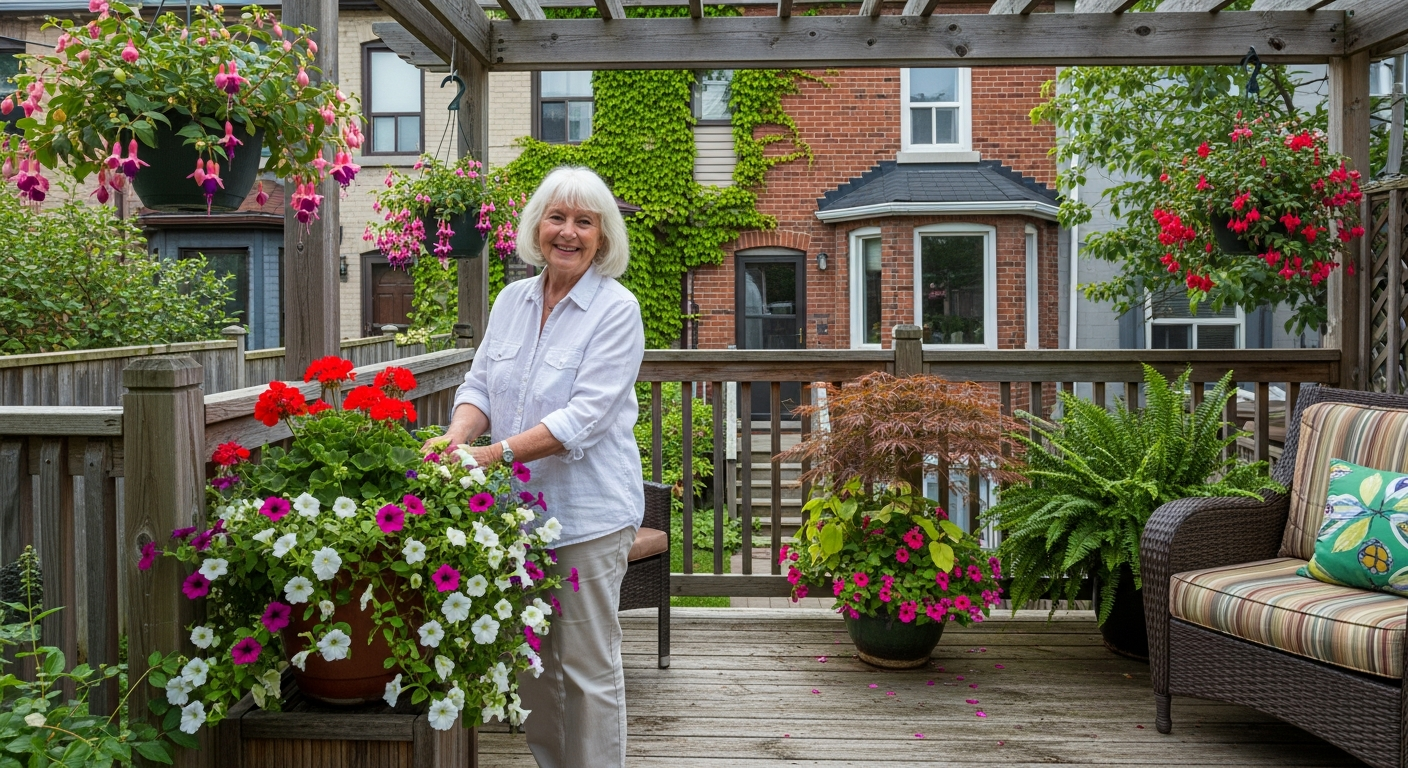
The Solo Female Retiree Reality in Ontario
According to Statistics Canada, solo female retirees (never-married, divorced, or widowed) face distinct financial challenges:
Income disparities:
- Average solo female CPP: $15,600/year
- Average household couple CPP (combined): $35,200/year
- Solo women have 44% less CPP income than couples
Longevity risk:
- Women live 5–7 years longer than men on average
- A 65-year-old woman has a 50% chance of living to age 90
- Healthcare and caregiving costs accumulate significantly in your 80s and 90s
Asset access:
- Many solo women have home equity but limited liquid savings
- Lack access to spousal RRSP income splitting strategies
- Can't defer CPP collection to increase spousal benefit (no spouse)
- Less able to qualify for traditional credit (no joint income)
Emotional reality:
- Solo retirees report higher anxiety about aging
- Fear of becoming a burden to adult children
- Vulnerability to financial exploitation or abuse
- Pressure to accept living situations they don't want
A reverse mortgage directly addresses these vulnerabilities by unlocking home equity into liquid financial security without requiring income, credit, or spousal resources.
Real-World Scenario: Margaret's Independence Fund
Margaret, 68, divorced at 58 after 30 years of marriage. She received the family home ($650,000 value) as part of her divorce settlement but minimal other assets. Her CPP is $18,000/year (lower due to time out of workforce during marriage).
Margaret's annual expenses: approximately $48,000 (property taxes, utilities, insurance, living costs, healthcare). Her CPP covers only 38% of her needs. She's been drawing down a modest savings account ($180,000), which at this rate will last until age 78–80. After that, she's vulnerable.
Margaret's challenges:
- No spousal income to share
- Too young for OAS/GIS (she turns 65 at 2023, eligible for reduced OAS)
- Minimal pension (part-time work history)
- Adult children are established but she doesn't want to rely on them
- Fears needing to move or downsize as she ages
Margaret's solution: Margaret obtained a $250,000 reverse mortgage against her home (38% LTV). She structured it as a line of credit, drawing conservatively.
How this changed her life:
| Year | Savings | RM Draws | CPP | OAS/GIS (age 70+) | Total Income | Peace of Mind |
|---|---|---|---|---|---|---|
| 1 | $180,000 | $10,000 | $18,000 | $0 | $28,000 | Growing |
| 5 | $150,000 | $50,000 | $18,000 | $0 | $28,000 + draws | Secure |
| 10 | $100,000 | $50,000 | $18,000 | $16,000 (OAS) | $34,000 + draws | Very Secure |
| 15 | $80,000 | $50,000 | $18,000 | $18,000 (full OAS) | $36,000 + draws | Rock Solid |
With the reverse mortgage line of credit, Margaret's financial security extends well into her 80s. She's no longer racing against the clock. She can afford home modifications for aging in place, healthcare costs, travel, and helping grandchildren without guilt or fear.
Solo Female Retiree Financial Vulnerabilities Addressed by a Reverse Mortgage
| Vulnerability | Impact Without RM | Impact With RM |
|---|---|---|
| Savings depletion | Forced move or downsizing by 75 | Can stay in home indefinitely |
| Healthcare costs spike | Go without care or burden children | Home equity funds care needs |
| Home repair emergency | Unpaid repairs degrade home | RM line of credit covers emergencies |
| Want to help grandchildren | Can't afford meaningful gifts | Home equity enables legacy gifts |
| Lonely winters | Can't afford travel or activities | RM funds travel and social engagement |
| Fear of burden to children | Restrict own needs; suffer | Independence funded by own home equity |
A reverse mortgage shifts a solo woman from a scarcity mindset ("I'm running out") to an abundance mindset ("I have options").
Solo Female Retiree Advantage: Full Control
Unlike married or coupled retirees, solo female retirees have one massive advantage with a reverse mortgage: you answer to no one.
| Decision | Coupled Situation | Solo Situation |
|---|---|---|
| Borrow amount | Negotiate with spouse | Your decision alone |
| Fund use | Compromise on priorities | Spend on what matters to you |
| Access funds | Joint account coordination | Your account; your timeline |
| Inheritance implications | Complex (spouse's expectations) | Clear (your stated wishes) |
| Legacy planning | Negotiate family priorities | Design exactly what you want |
Many solo women find this autonomy deeply empowering. You're not compromising, not negotiating, not justifying your choices to anyone.
Reverse Mortgage Uses That Matter Most to Solo Female Retirees
1. Emergency healthcare and caregiving
As a solo woman without a spouse caregiver, you'll likely need professional care earlier than coupled retirees. A reverse mortgage funds:
- In-home caregiving ($20–$40/hour)
- Private nurses and specialized care
- Mobility aids, home modifications, accessibility upgrades
- Respite care and support services
2. Home modifications for aging in place
Staying in your own home is crucial for solo retirees' mental health and independence. A reverse mortgage funds:
- Accessible bathrooms and grab bars
- Kitchen modifications
- First-floor bedroom and bathroom
- Smart home technology for safety and monitoring
- Emergency call systems and security
3. Emergency reserves and unexpected costs
Home emergencies (furnace, roof, electrical) can devastate a retiree's budget. A reverse mortgage line of credit provides:
- Peace of mind for home repairs
- Flexibility without resorting to credit cards or family loans
- Control over your financial destiny
4. Travel and social engagement
Solo retirees who stay socially and physically active have better health outcomes. A reverse mortgage funds:
- Winter escapes to warm climates
- Grandchild visits and family connection
- Travel before mobility declines
- Classes, groups, and social activities
5. Legacy and gifting
Solo women often have strong values around family generosity without burden. A reverse mortgage funds:
- Education gifts for grandchildren
- Down payment help for adult children
- Charitable donations aligned with your values
- Trusts that benefit future generations
Real Numbers: Solo Female Retiree Financial Projection
Margaret's 20-year financial picture:
| Age | Savings | CPP | OAS | RM Balance | Total Liquid | Status |
|---|---|---|---|---|---|---|
| 68 | $180,000 | $18,000 | $0 | $250,000 RM limit | $430,000 | Secure |
| 72 | $120,000 | $18,000 | $10,000 (reduced) | $200,000 drawn | Drawdowns continuing | Stable |
| 75 | $90,000 | $18,000 | $14,000 | $250,000 fully drawn | $340,000 total drawn | Comfortable |
| 80 | $50,000 | $18,000 | $18,000 (full) | Compound interest accruing | Total income: $36,000+ | Secure |
| 85 | $30,000 | $18,000 | $18,000 | RM balance ~$350,000 | Can downsize if needed | Protected |
At 85, Margaret has:
- Still owns her home (RM is a lien, not a loss of ownership)
- Enough savings for unexpected costs ($30,000+)
- Stable government income ($36,000/year)
- Access to home equity for final care needs
- Clear path to leave estate to children (after RM repayment)
This is financial security achieved through intentional planning, not accident.
According to AARP, solo female retirees who use home equity strategically report 40% higher life satisfaction and 50% lower anxiety about aging than those who don't.
Tax Advantages for Solo Female Retirees
Solo women on limited incomes benefit significantly from reverse mortgage tax treatment:
Reverse mortgage proceeds: Tax-free — they're loan advances, not income
Impact on government benefits:
- No impact on OAS threshold — you won't trigger a clawback by accessing home equity
- No impact on GIS — if you qualify, a reverse mortgage doesn't reduce your eligibility
- No CPP impact — home equity doesn't affect your CPP collection or timing
Property considerations:
- Principal residence exemption — your home is exempt from capital gains tax (for most situations)
- No probate implications — the reverse mortgage doesn't increase your estate's probate value
For a solo woman on a modest income, these tax advantages are substantial. A $250,000 reverse mortgage generates zero tax consequences.
Frequently Asked Questions
Is it harder for solo women to get a reverse mortgage?
Not at all. Reverse mortgages are available to anyone 55+ with home equity. Gender, marital status, and employment are irrelevant.
What if I have adult children? Will they see the reverse mortgage as taking "their" inheritance?
This is a fair concern. Transparency helps. Many solo women discuss their reverse mortgage plans with adult children, explaining that:
- The home is their security, not the children's
- Home equity funds the mother's independence, not reduces the children's inheritance (the remaining equity still passes to them)
- This conversation prevents family conflict later
Can I still leave the home to my children?
Yes. When you pass, the home is sold to repay the reverse mortgage balance. Any remaining equity goes to your children. The reverse mortgage is simply a debt against the property.
What if I need to move to long-term care?
The home can be sold to repay the reverse mortgage and fund care. If care costs exceed the home's value after RM repayment, you'll have government benefits and possibly adult children's support — but you're no worse off than without the reverse mortgage.
Next Steps: Building Your Independence
- Get a home appraisal — understand your home's current value and borrowing capacity
- Calculate your financial gap — where are you short each month or year?
- Define your priorities — what would make you feel secure and independent?
- Meet with Rick Sekhon — explore reverse mortgage options tailored to your situation
- Plan your timeline — when will you access funds, and how will you structure draws?
Your home is your greatest asset. Use it to build the independent, secure, joyful retirement you deserve.
Ready to Learn More?
Get the free Ontario Reverse Mortgage Guide and find out exactly how much you could unlock from your home.
Get My Free Guide →Related Articles
Reverse Mortgage Eligibility in Ontario: Complete 2026 Guide
Everything Ontario homeowners need to know about qualifying for a reverse mortgage in 2026. Covers age requirements, home equity, property types, and the application process.
Read →Reverse Mortgage for Women: Building Financial Independence in Retirement
How women can use reverse mortgages to build wealth, independence, and security in retirement. Ontario guide for female homeowners 55+.
Read →Reverse Mortgage for Single Seniors Living Alone Ontario
How a reverse mortgage helps single seniors in Ontario living alone bridge income gaps, fund home modifications, and age in place without monthly payments.
Read →