
Reverse Mortgage for Single Seniors Living Alone Ontario
How a reverse mortgage helps single seniors in Ontario living alone bridge income gaps, fund home modifications, and age in place without monthly payments.
"I've lived alone for years and my pension barely covers the basics — is there a way to stay in my home without selling it?" More Ontario seniors are living alone than ever before. Whether widowed, divorced, or never married, single-income homeowners face a distinct financial reality: every cost falls on one person. For single seniors aged 55 and older who own their home, a reverse mortgage can provide stable, tax-free income without adding monthly payments. This guide is written specifically for you.
This article is for educational purposes only and does not constitute financial advice.
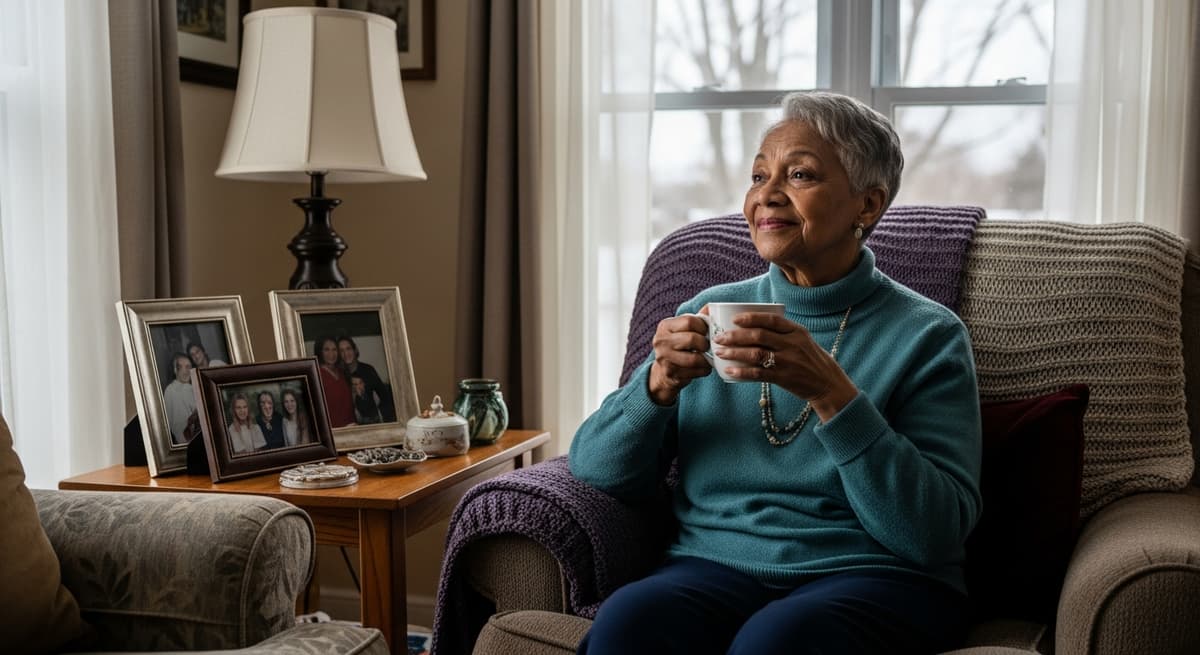
A Growing Demographic: Single Seniors in Ontario
The number of seniors living alone in Ontario has increased steadily over the past two decades. According to Statistics Canada, approximately 1.4 million Canadians aged 65 and over live alone — and that share is higher for women than men. In Ontario specifically, the proportion of seniors in single-person households continues to grow as the population ages and life expectancy increases.
Living alone is not a crisis by itself. Many single seniors enjoy independence and have built lives around self-reliance. But the financial structure of living alone creates specific pressures that couples do not face:
- All housing costs (property tax, insurance, utilities, maintenance) are borne by one income
- Government benefits are designed around individual entitlements, but housing costs do not scale down proportionally
- There is no second income to absorb unexpected expenses — a furnace replacement or roof repair falls entirely on one person
- Social isolation can lead to delayed home maintenance and deferred medical care
According to the Government of Canada, the maximum OAS payment for a single person in 2026 is approximately $727/month, and the maximum CPP retirement pension is approximately $1,364/month. Combined, these government sources alone rarely cover the full cost of homeownership in Ontario.
The Financial Reality for Single-Income Seniors
The gap between income and expenses is where the pressure builds. Here is what a typical single senior's monthly finances look like across Ontario communities:
| Monthly Expense | Toronto/GTA | Ottawa | Smaller City (e.g., Kingston) |
|---|---|---|---|
| Property tax | $450–$650 | $400–$550 | $300–$450 |
| Home insurance | $150–$250 | $130–$200 | $110–$180 |
| Utilities (heat, hydro, water) | $300–$450 | $280–$400 | $250–$380 |
| Basic maintenance/repairs | $200–$350 | $180–$300 | $150–$250 |
| Food/groceries | $400–$550 | $380–$500 | $350–$480 |
| Transportation | $150–$300 | $130–$250 | $100–$200 |
| Total minimum | $1,650–$2,550 | $1,500–$2,200 | $1,260–$1,940 |
Now compare that to income. A single senior relying primarily on government benefits faces a clear shortfall:
| Income Source | Monthly Amount (2026 est.) |
|---|---|
| OAS (maximum at 65) | ~$727 |
| CPP (average, not maximum) | ~$830 |
| GIS (if eligible, single rate) | Up to ~$1,072 |
| Workplace pension (if any) | Varies widely |
| Typical total without private savings | $1,557–$2,629 |
For many single seniors, the math works — barely — until something unexpected happens. A major home repair, a health issue, or rising property taxes can push the budget into deficit. That is the scenario where a reverse mortgage becomes directly relevant.
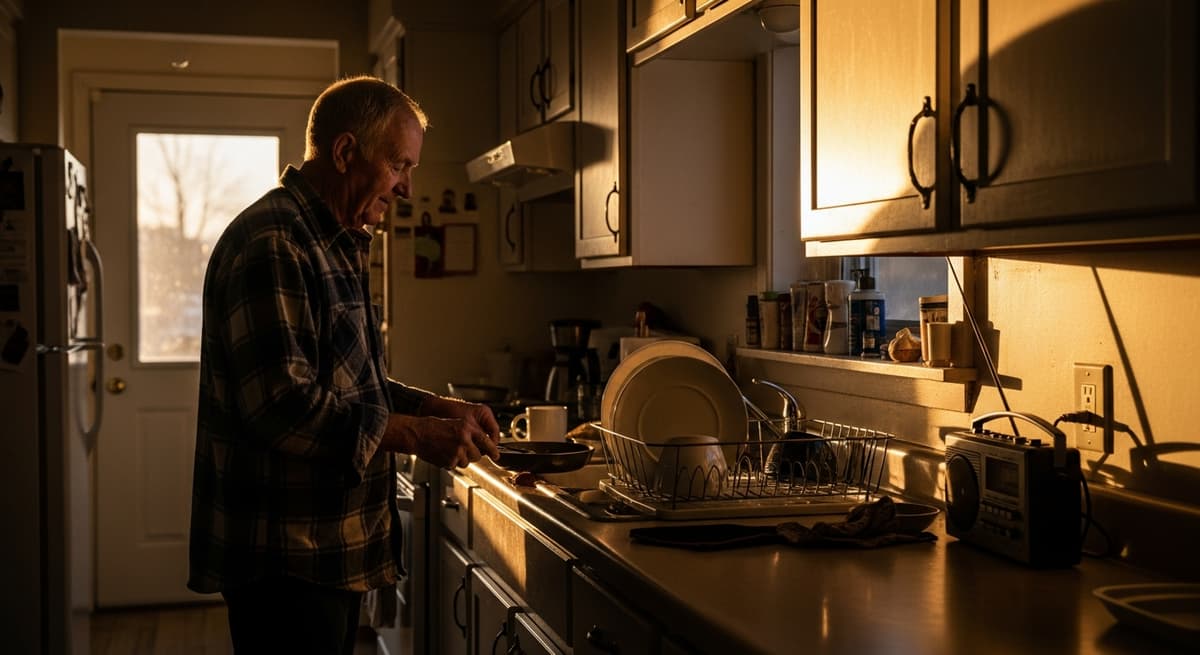
How a Reverse Mortgage Addresses Single-Senior Challenges
A reverse mortgage allows homeowners aged 55 and older to access up to 59% of their home's appraised value without selling, moving, or making monthly payments. The loan is repaid when the homeowner sells the home, moves out permanently, or passes away.
For single seniors specifically, several features are especially valuable:
No Income Qualification Required
Unlike a HELOC or conventional mortgage refinance, a reverse mortgage does not require proof of sufficient income. This is critical for single seniors whose income may be modest — consisting entirely of CPP, OAS, and perhaps a small pension. The approval is based primarily on your age, home value, and property location. For full eligibility details, see our guide on reverse mortgage eligibility in Ontario.
No Monthly Payment Obligation
Adding a $400–$800/month loan payment to an already tight single-income budget is often not feasible. A reverse mortgage eliminates this problem entirely. Interest accrues on the balance and is added to the loan — you never make a payment while you live in your home.
Tax-Free Proceeds
Reverse mortgage funds are not considered taxable income by the Canada Revenue Agency (CRA). This is particularly important for single seniors receiving GIS, since GIS is income-tested. A reverse mortgage draw does not count as income for GIS purposes, meaning your government benefits remain intact. For more on this, read our detailed breakdown of reverse mortgage tax implications in Canada.
Flexible Disbursement Options
You can receive funds as a lump sum, scheduled monthly draws, or a combination. For single seniors needing regular income supplementation, a monthly draw structure effectively creates a "second income" from home equity.
Pros and Cons for Single Seniors
| Factor | Detail |
|---|---|
| ✓ No income requirement | Approval based on age, home value, location — not income |
| ✓ No monthly payments | Preserves existing cash flow entirely |
| ✓ Tax-free funds | Does not affect OAS, GIS, or other income-tested benefits |
| ✓ Stay in your home | Maintains independence and community ties |
| ✓ Flexible use | Income supplement, home modifications, debt payoff, emergency reserve |
| ✗ Interest compounds over time | Loan balance grows — reduces future estate value |
| ✗ Higher interest rates than conventional mortgages | Typically 1–2% above standard rates |
| ✗ Setup costs | Legal fees, appraisal, and possible administration fees at closing |
| ✗ Reduced inheritance | Less equity available for heirs — important to discuss with family |
| ✗ Early exit penalties | Breaking the mortgage before term expiry incurs prepayment charges |
Worked Example: A Single Senior's Budget Transformation
Example: Helen, 74, Mississauga Home value: $720,000 (no existing mortgage) Income: $1,950/month (OAS + CPP + small workplace pension) Monthly expenses: $2,600 Monthly shortfall: $650
Helen contacts Rick Sekhon to explore her options. After an appraisal and application, she qualifies for a reverse mortgage at 48% LTV — approximately $345,600 available.
Helen chooses a monthly draw of $700 to cover her shortfall with a small buffer.
| Helen's Monthly Budget | Before Reverse Mortgage | After Reverse Mortgage |
|---|---|---|
| Government/pension income | $1,950 | $1,950 |
| Reverse mortgage monthly draw | $0 | $700 |
| Total available | $1,950 | $2,650 |
| Fixed expenses (tax, insurance, utilities) | $1,100 | $1,100 |
| Groceries and transportation | $850 | $850 |
| Maintenance and miscellaneous | $650 | $650 |
| Remaining | −$650 | $50 |
Helen's deficit is eliminated. At $700/month over 10 years, she would draw approximately $84,000. With compounding interest, the total loan balance after 10 years would be approximately $115,000–$125,000 — still well below the likely future value of her home. She continues to live independently in her home with financial stability.

Power of Attorney Planning When You Live Alone
This is one of the most important — and most overlooked — steps for single seniors considering a reverse mortgage. When you live alone, there is no spouse or partner to step in if you become incapacitated. You must have:
- Power of Attorney for Property: Authorizes a trusted person to manage financial matters, including decisions related to the reverse mortgage, if you cannot do so yourself
- Power of Attorney for Personal Care: Authorizes someone to make health and living decisions on your behalf
Without these documents, the Ontario court system (through the Office of the Public Guardian and Trustee) may need to appoint someone — a process that is slow, expensive, and impersonal. Rick Sekhon Reverse Mortgages recommends establishing both powers of attorney before or during the reverse mortgage process.
The independent legal advice (ILA) session required before closing a reverse mortgage is a natural opportunity to discuss POA planning with a lawyer. Many clients complete both at the same time.
For more on how power of attorney interacts with reverse mortgages, see our dedicated guide on reverse mortgage and power of attorney in Ontario.
Home Safety and Modification Considerations
Single seniors who age in place without a partner present face unique safety considerations. A reverse mortgage can fund home modifications that directly support safe independent living:
| Modification | Approximate Cost | Impact |
|---|---|---|
| Grab bars and bathroom safety | $500–$2,000 | Reduces fall risk — the leading cause of injury hospitalization for seniors |
| Stair lift or chair lift | $3,500–$8,000 | Enables continued use of multi-level homes |
| Walk-in tub or roll-in shower | $3,000–$10,000 | Bathing independence without assistance |
| Main floor bedroom conversion | $5,000–$15,000 | Eliminates stair dependence entirely |
| Personal emergency response system (PERS) | $30–$60/month | 24/7 emergency monitoring for those living alone |
| Improved lighting and non-slip flooring | $1,000–$4,000 | General fall prevention throughout the home |
These modifications are not luxuries — they are practical investments in continued independence. The Ontario Ministry for Seniors and Accessibility provides information about home modification programs, and a reverse mortgage can supplement or replace these programs when funding gaps exist.
For a full renovation checklist, see our guide on reverse mortgage renovations and accessibility.
For those exploring the Aging in Place path, a reverse mortgage directly funds the modifications that make aging in place safe and practical. And if your primary concern is retirement cash flow, the monthly draw structure addresses income gaps without requiring you to draw down RRIFs or other registered savings faster than planned.
Comparing Income Sources for Single Seniors
Understanding how a reverse mortgage fits alongside other income sources helps with planning:
| Income Source | Taxable? | Affects GIS? | Monthly Payment Required? | Income-Tested? |
|---|---|---|---|---|
| CPP | Yes | Yes | N/A (benefit) | No |
| OAS | Yes | N/A (is the benefit) | N/A (benefit) | Clawback above ~$90,997 |
| GIS | No | N/A (is the benefit) | N/A (benefit) | Yes — income-tested |
| RRIF withdrawal | Yes | Yes | N/A (withdrawal) | No |
| HELOC draw | No | No | Yes — minimum monthly payment | Yes — income-qualified |
| Reverse mortgage draw | No | No | No | No |
The reverse mortgage is unique in being non-taxable, non-income-tested, and requiring no monthly payment. For single seniors relying on GIS — which is entirely income-tested — this distinction is particularly meaningful. Every dollar of RRIF withdrawal can reduce your GIS by 50 cents or more. A reverse mortgage draw does not trigger this clawback.
Practical Steps to Get Started
If you are a single senior considering a reverse mortgage, here is a straightforward process:
-
Assess your situation honestly: Calculate your monthly income and expenses. Identify the gap or the specific need (income supplement, home modification, debt payoff).
-
Contact a specialist: Speak with Rick Sekhon for an initial consultation. This conversation is free and confidential — there is no obligation. A specialist can estimate your borrowing capacity based on your age and home value.
-
Get an appraisal: A certified appraisal determines the current market value of your home. This is the basis for calculating how much you can access.
-
Choose your structure: Lump sum, monthly draws, or a combination. Your broker will help you determine the right approach for your circumstances.
-
Independent legal advice: Before closing, you must meet with an independent lawyer (not the lender's lawyer) who explains the terms and ensures you understand the commitment. This is a regulatory requirement in Ontario and a genuine consumer protection — especially important for those without a partner to discuss decisions with.
-
Closing and funding: Once all documents are signed, funds are typically available within a few business days.
FAQ
Do I need a co-signer or family member involved to get a reverse mortgage if I live alone? No. A reverse mortgage does not require a co-signer, guarantor, or family involvement. You apply as a sole borrower. While the lender may ask about your power of attorney arrangements, no third party needs to be on the mortgage. Independent legal advice is required, but this is your own lawyer acting in your interest — not a family approval process.
What happens to my reverse mortgage if I need to move to long-term care? If you permanently leave your home — including moving to a long-term care facility — the reverse mortgage becomes due. You (or your power of attorney) would sell the home and repay the loan from the proceeds. Any remaining equity belongs to you or your estate. There is no scenario where you owe more than the home's fair market value at the time of sale, provided you have maintained the property and kept taxes and insurance current.
Can I still qualify for GIS if I take a reverse mortgage? Yes. Reverse mortgage proceeds are not considered income by the CRA and are not included in the net income calculation used to determine GIS eligibility. This makes a reverse mortgage one of the few ways to increase your available monthly funds without reducing your GIS entitlement.
I have no children or heirs — does a reverse mortgage still make sense? Absolutely. If preserving an inheritance is not a priority, a reverse mortgage becomes even more straightforward. You are converting home equity into quality of life during the years you need it most. The home will be sold after your death to repay the loan, with any surplus going to your estate (or designated beneficiary).
Is my home eligible if it is a condo? Most condos in Ontario are eligible for a reverse mortgage, provided the building meets certain criteria (adequate reserve fund, no major pending special assessments, and the unit is your principal residence). Condo eligibility varies by lender — Rick Sekhon Reverse Mortgages can confirm whether your specific building qualifies.
What if I want to take a reverse mortgage but I am under 55? The minimum age for all reverse mortgage products in Canada is 55. If you are under 55, you would need to explore other options such as a HELOC, conventional refinancing, or downsizing. Once you reach 55, you become eligible to apply.
Speak to a licensed mortgage professional. Independent legal advice is required before closing a reverse mortgage in Ontario.
Get your free Ontario Reverse Mortgage Guide →
This content is for illustrative purposes only. Rates may vary. Call Rick Sekhon for the best rates and more information.
Ready to Learn More?
Get the free Ontario Reverse Mortgage Guide and find out exactly how much you could unlock from your home.
Get My Free Guide →Related Articles
Reverse Mortgage Eligibility in Ontario: Complete 2026 Guide
Everything Ontario homeowners need to know about qualifying for a reverse mortgage in 2026. Covers age requirements, home equity, property types, and the application process.
Read →How to Supplement CPP and OAS with a Reverse Mortgage in Canada
Ontario retirees: learn how a reverse mortgage creates tax-free income to supplement CPP and OAS without triggering clawbacks or affecting GIS eligibility.
Read →Reverse Mortgage for Widows and Widowers in Ontario: A Complete Guide
How widows and widowers in Ontario use a reverse mortgage to manage financial changes after losing a spouse. Estate settlement, sole borrower rules, and income planning.
Read →