
Reverse Mortgage for Smart Home Security: Aging in Place with Confidence
Fund smart home security systems and safety technology with a reverse mortgage. Stay safe and independent in your Ontario home longer.
"How can I afford the smart home technology that would make aging in my home safer?" Installing modern security systems, fall detection devices, and smart monitoring can cost thousands of dollars—but a reverse mortgage can unlock the funds to create a truly secure, technology-enabled aging-in-place home. Here's how Ontario seniors are using reverse mortgages to fund the systems that extend their independence.
This article is for educational purposes only and does not constitute financial advice.

Why Smart Home Security Matters for Aging in Place
Aging in place means staying in your own home as you get older—but safety must come first. Modern smart home systems provide:
- 24/7 monitoring without being intrusive
- Fall detection that can summon help automatically
- Remote access for adult children to check in
- Emergency response integration with local paramedics
- Medication reminders and health tracking
- Motion-sensor lighting that prevents falls
- Video doorbells to screen visitors safely
The average cost of a comprehensive smart home safety system for seniors ranges from $3,000 to $15,000 installed—a significant expense on a fixed retirement income.
What Smart Home Systems Can a Reverse Mortgage Fund?
A reverse mortgage provides flexible access to your home equity, allowing you to fund:
Essential Security Systems
- Professional home alarm installation and monitoring ($1,500–$4,000)
- High-resolution security cameras inside and outside ($2,000–$5,000)
- Smart door locks with keypad and remote access ($800–$2,500)
- Window and door sensors ($500–$1,500)
Health and Safety Technology
- Wearable fall detection devices ($300–$1,000)
- Bed and chair pressure sensors ($200–$800)
- Smart medication dispensers ($100–$400)
- Video calling systems for remote consultations ($200–$800)
Smart Home Automation
- Smart lighting with motion detection ($1,500–$3,500)
- Voice-activated assistants (Amazon Alexa, Google Home) ($100–$500)
- Smart thermostat for temperature control ($300–$800)
- Water leak detection sensors ($200–$500)
Professional Monitoring Services
- 24/7 professional monitoring (annual): $300–$600
- Senior wellness check-ins (monthly): $30–$100
- Family notification systems: $50–$200 annually
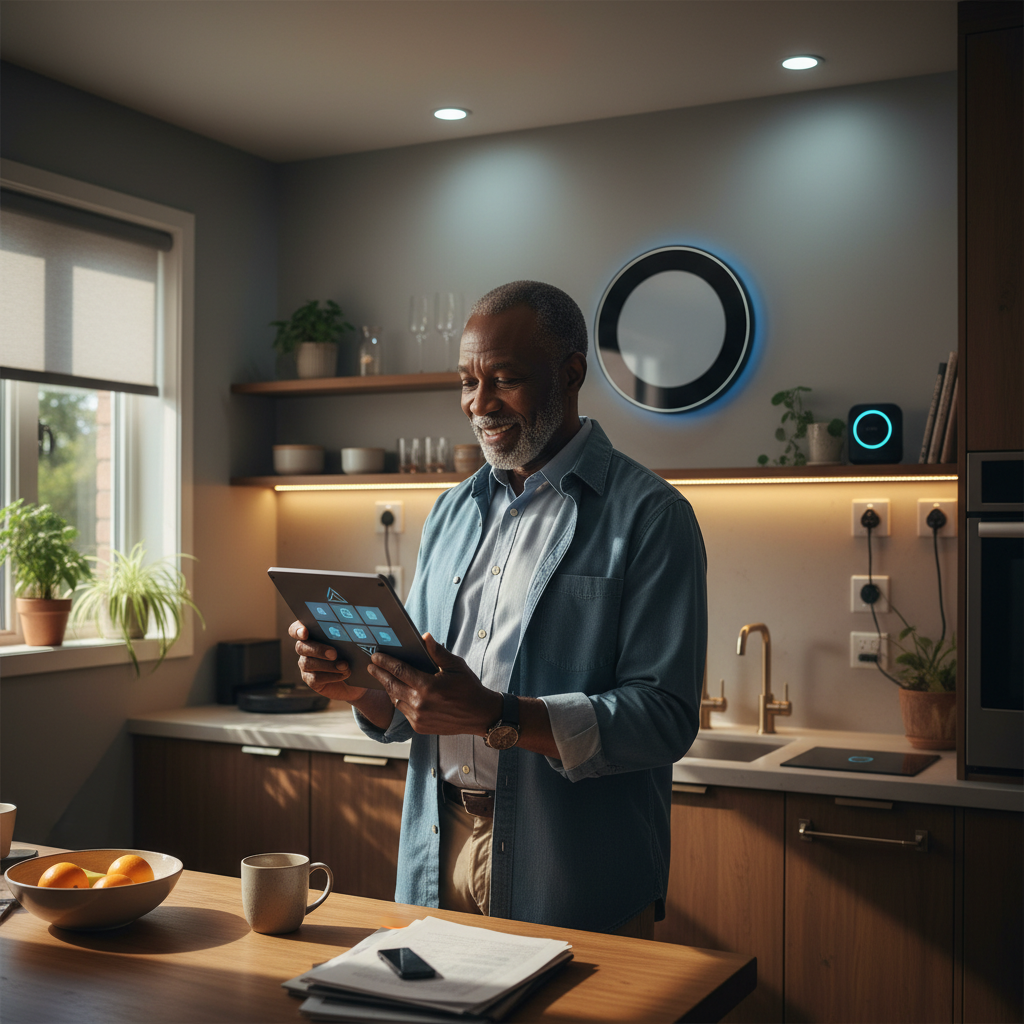
Real Ontario Scenarios: How Reverse Mortgages Fund Safety
Scenario 1: Margaret's Fall Detection System
Margaret, 76, lives alone in her Toronto home. After a fall in the kitchen, her daughter insisted on a modern safety system. A comprehensive smart home setup cost $8,500—out of reach on her CPP. Using a reverse mortgage, Margaret accessed funds without monthly payments, installed the system, and maintains her independence while her daughter monitors remotely.
Scenario 2: Bob and Patricia's Integrated System
Retired from Mississauga, Bob and Patricia wanted to remain in their 3-bedroom home. They used a reverse mortgage to install:
- Professional alarm system: $3,000
- Smart lighting throughout: $2,500
- Video doorbell and exterior cameras: $2,000
- Bed sensors and medication reminder system: $1,500
- Total: $9,000 (covered by a single reverse mortgage draw)
Three years later, they're still aging in place safely, with their son able to monitor remotely.
How Reverse Mortgage Funding Works for Smart Home Systems
Step 1: Assessment and Quote
Get quotes from local smart home installers in Ontario. Costs vary by:
- Size of home
- Number of devices and sensors
- Professional installation vs. DIY
- Ongoing monitoring service fees
Step 2: Apply for Reverse Mortgage
Work with a licensed reverse mortgage specialist (such as Rick Sekhon Reverse Mortgages) to:
- Determine how much equity you can access
- Choose a lump sum or flexible draws
- Understand the costs and interest rates
Step 3: Lump Sum or Draws?
- Lump sum: Get all funds at once to pay the installer in full
- Flexible draws: Access funds as installations are completed (reduces interest accumulation)
Most Ontario lenders like CHIP, Equitable Bank, and Home Trust offer both options. The choice depends on your preference and installation timeline.
Step 4: Installation and Setup
Work with your installer to:
- Set up all devices and sensors
- Connect to monitoring services
- Train on using the systems
- Ensure family members have access
Step 5: Repayment (No Monthly Payments)
The reverse mortgage grows in value over time, but no monthly payments are required. Repayment happens only when you:
- Sell the home
- Move permanently to another residence
- Pass away (estate repays from home sale proceeds)
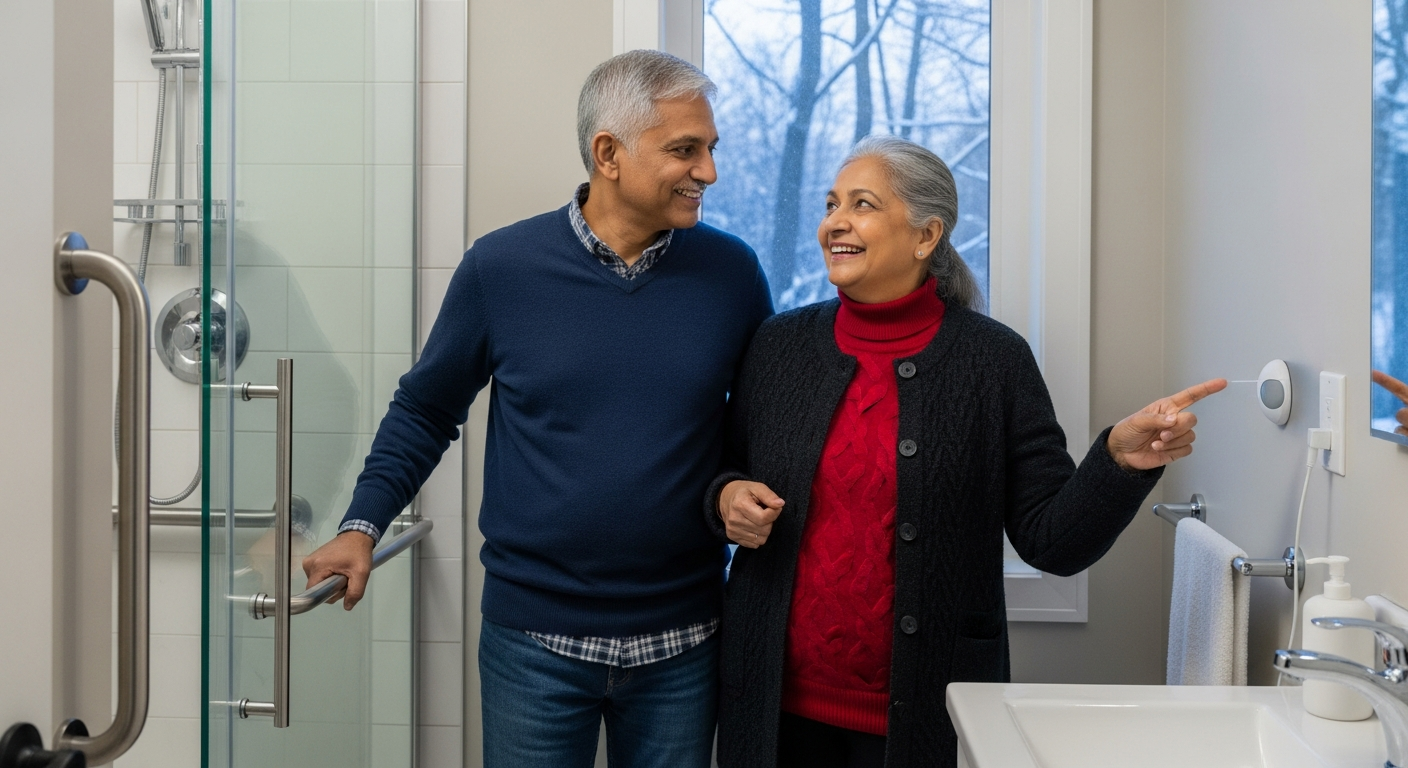
Comparing Smart Home Funding Options
| Funding Method | Initial Cost | Monthly Payment | Best For |
|---|---|---|---|
| Reverse Mortgage | $0 upfront | None | Seniors 55+ on fixed income |
| Line of Credit (HELOC) | Low | Yes, interest-only | Working retirees with income |
| Personal Loan | Low | Yes, fixed | Higher income retirees |
| Out of Pocket | None | None | Seniors with savings |
| Family Loan | None | Varies | Close family support available |
According to the Financial Consumer Agency of Canada (FCAC), reverse mortgages are increasingly used to fund accessibility and safety improvements, recognizing that these upgrades directly extend a senior's ability to age independently.
Tax Implications: Is Reverse Mortgage Funding Taxable?
Good news: Funds from a reverse mortgage are not taxable income. Because you're borrowing against your home equity (not earning income), the proceeds don't:
- Count toward OAS/GIS income thresholds
- Trigger tax reporting to the Canada Revenue Agency (CRA)
- Affect government benefits eligibility
This is a significant advantage over HELOC or personal loan alternatives, which may carry interest deductibility questions.
Considerations Before Funding Smart Home Systems
1. Is the System Future-Proof?
Smart home technology evolves quickly. Choose systems and installers that:
- Support firmware updates
- Use open-standard protocols (Z-Wave, Zigbee, WiFi)
- Have professional support for 5+ years
- Integrate with major platforms (Apple HomeKit, Google Home)
2. Professional Installation vs. DIY
- Professional: Higher upfront cost ($3,000–$5,000 installation fee), but includes:
- Integration with security monitoring
- Professional liability if issues arise
- Warranty and support
- Proper placement and optimization
- DIY: Lower cost, but requires technical comfort and may miss optimization opportunities
3. Ongoing Monitoring Costs
Factor in annual monitoring fees:
- Basic alarm monitoring: $300–$600/year
- Senior wellness checks: $30–$100/month
- Family alert services: $50–$200/year
- These ongoing costs come from your regular budget, not the reverse mortgage.
4. Combined with Other Accessibility Needs
Smart home systems work best alongside other aging-in-place modifications:
- Grab bars and railings
- Non-slip flooring
- Accessible bathroom fixtures
- Bedroom/bathroom on main floor
Consider bundling these into a single reverse mortgage draw for efficiency.
Ontario-Specific Advantages
Ontario Seniors Property Tax Deferral Program: Some Ontario seniors may qualify for property tax deferrals, reducing annual housing costs. Combined with a reverse mortgage for safety upgrades, this can significantly extend aging-in-place viability.
Local Installer Support: Ontario has a strong network of smart home installers and accessibility specialists who work regularly with reverse mortgage clients. This familiarity means better installation practices and cost optimization.
The Bottom Line: Peace of Mind at Home
Smart home security and monitoring systems represent one of the most practical uses of reverse mortgage funds for Ontario seniors. The cost is reasonable compared to other aging-in-place modifications, and the peace of mind—for you and your family—is invaluable.
Key takeaway: If you're committed to aging in place but worried about safety, a reverse mortgage can unlock the funds for the technology that keeps you safe, monitored, and independent—without monthly payments or income pressure.
Frequently Asked Questions
Can I use a reverse mortgage to fund a security monitoring service subscription?
Yes, a reverse mortgage lump sum can be invested to cover several years of monitoring fees upfront. However, most people prefer to pay monitoring fees from their regular budget since they're modest ($25–$50/month). Consult with Rick Sekhon Reverse Mortgages about the best approach for your situation.
Will adding smart home systems increase my home's value for resale?
In most cases, smart home systems add modest value ($2,000–$5,000) but don't return 1:1 on investment. However, they significantly improve daily living and safety—the primary benefit for aging in place. If you plan to stay in your home indefinitely, resale value is secondary.
Do all reverse mortgage lenders approve smart home funding?
Yes. CHIP, Equitable Bank, Bloom Financial, and Home Trust all permit funds to be used for home modifications and safety upgrades, including smart home systems. There's no restriction on using reverse mortgage proceeds for this purpose.
What if I need additional smart home upgrades 5 years from now?
If you chose a line of credit (LOC) option when obtaining your reverse mortgage, you can make additional draws later. If you took a lump sum, you'd need to apply for additional reverse mortgage borrowing or find alternative funding.
Can adult children help set up and manage smart home systems?
Absolutely. Many adult children help their aging parents research, select, and configure smart home systems. Sharing access credentials with trusted family members allows remote monitoring and support—this is a primary benefit of smart home aging-in-place strategies.
Ready to Learn More?
Get the free Ontario Reverse Mortgage Guide and find out exactly how much you could unlock from your home.
Get My Free Guide →Related Articles
Fund Home Modifications to Age in Place: Ontario Guide
Discover how a reverse mortgage can finance accessibility upgrades, care services, and renovations to stay safely in your Ontario home as you age.
Read →Aging in Place with a Reverse Mortgage: Home Modification Guide
How Ontario seniors can fund aging-in-place home modifications with a reverse mortgage — costs, top modifications, grants, and a complete planning guide.
Read →Reverse Mortgage for Smart Home Technology: Aging in Place Safety
Fund smart home safety systems with a reverse mortgage. Install fall detection, voice controls, and monitoring systems for secure aging in place in Ontario.
Read →