
Staying Comfortable Year-Round: Reverse Mortgage for Heating and Cooling in Ontario
Fund home heating, cooling, and HVAC upgrades for aging in place. Ontario winters and summers require reliable climate control—here's how to afford it.
Ontario's winters can drop to -20°C, and summers exceed 30°C. For seniors aging in place, a reliable heating and cooling system isn't a luxury—it's essential for health and safety. If your furnace is aging, your air conditioning doesn't work, or you're paying $300+ monthly to heat an inefficient home, a reverse mortgage can fund the upgrade you've been delaying.

Why HVAC Becomes Critical as You Age
Extreme temperatures pose serious health risks to seniors. According to Health Canada, heat-related illness and cold-related health effects are both significant concerns for older adults. Here's why:
Cold stress (winter):
- Reduces blood flow and oxygen to the heart; increases risk of heart attack and stroke
- Numbness and reduced coordination increase fall risk
- Older adults often don't shiver or feel cold until hypothermia is advanced
- A home that can't maintain 20°C+ becomes unsafe for anyone with arthritis, reduced mobility, or cardiovascular conditions
Heat stress (summer):
- Dehydration becomes dangerous faster in seniors
- Medications (diuretics, antihistamines, certain antidepressants) impair heat regulation
- A home above 26°C becomes uncomfortable and potentially dangerous if you have heart or respiratory conditions
- Heat can trigger confusion or cognitive decline in seniors with early dementia
Many Ontario homes built before 1990 have inefficient furnaces, no air conditioning, or both. Upgrading isn't just about comfort—it's about maintaining your health and independence while aging in place.
The Cost of Delay
Many Ontario seniors defer HVAC upgrades because of upfront cost. Here's the real price of that delay:
Example: A 30-year-old furnace
| Cost Category | Impact |
|---|---|
| Heating bills | $2,500/year (vs. $1,800 for modern efficient unit) |
| Annual excess = | $700/year |
| Repair calls (average) | $500–$1,000/year when components fail |
| Total annual overpayment | $1,200–$1,700 |
Cumulative cost over 5 years: $6,000–$8,500 in excess heating costs plus repairs.
A new high-efficiency furnace and air conditioning system costs $12,000–$20,000 installed. The payback period is 7–12 years through energy savings alone—but that analysis ignores the health risks of living in an uncomfortable or unsafe home.
HVAC Upgrades Ontario Seniors Fund via Reverse Mortgage
Furnace Replacement (Gas or Heat Pump)
Traditional gas furnaces are reliable but increasingly expensive to operate. Modern high-efficiency condensing furnaces recover heat from exhaust, reducing energy use by 15–25%.
Cost: $4,000–$8,000 installed Benefit: Lower heating bills; quieter operation; improved safety (newer models have better controls) Lifespan: 15–20 years
Heat pump alternative: Air-source heat pumps heat your home in winter and cool it in summer using refrigerant technology. More efficient than separate systems but require spring and fall maintenance.
Cost: $6,000–$12,000 installed Benefit: Covers both heating and cooling with one system; eligible for federal rebates (up to $5,000 under the Clean Energy Fund); quieter; some models work down to -25°C in Ontario winters Consideration: Works best in well-insulated homes; may need supplemental electric heating on extreme cold days
Central Air Conditioning Installation
Many Ontario homes have only heating. Adding air conditioning later is more expensive than installing both systems simultaneously, but if you're replacing your furnace anyway, this is the time to add it.
Cost: $3,000–$6,000 added to a furnace replacement Benefit: Manages heat stress in summer; often improves home resale value; provides optional ventilation control
Ductwork Cleaning and Sealing
Leaky ducts waste heated or cooled air before it reaches living spaces. You might be paying to heat/cool your attic and basement instead of your bedroom.
Cost: $1,500–$3,000 Benefit: 10–20% improvement in heating/cooling efficiency; reduces dust circulation (helps respiratory health) Lifespan: Improvements last 20+ years
Smart Thermostats and Zoning
Modern thermostats learn your patterns and adjust temperature automatically. Smart zoning systems heat/cool only occupied rooms, saving energy and improving comfort.
Cost: $500–$2,000 installed Benefit: Reduced bills; ability to adjust temperature remotely if you're away; integration with voice assistants (Alexa, Google Home)
Reverse Mortgage Advantage: Bundling and Timing
HVAC upgrades are perfect candidates for reverse mortgage funding because:
- High upfront cost, long lifespan — you'll benefit from this investment for 15–20 years while staying in your home
- Deferred maintenance compound effect — while waiting, you're overpaying on energy bills AND risking emergency repairs that cost 2–3x more
- Fits aging-in-place strategy — comfortable temperature is foundational to independence; you can bundle it with other safety upgrades
Case Study: Dennis, Age 72, Toronto
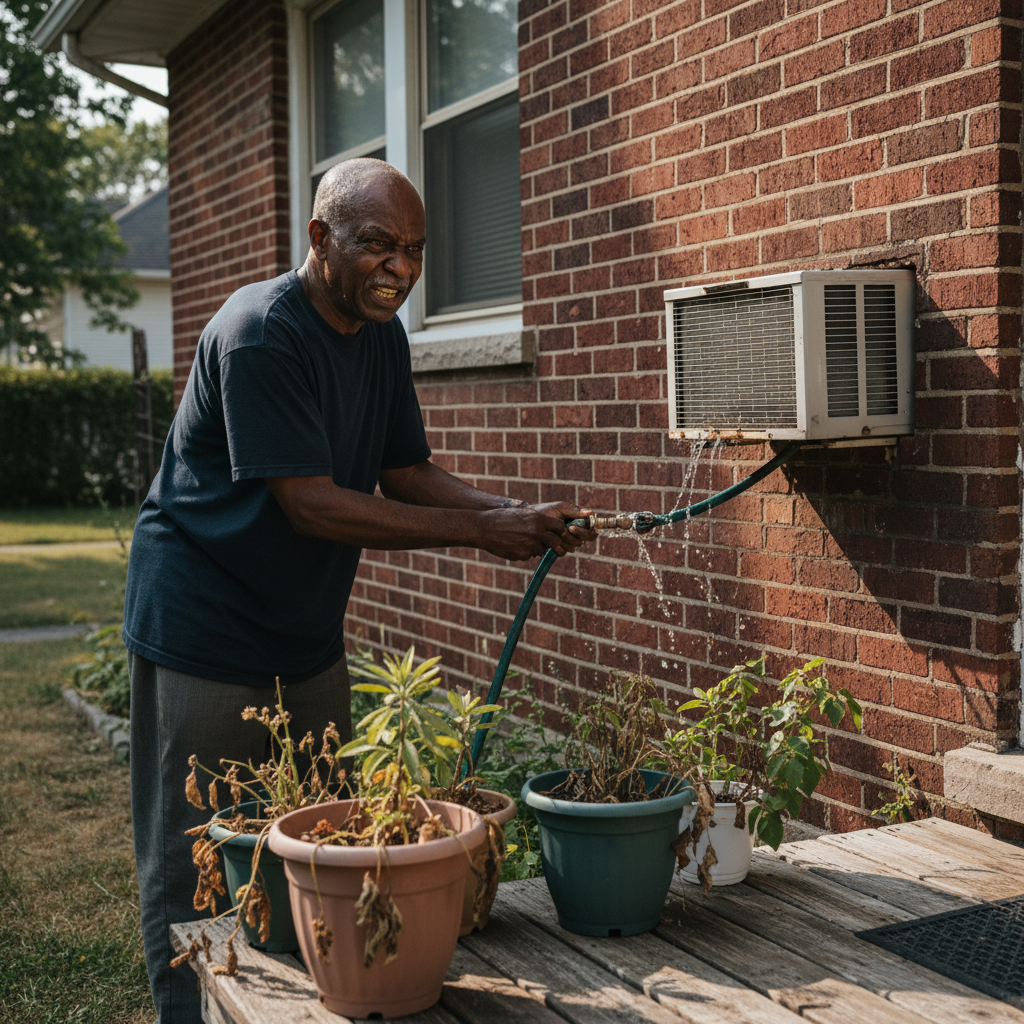
Dennis lived in a semi-detached built in 1975. His original furnace was failing—heating bills hit $350/month in winter, and his home never reached a comfortable 22°C. His air conditioning was a window unit in one bedroom. Cost to replace furnace + add central AC: $16,000.
Dennis's options:
| Option | Cash Flow Impact | Total Cost | Notes |
|---|---|---|---|
| HELOC | $16,000 at 6.5% = $86/month interest | ~$19,400 over 5 years | Adds strain to fixed income |
| Save and wait | None initially | ~$20,000+ (inflation, emergency repairs) | Delays heating 2–3 years; health risk |
| Reverse mortgage | $0/month | $16,000 borrowed at 6.54%, grows to ~$22,700 in 5 years | No monthly payment; funds upgrade immediately |
| Sell and downsize | Loses home; selling costs $15,000+ | Unknown | Not desired outcome |
Dennis chose a reverse mortgage. He accessed $16,000 immediately, replaced his furnace with a heat pump, and added air conditioning. His monthly energy bill dropped from $350 to $210 in winter and stayed around $80 in summer (vs. the old window unit's $120). Over five years, his energy savings alone ($4,800) offset roughly 1/3 of the compound interest cost. More importantly, he spent those five winters warm and comfortable—a quality-of-life benefit worth far more than the math suggests.
Federal and Provincial Rebates You Can Stack
Ontario and federal governments offer rebates for energy-efficient heating and cooling upgrades:
- Canada Greener Homes Grant: Up to $5,000 for heat pump installation (federal)
- Ontario Residential Rebate Program: Additional incentives depending on system type
- Utility rebates: Many Ontario utilities (Toronto Hydro, Hydro One, local co-ops) offer $500–$2,000 rebates for efficiency upgrades
These rebates reduce your net cost. If you qualify for a $3,000 grant and your system costs $16,000, your reverse mortgage advance drops to $13,000.
Planning Your HVAC Upgrade Project
If your furnace is 20+ years old or your home has no air conditioning, here's how to proceed:
Step 1: Get an energy audit ($300–$500; some utilities subsidize these)
- Identifies heating losses, cooling challenges, and efficiency improvements
- Helps prioritize: is your ductwork leaking? Is insulation adequate? Does the furnace need replacement or tune-up?
Step 2: Request HVAC quotes from 3 contractors
- Look for HVAC contractors with 15+ years experience and positive reviews
- Ask about the warranty on equipment (typically 10 years for furnaces, 5 years for labour)
- Verify they're licensed and insured
Step 3: Confirm rebate eligibility
- Ask the contractor which systems qualify for federal/provincial rebates
- Some utilities require pre-approval before installation
- Apply for rebates before starting work to maximize benefit
Step 4: Model the cost with your reverse mortgage advisor
- Determine how much you can safely borrow via reverse mortgage
- Understand the long-term cost (interest compounding) vs. energy savings and quality-of-life gain
- Decide on fixed vs variable rate (longer-term HVAC investment may suit fixed rates)
Avoiding HVAC Contractor Scams
HVAC is a high-ticket category that attracts aggressive sales tactics targeting seniors. Protect yourself:
- Never accept the first quote — get 3 competing quotes and compare line-by-line
- Verify credentials — confirm they're licensed with the Heating, Refrigeration and Air Conditioning Institute (HRAI)
- Be wary of pressure — legitimate contractors are happy to let you sleep on a decision; pushy sales tactics are a red flag
- Check for financing tricks — some contractors push financing through third-party lenders at 19%+ interest. A reverse mortgage advance at 6.54% is far cheaper
- Review contracts carefully — ensure all work, warranties, and rebates are explicitly listed
The Long-Term Calculation
For most Ontario seniors considering a reverse mortgage for HVAC, the decision comes down to this:
Comfort, safety, and health in your home today versus compound interest on borrowed funds tomorrow.
Many seniors who defer this decision regret it when winter arrives and they're paying $400/month to heat an inefficient home, or when they can't sleep due to summer heat, or when an emergency furnace failure forces an expensive panic repair.
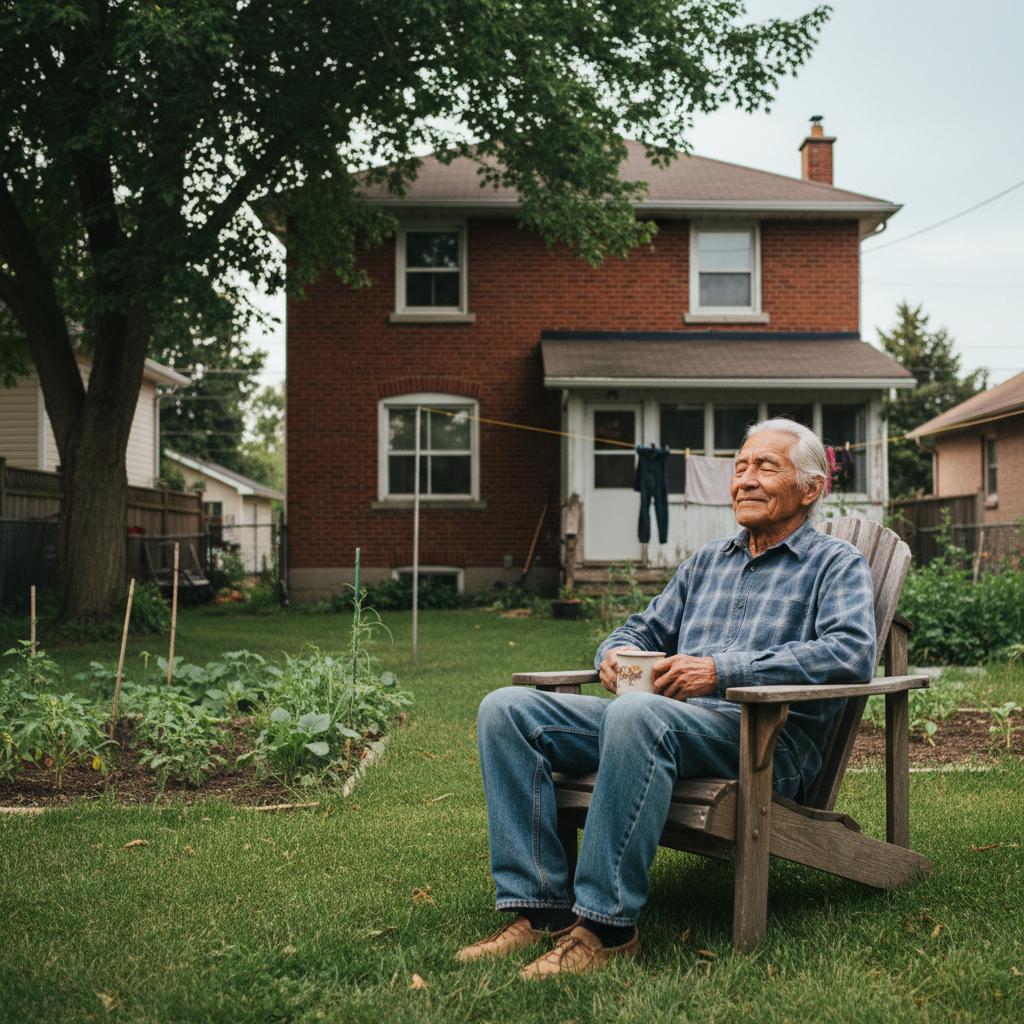
If you've been delaying an HVAC upgrade because of cost, a reverse mortgage removes that barrier. The interest cost is real, but so is the value of staying warm in winter, cool in summer, and independent in your home for as long as possible.
Ready to explore heating and cooling options? Reach out to discuss your current HVAC situation and how a reverse mortgage could help you invest in year-round comfort while aging in place in Ontario.
Ready to Learn More?
Get the free Ontario Reverse Mortgage Guide and find out exactly how much you could unlock from your home.
Get My Free Guide →Related Articles
Reverse Mortgage for Home Renovations: Aging in Place Guide for Ontario Seniors
Learn how to use a reverse mortgage to fund home renovations and modifications that let you age in place safely and comfortably in your Ontario home. Includes cost examples and step-by-step process.
Read →Reverse Mortgage and Deferred Home Maintenance: Catching Up on Repairs
Use a reverse mortgage to fund essential home repairs and maintenance you've deferred—preventing costly damage and maintaining aging in place.
Read →Fund Home Modifications to Age in Place: Ontario Guide
Discover how a reverse mortgage can finance accessibility upgrades, care services, and renovations to stay safely in your Ontario home as you age.
Read →