
Can You Get a Reverse Mortgage on Rental Property?
Can Ontario landlords use a reverse mortgage on rental properties? Primary residence rules, duplexes, basement suites, and lender policies explained.
You own a rental property in Ontario — or your home has a basement apartment, a duplex unit, a laneway suite, or an Airbnb listing — and you want to know whether a reverse mortgage is an option. The answer depends entirely on one question: do you live in the property? The fundamental rule is that a reverse mortgage must be secured against your primary residence, but what counts as a primary residence when part of the property generates rental income? This guide covers every scenario Ontario homeowners and landlords ask about, from purpose-built investment properties to owner-occupied duplexes, basement suites, laneway homes, and short-term rental platforms.
This article is for educational purposes only and does not constitute financial advice.

The Primary Residence Requirement: The Non-Negotiable Rule
Every reverse mortgage lender in Canada — HomeEquity Bank (CHIP), Equitable Bank, Bloom Financial, and Home Trust — requires that the property securing the reverse mortgage be your primary residence. This is not a preference or a guideline — it is a hard requirement built into the lending criteria, the mortgage agreement, and the regulatory framework under which these products operate.
According to the FCAC (Financial Consumer Agency of Canada), a primary residence for reverse mortgage purposes is the property where the borrower ordinarily lives as their main dwelling. It is the address on your driver's licence, your OHIP card, your CRA tax filings, and your voter registration. You sleep there most nights of the year.
This means the following property types have clear eligibility status:
| Property Type | Eligible for Reverse Mortgage? | Reason |
|---|---|---|
| Your home where you live full-time | ✓ Yes | It is your primary residence |
| A rental property you own but do not live in | ✗ No | Not your primary residence |
| A vacation property or cottage you visit seasonally | ✗ No | Not your primary residence |
| A commercial or mixed-use commercial property | ✗ No | Not residential / not primary residence |
| A property you recently moved out of and now rent to tenants | ✗ No | No longer your primary residence |
| A property you own jointly with a non-occupying co-owner | Case-by-case | Depends on your occupancy and ownership share |
The rule is clear and absolute for straightforward investment properties. But what about the grey areas — homes where you live and earn rental income? That is where things get interesting, and where many Ontario homeowners discover they have more options than they assumed.
Owner-Occupied Duplexes and Triplexes: Yes, They Can Qualify
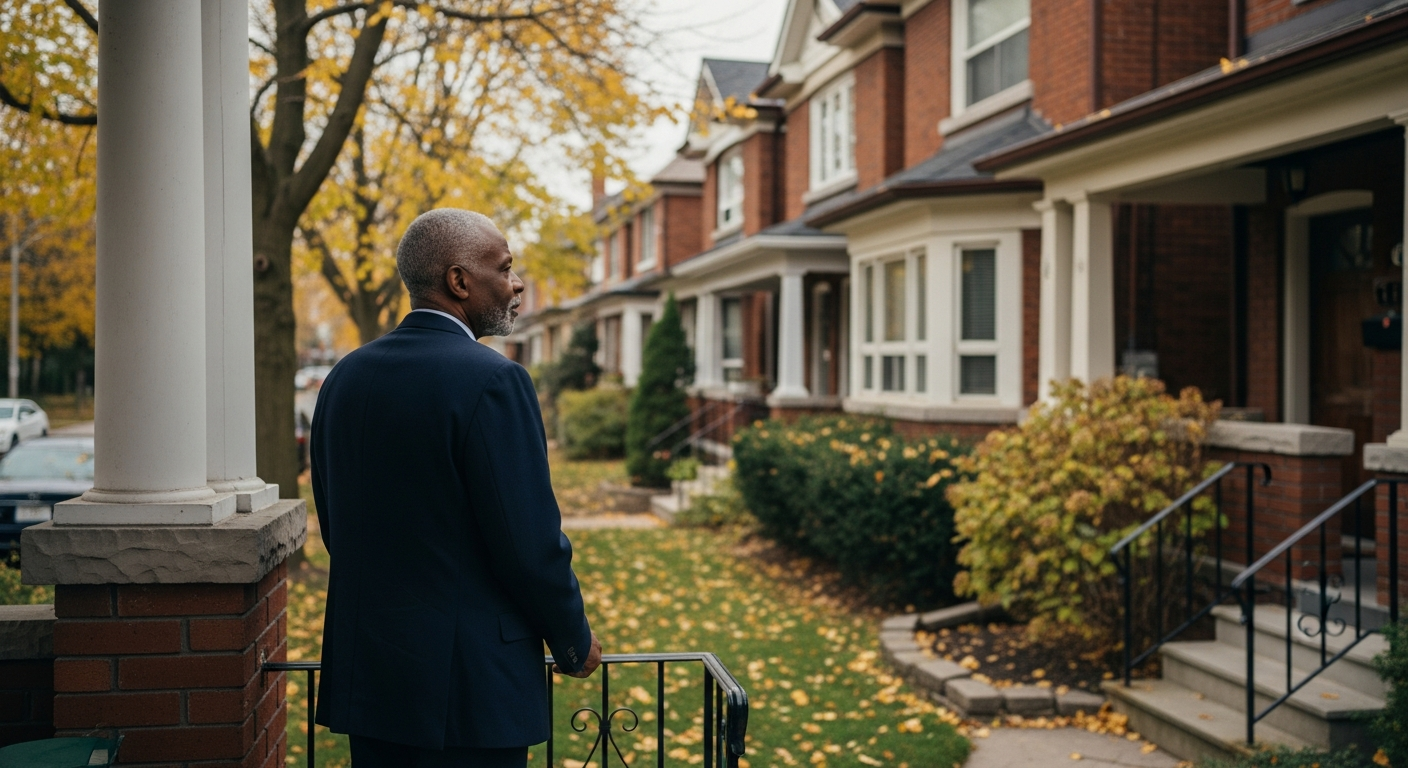
Many Ontario homeowners — particularly in older cities like Toronto, Hamilton, Ottawa, London, and Kingston — live in duplexes or triplexes where they occupy one unit and rent out the other unit(s). This is one of the most common questions Rick Sekhon receives, and the answer is often good news.
The Key Principle
Some reverse mortgage lenders will accept owner-occupied duplexes and triplexes, provided:
- You live in one of the units as your primary residence
- The property is zoned and classified as residential (not commercial)
- The property is in acceptable structural condition
- You are on title as the owner (or joint owner with a spouse aged 55+)
Lender-by-Lender Policies for Multi-Unit Properties
| Lender | Duplex (owner-occupied) | Triplex (owner-occupied) | Fourplex or larger |
|---|---|---|---|
| HomeEquity Bank (CHIP) | ✓ Accepted (case-by-case review) | ✓ Accepted (case-by-case review) | ✗ Generally not accepted |
| Equitable Bank | ✓ Accepted (case-by-case review) | Case-by-case | ✗ Generally not accepted |
| Bloom Financial | Varies by product and property | Varies by product | ✗ Generally not accepted |
| Home Trust | Varies by product and property | Varies by product | ✗ Generally not accepted |
Policies are subject to change. Rick Sekhon Reverse Mortgages confirms current lender policies for each client's specific property and situation before proceeding.
The key phrase throughout this table is "case-by-case." Lenders evaluate owner-occupied multi-unit properties individually, considering the property's condition, location, zoning compliance, and the clarity of the owner's occupancy status. A well-maintained duplex in a desirable Hamilton neighbourhood where the owner lives in the upper unit and rents the lower unit is a strong candidate. A neglected triplex in poor condition with unclear occupancy arrangements is not.
Rick Sekhon has navigated this process many times: "I have successfully arranged reverse mortgages on owner-occupied duplexes in Toronto, Hamilton, Ottawa, and London. The lender wants to see three things: that you genuinely live there, the property is in reasonable condition, and it is classified as residential. If those boxes are checked, the application proceeds much like any standard reverse mortgage — and the appraised value of a multi-unit property is often higher than a comparable single-family home, which means more available funds."
The Appraisal Advantage of Multi-Unit Properties
One benefit that surprises many duplex and triplex owners: the appraised value of a multi-unit property is typically higher than a comparable single-family home because of the income-generating component. This means more equity is recognized, and the reverse mortgage amount can be larger.
| Property Configuration | Typical Appraised Value Range (Ontario, mid-market) | Reverse Mortgage Potential (Age 70, ~35% LTV) |
|---|---|---|
| Single-family detached, 3 bed | $600,000–$800,000 | $210,000–$280,000 |
| Owner-occupied duplex, similar area | $700,000–$950,000 | $245,000–$332,500 |
| Owner-occupied triplex, similar area | $850,000–$1,200,000 | $297,500–$420,000 |
Approximate ranges for illustrative purposes. Actual values depend on location, condition, and specific lender guidelines.
Basement Suites and Secondary Suites: Generally No Problem
Basement apartments and secondary suites are extremely common in Ontario, particularly in the Greater Toronto Area, Hamilton, and Ottawa, where many homeowners have converted their basements into rental units. Ontario's housing legislation — including provisions encouraging Additional Residential Units (ARUs) under the More Homes Built Faster Act — has made secondary suites increasingly mainstream and legally supported.
Eligibility for Homes with Basement Suites
A home with a legal (or even unpermitted) basement suite is generally eligible for a reverse mortgage, provided:
- You live in the home as your primary residence (typically the main floors)
- The property is a single residential property on one title (not a severed lot with separate titles)
- The basement suite is part of the same dwelling structure, not a separate legal property
- The property is in acceptable overall condition
| Basement Suite Scenario | Eligible for Reverse Mortgage? | Notes |
|---|---|---|
| Legal basement suite with a paying tenant | ✓ Yes | You live upstairs; tenant lives in basement |
| Unpermitted basement suite with a tenant | ✓ Likely yes | Lender may note it; legality is a municipal matter, not a lending matter |
| Basement suite currently vacant | ✓ Yes | No impact on eligibility whatsoever |
| Basement suite used as Airbnb | ✓ Likely yes | See Airbnb section below for details |
| You live in the basement and rent the main floors | Case-by-case | Unusual arrangement; lender may want clarification |
According to the Ontario Ministry of Municipal Affairs and Housing, recent changes to the Planning Act now require most Ontario municipalities to permit at least two additional residential units per lot — one within the primary dwelling (such as a basement suite) and one as a detached unit (such as a laneway home or garden suite). This provincial policy direction supports homeowners who use secondary suites for rental income and confirms these arrangements as mainstream housing.
For more on renting part of your home while holding a reverse mortgage, see renting part of your home with a reverse mortgage in Canada.
Laneway Homes and Garden Suites
Laneway homes and garden suites are a growing feature of Ontario housing, particularly in Toronto, Ottawa, and other cities that have adopted permissive secondary unit policies. These are small, self-contained dwellings built on the same lot as the primary home — typically at the rear of the property, accessed from a laneway or side yard.
How Laneway Homes Affect Reverse Mortgage Eligibility
| Scenario | Eligible for Reverse Mortgage? | Notes |
|---|---|---|
| You live in the main house; laneway home is rented out | ✓ Likely yes | Main house is your primary residence; laneway adds appraised value |
| You live in the laneway home; main house is rented | Case-by-case | Unusual — lender assesses which is the "primary" dwelling |
| Laneway home is vacant or used by a family member | ✓ Yes | Part of the property, contributes to appraised value |
| Laneway home is under construction | ✓ Yes (for main house) | Construction status may affect the current appraisal |
The appraised value of the entire property — including the laneway home or garden suite — is used for the reverse mortgage calculation. This means a property with a completed laneway suite may appraise $100,000–$300,000 higher than the same property without one, resulting in more available reverse mortgage funds.
Rick Sekhon advises: "A laneway home or garden suite actually works strongly in your favour for a reverse mortgage. It increases the appraised value of the property, which directly means you can access more funds. The lender just wants to confirm that you live in the main residence as your primary home — the laneway suite income is a bonus, not a problem."
Airbnb and Short-Term Rental Considerations
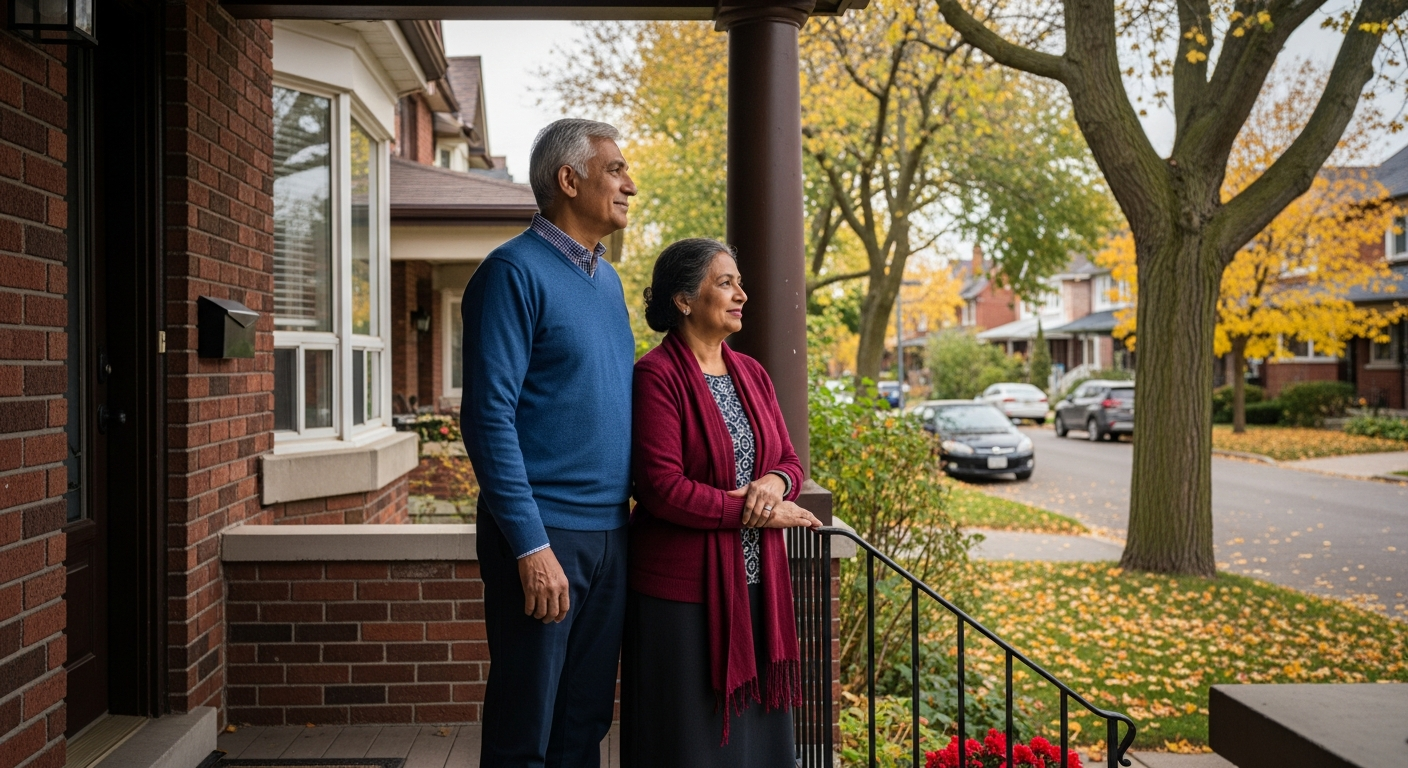
Short-term rental platforms like Airbnb and VRBO have become a common way for Ontario homeowners to earn supplemental income from spare rooms, basement suites, or secondary units. Here is how short-term rental activity affects reverse mortgage eligibility:
The Three Key Principles
-
Your primary residence status is what matters. If you live in the home full-time and rent a room or suite on Airbnb occasionally or even regularly, the property remains your primary residence. The rental activity does not change your occupancy status.
-
Full-property Airbnb is a problem. If you rent out your entire home on Airbnb while you travel or live elsewhere for extended periods, the property is no longer functioning as your primary residence. Extended or frequent full-property rentals could jeopardize your reverse mortgage agreement.
-
Lender notification is recommended. If you intend to operate a short-term rental from your home, informing the lender is prudent and straightforward. Most lenders focus on the primary residence requirement and are not concerned about incidental rental activity from a portion of the home.
| Airbnb / Short-Term Rental Scenario | Impact on Reverse Mortgage |
|---|---|
| Renting a spare bedroom while you live in the home | ✓ No issue — you remain in your primary residence |
| Renting basement suite on Airbnb while you live upstairs | ✓ No issue — partial rental of your primary residence |
| Renting entire home for 2 weeks during summer vacation | Low risk, but frequent or extended absences could raise questions |
| Renting entire home for months while living elsewhere | ✗ Violates primary residence requirement |
| Operating a full-time Airbnb business (entire home, year-round) | ✗ May be classified as commercial, not residential primary residence |
Tax Implications of Rental Income Combined with a Reverse Mortgage
If you earn rental income from part of your home while holding a reverse mortgage, there are important tax considerations that many homeowners overlook:
Rental Income Is Always Taxable
Regardless of whether you have a reverse mortgage, rental income from a basement suite, secondary unit, or Airbnb listing is taxable income that must be reported to the CRA (Canada Revenue Agency). This is true even though the reverse mortgage proceeds themselves are completely tax-free.
| Tax Consideration | Impact on Your Financial Picture |
|---|---|
| Rental income added to taxable income | Increases your marginal tax rate |
| OAS Recovery Tax (clawback) | Rental income counts toward the ~$95,323 threshold for 2026 |
| GIS eligibility | Rental income reduces GIS for lower-income seniors |
| Deductible expenses | You can deduct proportional property tax, insurance, maintenance, utilities, and mortgage interest |
| Capital gains on eventual sale | Rental portion of home may not qualify for full principal residence exemption |
Can You Deduct Reverse Mortgage Interest Against Rental Income?
This is a nuanced question that Rick Sekhon's clients frequently ask. Generally, under CRA rules, interest on borrowed money is tax-deductible if the borrowed funds are used to earn income from a business or property. If you took a reverse mortgage to fund personal expenses (renovations, travel, debt repayment, family gifts), the interest is not deductible — even if you also earn rental income from the property.
However, if a portion of the reverse mortgage funds were used specifically for rental-related purposes — such as renovating the rental unit, repairing shared systems, or improving the rental suite — a proportional deduction may be available. This requires careful documentation and should absolutely be discussed with a qualified tax professional or accountant.
According to the CRA, the general rule under Section 20(1)(c) of the Income Tax Act is that interest is deductible when borrowed money is used for the purpose of earning income from a business or property. The purpose of the borrowing — not the security for the loan — determines deductibility.
For a comprehensive guide to reverse mortgage tax treatment, see CRA tax treatment of reverse mortgages in Canada.
What About Investment Properties You Own Separately?
If you own one or more investment or rental properties in addition to your primary residence, the reverse mortgage applies only to your primary residence. Your investment properties are not affected, and their existence does not complicate the process:
- ✗ You cannot get a reverse mortgage on the investment property (it is not your primary residence)
- ✓ The existence of investment properties does not affect your eligibility for a reverse mortgage on your primary residence
- Rental income from investment properties counts toward your taxable income but does not affect the reverse mortgage itself
- ✓ You can use reverse mortgage funds from your primary residence for any purpose — including investing in, renovating, or paying down debt on your rental properties
Rick Sekhon clarifies a common misconception: "Many clients ask whether they can get a reverse mortgage on their rental property. The answer is always no — it must be your primary residence. But they can absolutely get a reverse mortgage on their home and use the funds for any purpose, including rental property improvements, paying off investment property mortgages, or topping up their retirement income. The lender does not restrict how you use the funds once they are advanced."
The Appraisal for Properties with Rental Components
When a property with rental units is appraised for a reverse mortgage, the appraiser considers the entire property — including the rental unit(s), the basement suite, or the laneway home. This typically results in a higher appraised value, which translates directly into more available reverse mortgage funds.
| Property Configuration | Typical Value Premium Over Comparable Single-Family Home |
|---|---|
| Home with legal, finished basement suite | +$50,000–$150,000 |
| Owner-occupied duplex (two full units) | +$100,000–$250,000 |
| Home with completed laneway suite or garden suite | +$100,000–$300,000 |
| Home with both basement suite and laneway suite | +$150,000–$400,000 |
Premiums vary significantly by location, quality, and local market conditions. Toronto properties tend to see higher premiums than smaller markets.
For a detailed explanation of the appraisal process, see reverse mortgage appraisal process in Ontario.
Common Scenarios: Quick Decision Reference
| Your Situation | Can You Get a Reverse Mortgage? | Recommended Next Step |
|---|---|---|
| I own my home and a separate rental property — can I RM the rental? | ✗ No | RM only available on your primary residence |
| I own my home and a separate rental property — can I RM my home? | ✓ Yes | Standard application on your primary residence |
| I live in a duplex and rent one unit to a tenant | ✓ Likely yes | Contact Rick Sekhon for lender confirmation |
| I have a basement tenant in my home | ✓ Yes | Standard application; inform lender of rental arrangement |
| I Airbnb a spare room while living in the home full-time | ✓ Yes | Inform lender; maintain clear primary residence status |
| I Airbnb my entire home while travelling for months | ✗ Risk | May violate primary residence requirement — discuss with Rick Sekhon |
| I recently converted my rental property to my primary home | ✓ Yes (after establishing residency) | Provide evidence of primary residence status (utility bills, ID, CRA address) |
| I want to start renting part of my home after getting a reverse mortgage | ✓ Likely yes | Review mortgage terms; notify lender as a courtesy |
For complete eligibility details covering all property types, see reverse mortgage eligibility in Ontario.
Getting Started: Working With Rick Sekhon
If you have questions about whether your property — including any rental component, basement suite, duplex configuration, or laneway home — qualifies for a reverse mortgage, Rick Sekhon Reverse Mortgages provides a free, no-obligation assessment. Rick will:
- Review your property configuration and any rental arrangements in detail
- Confirm current lender policies from CHIP (HomeEquity Bank), Equitable Bank, Bloom Financial, and Home Trust for your specific situation
- Provide an estimated advance amount based on the full appraised property value (including rental units)
- Explain the tax implications and recommend consulting a tax professional where appropriate
- Walk you through the complete process with no pressure and no obligation
Whether you own a duplex in Hamilton, a home with a basement suite in Toronto, or a property with a laneway home in Ottawa, Rick Sekhon can help you understand your options. For broader retirement planning, visit our retirement cash flow solutions page, and for those looking to eliminate debt using home equity, our debt relief in Ontario page provides additional guidance. For homeowners interested in supporting family members financially, our living legacy in Ontario page explains how reverse mortgages enable intergenerational gifts.
Frequently Asked Questions
Can I get a reverse mortgage on a property I rent out entirely?
No. A reverse mortgage requires that the property be your primary residence — the place where you live full-time. A property that you rent out entirely to tenants does not qualify under any lender's criteria. If you move back into the property and re-establish it as your primary residence (with supporting documentation), you could then apply.
I own a duplex and live in one unit. Will the rental income from the other unit affect my reverse mortgage?
The rental income does not affect your reverse mortgage eligibility, approval amount, or terms in any way. However, the rental income is taxable and must be reported to the CRA. It counts toward your net income for the year, which could affect your OAS clawback threshold. The reverse mortgage itself — the balance, interest rate, and repayment terms — is completely unaffected by what your tenant pays you.
Can I use reverse mortgage funds to buy a rental property?
Yes. Once the reverse mortgage funds are advanced to you, you can use them for any purpose whatsoever — including purchasing or investing in a rental property, renovating an existing investment property, or any other use. The lender does not restrict, monitor, or approve how you use the funds. The reverse mortgage itself must simply be secured against your primary residence.
Will starting an Airbnb in my home void my reverse mortgage?
Not if you continue to live in the home as your primary residence and rent only a portion of the property (a spare room, basement suite, or secondary unit). Renting a portion of your home on Airbnb while you live there is generally acceptable to lenders. However, renting out the entire home while you live elsewhere could violate the primary residence requirement in your mortgage agreement. When in doubt, notify your lender in writing and get confirmation.
My home has an unpermitted basement apartment. Can I still get a reverse mortgage?
Generally, yes. The legal status of the basement apartment under municipal bylaws is your responsibility as a homeowner, but it is not a reverse mortgage eligibility issue. The lender evaluates the property's condition, market value, and your residency status — not whether your municipality has formally approved the basement suite. However, if the unpermitted suite has safety issues (inadequate egress, substandard electrical) that affect the property's condition assessment, these could affect the appraisal or the lender's willingness to proceed.
Does the FSRAO have specific rules about reverse mortgages on properties with rental income?
The Financial Services Regulatory Authority of Ontario (FSRAO) regulates mortgage brokers in Ontario, ensuring they follow ethical standards and provide appropriate advice. The primary residence requirement and rental property policies are set by the lenders themselves, who are federally regulated by OSFI (Office of the Superintendent of Financial Institutions). FSRAO ensures that brokers like Rick Sekhon provide transparent, accurate guidance about what qualifies and what does not — but the lending criteria come from OSFI and the individual lenders.
Ready to Learn More?
Get the free Ontario Reverse Mortgage Guide and find out exactly how much you could unlock from your home.
Get My Free Guide →Related Articles
Reverse Mortgage on a Condo in Ontario: Complete 2026 Guide
Learn about reverse mortgages on condos in Ontario, including eligibility requirements, special considerations, and fees involved.
Read →Reverse Mortgage Eligibility in Ontario: Complete 2026 Guide
Everything Ontario homeowners need to know about qualifying for a reverse mortgage in 2026. Covers age requirements, home equity, property types, and the application process.
Read →Can I Rent Out Part of My Home with a Reverse Mortgage in Canada?
Can you rent out a room or basement suite if you have a reverse mortgage in Canada? Learn the rules, tax implications, and what lenders allow in Ontario.
Read →