
Reverse Mortgage at 55: Proactive Planning Before You Need Modifications
Start planning for aging in place at 55, before mobility issues emerge. Use a reverse mortgage strategically to fund modifications now and protect your independence later in Ontario.
Most homeowners wait until they have a mobility problem, a fall, or a health crisis before considering home modifications. What if you started planning at 55, before you needed them? This proactive approach to reverse mortgages changes everything—it gives you time to choose modifications thoughtfully, avoid costly emergency fixes, and maintain independence on your own terms rather than reacting to crisis.
Conventional wisdom says reverse mortgages are a last resort for retirees in financial distress. But for Ontario homeowners aged 55–62 with significant home equity, a reverse mortgage can be a strategic retirement planning tool. By accessing equity early—while you're still working or newly retired—you can fund modifications that let you age in place safely, without the panic and cost of emergency solutions later.

The Cost of Waiting: Emergency vs. Planned Modifications
Consider the difference between planned and reactive modifications:
Reactive scenario (typical): A 75-year-old has a fall on the stairs. After hospital discharge, her doctor recommends grab bars, a main-floor bedroom, and a roll-in shower. She scrambles to hire contractors during recovery while in pain and limited mobility. Costs skyrocket due to emergency pricing and specialized labor. Total cost: $35,000–$50,000.
Proactive scenario (at 55): The same person, at 55, identifies potential mobility challenges based on family history and minor joint issues. She budgets for gradual modifications over 5–10 years:
- Year 1: Grab bars and better lighting ($3,500)
- Year 3: Main-floor bedroom setup ($8,000)
- Year 5: Accessible shower modification ($12,000)
- Year 7: Wider hallways and ramps ($6,000)
- Total over time: $29,500
Why the difference?
| Factor | Reactive | Proactive |
|---|---|---|
| Contractor availability | Limited (emergency pricing) | Full choice (competitive bids) |
| Timeline | Weeks | Years |
| Your physical state | Recovering from injury | Healthy and mobile |
| Design input | Minimal (medical necessity) | Extensive (your preferences) |
| Opportunity for cost-sharing | None | Can phase modifications over time |
The proactive approach is 25–40% less expensive and gives you far more control.
Why 55 Is the Optimal Starting Point
Turning 55 is the legal threshold for reverse mortgage eligibility in Canada. But it's also a valuable timing window for strategic planning:
At 55–62, you typically:
- Still have income (employment or early retirement)
- Have time before serious health issues emerge
- Can spread modifications over years, not months
- Have flexibility to choose your contractors and design
- Can build equity understanding BEFORE you need to rely on it
- May still be doing home maintenance (climbing ladders, moving furniture)
By 65–75:
- Income may decline or stop
- Health conditions become more likely
- Timeline for modifications compresses
- You're less able to supervise contractors or move heavy items
- Emergency situations become more likely
According to the Canadian Institute of Health Information, the average Canadian first experiences a significant mobility or cognitive change around age 72. Planning modifications 10–15 years earlier gives you a substantial buffer.
Calculating Your Modification Budget at 55
Start with these essential aging-in-place categories:
| Category | Typical Cost Range | Priority |
|---|---|---|
| Accessibility basics | — | — |
| Grab bars & railings | $500–$2,000 | High |
| Lighting improvements | $1,000–$3,000 | High |
| Stair lifts or ramps | $3,000–$10,000 | High if needed |
| Bathroom modifications | — | — |
| Accessible shower/tub | $5,000–$12,000 | Medium |
| Walk-in tub | $3,000–$8,000 | Medium |
| Accessible toilet & sink | $1,500–$3,000 | Medium |
| Main-floor living | — | — |
| Bedroom relocation/setup | $5,000–$15,000 | High (if stairs difficult) |
| Powder room upgrade | $3,000–$8,000 | Medium |
| Doors & movement | — | — |
| Wider doorways (walls removed) | $4,000–$8,000 | High |
| Door automation | $500–$2,000 | Low |
| Hallway widening | $6,000–$15,000 | High (if tight spaces) |
| Kitchen modifications | — | — |
| Accessible cabinetry | $8,000–$20,000 | Medium |
| Counter height adjustment | $2,000–$5,000 | Medium |
| Total typical needs | $35,000–$90,000 | — |
Your personal budget depends on:
- Your home's current layout
- Your anticipated mobility limitations (based on family history)
- Your home's market value and available equity
- Your comfort with debt
Example: Tom's proactive plan
Tom, 57, is in good health but his mother required a walker by 70. He has $400,000 in home equity and wants to age in his current home. He took out a $80,000 reverse mortgage at age 57 and allocated:
- Years 1–2: $15,000 for grab bars, railings, better lighting
- Years 3–4: $20,000 for accessible shower and main-floor powder room
- Years 5–7: $30,000 for potential main-floor bedroom setup (if needed)
- Reserve: $15,000 for unexpected modifications or emergency repairs
Tom spread the modifications over 7 years, meaning he could comfortably manage the debt as it compounded, and he had time to assess whether each modification was truly necessary.
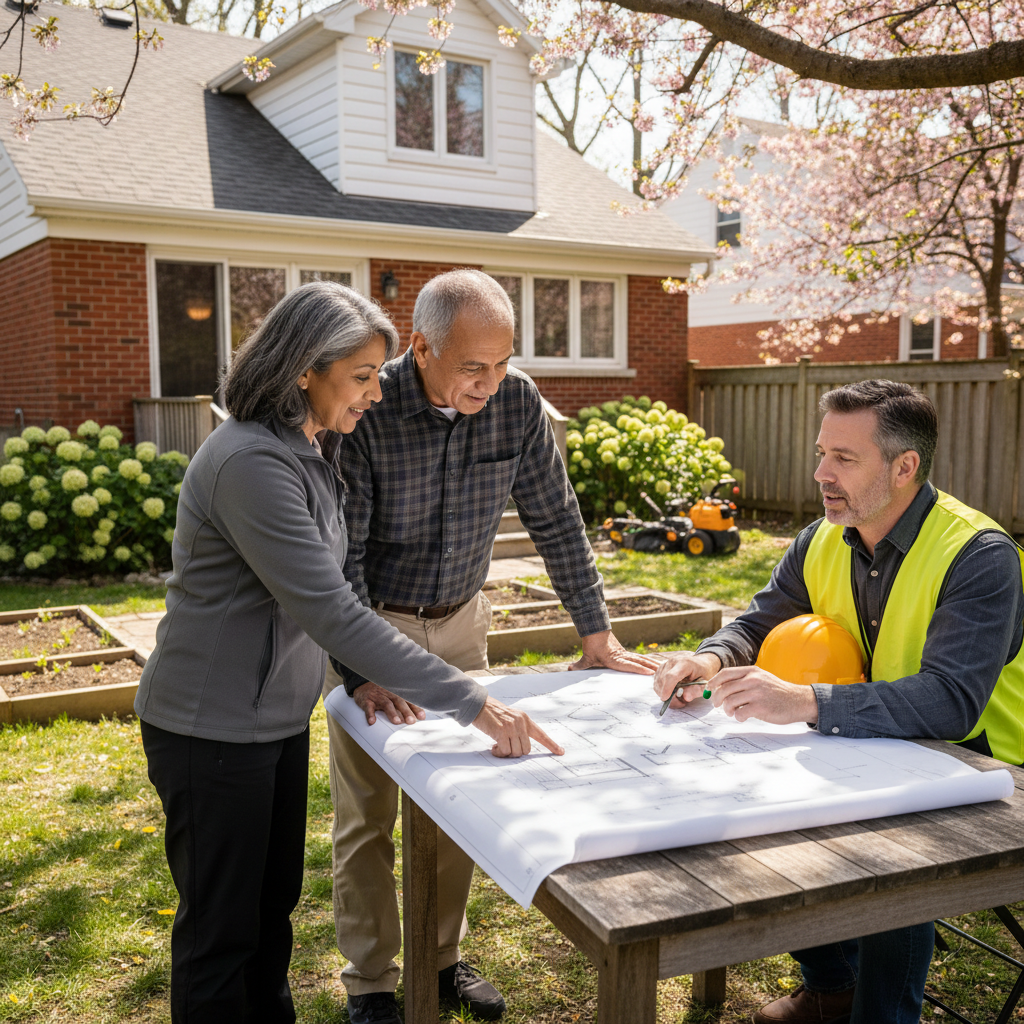
The Reverse Mortgage Structure for Proactive Planning
At 55, you have three ways to access reverse mortgage funds for modifications:
1. Line of Credit Take out a reverse mortgage as a line of credit (LOC). Draw what you need, when you need it, and pay interest only on what you've drawn. This is ideal for proactive planning because:
✓ You control the timing ✓ You only pay interest on funds used ✓ You can access more if modifications cost more than expected ✓ Interest remains tax-deductible (in some cases)
2. Lump Sum with scheduled draws Some lenders (like Equitable Bank) offer reverse mortgages where you receive an initial lump sum and can request additional draws over time, up to a maximum. This gives you certainty about your maximum debt while maintaining flexibility.
3. Monthly income draws If your reverse mortgage includes monthly payment options, you can structure it to provide regular funding for modifications. However, this creates a debt stream that continues whether you need funds or not.
Best structure for proactive planning: Line of Credit. You access exactly what you need, when you need it, and interest accrues only on borrowed funds.
Comparing Modification Funding Options
| Funding Source | Best For | Drawback |
|---|---|---|
| Savings | Small projects ($5K–$15K) | Depletes emergency fund |
| HELOC | Those under 55 or with good credit | Must still have income qualification |
| Reverse mortgage (LOC) | 55+, stable home equity | Interest compounds over time |
| Home renovation loan | One-time projects | Requires income qualification |
| Renovation grants (Ontario) | Specific accessibility work | Limited eligibility, slow approval |
The reverse mortgage LOC structure is superior for proactive planning because you only pay interest on funds actually borrowed. If you establish a $80,000 LOC but only draw $40,000 over 2 years, you're only paying interest on $40,000.
Tax Implications of Proactive Modifications
This is critical: Not all home modifications are tax-deductible, but some create tax advantages:
Tax-deductible modifications (under certain conditions):
- Accessibility ramps and grab bars (if you have a documented disability)
- Widened doorways for wheelchair access
- Modified bathrooms for accessibility
- Stair lifts and elevators (accessibility, not convenience)
NOT tax-deductible:
- General kitchen upgrades
- Cosmetic bathroom improvements
- Flooring replacements (unless accessibility-related)
If you're funding modifications specifically for accessibility due to a disability (yours or a dependent's), consult a tax accountant about potential deductions or credits like the Accessible Housing Tax Credit or Home Accessibility Expenses under the Income Tax Act.
According to the Canada Revenue Agency, home modifications that are "primarily for the purpose of enabling an individual with a disability to be independently functional" may qualify for the disability tax credit or medical expense deduction.
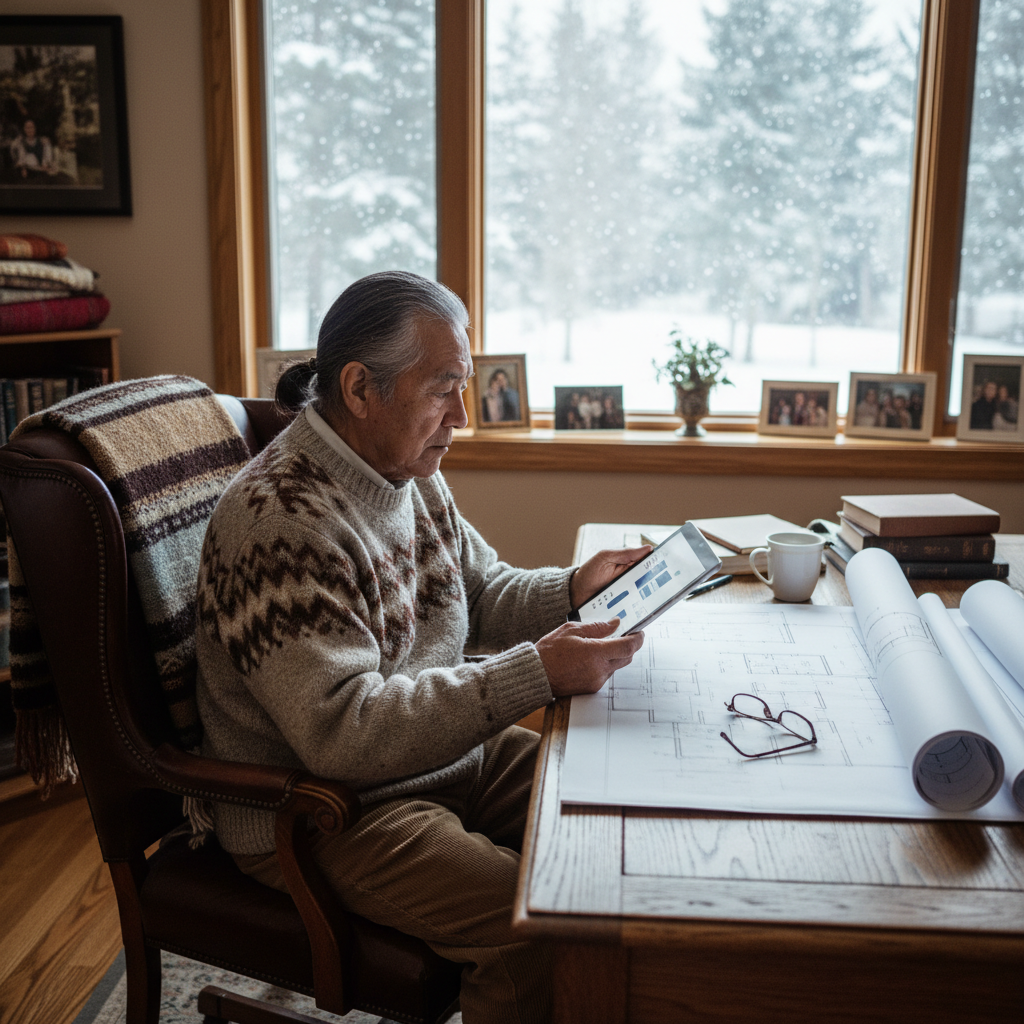
Creating Your 10-Year Modification Timeline
Year 1 (Age 55–56): Assessment and foundational work
- Hire an occupational therapist to assess your future mobility needs ($500–$1,000)
- Document areas of concern (stairs, bathroom, narrow doorways)
- Install grab bars, improve lighting, reduce fall hazards
- Budget: $3,000–$5,000
Years 2–4: Critical infrastructure
- Main bathroom accessible shower
- Secondary bathroom modifications
- Improved entry/exit (ramp if needed)
- Budget: $10,000–$20,000
Years 5–7: Major adjustments (as needed)
- Main-floor bedroom if mobility declines
- Wider hallways or doorway modifications
- Kitchen accessibility if arthritis develops
- Budget: $15,000–$30,000
Years 8–10: Fine-tuning and technology
- Smart home accessibility (voice controls, automated lighting)
- Advanced safety systems (fall detection)
- Final modifications based on how your needs actually developed
- Budget: $5,000–$10,000
This phased approach gives you time to see which modifications you truly need versus anticipating problems that may never materialize.
Quick Reference: Proactive Planning Checklist
| Item | Status | Budget | Timeline |
|---|---|---|---|
| Occupational therapy assessment | ( ) | $500–$1,000 | Year 1 |
| Grab bars & railings | ( ) | $500–$2,000 | Year 1 |
| Lighting improvements | ( ) | $1,000–$3,000 | Year 1 |
| Bathroom accessibility | ( ) | $5,000–$12,000 | Years 2–4 |
| Bedroom relocation (if needed) | ( ) | $5,000–$15,000 | Years 5–7 |
| Doorway/hallway widening | ( ) | $6,000–$15,000 | Years 5–7 |
| Technology upgrades | ( ) | $2,000–$5,000 | Years 8–10 |
Frequently Asked Questions
Will making modifications now hurt my home's resale value?
Most accessibility modifications actually improve resale value because they appeal to a broader market. Grab bars, wide doorways, and accessible bathrooms are desirable features for anyone aging at home, including families with elderly visitors or young children.
What if I make modifications at 55 and then move at 65?
Then you've had 10 years of safe, accessible living and you're moving a modified home—which many buyers value. The equity you built over that period remains part of your home's value.
Can I get government grants to help pay for modifications?
Yes. Ontario offers several programs:
- Accessibility for Ontarians with Disabilities Act (AODA) grants — limited, for documented disabilities
- Home Modification and Repair Program (varies by municipality)
- Federal Home Buyers' Plan — if you have RRSP funds available
Check your municipality's website for available programs, but don't rely on them—they're limited and competitive.
Should I wait until I retire to start modifications?
No. Starting at 55 while employed gives you more flexibility. You can spread costs over 10 years instead of trying to fund everything in a short retirement window.
Will taking a reverse mortgage at 55 affect my government benefits?
No. Reverse mortgage proceeds are loan advances, not income, and don't affect CPP, OAS, GIS, or other income-tested benefits.
Starting Your Proactive Plan Today
If you're 55 and thinking about aging in place, start now. You don't need to access reverse mortgage funds immediately—just get the process started. Consult with an occupational therapist, understand your home's modification needs, and plan your timeline. By the time you're 65, you'll have a beautifully adapted home and the independence to age exactly where and how you want to.
Ready to Learn More?
Get the free Ontario Reverse Mortgage Guide and find out exactly how much you could unlock from your home.
Get My Free Guide →Related Articles
Home Accessibility on a Budget: Must-Have Modifications for Aging in Place
Guide to affordable home accessibility modifications for aging in place in Ontario. Reverse mortgage funding for critical safety upgrades.
Read →Aging in Place with a Reverse Mortgage: Home Modification Guide
How Ontario seniors can fund aging-in-place home modifications with a reverse mortgage — costs, top modifications, grants, and a complete planning guide.
Read →Early Boomer Strategy: Why Getting a Reverse Mortgage at 55-57 Makes Sense
Learn why early boomers (55-57) are securing reverse mortgages now—timing, rates, health, flexibility. Strategic advantage guide for Ontario homeowners still working.
Read →