
Preventive Healthcare and Wellness Screening: Investing in Longevity With Reverse Mortgage
Use reverse mortgage funds to invest in proactive health screening and preventive care. Discover how Ontario seniors 55+ can prioritize longevity and quality of life.
Does aging mean accepting declining health as inevitable? Not for Ontario seniors who take a proactive approach to preventive care. While public healthcare covers essential treatments, many proven preventive interventions—specialized screening, early detection tests, and longevity-focused wellness programs—require out-of-pocket investment. A reverse mortgage makes these health investments financially accessible, enabling you to invest in years of quality living rather than reactive disease management.

The Preventive Healthcare Advantage: Screening That Adds Years
Medical research consistently shows that preventive screening catches conditions early—before symptoms emerge and treatment becomes expensive and complex. However, coverage gaps exist. Ontario Health covers certain age-appropriate screenings, but advanced preventive tests, specialized consultations, and comprehensive wellness programs often require private payment.
| Preventive Service | Ontario Health Coverage | Private Cost (Out-of-Pocket) | Longevity Benefit |
|---|---|---|---|
| Colonoscopy (age 50+) | Yes | Included | Detects colorectal cancer early |
| Advanced cardiac imaging (stress test, calcium scoring) | Limited; if symptoms exist | $500–$2,000 | Early detection of silent heart disease |
| Comprehensive metabolic panel + micronutrient testing | Basic; may be limited | $200–$600 | Identifies deficiencies affecting cognition, energy |
| Genetic risk screening (BRCA, familial conditions) | If family history; may require referral | $1,000–$3,000 | Enables personalized prevention planning |
| Bone density testing (DEXA scan) | Age 65+; may be limited | $300–$500 if private | Prevents fracture-related disability |
| Hearing and vision advanced assessment | Basic; not comprehensive | $150–$500 each | Prevents cognitive decline linked to sensory loss |
| Comprehensive wellness evaluation (naturopath or functional medicine) | Not covered | $200–$500 | Holistic assessment of aging trajectory |
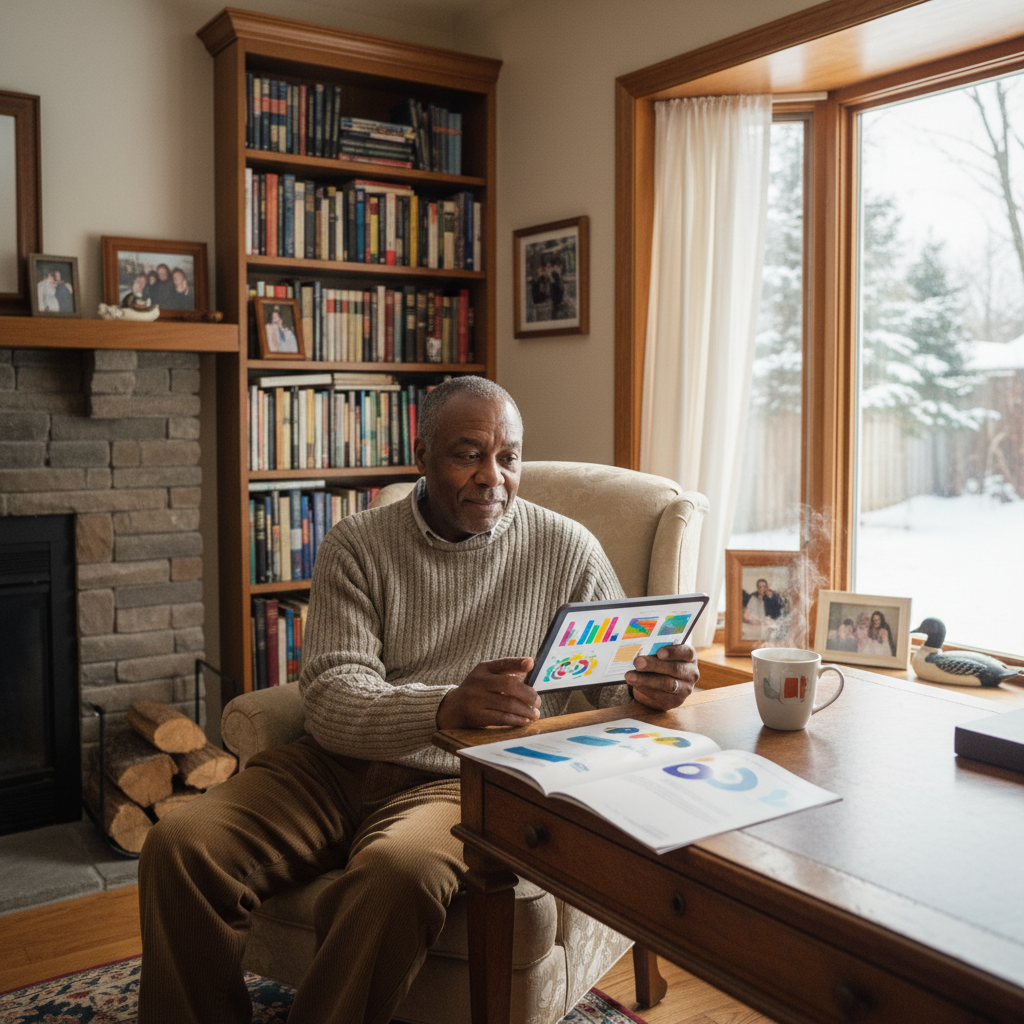
According to the Canadian Medical Association, "Preventive screening in seniors 60+ can identify modifiable risk factors that extend healthy lifespan by 5–10 years. Early detection of cardiovascular disease, cognitive decline risk, and metabolic dysfunction changes treatment trajectory dramatically compared to reactive management."
The Reverse Mortgage as Longevity Investment
Unlike medical treatments that address existing conditions, preventive screening is an investment in future quality of life. A reverse mortgage reframes this investment from "discretionary expense" to "strategic health spending"—spending that pays dividends across decades.
Why preventive care creates ROI for seniors:
✓ Early intervention: Conditions detected at Stage 1 (where treatment is simple) vs. Stage 3–4 (where intervention is complex, expensive, and may limit independence)
✓ Cognitive preservation: Preventive screening of cardiovascular risk, hearing loss, and metabolic markers correlates with preserved cognition and delayed dementia
✓ Independence maintenance: Early detection of fall risk, vision decline, or mobility changes enables preventive home modifications before crisis occurs
✓ Quality of life: Preventive treatment plans support active aging, travel, and family engagement—not just survival
Strategic Wellness Screening Investment: A 5-Year Plan
Many Ontario seniors benefit from a structured approach to preventive health investment. Here's a realistic 5-year preventive healthcare plan:
| Year | Screening Investment | Total Cost | Outcome |
|---|---|---|---|
| Year 1 | Comprehensive cardiac assessment + genetic risk screening | $3,000–$5,000 | Baseline cardiovascular health; familial risk profile |
| Year 2 | Micronutrient testing + metabolic assessment + hearing evaluation | $1,500–$2,500 | Identify deficiencies; optimize cognitive support |
| Year 3 | Vision comprehensive assessment + bone density update | $1,000–$1,500 | Prevent falls; maintain sensory function |
| Year 4 | Advanced cancer screening (based on risk) + cognitive baseline testing | $2,000–$3,500 | Early cancer detection if applicable; cognitive baseline |
| Year 5 | Dental health optimization + immunization update | $1,500–$3,000 | Prevent infection; update vaccines for aging immunity |
| 5-Year Total | Coordinated preventive wellness program | $9,000–$15,500 | Comprehensive aging health preservation |
This coordinated approach typically costs $2,000–$3,000 annually—a modest investment compared to the cost of reactive treatment for chronic disease.
Emerging Preventive Technologies and Access Options
Modern preventive medicine includes technologies that didn't exist a decade ago:
Continuous glucose monitoring (non-diabetic use)
- Detects metabolic dysfunction and prediabetes before diabetes develops
- Cost: $400–$800/year
- Benefit: Early dietary intervention prevents progression to Type 2 diabetes
Wearable health monitoring (smartwatch + continuous health tracking)
- Tracks heart rate variability, sleep quality, activity patterns to identify early health shifts
- Cost: $300–$1,000 (device + subscription services)
- Benefit: Data enables proactive health coaching before symptoms emerge
Comprehensive stool testing (microbiome analysis)
- Identifies gut dysbiosis, inflammation markers, and infection patterns
- Cost: $300–$600
- Benefit: Gut health optimization improves immune function and cognitive health
Advanced blood testing (biomarker panels)
- Measures inflammatory markers, metabolic hormones, micronutrients, and epigenetic aging
- Cost: $500–$1,500
- Benefit: Identifies root causes of aging; enables precision intervention
Coordinating With Your Healthcare Provider
A strategic preventive healthcare plan works best when coordinated with Ontario Health services:
Public system (Ontario Health) handles:
- Age-appropriate cancer screenings
- Chronic disease management
- Emergency care and acute treatment
- Basic preventive care
Private/preventive investment complements:
- Advanced screening (before insurance-trigger symptoms)
- Functional medicine assessment
- Specialized preventive coaching (nutrition, lifestyle)
- Emerging biomarker testing
- Longevity-focused interventions
The combination maximizes detection while minimizing out-of-pocket costs for standard care.
Wellness Programs and Longevity Support
Beyond screening, preventive wellness programs create measurable health outcomes:
| Program Type | Annual Cost | Longevity Benefit |
|---|---|---|
| Personal health coaching (quarterly assessment) | $1,200–$2,000 | Accountability; behavior change support |
| Specialized nutrition planning (medical nutrition therapy) | $1,500–$3,000 | Dietary optimization for disease prevention |
| Fitness and mobility coaching (aging-specific) | $1,500–$3,000 | Strength preservation; fall prevention |
| Cognitive wellness program (brain health focus) | $800–$1,500 | Cognitive reserve building; dementia prevention |
| Sleep optimization program | $600–$1,200 | Sleep quality improvement; recovery optimization |
For homeowners accessing reverse mortgage funds, wellness programs often create more sustained health benefit than one-time screenings alone.
Estate Perspective: Health Investment as Legacy
Investing in your own preventive health has an additional benefit: it extends your healthy lifespan, giving you more years to enjoy family, maintain independence, and manage your own affairs. This is ultimately a form of legacy—ensuring you're present and engaged with loved ones for as long as possible.
| Health Scenario | Years of Independent Living | Legacy Impact |
|---|---|---|
| Reactive disease management (wait until symptoms) | 10–12 years age 75–88 | May require increased family caregiving |
| Preventive health investment (proactive screening + intervention) | 15–18 years age 75–93 | Extended independence; more years with family |
| Difference in investment cost | — | ~$15,000–$25,000 over 20 years |
The reverse mortgage funded prevention strategy often costs less than the caregiver support or facility care required when health declines reactively.
Quick Reference
| Preventive Health Investment | Annual Cost | Reverse Mortgage Fit |
|---|---|---|
| Annual comprehensive health assessment | $1,500–$3,000 | Good—annual draw structure |
| Advanced screening suite (cardiac, metabolic, genetic) | $3,000–$5,000 | Excellent—lump sum or staged |
| Wellness coaching and nutrition planning | $2,000–$4,000/year | Excellent—ongoing support structure |
| Emerging health technologies (wearables, testing) | $500–$2,000/year | Good—flexible draw structure |
| Longevity-focused supplementation and optimization | $1,000–$2,000/year | Good—ongoing funding |
Frequently Asked Questions
If preventive screening finds a problem, will my insurance rates increase?
No. Finding a problem through preventive screening doesn't increase life insurance or critical illness insurance rates. Insurance rates are based on age, health history, and lifestyle—not on screening results. Early detection typically enables better outcomes and may eventually lower insurance costs if risk is mitigated through intervention.
Are preventive services covered if I'm receiving government benefits like GIS?
Generally yes. Preventive services funded through a reverse mortgage are paid from loan proceeds (not income), so they don't affect GIS eligibility. However, if you use other income sources (CPP, OAS) to fund preventive care, this doesn't trigger GIS impact either, as preventive healthcare spending doesn't reduce your benefit eligibility. Reverse mortgage funds provide extra flexibility without any benefit concerns.
What if my preventive screening shows something serious—how do I access treatment?
Preventive screening that detects serious conditions typically qualifies for Ontario Health coverage for treatment. Your doctor will refer you to appropriate specialists, and treatment follows standard provincial coverage. The reverse mortgage funds enabled the early detection; treatment follows normal provincial pathways.
How do I choose which preventive tests are most important for my situation?
Work with a healthcare provider specializing in preventive medicine or functional medicine. They'll review your family history, current health status, and risk factors to prioritize screening. Most experts recommend starting with cardiovascular assessment, cognitive baseline testing, and metabolic panel—then expanding based on individual risk profile.
Can I use reverse mortgage funds for nutrition counseling, personal training, and other wellness investments?
Absolutely. Any wellness spending—from nutritionist fees to gym memberships to personal training—can be funded through a reverse mortgage line of credit. These investments support preventive health goals and quality of life during retirement.
What if I defer preventive screening for a few years, then decide I want to invest?
You can access a reverse mortgage at any time before age 55 (minimum age requirement). If you're 55+, you're eligible. If you delay investing in preventive care for several years, you can still access a reverse mortgage later and start preventive screening. There's no penalty for timing; your borrowing capacity is based on current home value and age.
Invest in Your Future Health Today
Preventive healthcare isn't optional luxury for retirees—it's a strategic investment in extending healthy, independent living. A reverse mortgage makes these proactive health choices financially accessible, allowing you to invest in the years ahead rather than managing the consequences of neglected prevention.
Contact Rick Sekhon Reverse Mortgages to explore how reverse mortgage funding can support your preventive health and wellness goals. Let's build a longevity strategy that keeps you active, engaged, and thriving.
Ready to Learn More?
Get the free Ontario Reverse Mortgage Guide and find out exactly how much you could unlock from your home.
Get My Free Guide →Related Articles
Reverse Mortgage for Healthcare Costs: Aging in Place in Ontario
How Ontario seniors use a reverse mortgage to fund home care, medical equipment, prescriptions, and healthcare expenses — and stay in their home longer.
Read →Reverse Mortgage for Alternative Medicine and Wellness: Invest in Your Health
Use a reverse mortgage to fund acupuncture, naturopathy, massage therapy, and other wellness treatments. Improve health without monthly payments.
Read →Aging in Place with a Reverse Mortgage: Home Modification Guide
How Ontario seniors can fund aging-in-place home modifications with a reverse mortgage — costs, top modifications, grants, and a complete planning guide.
Read →