
Reverse Mortgage for Your Own Mental Health and Wellness Recovery
Invest in your mental health recovery in retirement. Use a reverse mortgage to fund therapy, wellness programs, and healing after life challenges.
Has grief, loss, or life transition triggered mental health challenges that your retirement income doesn't account for? Many retirees face depression, anxiety, or trauma recovery needs that emerge after leaving work. Private therapy costs $120–$200/hour; residential recovery programs cost thousands monthly. Without support, mental health deteriorates, compromising quality of life and independence. A reverse mortgage unlocks the funds to invest in your own healing—treating mental wellness as the essential healthcare it truly is.
This article is for educational purposes only and does not constitute financial advice.

The Mental Health Crisis Hidden in Retirement
Retirement triggers unexpected mental health challenges for many Canadians. Loss of work identity, social isolation, grief from deaths of friends/spouses, and health decline create a perfect storm for depression and anxiety.
Common Mental Health Issues in Retirement
| Challenge | Prevalence | Cost to Treat |
|---|---|---|
| Grief after spouse death | ~50% of widows/widowers struggle | $5,000–$30,000+ for recovery support |
| Depression | 5–10% of older adults | $3,000–$12,000/year for therapy + medication |
| Anxiety disorders | 3–7% of older adults | $2,000–$10,000/year for treatment |
| Adjustment disorder (major life change) | 10–15% of retirees | $4,000–$15,000 for specialized therapy |
| PTSD (from past trauma resurging) | 2–5% experience delayed onset | $8,000–$20,000+ for trauma-informed treatment |
| Loneliness-triggered depression | 20–30% experience isolation effects | $3,000–$10,000 for community/therapy support |
Most retirees haven't budgeted for mental health treatment—expecting Ontario's public healthcare to cover therapy. But public mental health services have years-long waitlists. Private therapy provides immediate access and specialized care that many retirees desperately need.
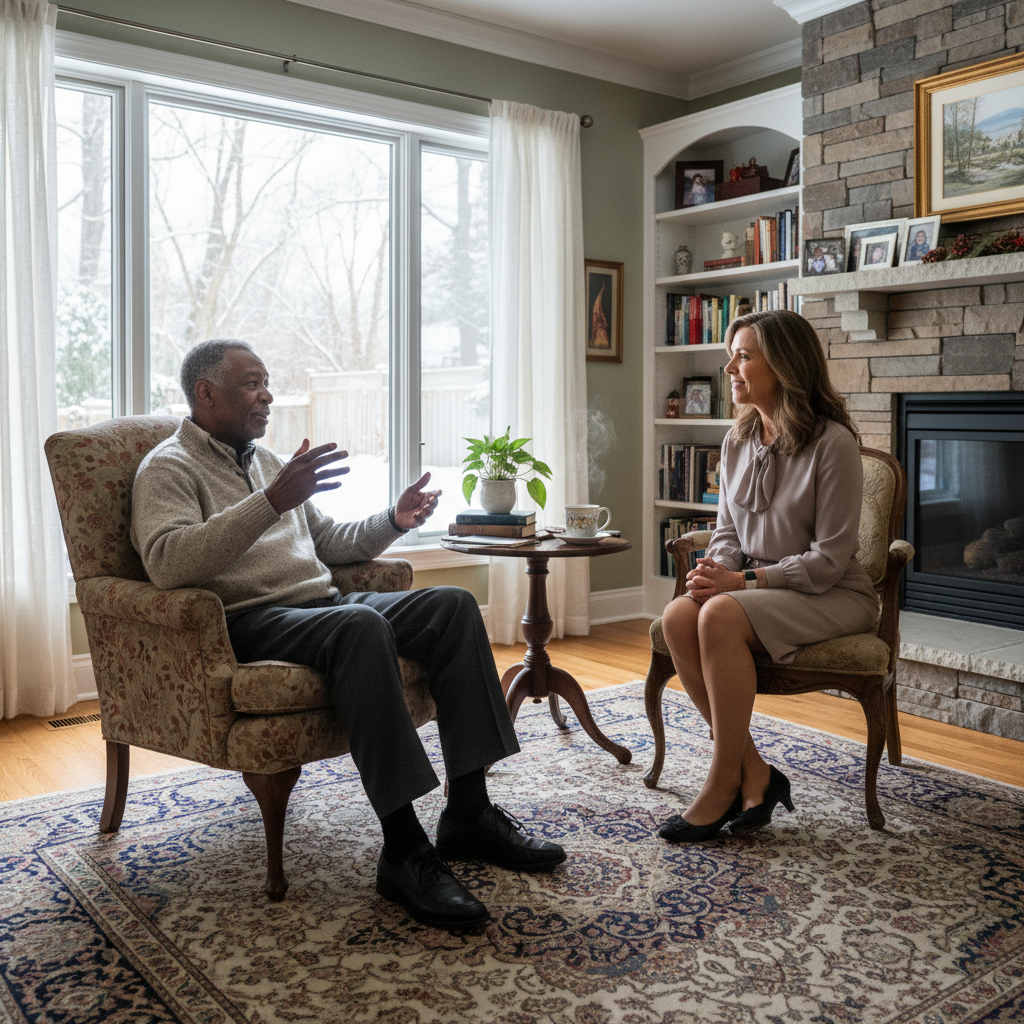
Why Private Mental Health Matters in Retirement
Public healthcare covers therapy minimally; most retirees needing mental health support must pay privately. This creates a cruel reality: those who need it most often can't afford it on fixed income.
The Waitlist vs. Private Care Reality
| Service | Public System (OHIP) | Private Therapy |
|---|---|---|
| Therapy access timeline | 6–24 month waitlist | 1–2 weeks |
| Session frequency | Limited; 6–12 sessions/year typical | Unlimited; flexible scheduling |
| Therapist specialization | Limited choice | Trauma, grief, loss specialists available |
| Session cost (if you wait) | Free (after long wait) | $150–$250/session |
| Total annual cost | $0 (waiting period); covered eventually | $3,000–$15,000 depending on frequency |
For someone suffering acute grief after spouse death or depression after major illness, a 12-month waitlist is unacceptable. Private therapy at $200/session for weekly sessions ($10,400/year) is life-changing—but unaffordable on fixed $2,500/month income.
According to the Canadian Mental Health Association, seniors experiencing untreated depression and anxiety face 40% higher hospitalization rates, significantly higher mortality, and dramatically reduced quality of life. Access to private mental health support is often the difference between recovery and deterioration.
How a Reverse Mortgage Funds Mental Health Recovery
A reverse mortgage provides immediate access to funds for mental health treatment without waiting for provincial approvals or systems.
Mental Health Funding Types
| Treatment Type | Cost | Duration | Access |
|---|---|---|---|
| Individual therapy (weekly) | $150–$250/session | Ongoing | Private practitioners |
| Trauma-informed counseling | $175–$300/session | 8–20 sessions typical | Specialized therapists |
| Group therapy/support programs | $50–$150/session | 6–12 weeks | Community mental health centers |
| Grief counseling intensive | $3,000–$8,000 | 8–12 weeks | Grief specialists |
| Residential recovery program | $5,000–$15,000/month | 4–12 weeks | Treatment centers |
| Psychiatric consultation (medication management) | $200–$400/visit | Ongoing | Private psychiatrists |
| Wellness programs (yoga, art therapy, nature-based) | $100–$300/month | Ongoing | Specialized providers |
A reverse mortgage can fund immediate, appropriate mental health care—not years from now when provincial services open up.
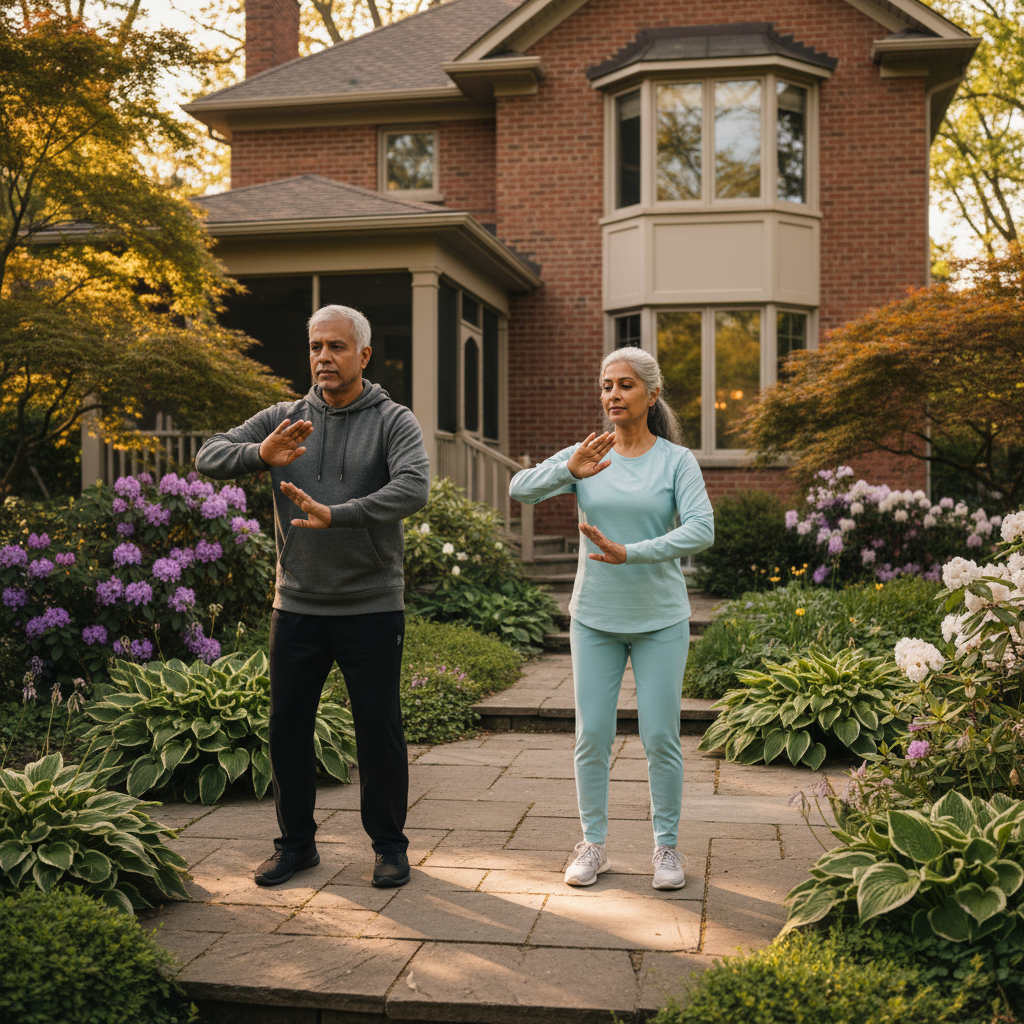
Real Scenario: Mental Health Recovery with Reverse Mortgage Support
Patricia, 72, lost her husband three years ago. Compound grief combined with recent health decline has triggered depression and anxiety she can't manage alone.
Without a reverse mortgage:
- She's on a provincial therapy waitlist (18-month wait)
- She can't afford private therapy ($200/week = $10,400/year) on her $2,000/month income
- Her depression worsens; she becomes isolated
- Health deteriorates; she requires hospital intervention
- Total cost to healthcare system: $50,000+
With a reverse mortgage ($25,000):
- She accesses private grief counseling immediately (12 weeks, $200/week)
- She enrolls in a wellness program (yoga, art therapy, group support)
- She recovers her sense of purpose and connection
- Health stabilizes; no hospital admission
- After treatment, she returns to independent living and engagement
- Her total recovery cost: $25,000; prevented healthcare crisis cost: $50,000+
The reverse mortgage not only improves Patricia's quality of life—it's economically rational for the entire healthcare system.
Wellness Investments Beyond Traditional Therapy
Mental health recovery includes more than clinical therapy. Holistic wellness matters.
- Retreat programs: Grief retreats, wellness weekends, retreat centers ($2,000–$5,000)
- Physical wellness: Personal training, yoga, pilates targeting healing ($100–$300/month)
- Nutrition support: Nutritionist consultations, meal prep services ($200–$500/month)
- Art/music therapy: Creative expression-based healing ($100–$200/session)
- Nature-based programs: Outdoor therapy, wilderness retreats ($3,000–$8,000)
- Meditation/mindfulness training: Intensive programs, retreats ($1,000–$5,000)
- Life coaching: Purpose-finding, identity reconstruction ($150–$300/session)
A holistic reverse mortgage-funded wellness approach often produces better outcomes than therapy alone, especially for retirees dealing with identity loss, grief, and life transition.
Tax and Benefit Implications
Mental health treatment funded by reverse mortgage has favorable tax and benefit treatment.
| Consideration | Impact | Action |
|---|---|---|
| Reverse mortgage funds | Tax-free (loan, not income) | No CRA reporting required |
| Mental health expenses | May be deductible under Disability Tax Credit | Consult accountant about eligibility |
| OAS/GIS impact | None — reverse mortgage proceeds aren't income | Benefits continue unaffected |
| Medical expenses credit | Therapy/counseling may qualify | Keep receipts for tax deduction |
| Insurance coverage | Some extended health plans cover therapy | Check your plan first |
Consult a qualified tax advisor for guidance specific to your situation.
Breaking the Stigma Conversation
Many retirees feel shame about mental health needs in retirement. Breaking this stigma is essential to accessing help.
Reframing Mental Health in Retirement
Old mindset: "I should be able to handle this alone. Seeking help is weakness."
New mindset: "Mental health is healthcare. Investing in recovery is investing in quality of life."
Just as you wouldn't hesitate to fund cardiac surgery, hip replacement, or cancer treatment, mental health recovery deserves equivalent investment. A reverse mortgage legitimizes this choice: you're treating mental wellness as essential healthcare, not a luxury.
Quick Reference: Mental Health Reverse Mortgage Strategy
| Question | Answer |
|---|---|
| Best for | Retirees needing immediate mental health support |
| Typical amount | $10,000–$30,000 |
| Treatment timeline | Weeks to months to ongoing |
| Therapy access | Immediate; no waitlist |
| Payment structure | Lump sum or flexible draws |
| Repayment timeline | No required payments during lifetime |
Frequently Asked Questions
Is it responsible to borrow for mental health when I should be paying off debt?
Mental health is foundational to all other recovery. Without addressing depression, anxiety, or trauma, you cannot effectively manage finances, relationships, or physical health. Mental health IS the priority. Borrow for it first.
What if mental health treatment doesn't work?
Give it time. Most evidence-based therapy shows results within 12–16 weeks. If one therapist/approach isn't working, try another. Reverse mortgage access lets you stay flexible without financial pressure to "make it work" with an unsuitable provider.
Should I tell my family I'm using a reverse mortgage for mental health?
This is your personal choice. Many retirees find that transparency reduces shame: "I'm investing in my mental health recovery" signals strength and self-care, not weakness. Family members often appreciate knowing you're getting support.
Can I use a reverse mortgage for preventive mental health (wellness programs, meditation retreat)?
Yes. Preventive wellness is valid mental health investment. Rather than waiting for crisis, funding proactive wellness programs often prevents deterioration entirely.
Will therapy itself help me understand whether a reverse mortgage is right?
Absolutely. A good therapist can help you think through major financial decisions, including reverse mortgages. The clarity therapy provides is often worth the cost on its own.
Speak to a licensed mortgage professional. Independent legal advice is required before closing a reverse mortgage in Ontario.
The Bottom Line: You Deserve Mental Health Recovery
Mental health is not a luxury—it's essential healthcare. A reverse mortgage honors that reality by giving you immediate access to the therapy and wellness support you deserve. Rather than suffering through years of waitlists on fixed income, you fund your recovery today.
Your mental health matters. Your recovery matters. Your quality of life in retirement matters.
Get your free Ontario Reverse Mortgage Guide →
This content is for illustrative purposes only. Rates may vary. Call Rick Sekhon for the best rates and more information.
Ready to Learn More?
Get the free Ontario Reverse Mortgage Guide and find out exactly how much you could unlock from your home.
Get My Free Guide →Related Articles
Reverse Mortgage as Your Financial Safety Net: Building Peace of Mind in Retirement
How a reverse mortgage provides security and peace of mind in retirement. Less about borrowing, more about psychological safety for Ontario seniors.
Read →Reverse Mortgage for Healthcare Costs: Aging in Place in Ontario
How Ontario seniors use a reverse mortgage to fund home care, medical equipment, prescriptions, and healthcare expenses — and stay in their home longer.
Read →Critical Illness in Retirement: How a Reverse Mortgage Can Help
When serious illness strikes in retirement, medical costs and lost income create financial pressure. A reverse mortgage can fund treatment and bridge income gaps without selling your home.
Read →