
Reverse Mortgage for Accessible Outdoor Spaces: Garden and Patio Renovation
Fund outdoor accessibility renovations with a reverse mortgage. Create safe, beautiful garden and patio spaces for aging in place in Ontario.
"I love spending time in my garden, but my back pain and mobility issues make it harder each year—can I modify my outdoor space to stay active outside?" Absolutely. Many Ontario seniors want to maintain their gardens but face mobility, pain, or safety challenges. Accessible outdoor spaces—raised beds, accessible pathways, stable seating, water management—allow you to garden, enjoy nature, and spend time outside safely well into your 80s and beyond. A reverse mortgage can fund the outdoor accessibility modifications that extend your ability to enjoy your property and age in place.
This article is for educational purposes only and does not constitute financial advice.
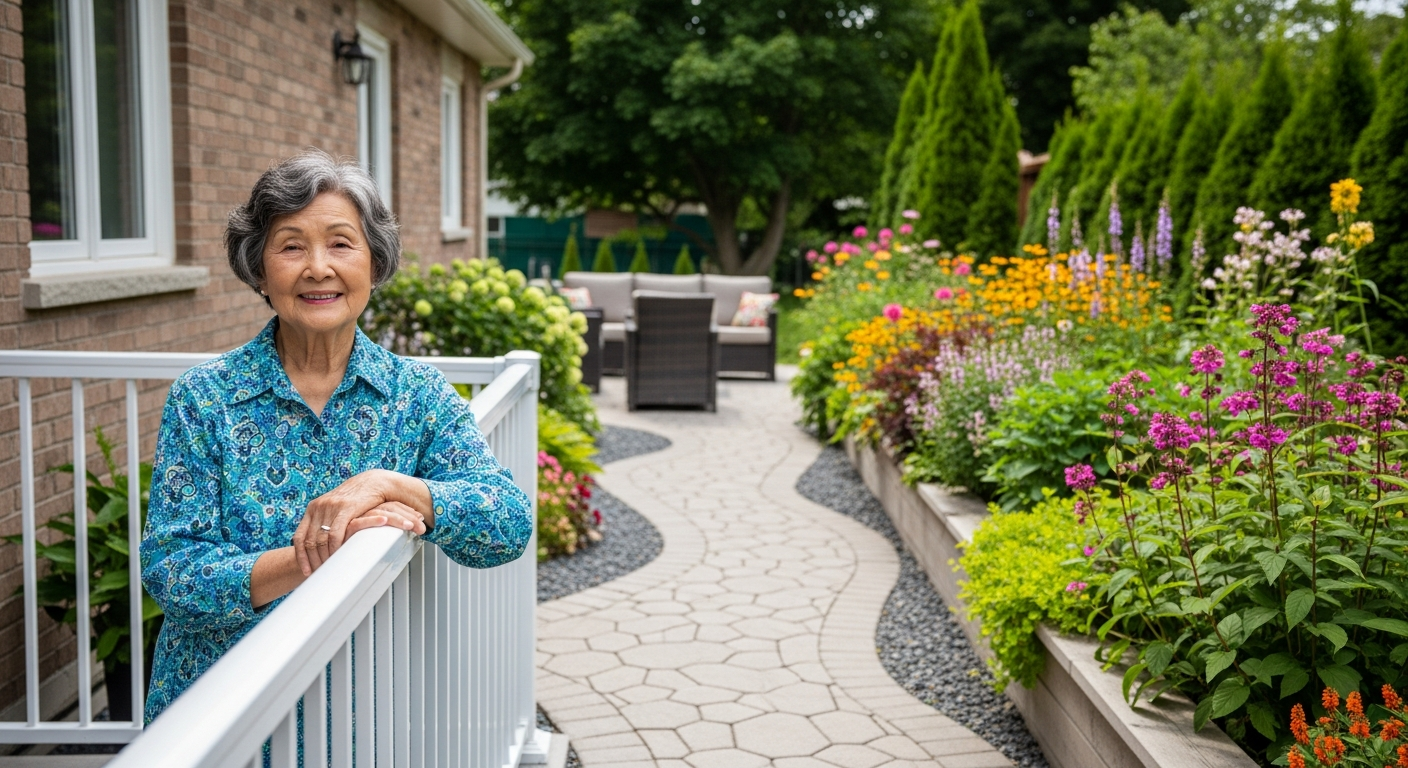
Why Outdoor Accessibility Matters for Aging in Place
Regular outdoor time and gardening:
- Physical health: Gardening is low-impact exercise (digging, planting, stretching)
- Mental wellbeing: Nature exposure reduces stress, improves mood, supports cognitive health
- Vitamin D: Sun exposure naturally boosts vitamin D (critical for bone health)
- Social connection: Outdoor spaces invite family visits and neighborhood interaction
- Independence: Accessible outdoor spaces let you manage your own garden without help
- Purpose: Gardening provides daily purpose and meaningful activity
Yet mobility, pain, or balance concerns often force seniors to abandon gardening—a loss that extends beyond plant care to overall quality of life.
Common Outdoor Accessibility Challenges for Ontario Seniors
Mobility Issues
- Uneven terrain: Roots, rocks, uneven ground cause trips and falls
- Long distances: Walking to the back of a property is exhausting
- Stairs: Deck or patio steps become barriers
- Heavy tools: Digging, raking, or hauling soil strains back and knees
Gardening-Specific Issues
- Bending: Reaching ground-level beds requires deep bending (painful for back, knees)
- Kneeling: Kneeling on wet ground is uncomfortable and difficult to recover from
- Watering: Heavy watering cans strain arms and shoulders
- Seasonal maintenance: Fall leaves, winter snow clearing become safety hazards
Balance and Fall Risk
- Wet surfaces: Damp grass or pavers are slippery
- Obstacles: Garden tools, pots, hoses create trip hazards
- Slopes: Uneven yard drainage creates downhill areas that are hard to navigate
- Poor lighting: Evening gardening becomes unsafe without pathway lighting
Outdoor Accessibility Modifications Funded by Reverse Mortgage
Accessible Pathways and Seating ($2,000–$5,000)
- Wide, stable pathways: 4+ feet wide, non-slip surface (pavers, composite decking)
- Benches and seating: Sturdy benches at regular intervals for rests
- Hand railings: Along slopes and stairs for stability
- Lighting: Solar or wired pathway lighting for safety and evening enjoyment
Raised Garden Beds ($3,000–$8,000)
- Waist-high beds: Eliminate bending; accessible from standing or seated position
- Multiple levels: Different heights for different plants and abilities
- Sturdy frames: Cedar, composite, or metal construction rated for durability
- Soil and drip irrigation: Fill beds with quality soil and install automatic watering
Accessible Deck and Patio ($4,000–$12,000)
- Level patio area: No steps; smooth transition from home
- Non-slip surface: Composite decking, textured pavers (safer than wood in wet conditions)
- Adequate railing: 42" height, secure posts for safety and stability
- Shade structures: Pergola or canopy for sun protection during rest breaks
Water Management System ($2,000–$5,000)
- Automated irrigation: Soaker hoses or drip system (no hand-watering)
- Accessible taps: Easy-to-reach water sources with lever handles
- Rain barrels: Capture water; positioned for accessibility
- Misting system: Optional; cools outdoor space on hot days
Sensory Garden Elements ($1,500–$4,000)
- Fragrant plants: Lavender, roses, herbs for scent enjoyment
- Textured plants: Lamb's ear, ferns for tactile interest
- Shade trees: Create cool spots and afternoon rest areas
- Butterfly and bird features: Plantings and feeders attract wildlife
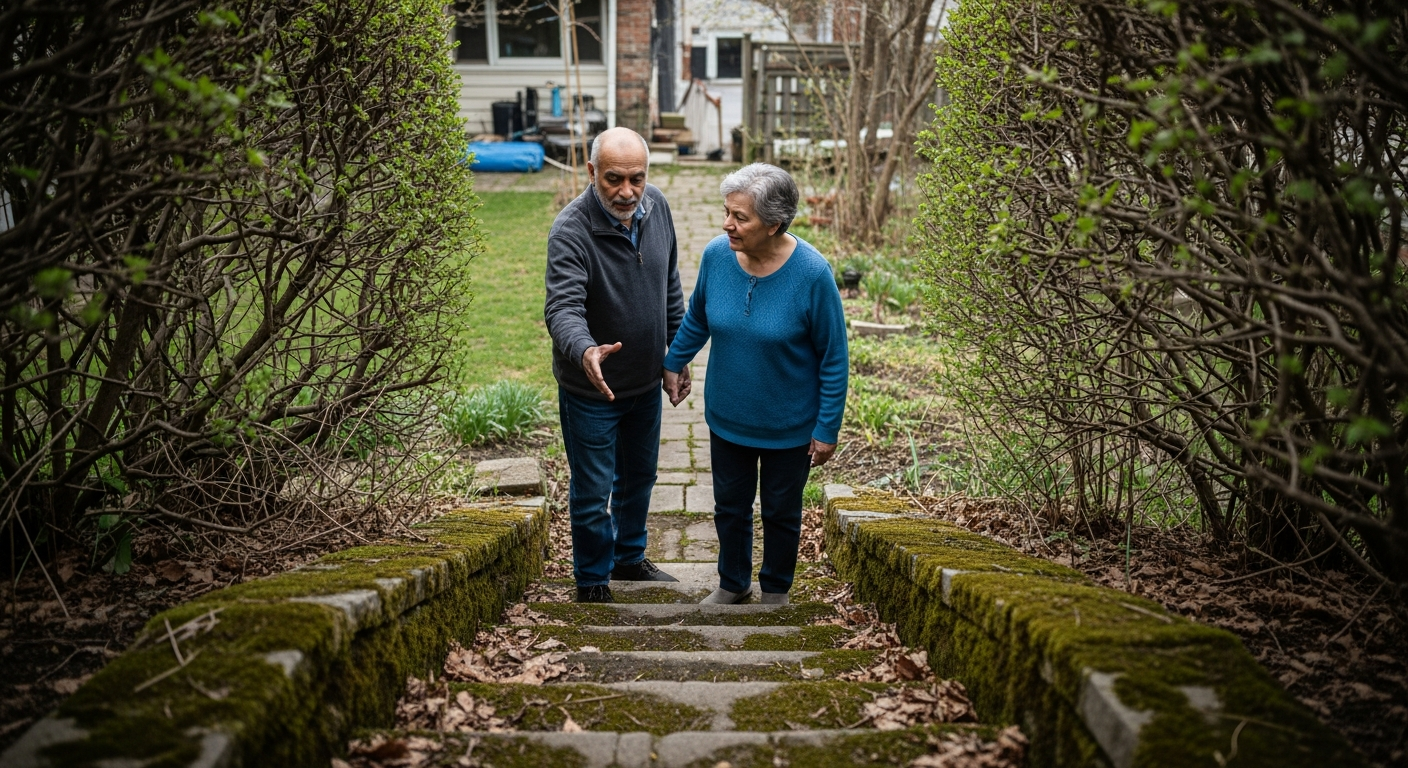
Real Ontario Stories: Outdoor Accessibility Success
Story 1: Helen's Accessible Garden in Hamilton
Helen, 71, loved gardening but had arthritis in her knees and lower back. Bending to tend ground-level beds became painful. Using a reverse mortgage, Helen invested $6,500 in:
- Three tiered raised beds (3–4 feet height): $2,500
- Accessible patio with composite decking: $2,000
- Automated drip irrigation system: $1,200
- Benches and shade structure: $800
Helen now tends her vegetables and flowers from standing or seated position, waters with a timer, and enjoys her garden pain-free. Her grandchildren help plant each spring—a tradition she maintains.
Story 2: Michael and Susan's Retirement Garden Renovation
Retired couple Michael (72) and Susan (70) wanted to downsize their 1-acre property but maintain a manageable garden. Using a reverse mortgage, they created an accessible zone:
- Converted 1/4 acre into raised beds and accessible pathways: $8,000
- Added covered seating and shade structures: $3,000
- Installed automated irrigation and lighting: $2,500
- Restored 3/4 acre to native plantings (low maintenance): $2,000
Michael and Susan now manage their garden easily, have space for socializing and family gatherings, and reduced overall maintenance workload by 70%.
Accessible Outdoor Renovation: Step-by-Step
Step 1: Assess Your Current Outdoor Space
Evaluate what you have:
- Terrain: Flat vs. sloped areas; wet spots that create puddles
- Pathways: Current state of lawn, gravel, or paved paths
- Garden beds: Ground-level vs. raised; accessibility
- Stairs: Decks, patios, or level changes requiring steps
- Water access: Existing hose bibs and water systems
Step 2: Identify What You Want to Maintain
Prioritize what matters most:
- Vegetable gardening vs. ornamental plants
- Outdoor entertaining vs. solitary enjoyment
- Wildlife attraction vs. low-maintenance landscaping
- Trees and shade vs. open sunny areas
Step 3: Develop an Accessible Design
Work with a landscape designer familiar with aging-in-place principles:
- Create 3–4 foot wide pathways throughout
- Position benches at 50–100 foot intervals for rest breaks
- Design raised beds at 3–4 feet height
- Ensure level transitions (no unexpected steps)
- Plan for adequate lighting and shade
Step 4: Plan for Irrigation
Most accessible gardens include:
- Drip irrigation: Soaker hoses or drip lines under mulch
- Automatic timer: Waters on schedule without manual effort
- Mulch: Retains moisture, reduces watering frequency
- Rain barrel or water feature: Sustainable water source
Step 5: Budget for Phased Development
Most landscape projects happen in phases:
Phase 1 (Year 1): Pathways + accessible patio ($4,000–$6,000) Phase 2 (Year 2): Raised beds + irrigation ($3,000–$5,000) Phase 3 (Year 3): Shade structures + lighting ($2,000–$3,000) Phase 4 (Ongoing): Plantings and seasonal adjustments ($500–$1,000/year)
Step 6: Apply for Reverse Mortgage
Contact Rick Sekhon Reverse Mortgages or work with CHIP, Equitable Bank, and Home Trust to:
- Determine home equity and borrowing capacity
- Choose lump sum vs. line of credit (LOC) option for phased project
- Understand repayment timeline
- Lock in rates and terms
Step 7: Hire and Execute
Work with qualified contractors:
- Licensed landscape designer (consultation)
- Landscape contractor (hardscape: pathways, patio, structures)
- Irrigation specialist (drip system design and installation)
- Project manager (oversee timeline and budget)
Step 8: Maintain and Enjoy
Annual maintenance includes:
- Spring cleanup and planting
- Irrigation system maintenance and cleaning
- Mulch refreshing and weed management
- Fall preparation and leaf cleanup
- Winter preparation (in Ontario climate)
Accessible Garden Plant Recommendations for Ontario
Low-Maintenance, High-Reward Plants
- Perennials: Daylilies, coneflowers, hostas (return yearly, no replanting)
- Shrubs: Hydrangeas, lilacs, dogwood (structure, low-maintenance)
- Groundcovers: Lamb's ear, creeping sedum (fragrant, textured)
- Herbs: Lavender, rosemary, mint (fragrant, culinary, medicinal)
- Native plants: Milkweed, black-eyed Susans (support pollinators)
Container Gardening for High Accessibility
Pots allow gardening at optimal height:
- Positioned on tables or benches (no bending)
- Easily relocated (no permanent commitment)
- Perfect for patios and decks
- Excellent for small spaces
Comparing Outdoor Accessibility Funding Options
| Funding Method | Startup Cost | Ongoing | Best For |
|---|---|---|---|
| Reverse Mortgage | $0 | Interest (no monthly payment) | Homeowners 55+ with equity |
| HELOC | Low | Interest only | Working retirees with income |
| Personal Loan | Low | Fixed payments | Younger retirees |
| Savings | None | None | Seniors with capital |
| Phased DIY | Low | Ongoing labor | Physically able, patient retirees |
Tax and Permit Considerations
Building Permits
Some projects require permits:
- Decks: Usually require permit and inspection
- Patios: Depends on size and location (over 200 sq ft typically requires permit)
- Raised beds: Usually exempt if not attached to house
- Irrigation: Underground systems may require inspection
Consult your municipality before starting. Permits cost $100–$300 but ensure compliance.
Tax Deductions
Home accessibility improvements are generally NOT tax-deductible unless:
- You have a disability tax certificate from CRA
- You're adapting for a dependent with a disability
- Consult an accountant—some minor accessibility costs may qualify
Insurance Considerations
Notify your homeowner's insurer about:
- New deck or patio (may increase coverage)
- Structural improvements (may decrease liability risk)
- Irrigation system (check coverage)
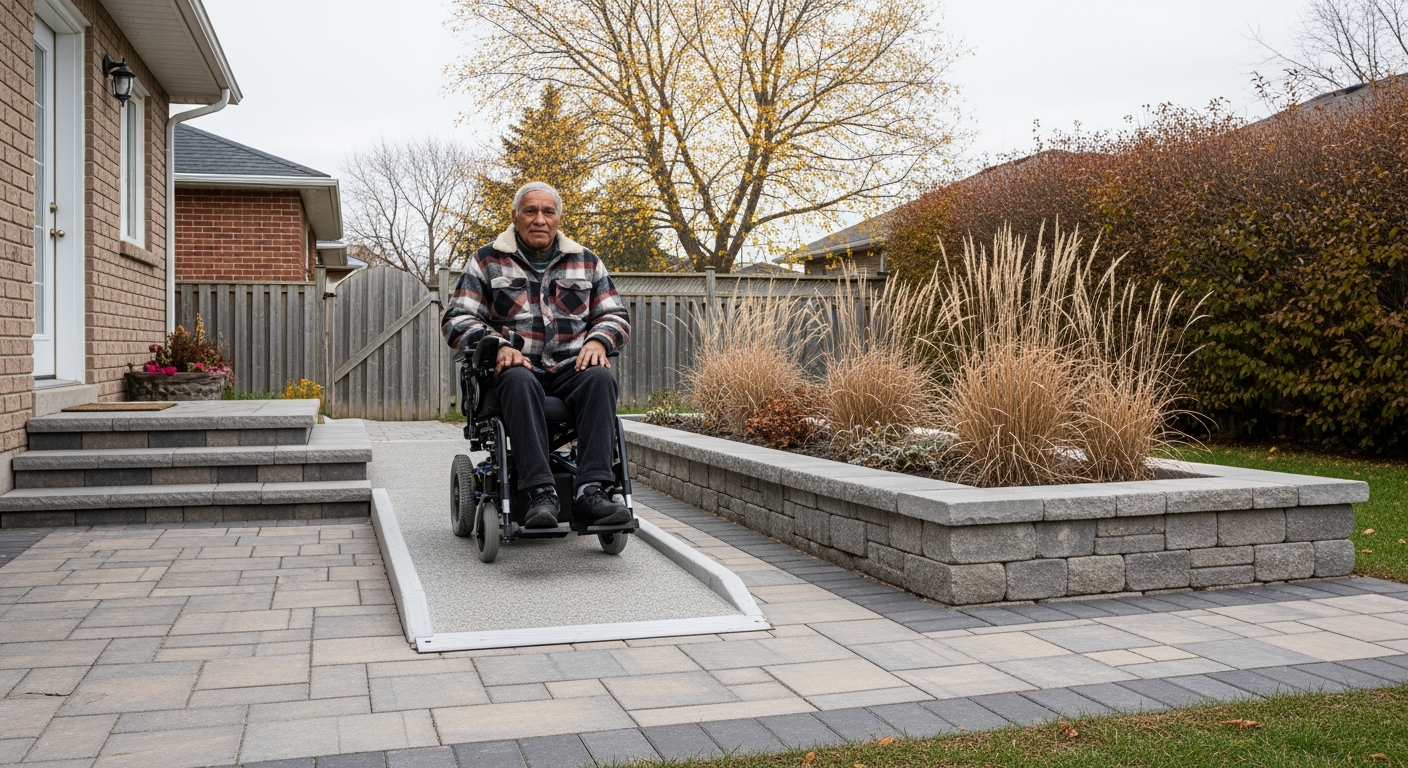
The Bottom Line: Garden Independence Extends Aging in Place
Outdoor spaces are essential to quality of life in retirement. Accessible gardens—with raised beds, stable pathways, adequate seating, and automated irrigation—allow you to garden, enjoy nature, and maintain independence well into your 80s. A reverse mortgage makes those modifications affordable and attainable.
Key takeaway: If you've loved gardening but your age or mobility makes it harder, a reverse mortgage can fund accessible outdoor renovations—maintaining your ability to garden, enjoy your property, and age in place safely and independently.
Frequently Asked Questions
Can I do some DIY work and hire contractors for the rest?
Absolutely. Many seniors hire contractors for hardscape (pathways, patio) but DIY plantings and seasonal maintenance. This balances cost and expertise.
What if I don't like gardening—is outdoor renovation still worthwhile?
Yes. Even non-gardeners benefit from accessible outdoor space: comfortable seating, shade structures, pathways for walking, and social gathering areas. Create what brings you joy.
Can outdoor accessibility modifications increase my home's resale value?
Generally yes. Accessible homes appeal to a broader buyer base. Improvements like decks, patios, and irrigation systems typically recover 50–75% of costs in home value increase.
What happens to my accessible garden if I move to long-term care?
Your garden remains part of your home. If you sell, these improvements increase property value. If heirs inherit, they inherit the accessible space. Either way, your investment improves your property.
How much garden maintenance can I realistically do myself?
With accessible design (raised beds, seating, drip irrigation), most seniors can manage basic tasks: deadheading, light weeding, minor watering adjustments. Heavy tasks (mulching, major pruning) can be hired help if needed.
Ready to Learn More?
Get the free Ontario Reverse Mortgage Guide and find out exactly how much you could unlock from your home.
Get My Free Guide →Related Articles
Fund Home Modifications to Age in Place: Ontario Guide
Discover how a reverse mortgage can finance accessibility upgrades, care services, and renovations to stay safely in your Ontario home as you age.
Read →Aging in Place with a Reverse Mortgage: Home Modification Guide
How Ontario seniors can fund aging-in-place home modifications with a reverse mortgage — costs, top modifications, grants, and a complete planning guide.
Read →Reverse Mortgage for Workplace Injury Recovery: Supporting Adult Child's Career Transition
Help your adult child rebuild their career after workplace injury. Learn how reverse mortgages fund recovery, retraining, and financial stability during career transition.
Read →