
Your Home Needs Major Repairs: Can You Afford to Age in Place With a Reverse Mortgage?
Don't let deferred maintenance force you from your home. Learn how a reverse mortgage can fund critical repairs so you can age in place safely and affordably.
Your roof is leaking. The foundation has cracks. The HVAC system sounds like it's dying. You want to age in place in your Ontario home, but the thought of major repairs feels financially impossible. Can a reverse mortgage help you afford these critical repairs—or would borrowing against your home make your financial situation worse?
The answer depends on your situation, the repair costs, and whether the alternative is to sell. For many aging Ontario homeowners, a reverse mortgage is the difference between staying in their home and being forced to sell prematurely because they can't afford necessary repairs.
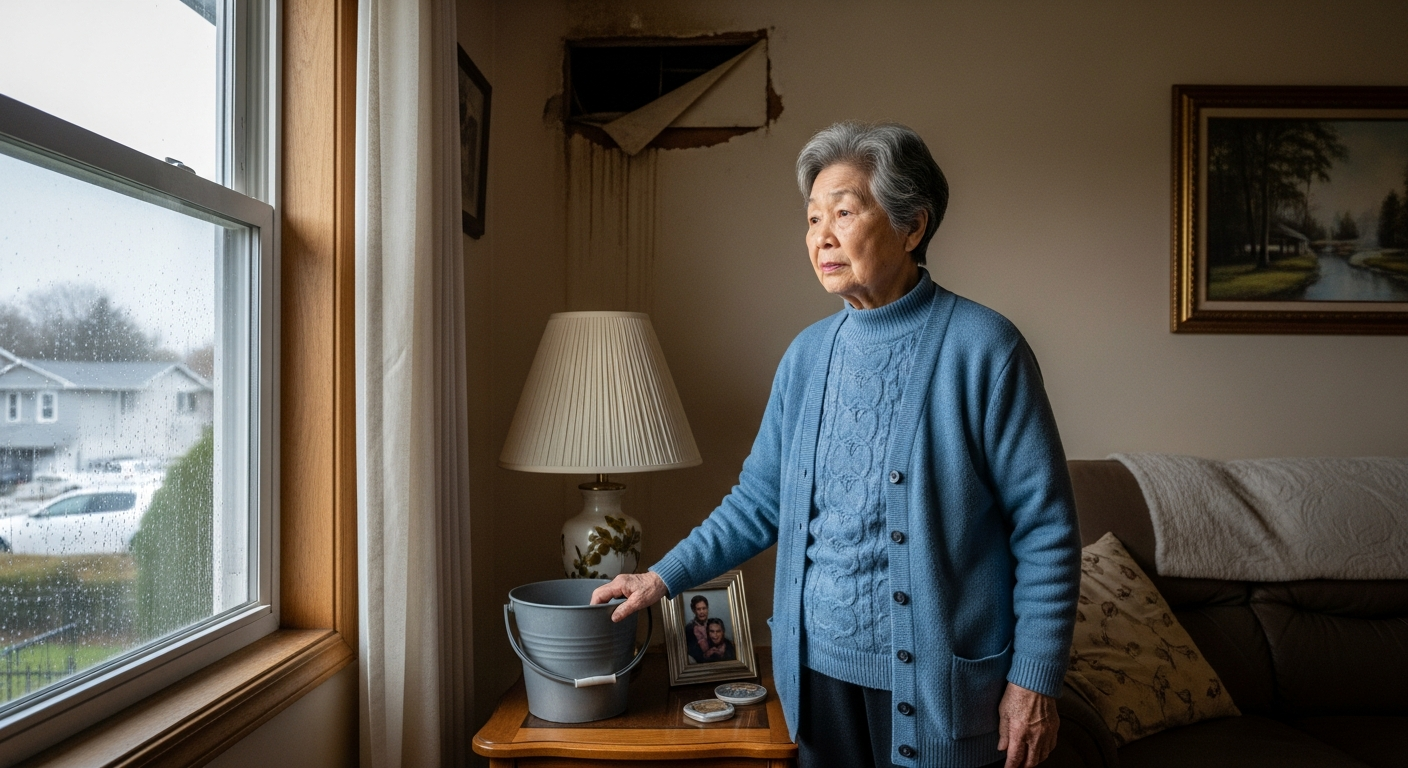
Understanding Major Home Repairs vs. Regular Maintenance
What Counts as "Major" Repairs?
| Repair Category | Typical Cost | Timeline |
|---|---|---|
| Roof replacement | $12,000–$25,000 | Every 20–30 years |
| HVAC system replacement | $8,000–$15,000 | Every 15–25 years |
| Foundation repair | $10,000–$50,000+ | Varies by severity |
| Plumbing replacement | $8,000–$25,000+ | 50+ year lifespan |
| Electrical system upgrade | $8,000–$20,000 | 60+ year systems overdue |
| Siding/exterior cladding | $15,000–$40,000 | Every 25–40 years |
| Window replacement | $5,000–$15,000 | Every 20–30 years |
| Septic system | $5,000–$15,000 | Every 25–30 years |
Average cost of multiple major repairs hitting at once: $30,000–$75,000+
Most aging homeowners have fixed income. The question isn't "can I afford this?"—it's "where will the money come from?"
Why Major Repairs Often Happen Simultaneously
Homes built in the 1970s–1980s are reaching the age where multiple systems fail around the same time:
- Roof: Original shingles last 20–25 years
- HVAC: Original systems last 15–25 years
- Windows: Original windows last 20–30 years
- Foundation: Foundations built with certain concrete mixtures fail at 40–50 years
This creates a "compound crisis" for homeowners age 55–80 who bought their homes 30–50 years ago. Everything needs replacement at once.
The Cost-Benefit Analysis: Stay with Reverse Mortgage vs. Sell
Scenario 1: Margaret, Age 75 — "Should I Sell or Stay?"
Margaret's situation:
- Lives in Toronto home worth $600,000 (no mortgage)
- Roof needs replacement: $18,000
- HVAC needs replacement: $12,000
- Foundation has minor cracks: $5,000 assessment needed
- Total immediate repairs: $30,000+
- CPP/OAS income: $2,500/month
- No savings; living paycheck-to-paycheck
Option A: Sell the home
- Sell for $600,000
- Real estate commission (5%): -$30,000
- Selling costs and legal: -$4,000
- Net proceeds: $566,000
- Must purchase or rent a new home (at higher cost in 2026)
- No longer has family home
- Monthly housing cost increases from current $800 (property tax, utilities, insurance) to $1,800–$2,000 (rent or new mortgage)
Impact: Forced to move, loses home equity to commissions, monthly costs rise by $1,000+/month, emotional displacement.
Option B: Reverse mortgage to fund repairs
- Borrow $50,000 from reverse mortgage
- Use for roof ($18K), HVAC ($12K), foundation assessment and repairs ($15K)
- Remaining home equity: ~$450,000
- Can age in place safely
- No increase in monthly housing costs
- Home remains in family name
- Can still sell later if needed
Impact: Stays home, avoids move, preserves family home, maintains independence, monthly costs remain stable.
Financial winner: Reverse mortgage, unless Margaret is certain she won't live more than 10–15 additional years.
How a Reverse Mortgage Funds Major Repairs
Step-by-Step Process
1. Home Appraisal
- Reverse mortgage lender orders appraisal
- Home value determines how much you can borrow
- Appraisal typically costs $300–$500 (you pay upfront or lender deducts from proceeds)
2. Repair Estimate and Planning
- Get quotes from licensed contractors for each repair
- Bring quotes to reverse mortgage specialist
- Explain priority repairs vs. "nice-to-have" improvements
3. Loan Amount Determination
- Lender calculates maximum you can borrow (typically 50–55% of home value)
- You can borrow less than maximum (only borrow what you need)
- Borrow amount that covers repairs + emergency cushion
4. Fund Disbursement Options
| Option | How It Works | Best For |
|---|---|---|
| Lump Sum | All funds at closing; you pay contractor | Simple projects with confirmed quotes |
| Scheduled Draws | Funds released as work progresses | Large projects; want control over spending |
| Line of Credit | Access funds as needed; pay interest only on what you use | Uncertain costs; multiple contractors |
5. Contractor Payment
- For lump sum: You receive funds, pay contractor directly
- For draws: Lender sends payment to contractor as work completes
- For LOC: You manage contractor payments from your line of credit
6. Repair Completion
- Contractor completes work
- You inspect and approve final product
- Loan remains on your home until you pass away or sell

Evaluating Your Repair Options: DIY Assessment
Is Your Home Worth the Investment?
Before borrowing, ask:
-
Home value vs. repair cost
- If home is worth $400,000 and repairs are $80,000, can you afford losing 20% of equity?
- If home is worth $600,000 and repairs are $50,000, this is only 8%—more sustainable
-
Your health and lifespan expectancy
- If you're in excellent health at age 65, you might live 30+ more years—repairs are worth it
- If you're 85 with significant health issues, repairs may not be worth the cost
- Consult your doctor about realistic life expectancy
-
Family attachment to the home
- Is this your childhood home? Family gathering place? Worth staying?
- Or is it "just a house"? Then selling might make more sense
-
Future living situation
- Plan to age in place here: Yes? Then repairs are essential
- Plan to move to assisted living in 5 years: Maybe don't spend $50K on roof
-
Alternative options
- Can you HELOC instead of reverse mortgage? (If you still have income)
- Can you get a home equity loan?
- Can you do repairs gradually as budget allows? (Not ideal, but possible)
Repair Prioritization Matrix
Prioritize repairs by urgency and impact:
| Repair | Urgency | Impact on Health/Safety | Priority |
|---|---|---|---|
| Roof leaking | HIGH | Water damage, mold risk | 1st |
| HVAC failure (winter) | HIGH | Safety, health | 2nd |
| Foundation cracks (structural) | MEDIUM | Long-term foundation health | 3rd |
| Electrical system (knob & tube) | HIGH | Fire/shock risk | 1st |
| Windows deteriorating | MEDIUM | Comfort, utility costs | 4th |
| Plumbing issues | MEDIUM | Water damage, health | 3rd |
| Siding/cladding | LOW | Aesthetic, long-term weather protection | 5th |
Don't borrow for everything at once. Borrow for critical repairs first (roof, HVAC, electrical, foundation), then reassess.
Real-World Example: John's Strategic Repair Plan
John is 78, owns a $500,000 home with multiple needed repairs:
- Roof: $20,000 (critical—leaking now)
- HVAC: $12,000 (critical—old system failing)
- Windows: $12,000 (nice-to-have; current windows functional)
- Siding: $15,000 (aesthetic; not urgent)
- Electrical update: $8,000 (long-term safety)
Total: $67,000
John's plan:
- Borrow $40,000 for roof, HVAC, and electrical (critical safety + long-term)
- Defer windows and siding 5–10 years
- Reassess in 5 years based on health and finances
Result: John fixes urgent issues, maintains home, avoids selling, and can still borrow more later if needed (or prioritize remaining repairs based on his situation).
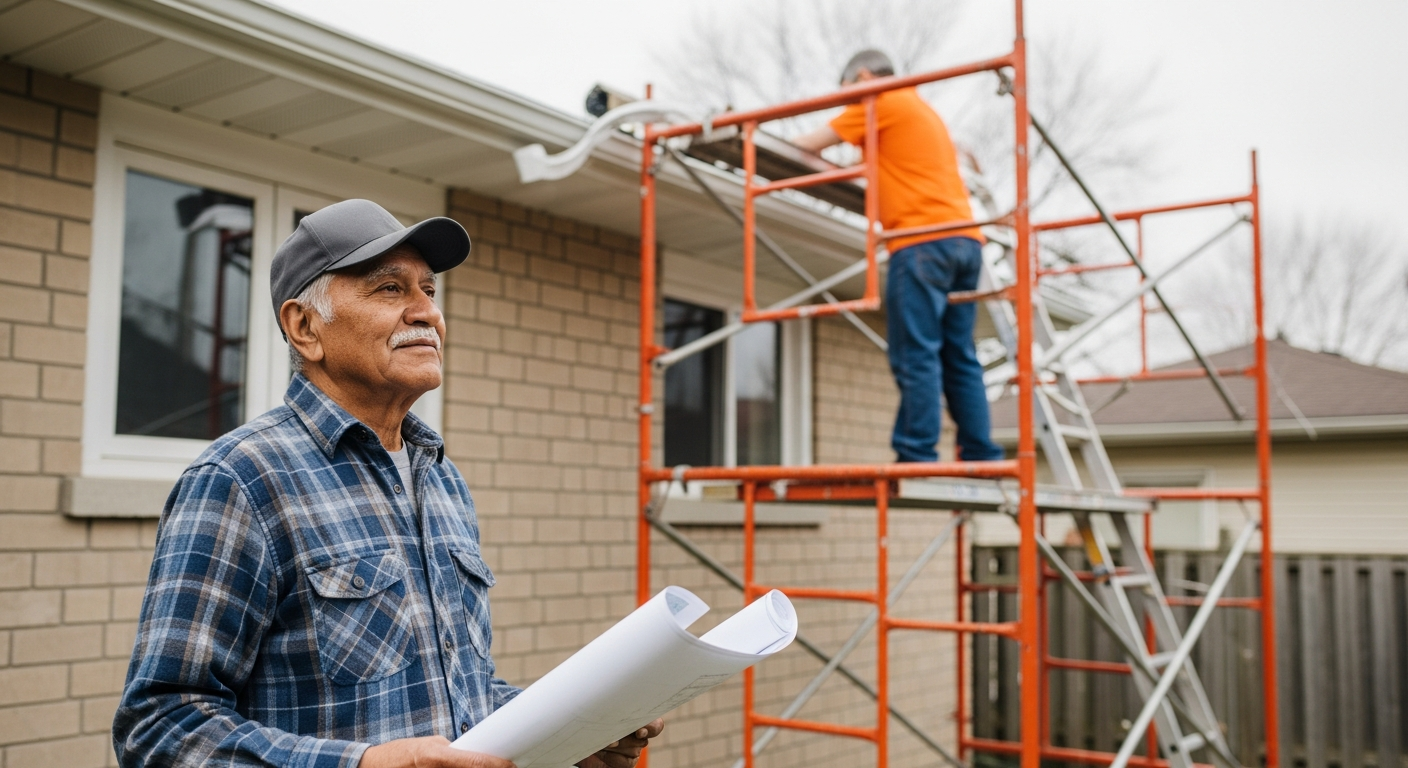
Financial Considerations: Will a Reverse Mortgage Worsen Your Situation?
The Risk: Negative Equity After Death
This is the honest concern: If you borrow $50,000 via reverse mortgage and live 20 more years, the loan balance could balloon to $100,000+ due to accruing interest. If your home is then worth $600,000, this is fine. But if the home declines in value or major disaster occurs, your heirs inherit less equity.
Example:
- Borrow $50,000 at age 75
- Live until age 95 (20 years)
- Interest accrues at ~6.5%/year
- Loan balance at age 95: ~$180,000
- If home is worth $600,000, heirs inherit $420,000 (still great)
- If home is worth $500,000, heirs inherit $320,000 (less, but still substantial)
This is acceptable if:
- You're relatively young at time of borrowing (65–75)
- You expect to live 15+ more years in the home
- Your heirs aren't counting on a large inheritance
- Your alternative is to sell and rent (losing all equity to commissions)
This is problematic if:
- You're very old (85+) and expect to live only 5–10 more years
- You desperately need to preserve maximum inheritance for heirs
- The home will decline in value (environmental risk, neighborhood decline, etc.)
Government Benefits and Asset Tests
A reverse mortgage typically doesn't affect CPP, OAS, or GIS because the proceeds are loans (not income). However:
- Increased home equity might affect some low-income seniors on GIS
- Consult CRA or a tax professional to understand your specific situation
Frequently Asked Questions
Should I do repairs all at once or gradually?
All at once: Better financing rates, gets everything done, avoids emergency failures. Use a reverse mortgage if needed.
Gradually: Spreads costs over time, lets you save, but you may face emergencies (roof leak causes water damage before you've budgeted for roof replacement).
Best approach: All critical repairs at once (roof, HVAC, electrical); delay cosmetic repairs until budget allows.
What if the repair estimate is wrong and costs exceed the borrowed amount?
If you took a lump sum and costs exceed it, you'll need to pay the difference out of pocket or borrow more (if available). Best practice: Get fixed-price contractor bids and borrow slightly more than the estimate for cushion.
Can I refinance my reverse mortgage if I need more repairs later?
You can't refinance a reverse mortgage the way you'd refinance a traditional mortgage. However, if you have remaining borrowing capacity, you can typically access additional funds through your line of credit.
Will major repairs increase my property tax assessment?
Some municipalities reassess property value after major renovations. This could increase property taxes by $50–$200/year. Budget for this possibility, but don't let it deter you from necessary repairs.
What if my home is in a declining neighborhood and I don't expect the value to recover?
Even in declining neighborhoods, living in your paid-off home with managed maintenance is often better than renting or moving to assisted living. A reverse mortgage still allows you to age in place affordably, even if equity doesn't grow.
Key Takeaways
| Concept | Key Point |
|---|---|
| Major repairs | Often hit simultaneously in homes 30–50 years old; cost $30,000–$75,000+ |
| Reverse mortgage | Can unlock home equity to fund critical repairs without selling |
| Stay vs. sell | For most aging homeowners, staying (with RM funding) beats selling + moving |
| Prioritization | Fund critical repairs first (roof, HVAC, electrical, foundation); defer cosmetic work |
| Heirs | Yes, accumulated interest reduces inheritance—but it's often still better than the sell alternative |
Your home is worth maintaining. Don't let major repairs force you out before you're ready. A reverse mortgage can make aging in place affordable and safe.
Ready to Learn More?
Get the free Ontario Reverse Mortgage Guide and find out exactly how much you could unlock from your home.
Get My Free Guide →Related Articles
Reverse Mortgage for Home Renovations: Aging in Place Guide for Ontario Seniors
Learn how to use a reverse mortgage to fund home renovations and modifications that let you age in place safely and comfortably in your Ontario home. Includes cost examples and step-by-step process.
Read →Reverse Mortgage and Deferred Home Maintenance: Catching Up on Repairs
Use a reverse mortgage to fund essential home repairs and maintenance you've deferred—preventing costly damage and maintaining aging in place.
Read →Foundation Repairs and Reverse Mortgage: Funding Structural Issues
Foundation cracks, settling, or water damage can cost $15,000–$50,000 in Ontario. Learn how a reverse mortgage funds critical structural repairs.
Read →