
Reverse Mortgage for Home Maintenance and Warranty Protection Programs
Fund home maintenance and extended warranty programs with a reverse mortgage. Protect your home asset and avoid unexpected repair costs.
Are you worried about unexpected home repairs draining your retirement savings? A aging home can require $5,000 to $15,000 in major repairs annually. Roof replacement, HVAC system failure, electrical work, plumbing issues—these aren't optional. A reverse mortgage can fund preventive maintenance and warranty protection programs that keep costs predictable and manageable.
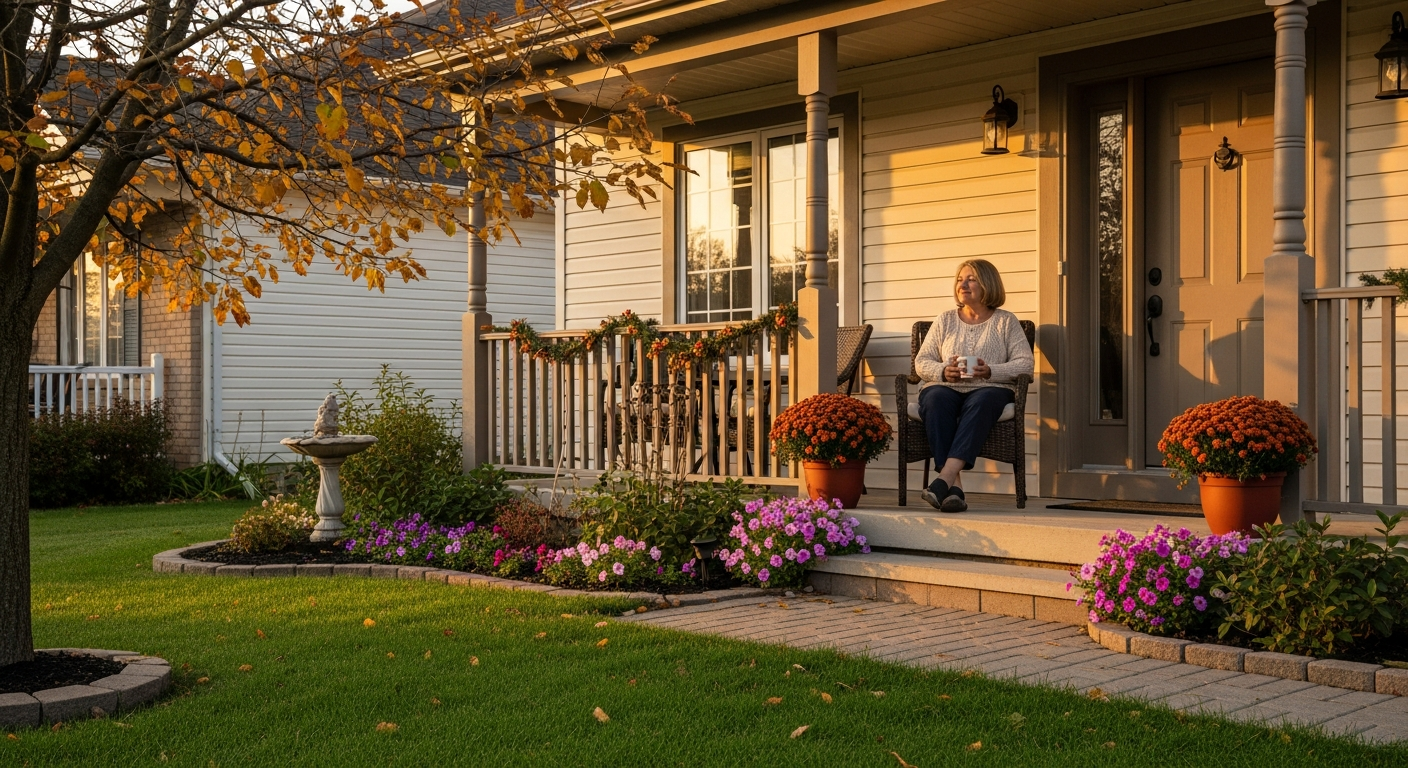
The Hidden Costs of Home Ownership in Retirement
Homeownership in retirement is wonderful, but maintenance costs increase significantly as homes age. According to the American Association of Retired Persons (AARP), homeowners 65+ spend an average of $8,000–$15,000 annually on home maintenance and repairs.
Common costly repairs for aging homes:
- Roof replacement: $12,000–$25,000
- HVAC system replacement: $5,000–$12,000
- Plumbing major repairs: $3,000–$10,000
- Electrical panel upgrade: $4,000–$8,000
- Basement waterproofing: $5,000–$15,000
- Foundation repair: $10,000–$50,000+
Even moderate homes require ongoing maintenance. A reverse mortgage provides protection against these inevitable costs.
Home Warranty and Protection Programs in Ontario
Home warranty programs protect you from unexpected repair costs:
| Program Type | Annual Cost | Coverage |
|---|---|---|
| Standard home warranty | $400–$800 | Heating, electrical, plumbing systems |
| Comprehensive warranty | $800–$1,500 | Systems plus appliances |
| Premium coverage | $1,500–$2,500 | Full systems, appliances, pool/hot tub |
| Home maintenance membership | $200–$600 | Discounts on repairs, priority service |
| 10-year home protection plan | $3,000–$6,000 | New construction homes (often included) |
Additionally, many homeowners invest in preventive maintenance:
- Annual HVAC inspection: $150–$300
- Roof inspection: $200–$500
- Foundation inspection: $400–$800
- Chimney cleaning: $100–$300
Total annual maintenance and warranty budget: $2,000–$4,000
For retirees on fixed incomes, this is significant. A reverse mortgage removes the stress of budgeting for these costs.
Real Example: Jim's Home Protection Strategy in Ottawa
Jim, 73, owned his Ottawa home for 45 years. The house was wonderful but aging—roof installed 1995, furnace original to 1998. He knew major repairs were coming, but the prospect of $20,000–$30,000 in repairs terrified him.
Jim's home was valued at $550,000. He explored a reverse mortgage and borrowed $12,000 to implement this strategy:
- Home warranty program: $1,000 annually for 5 years ($5,000)
- Preventive maintenance fund: $1,500 for annual HVAC and plumbing inspections ($1,500)
- Reserve fund for deductibles: $5,000 for minor repairs and warranty deductibles
With this approach, Jim had predictable monthly costs (about $65 in reverse mortgage interest) and protection against major unexpected expenses. When his roof leaked, the warranty covered $8,000 of a $12,000 repair. His reserve fund covered the deductible. Total out-of-pocket: $4,000 instead of $12,000.
Jim said: "I sleep better knowing I'm not facing a catastrophic repair bill that would force me to sell my home."
Preventive Maintenance as Risk Management
Preventive maintenance is the most cost-effective home protection strategy:
| Preventive Action | Cost | Prevents | Potential Savings |
|---|---|---|---|
| Annual HVAC inspection/maintenance | $200–$400 | System failure, efficiency loss | $5,000–$12,000 replacement |
| Roof inspection | $300–$500 | Water damage, structural issues | $15,000–$25,000 replacement |
| Plumbing inspection | $300–$500 | Major leaks, water damage | $10,000–$20,000 repairs |
| Foundation inspection | $500–$800 | Crack expansion, major repairs | $20,000–$50,000 repairs |
| Electrical inspection | $300–$600 | Safety issues, system failure | $8,000–$15,000 repairs |
By spending $1,500–$2,500 annually on preventive maintenance, you avoid $50,000–$100,000 in major repairs.
How a Reverse Mortgage Funds Home Protection
A reverse mortgage provides flexible access to home equity:
- Fund a multi-year warranty program (reducing year-to-year uncertainty)
- Establish a preventive maintenance schedule (catching problems early)
- Create an emergency repair fund (for deductibles and unexpected issues)
- Access funds as needed through a line-of-credit feature
For a $600,000 Ontario home, you might borrow $10,000–$15,000 for a comprehensive home protection plan, maintaining $315,000+ in remaining available equity.
Tax and Benefit Implications
Home maintenance and warranty costs funded through a reverse mortgage have no direct tax consequences. The borrowed funds are not income, so they don't affect OAS, GIS, or CPP.
However, some home maintenance costs may be deductible if you're claiming investment property expenses (which doesn't apply to principal residence). Speak with a tax professional about your situation.
According to Statistics Canada, homeowners 65+ prioritize home maintenance because they plan to stay in their homes long-term. A reverse mortgage supports this goal by making maintenance costs manageable.
Choosing a Home Warranty Program
When selecting a warranty:
- Assess your home's age (older homes need broader coverage)
- Identify critical systems (HVAC, plumbing, electrical)
- Check deductibles and exclusions (what's NOT covered?)
- Compare 3-5 providers for rates and reviews
- Consider bundling (multiple policies often cost less)
- Read reviews from current customers on BBB and Google
Common Ontario home warranty providers include HomeServe, 2-1-1 Canada, and various local contractors who offer warranty programs.
Frequently Asked Questions
Is home warranty a waste of money?
It depends on your home's age and condition. Older homes (30+ years) benefit significantly from warranty protection. Newer homes (under 10 years) may not need it.
Can I use a reverse mortgage just for home protection?
Yes. Lenders don't restrict uses. Home maintenance and warranty funding are valid applications of reverse mortgage funds.
What if I never use the warranty during the coverage period?
Warranty programs, like insurance, provide peace of mind. If you never need them, you've avoided catastrophic repair costs that would have been far more expensive.
Does home warranty affect property value?
No. Warranties are not transferable, so they don't affect resale value. However, a well-maintained home (resulting from warranty-backed maintenance) may have higher value.
Can I cancel a warranty if I change my mind?
Most home warranty programs allow cancellation with some refund of remaining coverage. Review cancellation policies before purchasing.
What's the difference between a home warranty and homeowner's insurance?
Homeowner's insurance covers catastrophic events (fire, theft, liability). Home warranties cover system failures and breakdowns. Both are valuable.
Conclusion: Protect Your Home, Protect Your Future
Your home is your largest asset and your foundation for aging in place. A reverse mortgage that funds home maintenance and warranty protection ensures that unexpected repair costs don't force you from your home or devastate your retirement savings.
By investing in preventive maintenance and warranty protection now, you're protecting your asset, maintaining your independence, and ensuring financial stability for years to come.
Ready to explore how a reverse mortgage could fund home protection? Get your free Ontario Reverse Mortgage Guide →
Ready to Learn More?
Get the free Ontario Reverse Mortgage Guide and find out exactly how much you could unlock from your home.
Get My Free Guide →Related Articles
Reverse Mortgage Costs Explained: Fees, Interest & Long-Term Impact
Understand the true cost of a reverse mortgage: setup fees, interest rates, and how compounding affects your home equity over time.
Read →Aging in Place with a Reverse Mortgage: Home Modification Guide
How Ontario seniors can fund aging-in-place home modifications with a reverse mortgage — costs, top modifications, grants, and a complete planning guide.
Read →Reverse Mortgage for Smart Home Health Monitoring: IoT Systems for Aging in Place
Use a reverse mortgage to install smart home health monitoring systems that keep you safe while aging in place in Ontario.
Read →