
Reverse Mortgage for Home-Based Medical or Dental Practice Setup
Use a reverse mortgage to establish a home-based medical or dental practice and extend your professional career in Ontario.
You're a physician, dentist, or healthcare professional approaching traditional retirement age, but you're not ready to stop practicing. Many Ontario healthcare professionals want to transition to independent practice—serving underserved communities, working flexible hours, or maintaining professional identity without the demands of corporate healthcare systems. A home-based medical practice is challenging due to regulatory and infrastructure requirements, but a reverse mortgage can fund the significant startup costs required to make it viable.
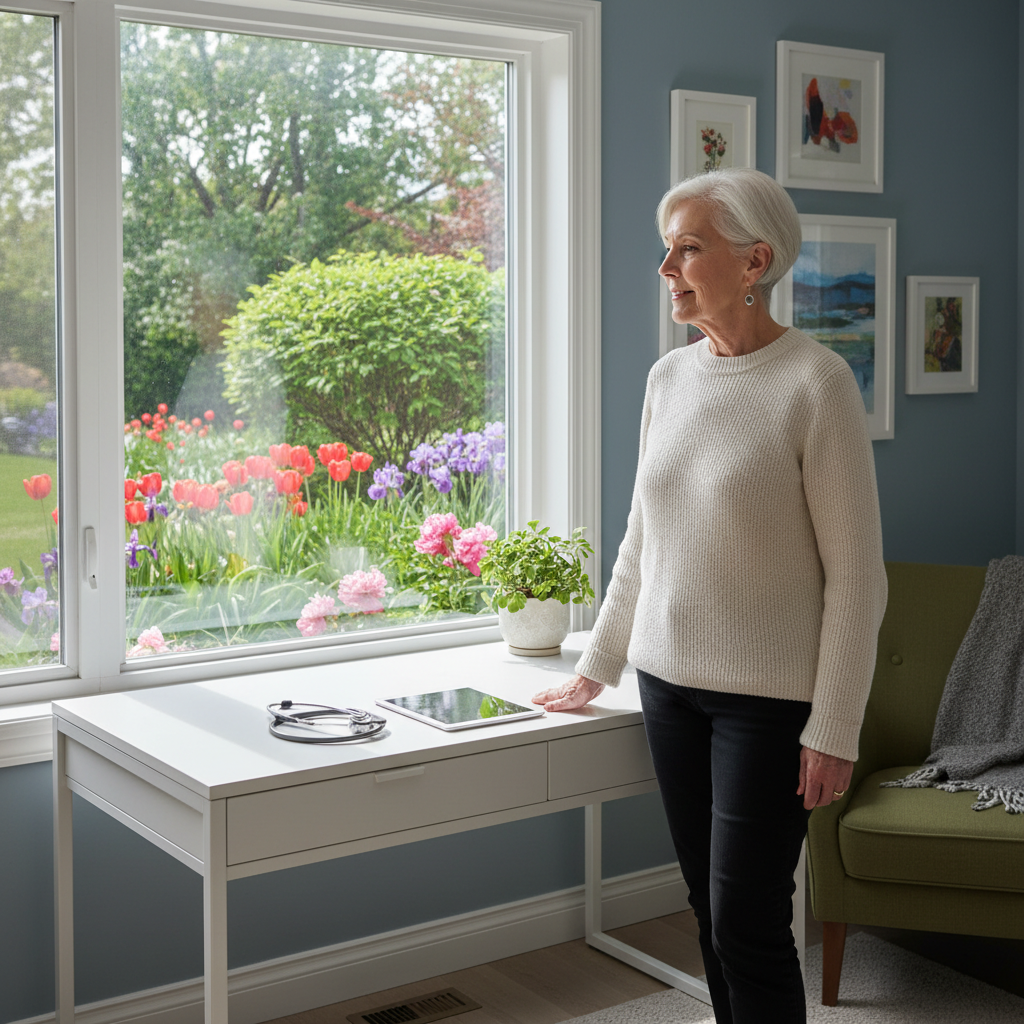
The Viability of Home-Based Medical Practice in Ontario
Home-based medical practice is possible in Ontario but requires specific conditions:
Viable models: ✓ Telemedicine practice — consultations by video with patients across Ontario/Canada ✓ Specialized assessment — psychology, occupational therapy, geriatric assessment in home setting ✓ Part-time locum practice — work 1–2 days/week for clinics while maintaining home base ✓ Occupational health — workplace assessments and consultations for employers ✓ Expert witness and medical-legal consultation — for law firms and disability assessments
Less viable: ✗ Surgery — requires operating room, sterile environment ✗ Complex procedures — diagnostic imaging, complex interventions require clinical settings ✗ Emergency medicine — unpredictable volume unsuitable for home practice ✗ Inpatient hospital care — requires institutional infrastructure
The most viable home-based medical practice models leverage expertise, consulting, telemedicine, and part-time locum arrangements rather than full-service clinical care.
Startup Costs for Home-Based Medical Practice
Establishing a home-based medical practice requires substantial investment:
| Requirement | Cost |
|---|---|
| Professional office space renovation (infection control, privacy, safety) | $8,000–$20,000 |
| Medical furniture and equipment (examination chair, desk, storage, accessibility) | $3,000–$10,000 |
| Technology and software (EHR, telemedicine platform, patient management) | $5,000–$15,000 |
| Professional liability insurance (critical for physicians/dentists) | $3,000–$8,000/year |
| Regulatory registration and licensing in Ontario (College of Physicians, Dental Regulatory Authority) | $2,000–$5,000 |
| Professional certifications and CME compliance | $2,000–$5,000 |
| Telephone system, internet, cybersecurity | $2,000–$5,000 |
| Marketing and professional website | $2,000–$5,000 |
| Business licensing, legal setup, accounting | $1,500–$3,000 |
| Operating capital (6 months' expenses while building patient base) | $15,000–$40,000 |
Total startup investment: $44,500–$96,000 (first year, depending on practice type and complexity)
A reverse mortgage makes this investment accessible to healthcare professionals who want to transition to independent practice without depleting retirement savings.
Real-World Scenario: Dr. Sarah Chen's Telemedicine Practice
Dr. Sarah Chen (68) is a family physician with 38 years of clinical experience. She's experiencing burnout from administrative demands in her current clinic and wants a transition: continue practicing medicine in a sustainable way while reducing clinical hours from 40 to 20 hours/week.
Her solution: Launch a telemedicine practice serving patients with chronic disease management and follow-up care—areas where remote consultations are effective and valued by patients with mobility limitations or rural isolation.
Startup investment:
| Need | Cost |
|---|---|
| Home office renovation (HIPAA-compliant, private, professional) | $12,000 |
| Medical technology (secure EHR, telemedicine platform, diagnostic support software) | $8,000 |
| Professional liability insurance (telemedicine-specific coverage) | $4,500/year |
| College of Physicians registration (required for Ontario practice) | $1,500 |
| Professional development (telemedicine certification, CME hours) | $3,000 |
| Business setup and accounting | $2,000 |
| Marketing and professional website | $3,000 |
| Secure phone system and cybersecurity | $2,000 |
| Operating capital (6 months building patient base) | $20,000 |
| Total Year 1 investment: $55,500 |
Dr. Chen's home is worth $850,000. She takes a $60,000 reverse mortgage and invests in her practice startup.
Outcome: Dr. Chen launches a telemedicine practice serving patients with diabetes management, hypertension follow-up, and chronic disease consultation. Within 12 months:
- Patient base: 150 active patients with 200–250 annual consultation visits
- Income: $75,000/year (at $150/consultation rate for 20 hours/week work)
- Schedule: 20 hours/week (sustainable part-time schedule allowing balance and continued professional growth)
The reverse mortgage investment pays for itself in less than one year, and Dr. Chen now has sustainable, meaningful medical practice aligned with her life stage and energy level.
Regulatory Compliance in Ontario
Healthcare professionals face strict regulatory requirements:
Physicians:
- Must maintain active registration with Professional Physicians College of Ontario (PsyPA)
- Continuing Medical Education requirements (150 hours/year)
- Professional liability insurance required
- Telemedicine requires specific registration and security compliance
- Ontario Telehealth Network provides framework for reimbursement (if applicable)
Dentists:
- Regulated by Royal College of Dental Surgeons of Ontario
- Home-based dental practice is extremely restricted (infection control issues)
- Teledentistry (consultations, treatment planning) is permitted
- Serious liability insurance required
Other healthcare professionals:
- Verify regulatory requirements with your specific licensing body
- Continuing education requirements vary
- Professional liability coverage is non-negotiable
Consult Ontario's regulatory body and a healthcare lawyer before establishing any independent practice. Regulatory compliance costs $2,000–$5,000 but are essential.
Part-Time Locum Model: Lower-Risk Transition
For healthcare professionals wanting to reduce risk, a hybrid model works well:
- Work 1–2 days/week as locum at a clinic or hospital (maintaining clinical skills, generating stable income)
- Work 1–2 days/week from home on telemedicine, consulting, or part-time specialty work
- Maintain regulatory registration through clinic work (reduced paperwork burden)
- Reduce total hours from 40/week to 20–25/week (sustainable intensity)
This model requires less startup capital ($20,000–$35,000) than full independent practice and reduces financial risk while maintaining professional engagement.
Tax and Income Considerations
According to the CRA, self-employment income from medical practice is fully taxable. However:
✓ Business deductions — office renovation, equipment, software, insurance, CME all deductible ✓ Home office deduction — proportional to office space used for business ✓ Professional development — continuing education fully deductible ✓ Equipment depreciation — spread over years per CRA guidelines
Consult a tax accountant experienced with medical practice taxation. Corporate structure vs. sole proprietor has different tax implications depending on your income level and other factors.
Managing Liability and Insurance
Professional liability insurance is non-negotiable:
| Practice Type | Annual Insurance Cost | Coverage Amount |
|---|---|---|
| Telemedicine physician | $3,000–$5,000 | $1M–$2M |
| Part-time locum physician | $2,000–$4,000 | $1M+ |
| Medical consultant | $2,000–$3,000 | $500K–$1M |
| Dentist (any setting) | $4,000–$8,000 | $2M+ |
This is an ongoing cost included in your operating budget, not a one-time expense. Liability insurance protects both you and your patients.
Frequently Asked Questions
Can I establish a home-based medical practice part-time while working elsewhere?
Yes. Many physicians maintain part-time locum positions while building independent telemedicine practices. Ensure your employment contract permits this and regulatory bodies are informed.
What's the realistic timeline from startup to generating sustainable income?
Telemedicine practices: 6–12 months to 100+ active patients. Consulting practices: 3–6 months depending on referral networks. Part-time locum: immediate income (you're employed), home practice builds gradually.
Does a home-based medical practice affect OAS or GIS?
If receiving means-tested benefits like GIS, self-employment income will affect eligibility. Consult Service Canada before launching. Most healthcare professionals' income will disqualify them from GIS anyway.
Should I incorporate my medical practice?
Consult a tax accountant and healthcare lawyer. Incorporation has advantages (liability protection, tax efficiency) and disadvantages (added complexity). Structure depends on your income, liability exposure, and other factors.
Next Steps
Healthcare professionals deserve sustainable practice models that align with life stage and energy. A reverse mortgage can fund your transition to meaningful, independent practice. Speak with Rick Sekhon Reverse Mortgages to explore how much capital you could access for your practice startup.
Ready to Learn More?
Get the free Ontario Reverse Mortgage Guide and find out exactly how much you could unlock from your home.
Get My Free Guide →Related Articles
Setting Up a Home-Based Therapy Practice with a Reverse Mortgage
Use a reverse mortgage to fund your home-based therapy practice setup in Ontario and generate retirement income.
Read →Reverse Mortgage for Home Office Setup: Creating a Productive Retirement Workspace
Fund your home office with a reverse mortgage. Create a productive retirement workspace for consulting, hobbies, or part-time work in Ontario.
Read →Reverse Mortgage for Consulting Transition: Funding Your Independent Business
Learn how Ontario seniors can use reverse mortgages to fund a consulting business transition, covering startup costs and cash flow during the early phases.
Read →