
Reverse Mortgage for Home Emergency Preparedness and Safety Systems
Aging in place safely requires emergency backup systems—backup power, water supply, first aid systems, and structural reinforcement. Fund these critical upgrades with a reverse mortgage.
You're aging in place. That means staying in your home as you age, relying on it as your safe haven. But homes are vulnerable. Power outages, water main breaks, extreme weather, and medical emergencies can all threaten aging seniors living alone.
Properly preparing your home for emergencies—backup power, water reserves, first-aid systems, and structural reinforcement—requires capital. A reverse mortgage can fund these critical investments, transforming your home into a true safe haven.
This article is for educational purposes and does not constitute engineering or medical advice. Consult professionals before undertaking emergency prep upgrades.
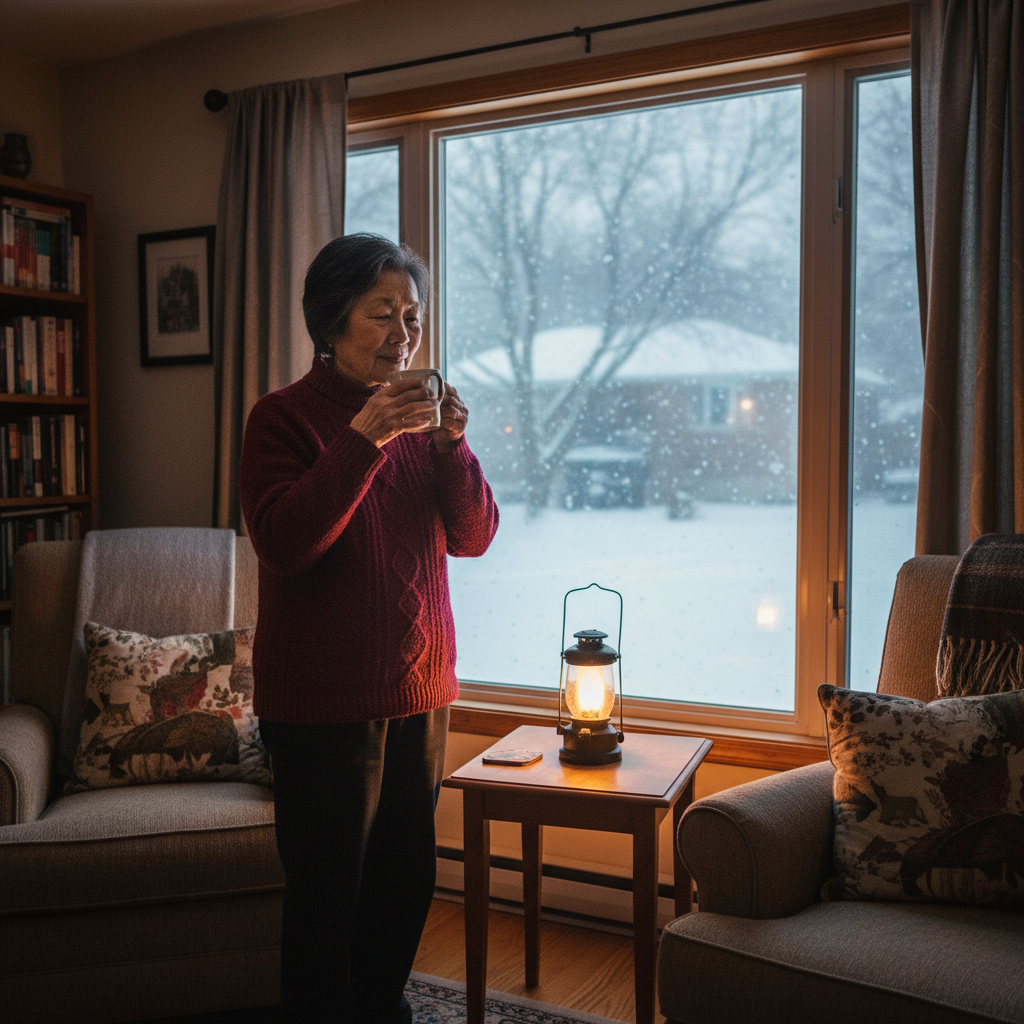
Why Emergency Preparedness Matters for Aging-in-Place Seniors
Seniors aging in place face unique vulnerabilities:
Scenario 1: Power Outage During Winter
- You're living alone in Ontario; ice storm hits; power goes out
- Backup heating fails; home temperature drops below 60°F
- You're 75 years old with arthritis; you can't break ice to escape
- Neighbors don't realize you're in danger
- EMS response takes 30+ minutes in storm conditions
- Outcome: Hypothermia risk; hospitalization; loss of independence
Scenario 2: Water Main Break
- Public water main breaks; water shuts off city-wide
- You need dialysis-grade water for medical equipment; or need water for essential medication preparation
- You can't safely travel to get water
- No portable water supply at home
- Outcome: Medical emergency; forced hospitalization; loss of independence
Scenario 3: Medical Emergency with No Help
- You fall at home; can't reach phone; live alone
- No medical alert system; no backup communication
- Neighbor finds you 12 hours later
- Brain injury from fall; permanent disability
- Outcome: Preventable tragedy
These aren't hypothetical. Ontario 911 data shows emergency response times exceed 30 minutes in rural and suburban areas, and 15–20 minutes even in cities. Aging-in-place seniors must bridge that gap with home emergency systems.
Essential Emergency Preparedness Upgrades for Aging Seniors
Tier 1: Life-Critical Systems (Must Have)
1.1 Medical Alert System (Wearable + Home Device)
- Cost: $30–$100/month + $200–$500 hardware
- What it does: Two-way communication; fall detection; panic button
- Examples: Life Alert, Medical Guardian, Philips Lifeline
- Aging-in-place impact: Reduces response time to medical emergencies from "neighbors notice after 12 hours" to "emergency response in 10 minutes"
1.2 Backup Power System (Home Battery or Generator)
- Cost: $5,000–$15,000 installed (battery); $3,000–$8,000 (generator + installation)
- What it does: Maintains power during outage; critical for heating, lighting, medical equipment, communication
- Examples: Tesla Powerwall, LG Chem, Generac home generator
- Aging-in-place impact: Heating, medication refrigeration, and communication remain available during extended outages
1.3 Water Backup and Purification
- Cost: $2,000–$8,000 installed (whole-home system); $500–$2,000 (point-of-use)
- What it does: Rainwater capture, storage, filtration; ensures water availability during supply interruption
- Examples: Rainwater cistern (500-1,000 gallons), whole-home water purification system
- Aging-in-place impact: Ensures water for essential uses (medications, hygiene, drinking) if public supply fails
Tier 2: Safety Enhancement (Highly Recommended)
2.1 Smart Home Integration and Voice Control
- Cost: $1,500–$4,000 (system setup, devices, installation)
- What it does: Control lighting, doors, temperature, alarms via voice (Alexa, Google Home)
- Impact: Reduced physical strain; safety control from bed or couch
2.2 Structural Reinforcement (for Extreme Weather)
- Cost: $3,000–$10,000 (roof reinforcement, window upgrades, seismic bracing in Ontario)
- What it does: Strengthens home against wind, ice loads, earthquakes
- Impact: Reduced risk of structural failure during severe weather
2.3 Backup Heating Systems
- Cost: $2,000–$5,000 (wood stove, propane heater, electric space heaters)
- What it does: Maintains warmth if main heating fails
- Impact: Prevents hypothermia during extended power loss
Tier 3: Convenience and Quality of Life
3.1 Internet Redundancy (Dual Internet Providers)
- Cost: $50–$100/month (second internet service)
- What it does: Ensures communication availability if one internet service fails
- Impact: Always able to reach help via phone, video call, or emergency alert
3.2 Storm Door and Window Reinforcement
- Cost: $1,000–$3,000
- What it does: Reduces damage from severe weather; improves insulation
- Impact: Safety during storms; reduced heating/cooling costs
Reverse Mortgage Funding Model: Emergency Prep Planning
Step 1: Assess Your Home's Emergency Vulnerabilities (Week 1)
Walk through your home and identify risks:
| Risk Area | Assessment | Priority |
|---|---|---|
| Power outage | Do you have backup power? Flashlights? Battery-powered radio? | Critical |
| Water supply | Do you have 3+ days of stored water? Purification system? | Critical |
| Medical communication | Medical alert system? Charged phone? Accessible to bed? | Critical |
| Heating failure | Backup heat source? Insulation adequate? Winterization done? | High |
| Food spoilage | Backup power for fridge? Alternative food sources? | High |
| Mobility during emergency | Can you move around home safely in darkness? Grab bars? Non-slip floors? | High |
| Medication storage | Temperature-controlled? Backup supply if pharmacy closes? | Medium |
| Neighborhood resilience | Do neighbors know your vulnerability? Community emergency plan? | Medium |
Step 2: Prioritize Upgrades by Impact and Cost (Week 2)
Create a ranked list:
- Must-have (life-critical): Medical alert system, backup power, water storage
- Should-have (safety-critical): Backup heating, structural reinforcement, home automation
- Nice-to-have (comfort/resilience): Internet redundancy, advanced water systems, generator upgrades
Estimated total cost for "must-have" + "should-have": $15,000–$35,000
Step 3: Request Reverse Mortgage Funding (Week 3–4)
Your RM specifications:
- Home value: $500,000
- Age 68; accessible amount: ~22% of home value = $110,000
- Request: $30,000–$40,000 RM (leave significant buffer)
- Use: Emergency preparedness upgrades over 12 months
- Structure: Lump sum or LOC (LOC allows staged draws as work completes)
Step 4: Implement Upgrades Systematically (Months 1–12)
Year 1 Emergency Prep Budget ($35,000 from RM):
| Quarter | Upgrade | Cost | Status |
|---|---|---|---|
| Q1 | Medical alert system + whole-home battery backup | $8,000 | Top priority |
| Q1 | Water storage (500-gal cistern) + purification | $4,000 | Critical |
| Q2 | Home automation (smart lighting, locks, thermostat) | $5,000 | Safety |
| Q2 | Backup heating system (wood stove or electric space heaters) | $4,000 | Safety |
| Q3 | Structural reinforcement (roof, windows, bracing) | $6,000 | Resilience |
| Q4 | Internet redundancy + 6-month reserve supplies | $2,000 | Contingency |
| Q4 | Reserves and contingencies | $6,000 | Flexibility |
| Total | $35,000 |
Step 5: Test and Validate Systems (Ongoing, Post-Implementation)
Once systems are installed:
Monthly testing:
- Test medical alert system (contact support; verify response)
- Check backup power (run generator for 1 hour; test battery drain)
- Verify water storage (taste/quality; check for leaks)
- Test backup heating (run for 2 hours; verify warmth)
Annual testing (before winter):
- Full power outage simulation (shut main power; run on backup for 4 hours)
- Water system full test (simulate supply failure; use stored water for 24 hours)
- Communicate with neighbors about emergency protocols
This discipline ensures systems actually work when needed.
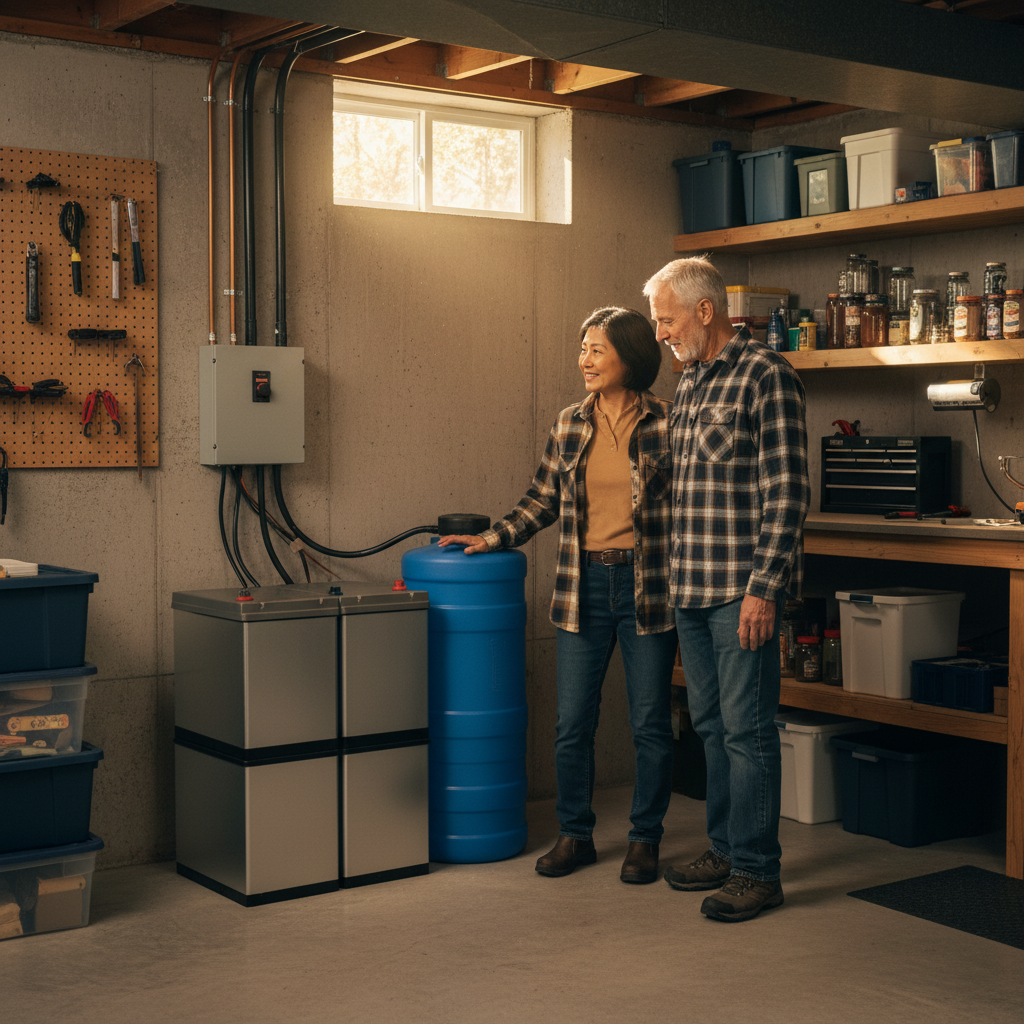
Real Ontario Example: Complete Emergency Prep Budget
Your home and situation:
- 70-year-old retired nurse, living alone in rural Ontario
- Home: $450,000 (free and clear)
- Experience: 2020 ice storm left you without power for 7 days; terrifying experience
- Goal: Never again caught unprepared
Vulnerability assessment:
- No backup power (high risk in rural area)
- No medical alert system (live alone; fall risk)
- 2 days of water supply only (insufficient)
- Backup heating: Old wood stove (dangerous; not maintained)
- Structural: Roof aging; susceptible to ice load damage
- Isolation: Nearest neighbor 0.5 miles; cell service spotty
Estimated emergency prep costs:
- Battery backup system (Tesla Powerwall + installation): $12,000
- Medical alert system (wearable + home device): $1,000
- Water storage + purification (1,000-gallon system): $5,000
- Backup heating upgrade (new safe propane heater): $3,500
- Structural reinforcement (roof bracing, window upgrades): $7,000
- Home automation (smart thermostat, lighting): $2,500
- Generator (secondary backup to battery): $5,000
- Supplies and contingency (first aid, tools, food): $2,000
- Total: $38,000
RM solution:
- Request $40,000 reverse mortgage
- Rate: 6.8% fixed
- Structure: $20,000 lump sum + $20,000 LOC (phased draws as work completes)
- Home value: $450,000; accessible ~$99,000; request $40,000 = 44% of accessible amount (conservative)
Outcome:
- Home is fully emergency-prepared for 3-week extended outage
- You can stay safely in place during any foreseeable emergency
- RM balance: $40,000 + interest; over 20 years (~6% compound annually), balance reaches ~$128,000 by age 90
- Home value (with improvements): ~$480,000
- Estate value: $480,000 – $128,000 RM payoff = $352,000 (still substantial inheritance)
Cost assessment: $40,000 now for peace of mind, safety, and independence for the next 20 years = $2,000/year for security. Most retirees find this worthwhile.
Avoiding Over-Engineering and Scope Creep
A common mistake: getting seduced into expensive, unnecessary systems.
Don't spend $40,000 on:
- Ultra-luxury home automation (smart wine fridge, heated toilet seat)
- Gold-plated systems (premium brands when mid-range performs identically)
- Redundancy on top of redundancy (dual backup power systems when one suffices)
- Military-grade survival bunker (overkill unless you genuinely live in high-risk area)
Do spend on:
- Life-critical systems (medical alert, backup power, water)
- Proven, user-friendly technology (brands with strong reviews, customer support)
- Local expertise (installers familiar with Ontario climate and building codes)
- Simplicity (systems you can actually operate when stressed or in crisis)
Budget discipline: Set a firm budget cap ($35,000–$40,000) and don't exceed it. Scope creep destroys even well-intended projects.
Tax and Insurance Implications
Home Improvements and Property Tax
Some emergency prep upgrades may increase your MPAC property assessment:
- Battery backup systems: Likely no impact (interior modification)
- Structural reinforcement: Possible impact (increased durability adds value)
- HVAC upgrades: Possible impact
Ask your MPAC assessor: "Will my emergency prep upgrades trigger a property tax reassessment?" Typically the answer is no unless you do a major structural overhaul.
Home Insurance and Emergency Resilience
Some insurers offer resilience discounts if your home has:
- Backup power system (reduces power-related losses)
- Seismic bracing or storm hardening (reduces structural damage)
- Advanced fire suppression or smoke detection
Check with your insurer: "Do you offer discounts for home emergency preparedness systems?" You may offset RM costs with insurance savings.

Decision Checklist: Should You Fund Emergency Prep with an RM?
Yes, if you:
- Are 60+, aging in place, planning to stay 20+ years
- Live alone or with a co-resident of similar age
- Have experienced regional emergencies (ice storms, power outages, water main breaks)
- Have home equity ($300,000+)
- Can afford the RM interest cost ($2,000–$3,000 annually)
- Are committed to testing and maintaining systems
No, if you:
- Plan to sell or move within 5 years (RM closing costs make it inefficient)
- Live in urban area with <10 minute emergency response times (risk lower)
- Have family or neighbors who provide rapid emergency support
- Are already heavily indebted
- Are uncomfortable with debt on your home
Final Thought: Emergency Prep Is Self-Care
Funding your home's emergency preparedness isn't excessive or paranoid. It's pragmatic self-care: investing in your safety and independence.
For aging-in-place seniors, a well-equipped home is the difference between thriving independently and being forced into assisted living or institutional care after a single emergency.
A reverse mortgage makes this investment affordable. By deploying $35,000–$40,000 on emergency systems, you're potentially buying 20 years of safe, independent living in your home—a quality-of-life investment that compounds over decades.
If you're aging in place in Ontario and haven't seriously considered emergency preparedness, a reverse mortgage for these upgrades is worth discussing with your financial advisor and lender.
Ready to Learn More?
Get the free Ontario Reverse Mortgage Guide and find out exactly how much you could unlock from your home.
Get My Free Guide →Related Articles
Reverse Mortgage for Climate Resilience and Severe Weather Home Upgrades
Use a reverse mortgage to fund climate-resilient home upgrades in Ontario — sump pumps, backup power, storm hardening, and flood protection.
Read →Aging in Place with a Reverse Mortgage: Home Modification Guide
How Ontario seniors can fund aging-in-place home modifications with a reverse mortgage — costs, top modifications, grants, and a complete planning guide.
Read →Reverse Mortgage for Smart Home Technology: Aging in Place Safety
Fund smart home safety systems with a reverse mortgage. Install fall detection, voice controls, and monitoring systems for secure aging in place in Ontario.
Read →