
Reverse Mortgage for Community Volunteering and Part-Time Work Funding
Fund volunteering training, part-time work startup, and community engagement with a reverse mortgage. Stay active and purposeful in retirement.
What if lack of startup capital was the only thing preventing you from volunteering or starting a meaningful part-time venture? Many Ontario retirees want to contribute to their communities through volunteering or part-time work, but initial training costs, certifications, or equipment expenses feel prohibitive. A reverse mortgage can fund these startup costs, enabling purposeful, engaged retirement while potentially generating supplemental income.

The Volunteer Economy in Retirement
Volunteering is one of the most rewarding aspects of retirement. According to Statistics Canada, 42% of Canadians 65+ volunteer, and those who do report significantly better mental health and life satisfaction than those who don't.
Meaningful volunteer opportunities in Ontario include:
- Mentoring youth (education, career guidance)
- Community board service (libraries, parks, nonprofits)
- Hands-on roles (food banks, environmental cleanup)
- Professional volunteering (using your career expertise)
- Faith-based service (spiritual communities)
- Advocacy and policy (seniors' rights, community improvement)
Many positions require initial training, certifications, or equipment investments. A reverse mortgage removes this barrier.
Startup Costs for Volunteering and Part-Time Work
Here's what Ontario volunteers and part-time workers typically invest:
| Opportunity | Training/Setup Cost | Annual Costs | Income Potential |
|---|---|---|---|
| Real estate agent (part-time) | $2,000–$5,000 (course + license) | $500–$2,000 | $10,000–$50,000/year |
| Private tutor | $500–$2,000 (certification) | $200–$800 | $5,000–$25,000/year |
| Court-appointed volunteer advocate | $300–$800 (training) | $0–$200 | $0 (volunteer) |
| Food bank coordinator | $200–$500 (training) | $0–$500 | $0 (volunteer) |
| Nonprofit board member | $0–$500 (orientation) | $0–$300 | $0 (volunteer) |
| Craft/art instructor | $1,000–$3,000 (materials, space) | $500–$1,500 | $8,000–$30,000/year |
| Bookkeeping/accounting consultant | $500–$2,000 (software, training) | $300–$1,000 | $10,000–$40,000/year |
| Senior companion/befriending | $200–$600 (training) | $0–$300 | $0 (volunteer) or $3,000–$15,000 (paid) |
| Environmental restoration volunteer | $100–$400 (training) | $0–$200 | $0 (volunteer) |
For most retirees, volunteer training ($200–$800) is affordable. But part-time work startup costs ($2,000–$5,000) often feel prohibitive. A reverse mortgage removes this obstacle.
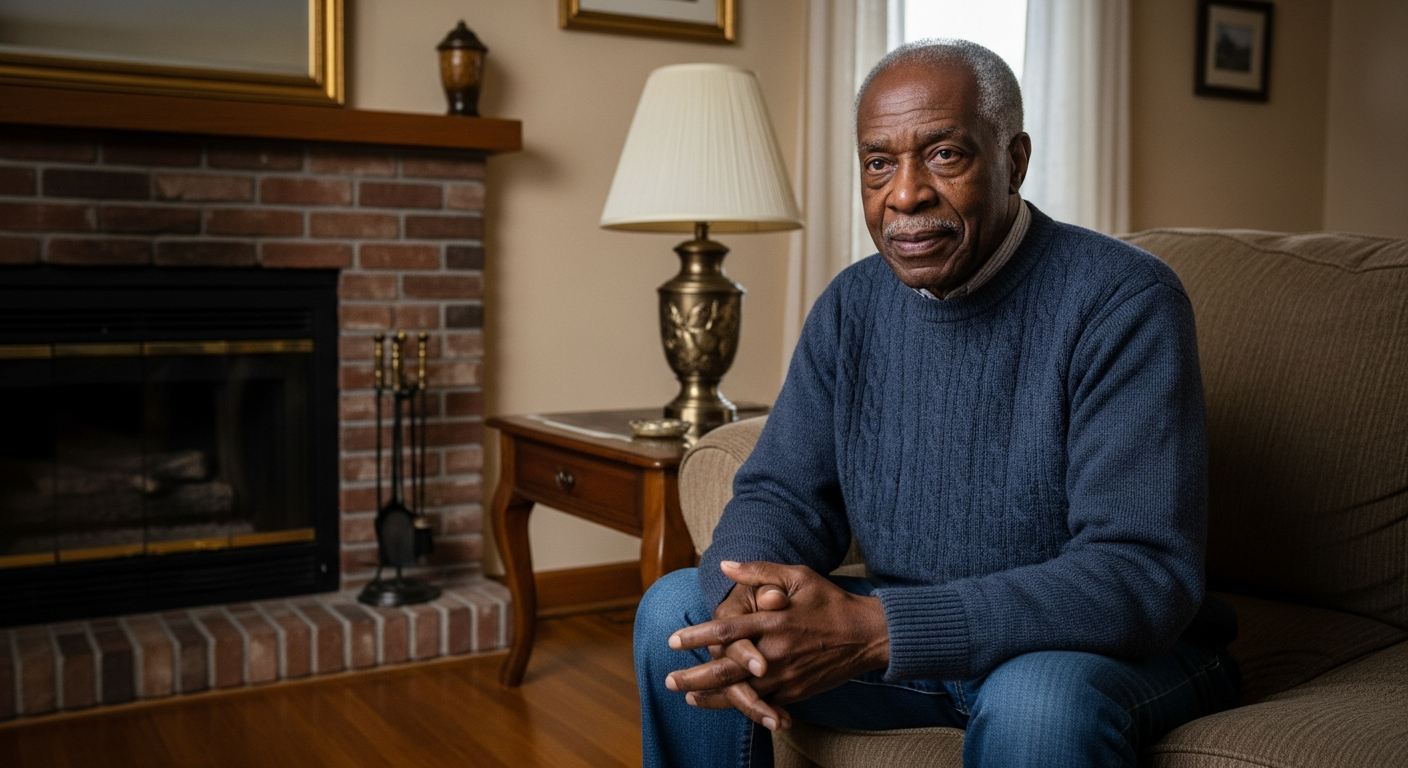
Real Example: Robert's Consulting Transition in Hamilton
Robert, 68, retired from a 35-year career in engineering. He missed work but didn't want full-time employment. He discovered that local nonprofits and small businesses needed engineering consulting.
Robert's startup costs:
- Professional liability insurance: $1,200/year
- Consulting licensing/registration: $500
- Website and marketing materials: $2,000
- Office equipment and software: $1,500
- Professional development course: $800
- Total startup: $6,000
Robert was hesitant to spend $6,000 from savings. His daughter mentioned reverse mortgages. Robert's Hamilton home was valued at $520,000. He accessed $8,000 through a reverse mortgage, covering his startup costs plus a buffer.
Within the first year, Robert had three consulting clients, generating $18,000 in income. His monthly reverse mortgage interest cost was approximately $43. His consulting income easily covered that cost while providing meaningful work and supplemental retirement income.
Robert said: "The reverse mortgage gave me the confidence to start consulting. Without that initial $6,000, I would still be at home wondering 'what if?'"
Types of Meaningful Opportunities You Could Fund
Pure Volunteer Roles: ✓ Community board service (nonprofits, libraries, civic boards) ✓ Food bank or soup kitchen work ✓ Mentoring programs ✓ Senior companion/befriending ✓ Environmental restoration ✓ Community advocacy and policy work
Paid or Optional-Pay Roles: ✓ Private tutoring or teaching ✓ Consulting using your professional expertise ✓ Craft instruction (art, music, writing) ✓ Tour guide or travel companion ✓ Grant writing or nonprofit support ✓ Bookkeeping for small businesses
Self-Employed Part-Time Work: ✓ Real estate (part-time agent) ✓ Photography (events, family sessions) ✓ Freelance writing or editing ✓ Bookkeeping or tax preparation ✓ Handyman or home services ✓ Virtual assistant services
The Multiple Payoffs of Volunteer Work
The value of volunteer work extends far beyond income (where applicable):
Health Benefits:
- Reduced depression and anxiety
- Better cognitive function
- Lower mortality rates
- Increased physical activity
- Greater sense of purpose
Social Benefits:
- Stronger community connections
- Expanded social circle
- Intergenerational relationships
- Sense of belonging and contribution
- Reduced isolation
Financial Benefits:
- Part-time income generation
- Professional development
- Maintained career relevance
- Potential business connections
- Tax deductions (if self-employed)
According to the American Psychological Association, retirees who volunteer or work part-time report higher life satisfaction and better overall health than those who don't.
Integrating Volunteer Work Into Aging in Place
Volunteer work and part-time employment support aging in place by:
- Maintaining purpose — beyond retirement activities
- Generating income — supplementing fixed pensions
- Providing structure — meaningful schedule and routine
- Building community — connection to people and causes
- Preserving skills — continued use of professional knowledge
- Supporting mental health — engagement and cognitive stimulation
How a Reverse Mortgage Funds Your Startup
A reverse mortgage provides:
- Upfront capital for training, licensing, equipment
- No monthly payments — startup funded without new debt burden
- Flexible timeline — funds accessible whenever you need them
- Potential income offset — part-time work income offsets interest costs
For a typical Ontario homeowner with a $600,000 home, borrowing $5,000–$8,000 for volunteering startup leaves $325,000+ in remaining available equity.
Tax Implications of Volunteer Work
Pure volunteering (no income):
- No income reported
- No tax consequences
- Reverse mortgage proceeds are not taxable
Part-time work or consulting income:
- Income is reportable on tax return
- May be subject to business deductions
- Could affect OAS (if high income)
- Reverse mortgage proceeds themselves are not taxable
Consult with an accountant about your specific situation if planning part-time income work.
According to the Canada Revenue Agency, income from consulting or part-time work is taxable. However, you can deduct legitimate business expenses, which often makes self-employment very tax-efficient.
Getting Started
- Identify volunteer opportunities in your community (local nonprofits, websites like VolunteerCanada.ca)
- Assess startup costs (training, certifications, equipment)
- Calculate potential income (if applicable)
- Get home appraised for reverse mortgage borrowing power
- Get reverse mortgage quotes from 2-3 lenders
- Plan your timeline (when will you start?)
- Consult with a tax professional if planning income-generating work
Speak with Rick Sekhon, a licensed reverse mortgage specialist in Ontario, about funding your volunteer or part-time work startup.
Frequently Asked Questions
Can I get a reverse mortgage just to fund volunteering?
Yes. Lenders support quality-of-life improvements and purposeful retirement activities. Volunteer training and startup costs are valid uses.
What if the part-time work doesn't generate income as expected?
The reverse mortgage isn't dependent on income. Whether you earn money or volunteer purely, the loan exists regardless. However, successful part-time work often pays for the interest cost within the first year.
Does volunteer work or part-time income affect OAS or GIS?
Volunteer work (unpaid) doesn't affect benefits. Part-time income does count toward your net income for means-tested benefits. High income could trigger OAS clawbacks. Consult with a tax professional.
Can I change my mind and do something different if volunteer work doesn't suit me?
Yes. The reverse mortgage funds are yours to use. If volunteer work doesn't work out, you can use remaining funds for other purposes.
How does part-time work interact with CPP benefits?
If you receive CPP retirement benefits, you can earn income without losing CPP. However, CPP is clawed back if you earn above certain thresholds ($6,958 in 2026). Consult with Service Canada or a financial advisor.
Can I volunteer in other provinces if I have an Ontario reverse mortgage?
Yes. Your reverse mortgage is secured against your Ontario home. You can volunteer anywhere in Canada (or worldwide). However, if you move permanently, the mortgage may become due.
Conclusion: Purpose, Community, and Financial Security
Retirement is an opportunity to contribute to your community in ways you couldn't during your working years. Whether volunteering purely or combining volunteer work with part-time income, purposeful engagement improves mental health, extends longevity, and strengthens community bonds.
A reverse mortgage removes the financial barrier to starting. By investing in volunteer training or part-time work startup now, you're investing in a more engaged, purposeful, and healthy retirement—and potentially generating income that supports your financial security.
Ready to explore how a reverse mortgage could fund your volunteer or part-time work goals? Get your free Ontario Reverse Mortgage Guide →
Ready to Learn More?
Get the free Ontario Reverse Mortgage Guide and find out exactly how much you could unlock from your home.
Get My Free Guide →Related Articles
Reverse Mortgage for Active Retirement (Age 55–65): Funding Travel and Lifestyle
Early retirees (55–65) face a unique challenge: long lifespan, high lifestyle costs, portfolio longevity. Learn how a reverse mortgage can fund active retirement adventures without portfolio depletion.
Read →Reverse Mortgage to Fund Lifelong Learning: Community Programs and Courses
Fund lifelong learning programs, university courses, and community education with a reverse mortgage. Keep your mind active in retirement.
Read →Reverse Mortgage for Home Office Setup: Creating a Productive Retirement Workspace
Fund your home office with a reverse mortgage. Create a productive retirement workspace for consulting, hobbies, or part-time work in Ontario.
Read →