
Reverse Mortgage for Caring for Your Aging Sibling: When You're the Primary Caregiver
Supporting an aging sibling financially while caring for them at home? A reverse mortgage provides funding for sibling care costs in Ontario.
Are you the adult sibling stepping in to care for an aging brother or sister? Unlike parent-child caregiving dynamics, sibling care often comes with unique financial pressures: you may have your own children at home, aging parents elsewhere, and limited family support infrastructure. A reverse mortgage can unlock the home equity you've built to fund in-home care for your sibling—allowing them to stay in a comfortable, familiar environment while protecting your own retirement savings.
This article is for educational purposes only and does not constitute financial advice.
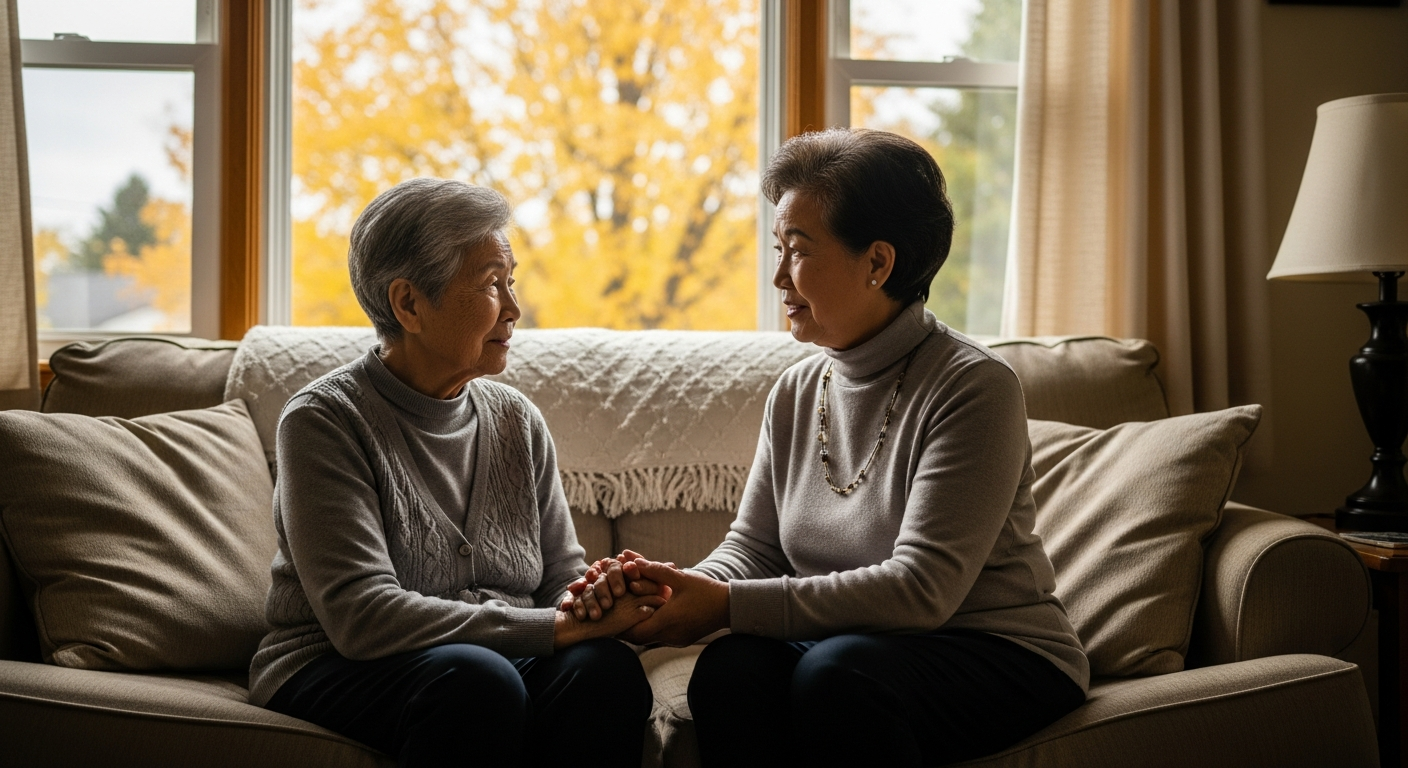
The Growing Reality of Adult Sibling Caregiving
Adult sibling care is becoming increasingly common in Canada. According to recent research, siblings are now the primary caregivers in an estimated 30–40% of non-spousal caregiving situations, particularly when parents are deceased or unavailable. This shift reflects longer lifespans, geographic distance between adult children, and changing family structures.
Why Sibling Caregiving Happens
| Reason | Frequency | Impact |
|---|---|---|
| Parents deceased | Most common | Sibling becomes next of kin |
| Sibling disability or chronic illness | Very common | Long-term care responsibility |
| Geographic proximity | Common | One sibling lives nearest |
| Existing caregiving skills | Common | Nurse, healthcare worker in family |
| Spousal unavailability | Growing | Sibling steps in if spouse cannot help |
| Financial capacity | Common factor | One sibling can afford caregiving |
Sibling caregiving differs from parent-child care: there's often no legal guardianship, shared decision-making is required with other siblings, and the emotional dynamics are different. Many adult siblings report feeling uniquely isolated—not recognized as "family caregivers" in the same way parent-care providers are—and often bearing costs that other siblings don't acknowledge.
The Hidden Costs of Sibling Care at Home
Caring for an aging sibling in your home comes with substantial out-of-pocket expenses. Unlike parent care, where adult children may inherit or expect reciprocal support, sibling care is often uncompensated.
Typical Sibling Care Expenses
| Category | Cost Range (Annual) | Details |
|---|---|---|
| In-home care services | $15,000–$50,000+ | PSW support, daily living assistance |
| Medical equipment | $3,000–$15,000 | Mobility aids, accessible bathroom, hospital bed |
| Home modifications | $5,000–$30,000 | Ramps, widened doorways, accessible kitchen |
| Medications & supplements | $2,000–$8,000 | Chronic disease management |
| Food & nutrition | $3,000–$6,000 | Specialized diets, meal prep services |
| Transportation | $2,000–$5,000 | Medical appointments, outings |
| Adult day programs | $5,000–$12,000 | Daytime supervision while you work |
| Emergency modifications | $2,000–$10,000 | Bathroom grab bars, railing installation |
Many siblings report spending $25,000–$60,000+ annually on sibling care while simultaneously supporting their own children and aging parents. A reverse mortgage provides a way to fund these costs without decimating your own retirement savings or depleting your children's inheritance.
According to Caregiver Action Network Canada, adult siblings providing care spend an average of $400–$800/month on direct care costs, with many reporting financial strain and delayed retirement as a result.
How a Reverse Mortgage Funds Sibling Care
A reverse mortgage unlocks your home equity to cover sibling care expenses—without selling your home or disrupting your retirement. You remain the homeowner; your sibling receives the care they need; and the loan is repaid when the home is sold or your estate settles.
Reverse Mortgage Funding Steps
- Apply for a reverse mortgage (age 55+, primary homeowner in Ontario)
- Get approved — typically $50,000–$200,000+ available
- Choose your draw structure — lump sum for immediate needs, or line of credit for ongoing expenses
- Use funds for sibling care — in-home care services, medical equipment, home modifications
- Remain in your home — no requirement to sell, downsize, or move
- Repay when ready — loan due when home is sold or you pass away
Because reverse mortgage proceeds are classified as loan advances (not income), there's no tax impact for you or your sibling. Your sibling's social assistance or disability benefits won't be affected by receiving care funded this way.
Reverse Mortgages vs. Other Sibling Care Funding Options
You have several options to fund sibling care. A reverse mortgage is one strategic choice among several.
Comparison: Funding Methods
| Option | Pros | Cons | Best For |
|---|---|---|---|
| Reverse Mortgage | No monthly payments; flexible access; fast funding | Interest accrues; reduces estate | Ongoing care, uncertain timeline |
| Personal Loan | Quick approval; fixed repayment | Requires income verification; monthly payment burden | Short-term, specific costs |
| Home Equity Line of Credit (HELOC) | Lower interest rate; flexible | Requires income; monthly payments | Homeowners with strong income |
| Selling assets | No new debt | Liquidates investments; tax implications | One-time major costs |
| Asking other siblings for help | Shares burden fairly | May strain relationships; some refuse | Explicitly discussed care plan |
For most primary caregivers supporting an aging sibling long-term, a reverse mortgage offers the best combination of flexibility, speed, and no monthly payment burden—critical when you're already managing caregiving responsibilities alongside work and family.
According to FSRAO (Financial Services Regulatory Authority of Ontario), reverse mortgages are increasingly used by primary caregivers to fund in-home care for disabled or elderly relatives without creating monthly payment obligations.
Legal and Financial Considerations for Sibling Caregiving
Sibling caregiving comes with unique legal and financial complexities that a reverse mortgage can help manage.
| Issue | Consideration | Solution |
|---|---|---|
| No legal guardianship | Sibling is autonomous; shared decisions needed | Document care arrangements with siblings |
| Other siblings' opinions | They may disagree with in-home care funding | Discuss reverse mortgage funding before applying |
| Estate implications | Reverse mortgage reduces what siblings inherit | Be transparent about debt; update will |
| Cost recovery | Can you expect reimbursement from sibling's assets? | Clarify in advance; document agreements |
| Sibling's benefits | Disability, CPP-D, social assistance | Care funded by reverse mortgage won't affect benefits |
The most important step: communicate with other siblings early. When they understand that a reverse mortgage is keeping your aging sibling at home (often preferred) and that the loan will be settled from your estate after you pass, most will accept the arrangement. Many will feel relief that they're not bearing caregiving responsibility themselves.
Consult an estate planning lawyer for advice specific to your family situation.
Quick Reference: Sibling Care Reverse Mortgage Strategy
| Question | Answer |
|---|---|
| Who qualifies | You (the caregiver) must be 55+; you must own the home |
| Sibling must meet criteria | Your sibling doesn't need to qualify — you're the borrower |
| Maximum available | $50,000–$300,000+ depending on home value and age |
| Interest rate | ~7.5%–8.5% (varies by lender) |
| Monthly payments | None required during your lifetime |
| Best for | Ongoing, long-term sibling care costs |
Frequently Asked Questions
What if my sibling doesn't want to live with me?
A reverse mortgage can fund assisted living, a long-term care home, or a rental apartment where your sibling lives independently while you manage their care coordination from a distance. The funds are flexible—use them however your sibling's care plan requires.
Will my sibling's disability or social assistance benefits be affected?
No. Reverse mortgage funds are classified as loans, not income. Your sibling's disability benefits, CPP-D, or social assistance won't be reduced because you're funding their care this way.
Can other siblings force me to sell the home to recover caregiving costs?
This is a complex legal question that depends on your province's family law. Update your will to reflect the reverse mortgage balance and clarify how it should be handled. Consult with an estate lawyer before applying for the reverse mortgage.
What if my sibling outlives me? Who handles the care then?
This is critical planning. Ensure you have a care plan documented for your sibling's ongoing support if something happens to you. Consider naming a trusted co-caregiver or guardian. The reverse mortgage balance will be repaid from your estate; subsequent care costs are your sibling's responsibility and may involve long-term care facilities or other family support.
Is there a better option than a reverse mortgage?
Compare with a traditional HELOC (if you have strong income) or personal loan (if you need short-term funding). Speak with Rick Sekhon, a licensed reverse mortgage specialist in Ontario, to assess which option best fits your caregiving timeline.
Speak to a licensed mortgage professional. Independent legal advice is required before closing a reverse mortgage in Ontario.
The Bottom Line: Honoring Your Sibling Care Commitment
Caring for an aging sibling is a profound act of love—and it deserves financial support that doesn't destroy your own retirement. A reverse mortgage honors your commitment while protecting your financial future. You stay in your home, your sibling receives dignified care, and the costs are managed responsibly.
This is particularly important in Ontario, where in-home care can extend a sibling's independence and quality of life for years—a gift that's often worth the cost of a reverse mortgage.
Explore aging in place strategies →
Get your free Ontario Reverse Mortgage Guide →
This content is for illustrative purposes only. Rates may vary. Call Rick Sekhon for the best rates and more information.
Ready to Learn More?
Get the free Ontario Reverse Mortgage Guide and find out exactly how much you could unlock from your home.
Get My Free Guide →Related Articles
Reverse Mortgage for Caregivers: Fund In-Home Care in Ontario
Ontario seniors caring for a spouse or partner at home can use a reverse mortgage to fund professional in-home care, home modifications, and medical costs without selling.
Read →The Sandwich Generation: Reverse Mortgages for Multi-Parent Care in Ontario
Caring for aging parents from different homes? Learn how reverse mortgages help sandwich generation adults fund in-home care, assisted living, or supporting multiple parents simultaneously.
Read →Using a Reverse Mortgage to Care for Your Aging Parent: Adult Child's Guide
How to help aging parents stay in their home using a reverse mortgage. Guide for adult children navigating care costs, home modifications, and financial planning.
Read →