
Aging Together: Reverse Mortgage to Help Couples Stay in Their Home
For couples aging together, a reverse mortgage enables one spouse to manage care for the other while staying in your shared home. Here's how it works and what to plan for.
You and your spouse built a life together in your Ontario home. As you both age, one of you may need increasing care—mobility assistance, medical oversight, memory support. The option everyone fears: moving to a care facility or moving in with adult children. A reverse mortgage can fund in-home care, home modifications, and support services that allow both of you to stay in your home together through aging, even if one spouse needs significant care.
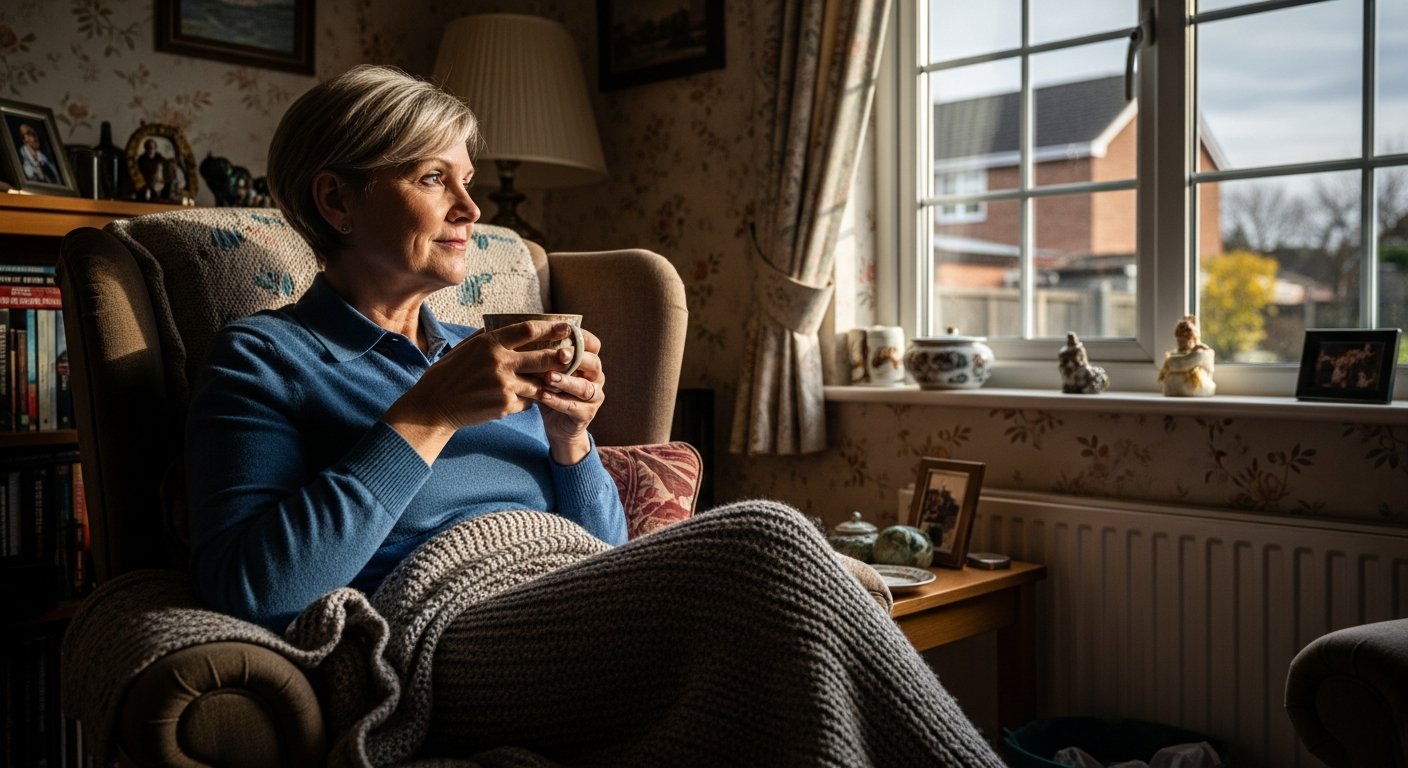
Why Couples Care About Staying Home Together
For couples who've shared a home for 30–50+ years, the idea of being separated into different care settings feels like a disaster. The options they fear:
- One spouse moves to long-term care while the other stays home alone
- Both move to a retirement community (high cost; loss of independence)
- One spouse moves in with adult children; the other ages alone at home
- One spouse becomes a caregiver and sacrifices their own health and independence
Many couples, given accurate information and support, can stay together at home with the right financial and care resources. A reverse mortgage provides the financial piece.
The Cost of In-Home Care for Aging Couples
When one spouse needs significant care, options include:
Full-time private home care:
- Cost: $20–$30/hour, 8–24 hours daily
- Monthly cost for 16 hours/day: $4,800–$7,200
- Annual cost: $57,600–$86,400
- Multi-year cost (10 years): $576,000–$864,000
Part-time care + caregiver spouse managing rest:
- Cost: $12–$16/hour, 4–8 hours daily
- Monthly cost for 6 hours/day: $2,160–$2,880
- Annual cost: $25,920–$34,560
- Multi-year cost (10 years): $259,200–$345,600
Subsidized/public care (if available):
- Cost: $0–$5/hour, limited hours (2–4 daily)
- Waiting lists in Ontario: 1–3 years common
- Not guaranteed available when needed
- Often insufficient for complex care needs
For most Ontario couples, some combination of public and private care is realistic. The gap between what's publicly available and what's needed is filled by private payment.
A reverse mortgage funds this gap, allowing couples to afford the care needed to stay together at home.
Real-World Example: Frank and Eleanor
Frank and Eleanor, both 72, lived in a 3-bedroom semi in London, Ontario. They'd been married 48 years. Frank had Parkinson's disease, diagnosed 10 years earlier. Eleanor was his primary caregiver, assisted by adult children and public support.
By age 72, Frank needed:
- Morning assistance with showering and dressing (mobility deteriorating)
- Medication management and reminders
- Mobility assistance (walker, occasional wheelchair)
- Evening care and bathroom support
- Supervision at night (risk of falls)
Eleanor, while healthy, was exhausted from 24/7 caregiving. She had her own health concerns (blood pressure, stress) that were worsening from the physical and emotional strain.
Their options:
| Option | Cost/Year | Outcome |
|---|---|---|
| Status quo (Eleanor as primary caregiver) | $0 | Eleanor's health deteriorates; Frank's needs escalate; marriage suffers under strain |
| Full-time private care | $80,000–$100,000 | Expensive; drains savings; depletes resources for other needs |
| Frank moves to long-term care facility | $65,000–$85,000 | Separates couple; Eleanor alone at home; home becomes unnecessarily large; relationship changes |
| Reverse mortgage for partial care | $35,000–$45,000 funding 20–24 hours/week private care | Couple stays together; Eleanor gets respite; Frank ages in place with dignity |
Their choice: Reverse mortgage.
They accessed $80,000 via reverse mortgage (they owned their $420,000 home outright). They used it to fund:
- In-home care: 20 hours/week ($20/hour) = $20,000/year
- Home modifications for mobility: $12,000 (grab bars, ramp, widened doorway, raised toilet seats)
- Remaining funds: emergency reserve for escalating care needs as Parkinson's progresses
Result: Eleanor was able to reduce her caregiving from 24/7 to part-time, managing mornings and evenings while hired caregivers helped with heavy physical care during midday. She slept better, her stress decreased, and their marriage stabilized. Frank stayed home, in the environment he knew, with his wife.
The cost: The $80,000 reverse mortgage at 6.54% compound interest will grow to approximately $140,000 by year 10. But the home is worth $420,000. When they eventually sell (after Frank's passing or if they move to care), the balance will be paid from sale proceeds. The cost of keeping the couple together through Frank's aging? Completely manageable in the context of their home equity.
Planning Your Reverse Mortgage as an Aging Couple
If you and your spouse are aging together and considering how to fund care, here's the planning framework:
Step 1: Assess Care Needs Realistically
Don't minimize or exaggerate. Meet with:
- Your family physician (what care is actually needed?)
- A home care coordinator (what's publicly available vs. what you'll pay for?)
- A physical/occupational therapist (what home modifications enable independence?)
Questions to answer:
- What can the healthy spouse reasonably manage without health consequences?
- What requires professional help?
- What timeline are we looking at? (Care needs often escalate gradually)
- What's the best-case and worst-case scenario for care needs?
Step 2: Model the Cost
Project realistic care costs over the next 5, 10, and 15 years:
| Year | Public Care Available | Private Care Needed | Monthly Cost | Annual Cost |
|---|---|---|---|---|
| Year 1 | 4 hrs/week | 10 hrs/week | $2,000 | $24,000 |
| Year 3 | 4 hrs/week | 20 hrs/week | $4,000 | $48,000 |
| Year 5 | 4 hrs/week | 30 hrs/week | $6,000 | $72,000 |
| Year 7 | 4 hrs/week | 40 hrs/week + overnight | $9,000 | $108,000 |
Total 7-year cost (private care portion): ~$42,000 + $48,000 + $72,000 + $108,000 = $270,000
This is what you need to fund. A reverse mortgage for $150,000–$200,000 covers a significant portion.
Step 3: Understand Spousal Rights and Ownership
In Ontario, there are important protections for spouses:
- Matrimonial home exemption: If the home is the "matrimonial property" (where you've been living as a couple), the non-dependent spouse can't be forced to leave even if a reverse mortgage is taken
- Spousal rights: If one spouse dies, the surviving spouse has rights to remain in the home even if it has a reverse mortgage
- Joint vs. sole ownership: Matters for what happens after one spouse dies
Consult an estate lawyer to ensure your ownership structure (joint, sole, or common law) is clear and your reverse mortgage documents protect both spouses' interests.
Step 4: Choose the Right Reverse Mortgage Structure
For aging couples, some considerations:
Joint mortgage vs. individual mortgage:
- Joint: Both spouses are borrowers; either can access funds; balance is tied to both of you
- Individual: One spouse is the borrower; if that spouse dies, the surviving spouse may need to renegotiate
- Most couples choose joint for simplicity and flexibility
Fixed vs. variable rate:
- Fixed: Predictable cost; good if you plan a multi-year draw-down for care
- Variable: Lower rate initially; risky if rates spike and care needs are escalating
- For couples funding care over 5–10 years, fixed rate provides better planning certainty
Lump sum vs. line of credit:
- Lump sum: All funds available immediately; interest starts accruing
- Line of credit: Draw as care needs escalate; interest only on amounts used
- For couples anticipating gradual care escalation, line of credit is usually better
Step 5: Create a Care Escalation Plan
Aging couples often face escalating care needs. Plan for it:
Years 1–3 (Early needs):
- Hired help: 10–15 hours/week
- Home modifications: grab bars, accessibility
- Budget: $30,000–$40,000 from reverse mortgage
Years 4–6 (Moderate needs):
- Hired help: 25–30 hours/week
- Possible overnight care added
- Medical equipment: scooter, wheelchair, lift
- Budget: additional $50,000–$70,000
Years 7+ (Advanced needs):
- Possible transition to full-time care or facility
- Or: continued home-based care with 40+ hours/week professional support
- Budget: additional $50,000–$100,000 or facility costs
Having this escalation plan prevents the shock of "we didn't realize care would cost this much" when needs intensify.
The Caregiver Spouse: Managing Your Own Health
A critical consideration often overlooked: the health of the spouse doing informal caregiving.
Research shows caregiver burden (particularly for spouses managing partners with Parkinson's, Alzheimer's, or stroke) leads to:
- Depression and anxiety
- Physical health decline (worsening blood pressure, sleep deprivation, weight changes)
- Marital strain
- Reduced lifespan for the caregiver
A reverse mortgage that funds professional care gives the caregiver spouse:
- Respite: time to rest, pursue personal interests, maintain friendships
- Health protection: reduced stress, better sleep, ability to exercise
- Relationship preservation: the marriage isn't consumed by caregiving burden
This is not selfish—it's essential. The couple ages better together when both are supported.
What Happens if One Spouse Dies First?
A critical conversation aging couples must have (and often avoid):
Scenario: You and your spouse take a $120,000 reverse mortgage. Your spouse dies 5 years later. The reverse mortgage balance is now approximately $165,000 (interest has compounded). You're now alone in a home with a reverse mortgage.
What happens next?
- You can keep the home; the reverse mortgage remains
- You keep accessing the line of credit if needed (for your own care, home maintenance)
- The balance continues growing with interest
- Eventually (when you move, downsize, or pass), the home is sold and the reverse mortgage is repaid from proceeds
Important protections:
- In Ontario, the surviving spouse isn't forced to leave the matrimonial home even with a reverse mortgage
- You have time to decide whether to stay, downsize, or move
- The reverse mortgage can be managed over your remaining lifespan
What you should plan:
- Understand the reverse mortgage balance at that time
- Ensure your will directs how the home and reverse mortgage are handled
- Talk with adult children so they're not blindsided by the reverse mortgage after your spouse's death
Planning for Your Own Later Years
Many surviving spouses realize, after their partner's death, that they want different housing. They might:
- Move to a condo (less maintenance)
- Downsize to a smaller home
- Move near an adult child
- Enter a retirement community
A reverse mortgage doesn't lock you into staying. You retain full flexibility to move or sell whenever you choose.
Managing the Reverse Mortgage as a Couple
If you take a reverse mortgage to fund aging-in-place care:
1. Use a line of credit, not a lump sum
- Draw as care needs escalate
- Minimize interest cost by borrowing only when needed
2. Track spending and borrowing
- Each year, review: How much have we drawn? What remains? How is compound interest affecting the balance?
- Adjust care plan based on actual spending patterns
3. Communicate with adult children
- Tell them about the reverse mortgage and why
- Explain the care plan so they understand it's strategic, not desperate
- Involve them in care decisions if appropriate
4. Update your will and estate plan
- Your reverse mortgage affects what's available for inheritance
- Ensure your will directs how the home/balance are handled
- Consider life insurance if you want to offset the inheritance reduction
5. Plan for long-term care transition
- If both spouses eventually need facility care, the home will be sold and the reverse mortgage repaid
- Understanding this timeline prevents panic later
When Staying Home Isn't Possible
Not every couple can stay home together. Consider facility care if:
- One spouse needs 24/7 medical care (dialysis, ventilator, complex wounds) that's unsafe to manage at home
- The care costs would exceed reasonable levels (even with reverse mortgage)
- The healthy spouse's own health is collapsing from caregiving burden
- The home itself isn't suitable for necessary modifications
In these cases, a reverse mortgage might fund a retirement community or care facility instead of in-home support. The tool is flexible; the goal is maintaining quality of life for both partners.
The Bottom Line
For couples aging together, a reverse mortgage can be the difference between staying in your shared home with dignity or being separated into different care settings. It funds the care, modifications, and support that allow both partners to age in place together.
The cost—compound interest on borrowed funds—is often worthwhile for the ability to maintain your home, your independence, and your partnership through aging.
If you and your spouse are aging and concerned about care costs, explore how a reverse mortgage could help you stay together in your home.
Ready to Learn More?
Get the free Ontario Reverse Mortgage Guide and find out exactly how much you could unlock from your home.
Get My Free Guide →Related Articles
Reverse Mortgage to Pay for Home Care in Ontario (2026 Guide)
Learn how Ontario seniors use a reverse mortgage to pay for home care costs. Compare care options, funding strategies, and what's covered in 2026.
Read →Reverse Mortgage for Healthcare Costs: Aging in Place in Ontario
How Ontario seniors use a reverse mortgage to fund home care, medical equipment, prescriptions, and healthcare expenses — and stay in their home longer.
Read →Fund Home Modifications to Age in Place: Ontario Guide
Discover how a reverse mortgage can finance accessibility upgrades, care services, and renovations to stay safely in your Ontario home as you age.
Read →