
Reverse Mortgage After Divorce: Financial Guide for Ontario Seniors
How a reverse mortgage can help divorced or separated seniors in Ontario access home equity without monthly payments. Includes equalization agreements and property division considerations.
Grey divorce — the term for separation or divorce among seniors age 55+ — is on the rise in Canada. An estimated 80% more seniors divorced in the last 15 years compared to the 1990s.
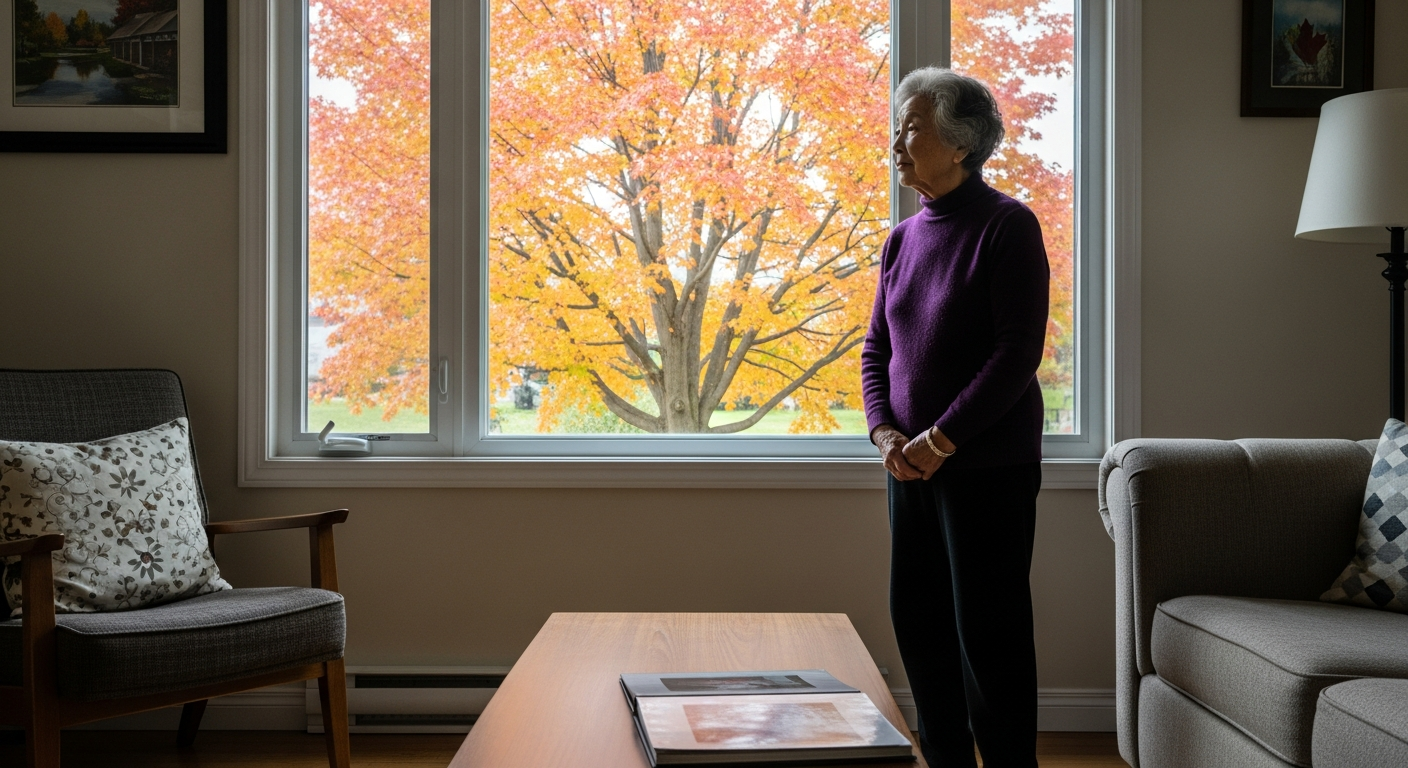
A late-life divorce often leaves seniors with reduced retirement savings, a home that must be divided or refinanced, and limited time to rebuild wealth before retirement. A reverse mortgage can be a strategic tool to recover financial stability.
The Financial Impact of Divorce for Ontario Seniors
Common Financial Challenges After Divorce
When a long marriage ends, both spouses typically face:
- Equalization of property: In Ontario, married couples must divide matrimonial property equally. A home worth $500,000 may be divided 50/50, leaving each person with $250,000 in equity — but often one spouse keeps the home and must pay the other spouse their share
- Loss of dual income: If one spouse received spousal support, the loss of that income after divorce or death of the paying spouse is sudden
- Home equity freeze: If you keep the marital home, your ex-spouse has a claim on half its value. You cannot easily borrow against that equity or sell without settling their claim
- Retirement savings depletion: Legal fees, mediation costs, and equalization payments can consume significant savings
- Reduced standard of living: One home is more expensive to maintain than the couple's combined household — utilities, property tax, insurance, and maintenance costs can strain a fixed income

Example: Sarah's Situation
Before divorce:
- Home value: $700,000
- Both spouses working (combined income: $140,000)
- Mortgage paid off
- Savings: $250,000 combined
After divorce (Ontario equalization):
- Home value: $700,000 (still her home)
- She must pay ex-spouse: $350,000 (his 50% share of the home equity)
- To settle this, Sarah has three options:
- Sell the home (emotional, forced downsizing)
- Get a traditional mortgage to refinance (but at 67, few lenders will approve)
- Use a reverse mortgage to access equity without monthly payments
With a reverse mortgage:
- Sarah can borrow up to 55% of $700,000 = $385,000
- She pays ex-spouse the $350,000 settlement
- She retains her home and has $35,000 remaining
- No monthly payments (critical at age 67 with limited employment income)
How a Reverse Mortgage Solves Post-Divorce Financial Problems
Settlement and Equalization
If your ex-spouse has a claim on your home's equity due to the divorce settlement:
Option 1: Reverse Mortgage Settlement
- Borrow against your home equity using a reverse mortgage
- Use the funds to pay your ex-spouse's settlement
- You keep the home, no monthly payments
Option 2: Refinance and Buy Them Out
- Traditional mortgage at a higher rate with monthly payments
- More difficult to qualify for at age 65+
Option 3: Sell and Downsize
- Forces you from your home (emotional cost)
- May reduce your sense of security and independence
A reverse mortgage is often the least disruptive path.
Income Gap After Divorce
If spousal support ends (death or agreement change):
- Before: Your own CPP ($18,000) + spousal support ($24,000) = $42,000/year
- After: Your own CPP ($18,000) only = $18,000/year shortfall
A reverse mortgage can fill this gap by providing a lump sum you can draw from strategically, avoiding monthly payment obligations.
Rebuilding Debt After Divorce
Many divorced seniors have accumulated debt during the separation process:
- Legal fees
- Credit card debt from living expenses during proceedings
- Lines of credit used to pay equalization
A reverse mortgage can consolidate this debt without monthly payments in retirement.
Legal and Property Considerations
Matrimonial Home Protection
In Ontario, the matrimonial home has special legal status during divorce. Even if your ex-spouse agreed you keep the home:
- They may still have a registered claim against the property
- Before getting a reverse mortgage, ensure the matrimonial home claim is released
- Your lawyer will register a release of matrimonial home claim at the land titles office
Important: You cannot obtain a reverse mortgage until this claim is released. The lender's mortgage must be registered in first place (ahead of any other claims).
Common-Law vs Married Couples
- Married couples: Subject to matrimonial property equalization (discussed above)
- Common-law couples: Property division is more complex and varies by province. Consult a family lawyer before proceeding
New Relationship and Remarriage
If you plan to remarry after divorce and get a reverse mortgage:
- The reverse mortgage remains in your name only (not your new spouse's)
- Your new spouse cannot be held responsible for the reverse mortgage debt
- Upon your death, only your estate (not your new spouse) is responsible for repaying the loan
Frequently Asked Questions
Q: Can my ex-spouse legally come after my home if I get a reverse mortgage?
A: No, once the matrimonial home claim is released and the reverse mortgage is properly registered, your ex-spouse has no further claim on the home. They have received their equalization settlement.
Q: What if I can't qualify for a reverse mortgage on my own income?
A: Reverse mortgages don't require income or credit checks. Qualification is based on your age (55+) and your home's equity. Even if you have bad credit or very low income, you can qualify.
Q: If my divorce isn't finalized yet, can I get a reverse mortgage?
A: You can start the application process, but you cannot close (finalize) the reverse mortgage until the matrimonial home claim is released. Coordinate with your lawyer to ensure the claim is discharged before closing.
Q: Can my adult children help me repay the reverse mortgage if I get one?
A: Yes. They can make voluntary payments toward the reverse mortgage balance at any time. This is often a good strategy in blended families to preserve inheritance.
Q: Will a reverse mortgage affect my CPP or OAS benefits?
A: No. Reverse mortgage proceeds are classified as loan funds (not income) by the CRA. They don't count toward the income threshold for OAS clawback or GIS eligibility.
Q: What if my home is in joint names with my ex-spouse?
A: The property must be transferred into your name alone before you can get a reverse mortgage. Work with your lawyer and lender to coordinate this.
This article is for educational purposes only and does not constitute legal or financial advice.
Consult an estate planning lawyer for advice specific to your family situation.
Speak to a licensed mortgage professional. Independent legal advice is required before closing a reverse mortgage in Ontario.
Divorce doesn't have to mean losing your home. Get your free Ontario Reverse Mortgage Guide →
Also read:
- Using a reverse mortgage for debt consolidation
- How much can you borrow with a reverse mortgage?
- Reverse mortgage eligibility in Ontario
This content is for illustrative purposes only. Rates may vary. Call Rick Sekhon for the best rates and more information.
Ready to Learn More?
Get the free Ontario Reverse Mortgage Guide and find out exactly how much you could unlock from your home.
Get My Free Guide →Related Articles
How Much Can You Borrow With a Reverse Mortgage in Ontario?
Calculate your reverse mortgage borrowing capacity. Includes LTV limits by lender, age factors, and examples for different Ontario home values.
Read →Reverse Mortgage for Debt Consolidation in Ontario: Complete Guide
How Ontario seniors use a reverse mortgage to eliminate high-interest debt, stop monthly payments, and restore cash flow in retirement. Real numbers included.
Read →Reverse Mortgage Eligibility in Ontario: Complete 2026 Guide
Everything Ontario homeowners need to know about qualifying for a reverse mortgage in 2026. Covers age requirements, home equity, property types, and the application process.
Read →