
Reverse Mortgage for Home Modifications When Adult Child Has Autism Spectrum: Creating Sensory-Safe Spaces
How Ontario parents can use a reverse mortgage to fund sensory-safe home modifications that support adult children with autism spectrum differences—reducing overstimulation and creating calm spaces.
Your adult child on the autism spectrum needs a sensory-safe home—but standard home design is overwhelming. Bright lights, loud appliances, unpredictable sounds, excessive texture, overstimulating colors, and sensory chaos trigger shutdown, meltdown, or anxiety. Yet most homes are designed for neurotypical sensory tolerances. An autistic adult living in a neurotypical home is constantly dysregulated. A reverse mortgage can fund sensory-safe home modifications—the kind that allow your autistic adult child to function comfortably, manage energy, and thrive at home.
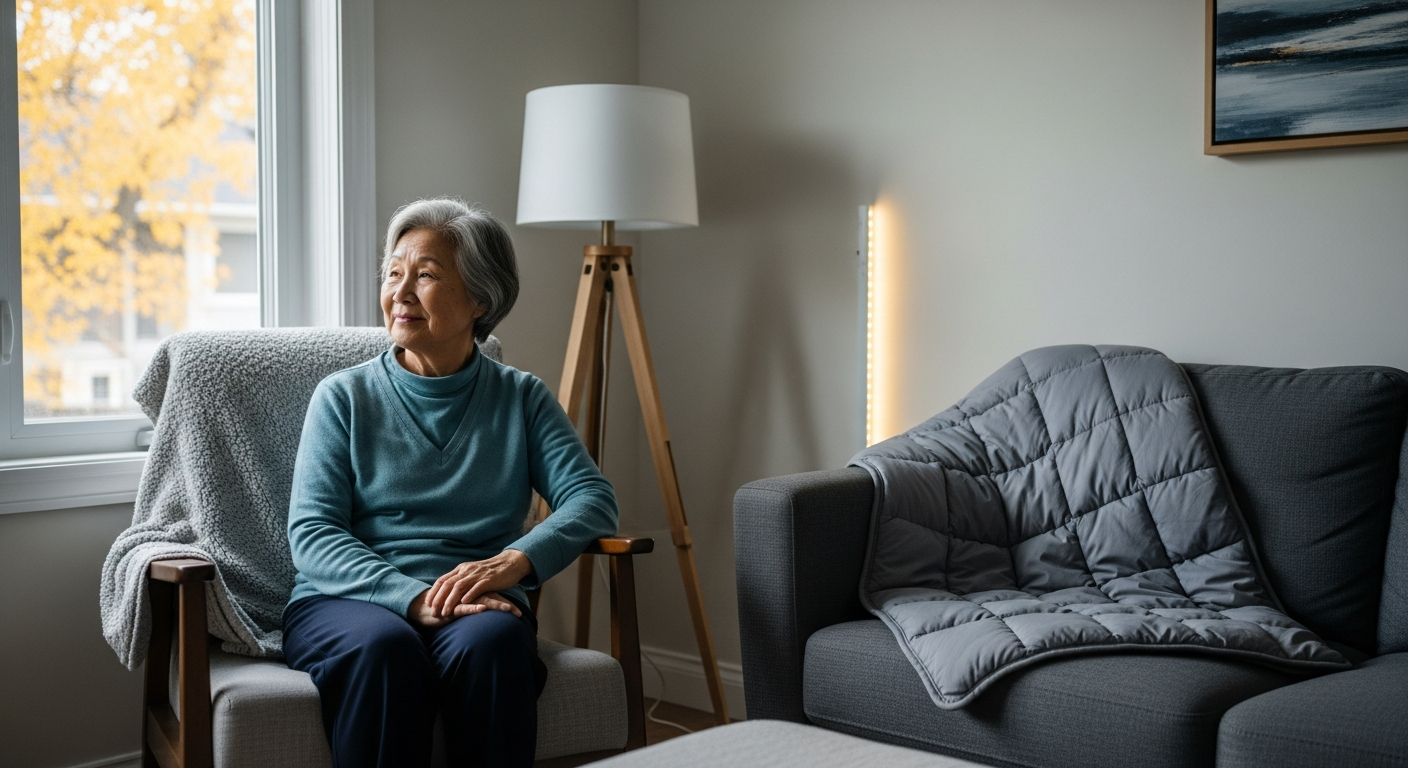
Autism Spectrum & Sensory Processing in Adults
Autism spectrum differences affect sensory processing profoundly—and differently for each person:
Sensory Sensitivity Variations
| Sense | Hypersensitive (Over-responsive) | Hyposensitive (Under-responsive) | Impact on Home |
|---|---|---|---|
| Light | Bright lights cause pain/migraine | Needs bright light to register | Needs dimmable, adjustable lighting |
| Sound | Normal noises seem painfully loud | Misses important sounds | Needs soundproofing + alert systems |
| Touch | Rough textures, tags, pressure overwhelming | Doesn't notice pain/temperature | Needs soft textures; safety considerations |
| Smell | Cooking odors, perfume, detergent overwhelming | Doesn't smell gas/smoke | Needs ventilation + safety systems |
| Taste | Very limited safe foods; texture-sensitive | May eat unsafe items | Needs organized kitchen; visual clarity |
| Vestibular (balance) | Motion sickness, dizziness easily | Seeks spinning/movement input | Needs stable flooring; space for movement |
| Proprioception (body awareness) | Needs firm pressure for regulation | Seeks intense physical input | Needs weighted items; firm furniture |
For an autistic adult living at home, unaddressed sensory challenges mean:
- Constant dysregulation and low-level anxiety
- Difficulty sleeping due to sensory overwhelm
- Limited ability to use shared spaces
- High stress on family relationships
- Reduced independence and employment capacity
Sensory-safe home design transforms this reality.
Components of Sensory-Safe Home Design
1. Lighting Design for Autism Spectrum
The challenge: Fluorescent and bright LED lighting causes pain, migraines, and dysregulation in many autistic people. But some autistic people need relatively bright light to register their environment clearly.
Modifications needed:
- No fluorescent lights: Replace all with full-spectrum LEDs ($800–$1,500)
- Dimmable, color-adjustable lighting: Allows individual preference (2700K warm to 5000K cooler) ($2,000–$4,000)
- Layered lighting: Multiple light sources at different intensities rather than one bright overhead ($1,500–$3,000)
- Natural light optimization: Maximize windows; control with blinds ($1,000–$2,000)
- Task lighting: Focused light over work areas, not ambient ($800–$1,500)
- Absence of flicker: All lights flicker-free (critical for migraine/seizure sensitivity) ($500–$1,000)
Estimated cost: $3,500–$8,000
Impact: Reduces sensory pain; improves sleep; decreases anxiety and dysregulation.
2. Sound Management & Acoustic Design
The challenge: Kitchen appliances, plumbing noise, outside traffic, household members' activities create unpredictable auditory overwhelm.
Modifications needed:
- Soundproofing materials: Acoustic panels, heavy curtains, weatherstripping ($2,000–$5,000)
- White noise machine or pink noise: Masks unpredictable sounds ($200–$500)
- Door soundproofing: Bedrooms and quiet spaces sealed from household noise ($1,500–$3,000)
- Quiet appliances: Upgrade to quiet refrigerators, dishwashers, washing machines ($2,000–$5,000 if replacements needed)
- Soft-close doors & drawers: Eliminates slamming sounds ($500–$1,500)
- Rug installation: Dampens echo and footstep noise ($1,500–$3,000)
- Communication system: Low-volume door chimes instead of loud buzzers ($300–$800)
Estimated cost: $5,500–$15,000
Impact: Eliminates unpredictable auditory triggers; creates calm, predictable auditory environment.
3. Color & Visual Clarity
The challenge: Busy patterns, clashing colors, visual clutter overwhelm autistic sensory processing. But bland environments may feel depressing.
Modifications needed:
- Calm color palette: Soft neutrals, pastels, or personal preference colors ($1,000–$2,500 for repainting)
- Reduced visual clutter: Organized storage, minimalist décor ($1,000–$3,000)
- Clear visual organization: Labels, logical item placement, visual clarity ($500–$1,500)
- Visual predictability: Consistent room layout; no surprising changes ($minimal cost; requires planning)
- Texture awareness: Minimize conflicting patterns; choose consistent textures ($1,000–$2,000)
- Window coverings: Control visual input from outside; reduce glare ($800–$2,000)
Estimated cost: $3,500–$10,000
Impact: Reduces visual overstimulation; improves focus and calm; decreases anxiety.
4. Tactile Comfort & Safe Spaces
The challenge: Autistic people may have extreme tactile sensitivities or need firm pressure for regulation. Home textiles and furniture must match sensory needs.
Modifications needed:
- Soft, sensory-appropriate bedding: Cotton, bamboo, weighted blankets ($1,500–$3,000)
- Seating options: Firm furniture, bean bags, or weighted seats for regulation ($2,000–$5,000)
- Weighted blankets & vests: For proprioceptive regulation ($500–$1,000)
- Flooring consideration: Avoid slippery surfaces; choose textured (rugs, cork) ($2,000–$5,000)
- Safe, enclosed spaces: Sensory den or quiet retreat area ($1,500–$4,000 for setup/enclosure)
- Texture-appropriate clothing storage: Easy-to-find comfortable options; avoid tags ($500–$1,000)
Estimated cost: $5,000–$12,000
Impact: Provides sensory regulation tools; enables calm; supports emotional regulation.
5. Smell & Chemical Management
The challenge: Cooking odors, cleaning products, air fresheners, scented candles, perfume in shared spaces trigger severe reactions in some autistic people.
Modifications needed:
- Air filtration system: HEPA + activated carbon for odor removal ($4,000–$8,000)
- Ventilation improvements: Better kitchen exhaust, bathroom fans, air flow ($1,500–$3,000)
- Non-toxic cleaning products: System for household use ($300–$500/year)
- Fragrance-free household products: Laundry detergent, soap, personal care ($50–$100/month ongoing)
- Cooking enclosure: Partial kitchen wall or partition to contain odors ($1,000–$3,000)
- Bathroom ventilation: Reduce dampness and odors ($800–$1,500)
Estimated cost: $5,800–$12,500 initial; $600–$1,200 ongoing annually
Impact: Eliminates chemical/odor triggers; enables shared space use; improves comfort.
6. Routine & Predictability
The challenge: Autistic adults thrive on predictability and routine. Home environment should support this.
Modifications needed:
- Visual schedules: Boards showing daily routines ($200–$500)
- Organized zones: Designated areas for sleep, work, relaxation, exercise ($500–$1,500)
- Consistent layouts: Furniture arrangement remains stable; changes announced ($minimal cost)
- Signage & clarity: Labels on closets, kitchen, bathrooms ($300–$600)
- Time management tools: Visual timers, clocks, schedule boards ($500–$1,000)
- Transition support: Soft lighting/sounds for routine transitions ($500–$1,000)
Estimated cost: $1,000–$3,000
Impact: Supports executive function; reduces anxiety about unpredictability; improves independence.
Comprehensive Sensory-Safe Home Design: Total Costs

For an adult child requiring comprehensive sensory-safe home modifications:
| Component | Cost |
|---|---|
| Lighting design (dimmable, flicker-free, layered) | $5,000 |
| Sound management & acoustic treatment | $8,000 |
| Color, visual clarity, organization | $5,000 |
| Tactile comfort & regulation spaces | $7,000 |
| Smell & chemical management | $7,000 |
| Routine/predictability support systems | $2,000 |
| Professional design consultation | $1,500 |
| TOTAL | $35,500 |
Range: $25,000–$50,000 depending on extent of modifications and starting condition.
This investment typically:
- Reduces anxiety and overwhelm 40–60%
- Improves sleep quality 30–50%
- Increases independent functioning 25–40%
- Reduces challenging behaviors triggered by sensory dysregulation
- Improves family relationships (less dysregulation stress)
- Enables sustained employment or meaningful activity
- Improves emotional regulation and mental health
Real-World Case: Sensory-Safe Home for Autistic Adult
Alex, 26, diagnosed autistic at 22, living with parents in Ontario: Alex experienced severe sensory sensitivities—overhead lighting caused migraines, appliance noise triggered shutdown, strong smells caused nausea, visual clutter created overwhelming anxiety.
Alex's struggles before modifications:
- Difficult sleeping due to sensory environment
- Frequent dysregulation and overwhelm
- Limited ability to use kitchen (appliance noise, cooking odors)
- Anxiety in family common areas
- Social isolation (retreated to darkened bedroom)
- Struggled to maintain part-time job (overstimulated at end of workday)
Parents' assessment: The house itself was triggering Alex's dysregulation. Standard accessibility didn't apply—Alex needed sensory-safe design.
Comprehensive sensory-safe redesign:
- Lighting: Dimmable, full-spectrum LEDs throughout = $4,500
- Sound: Soundproofing, quiet appliances, acoustic treatment = $8,000
- Visual: Calm colors, organization, reduced clutter = $5,000
- Tactile: Weighted items, soft bedding, sensory den = $6,000
- Smell: Air filtration system, ventilation = $6,500
- Routine: Schedules, zones, visual supports = $1,500
- Total: $31,500
Parents' solution: Accessed reverse mortgage for $125,000 against $420,000 home.
Results after 3 months:
- Sleep improved significantly (better lighting, soundproofing, weighted blanket setup)
- Migraine frequency reduced by 70%
- Anxiety noticeably lower in home environment
- Alex could spend time in family spaces without dysregulation
- Ability to use kitchen improved (quieter appliances, ventilation)
- Social connection with family improved (less dysregulation = more patience)
- Part-time job sustainability improved (home environment less draining)
Parents' perspective: "We didn't realize how much the environment was dysregulating Alex. Sensory-safe home design gave him back functionality and peace. The reverse mortgage was worth every dollar."
Sensory Preferences: Individual Variation Is Key
Important: Autistic sensory differences vary dramatically. Before designing, understand YOUR adult child's specific sensory profile:
Assessment questions:
- What sensory inputs trigger dysregulation? (Light, sound, smell, touch, taste, movement, visual pattern?)
- What sensory inputs help regulation? (Firm pressure? Particular colors? Quiet? Darkness? Movement?)
- What triggers migraines, meltdowns, or shutdown?
- What environment helps your child focus and feel calm?
- Are sensory needs consistent or do they fluctuate?
Professional assessment: An occupational therapist trained in autism spectrum sensory processing can identify specific needs and recommend targeted modifications—much more effective than guessing.
Cost: $300–$600 for comprehensive assessment
Reverse Mortgage vs. Other Funding for Sensory-Safe Modifications
| Funding Source | Pros | Cons |
|---|---|---|
| Reverse Mortgage | Large lump sum; no monthly payments; comprehensive modifications possible | Compound interest; reduces estate |
| HELOC | Lower rates; flexible | Monthly payments affect fixed income; qualification strict |
| Personal savings | No debt | Usually insufficient; depletes emergency reserves |
| Government grants | Free/subsidized programs | Very limited; rarely cover comprehensive sensory design |
| Piecemeal renovation | Spread cost over time | Projects incomplete; home remains dysregulating; months of disruption |
For Ontario parents: Reverse mortgages are ideal because they fund comprehensive, complete modifications immediately—not partial or gradual approaches.
Getting Started: Creating a Sensory-Safe Home
- Autism-informed OT assessment: Identify your adult child's specific sensory needs ($300–$600)
- Design plan: Based on assessment, prioritize modifications (high-impact first)
- Reverse mortgage assessment: Licensed broker evaluates available equity
- Implementation: Complete comprehensive modifications or phase over 6–12 months
- Ongoing monitoring: Track how modifications affect your child's functioning and wellbeing
The Bottom Line
Many autistic adults living in neurotypical homes are constantly dysregulated. But sensory-safe home design—light, sound, color, tactile, smell, and predictability modifications—transforms functioning and wellbeing.
A reverse mortgage makes comprehensive sensory-safe home design affordable and immediate. Your adult child can live comfortably, function better, and thrive at home.
Creating a sensory-safe space isn't a luxury—it's healthcare. It's supporting your autistic adult child to live their best life, regulated and calm, at home.
Explore reverse mortgage options for sensory-safe home design →
This content is for informational purposes. Consult an autism-informed occupational therapist before undertaking sensory-safe modifications. Every autistic person's sensory needs are unique; modifications should be tailored individually. Reverse mortgage rates, terms, and eligibility vary. Consult a licensed mortgage broker for your specific situation.
Ready to Learn More?
Get the free Ontario Reverse Mortgage Guide and find out exactly how much you could unlock from your home.
Get My Free Guide →Related Articles
Reverse Mortgage for Home Modifications for Invisible Disabilities: Beyond Visible Accessibility
How Ontario seniors with invisible disabilities like fibromyalgia, ME/CFS, and autoimmune conditions can use a reverse mortgage to fund home modifications that support daily living beyond typical accessibility features.
Read →Reverse Mortgage When Your Adult Child Can't Work: Supporting Mental Health Recovery
Discover how a reverse mortgage can help you support an adult child facing mental health crises, burnout, or disability without jeopardizing your retirement.
Read →Aging in Place with a Reverse Mortgage: Home Modification Guide
How Ontario seniors can fund aging-in-place home modifications with a reverse mortgage — costs, top modifications, grants, and a complete planning guide.
Read →