
Private Healthcare and Uninsured Medical Services: Reverse Mortgage for Beyond-Coverage Treatment Funding
Fund private healthcare, specialist treatments, and uninsured medical services in retirement with a reverse mortgage. Ontario healthcare coverage gaps explained.
Does Ontario's publicly funded healthcare leave gaps—and are you concerned about affording private treatments, specialist services, or medications your doctor recommends but OHIP won't cover? Healthcare isn't one-size-fits-all. While OHIP covers essential services, many treatments, medications, therapies, and specialist consultations are only available privately. A reverse mortgage can fund these beyond-coverage healthcare costs without forcing you to skip treatment because of retirement budget constraints.
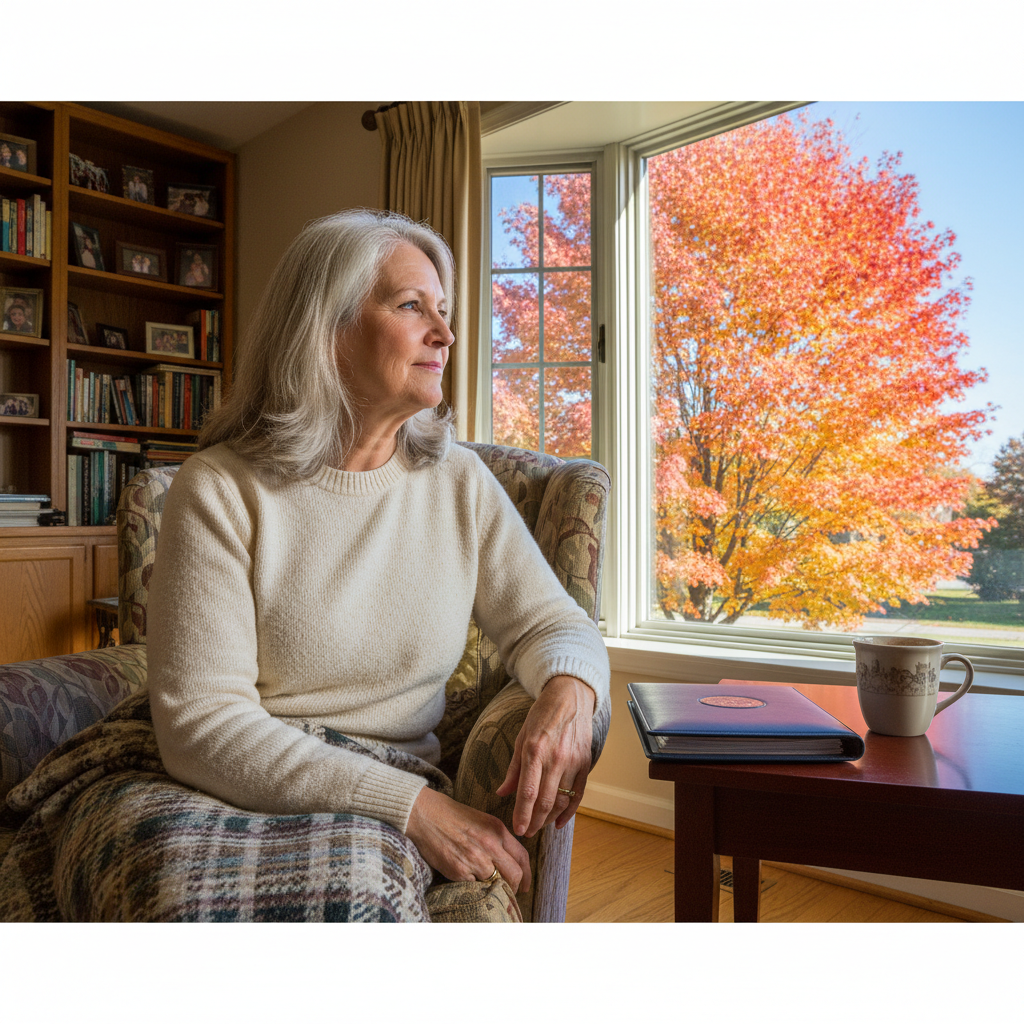
Ontario Healthcare Coverage Gaps: What's NOT Covered by OHIP
Ontario's publicly funded healthcare (OHIP) covers hospital care, emergency services, and essential doctor visits. However, many medically necessary treatments fall into coverage gaps:
Prescription Medications Not Covered by OHIP
OHIP covers hospital medications only—not outpatient prescriptions. Many seniors rely on private drug plans, insurance, or personal funds:
Common uninsured medications:
- Specialty biologics for rheumatoid arthritis ($20,000–$60,000 annually)
- Cancer treatment drugs not on provincial formulary ($10,000–$200,000+ per year)
- New diabetes medications (SGLT2 inhibitors, GLP-1 agonists): $150–$300 monthly
- Osteoporosis treatments (teriparatide): $200–$400 monthly
- Alzheimer's disease drugs (early-stage): $200–$500 monthly
Financial impact: A senior with rheumatoid arthritis might need a $40,000/year biologic. Without private insurance or personal funds, treatment is impossible—or delayed until condition worsens.
Dental and Vision Services (Not Covered After Age 65)
OHIP covers one eye exam every 2 years (age 65+) but not:
Dental:
- Cleanings and checkups: $150–$300 per visit
- Root canals: $800–$1,500
- Crowns: $800–$1,500 per tooth
- Implants: $3,000–$6,000 per tooth
- Dentures: $2,000–$5,000
Vision:
- Prescription glasses: $300–$800
- Hearing aids: $2,000–$6,000 per pair
- Advanced cataract surgery options: $3,000–$5,000 per eye
Annual impact: Many seniors spend $2,000–$5,000 yearly on uninsured dental and vision care.
Physiotherapy and Rehabilitation (Limited OHIP Coverage)
OHIP covers physiotherapy after hospitalization but not:
- Ongoing physical therapy for chronic pain
- Sports therapy for active seniors
- Hydrotherapy pools and specialized facilities
- Private rehabilitation after injury or surgery
Cost: $60–$150 per session; seniors might need 2–3 sessions weekly for months.
Mental Health and Counseling Services
OHIP covers psychiatrist assessments but not ongoing psychotherapy:
- Psychologist sessions: $150–$250 per hour
- Therapist counseling: $100–$200 per session
- Grief counseling: $100–$250 per session
- Depression/anxiety management: Often requiring 10–20+ sessions
Scenario: A widow dealing with complicated grief might need $3,000–$8,000 in therapy to regain emotional stability. OHIP doesn't fund this.
Home Care and Assisted Living Services (Partial Coverage)
OHIP funds basic in-home nursing but not:
- Homemakers and cleaning services: $25–$35 per hour
- Companionship and support workers: $20–$30 per hour
- Meal preparation services: $15–$25 per meal
- Home modification specialists: $60–$100 per hour
Annual cost: Private home care can cost $20,000–$60,000 yearly if you need more than basic OHIP coverage.
Alternative and Complementary Therapies (Not Covered)
Growing evidence supports complementary treatments, but OHIP won't fund:
- Acupuncture: $75–$150 per session
- Massage therapy: $80–$150 per session
- Naturopathic medicine: $100–$200 per consultation
- Yoga and tai chi classes for seniors: $15–$30 per class
- Nutritional counseling: $100–$200 per session
Why this matters: Many seniors find acupuncture, massage, and naturopathy more effective and gentler than pharmaceuticals for chronic pain, arthritis, and anxiety.
The Financial Reality of Healthcare Costs in Retirement
A major research study on Canadian healthcare costs found:
| Age Group | Average Annual Healthcare Costs | Covered by OHIP | Personal Out-of-Pocket |
|---|---|---|---|
| 65–74 years | $5,200–$7,500 | 60–70% | 30–40% ($1,560–$3,000) |
| 75–84 years | $8,500–$12,000 | 50–60% | 40–50% ($3,400–$6,000) |
| 85+ years | $12,000–$18,000 | 40–50% | 50–60% ($6,000–$10,800) |
Most seniors are shocked to discover they're spending $2,000–$8,000 yearly out-of-pocket on healthcare—a cost not anticipated in their retirement planning.
For a fixed-income senior living on $28,000 annual CPP/OAS, $4,000 in healthcare costs represents 14% of annual income. This is often the difference between comfortable retirement and financial stress.
How Reverse Mortgages Fund Healthcare Gaps
A reverse mortgage provides tax-free access to liquidity for healthcare costs:
Key Advantages Over Other Funding Methods
| Funding Method | Access Speed | Tax Impact | Flexibility | Best For |
|---|---|---|---|---|
| Reverse Mortgage | 2–4 weeks to establish; immediate access thereafter | Tax-free (no OAS/GIS impact) | Draw as needed; no minimum payments | Ongoing or unpredictable healthcare costs |
| RRIF Withdrawal | Immediate | Fully taxable income (OAS clawback risk) | Minimum annual withdrawal, but can take extra | One-time large expenses (not ongoing) |
| Savings/Emergency Fund | Immediate | Tax on interest only (if applicable) | Depletes emergency reserves | Small or one-time costs |
| Prescription Insurance/Private Plan | Ongoing (if you have one) | Taxes depend on source of plan funding | Covered services only; gaps remain | Prescription medications specifically |
| Credit Card | Immediate | No immediate tax (future problem) | Unlimited but dangerous | Emergency only (worst option) |
For healthcare costs specifically, the reverse mortgage line of credit is superior because:
- Tax-efficient: No impact on net income, OAS, or GIS
- Flexible: You control when and how much you draw
- Ongoing access: Available year after year without needing to reapply
- No forced timeline: Unlike RRIF withdrawals, you only pay for healthcare when needed
Practical Healthcare Funding Scenarios
Scenario 1: Arthritis Medication + Physiotherapy
Situation: James (age 68) develops rheumatoid arthritis. He needs:
- Specialty biologic medication: $40,000/year (not covered by OHIP)
- Physiotherapy: $120/session × 2 sessions/week × 52 weeks = $12,480/year
- Total annual healthcare cost: $52,480
Without RM: James would need to deplete $52,480 from retirement savings yearly—unsustainable.
With RM: James establishes a reverse mortgage line of credit with $60,000 available. He draws $40,000 for medication and $12,480 for physiotherapy annually. His savings remain intact for other living expenses.
Scenario 2: Vision and Dental + Home Care
Situation: Margaret (age 73) needs:
- New hearing aids: $5,000 (expires every 3–5 years)
- Dental crown replacement: $4,000 every 3–4 years
- Private home care (3 hours weekly): $1,560/year
- Total one-time + ongoing: $10,560 initially, then $1,560 ongoing
Without RM: Margaret would need $10,560 immediately from savings. Every 3–4 years, she'd need another $5,000–$9,000 for replacements. Over 20 years, $60,000+ in unbudgeted healthcare.
With RM: Margaret establishes a $50,000 line of credit. She draws $10,560 for initial needs, then $1,560 yearly for ongoing care. Remaining credit sits available for future replacements or new needs.
Scenario 3: Mental Health + Specialized Therapist
Situation: David (age 70) experienced a health crisis. His doctor recommends therapy with a specialized psychotherapist, which costs:
- Initial assessment: $250
- Ongoing sessions: $180 per session × 24 sessions/year = $4,320
- Total annual cost: $4,570
Without RM: David's income is modest (CPP/OAS only). He'd have to skip therapy to avoid budget strain, worsening his condition.
With RM: David draws $4,570 from his line of credit. He gets the therapy he needs without financial stress. The healthcare investment pays dividends in mental health and longevity.
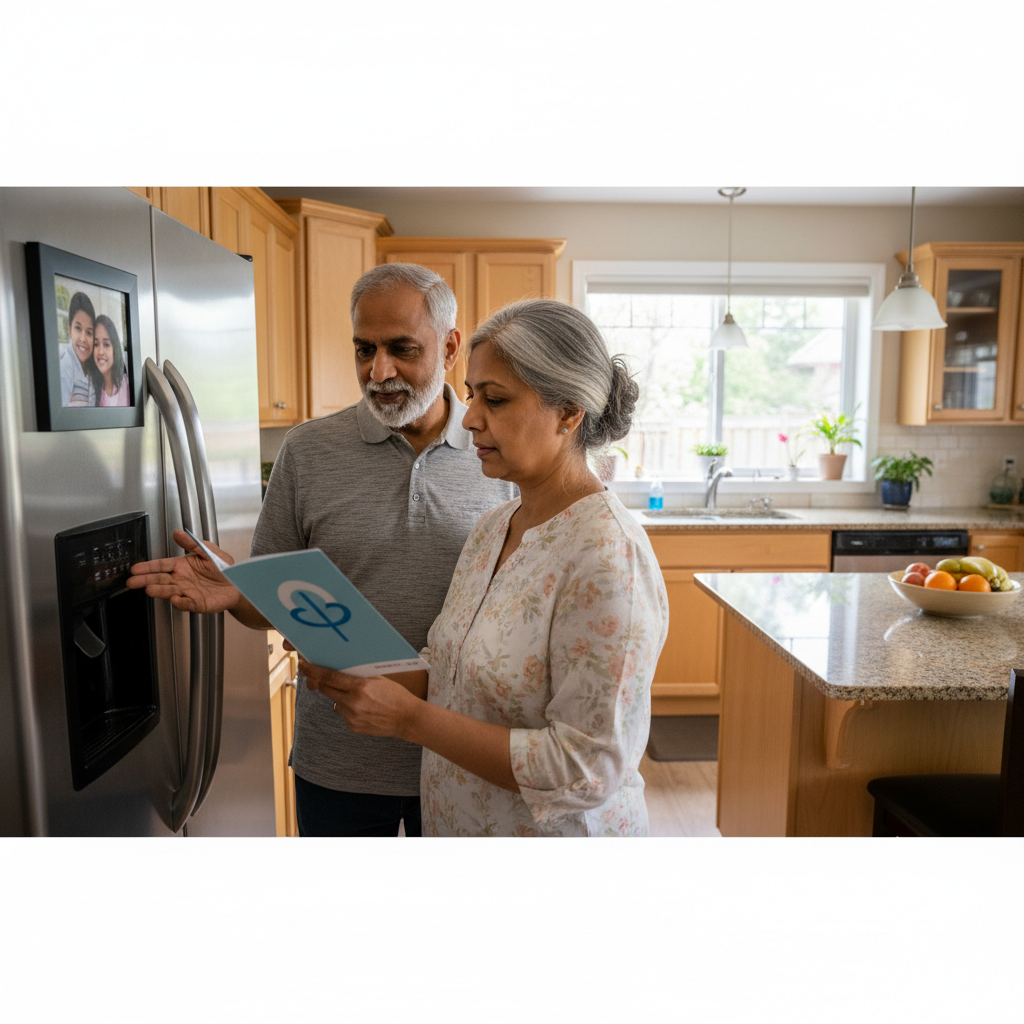
Coordinating with Private Insurance
If You Have Employer or Private Insurance
If you have private health insurance (from a former employer or through a spouse), coordinate with your RM strategy:
- Your insurance covers some costs; use that first
- Use RM for gaps your insurance doesn't cover
- This maximizes insurance value and preserves RM credit for true emergencies
If You're Considering Private Insurance
Before purchasing private health insurance in retirement:
- Review coverage carefully (many have annual caps, deductibles, and exclusions)
- Calculate break-even: Does $2,000–$4,000/year in premiums cover enough to be worth it?
- Consider a reverse mortgage as a more flexible alternative (lower upfront cost, pay-as-you-go access)
Tax Implications and Government Benefits
According to the Canada Revenue Agency (CRA), reverse mortgage proceeds are classified as loan advances, not income. Healthcare costs paid from RM funds do NOT affect your net income, OAS eligibility, or GIS status.
This is a critical advantage. If you withdrew from your RRIF to pay for healthcare, that withdrawal counts as income, potentially triggering OAS clawback ($0.50 per dollar over threshold).
Example tax impact:
- Healthcare cost: $4,000
- Funded via RRIF withdrawal: RRIF withdrawal of $5,000 needed (to net $4,000 after tax) = Taxable income increased by $5,000 = Potential OAS reduction of $2,500
- Funded via RM: RM draw of $4,000 = No income impact = No OAS reduction
Over a lifetime, this tax efficiency can save you tens of thousands of dollars.
Frequently Asked Questions
Can I use a RM to fund a specific specialist I want to see (not covered by OHIP)?
Yes. This is a legitimate use of RM funds. Many Canadians see private specialists for second opinions, faster access, or specialized expertise. Your RM can fund this.
What if my healthcare costs turn out to be much higher than expected?
That's why you establish a line of credit larger than your immediate needs. If you anticipated $20,000 in healthcare costs over 3 years, establish $40,000 credit. If costs exceed projections, you have available credit. If costs come in lower, you use less and preserve equity.
Will healthcare funding from RM affect my insurance eligibility?
No. Insurance companies care about health status, not how you fund treatment. In fact, treating health issues (funded via RM) is better than skipping treatment because you can't afford it.
Should I use RM for preventive healthcare (annual checkups, screenings)?
Yes, if these aren't covered by OHIP. Regular dental checkups, eye exams, and preventive services are health investments. Funding them via RM is smarter than skipping them due to cost.
Can I negotiate with private healthcare providers to reduce costs?
Sometimes. Many private providers offer:
- Payment plans (spread cost over months)
- Cash discounts (if you pay upfront)
- Senior discounts (ask explicitly)
- Sliding scale fees (based on income)
It's worth asking, especially for expensive services like dental implants or therapy packages.
What if I don't need healthcare funding immediately but want it as a backup?
That's a perfect RM use case. Establish a line of credit now while you're healthy and easier to qualify. If you never use it, it sits there available. If you suddenly need it, you have immediate access (no new qualification required).
Closing Thought
Healthcare costs are a hidden retirement challenge that catches most Canadians off guard. By age 75, most retirees are spending $3,000–$6,000 annually on uninsured healthcare. A reverse mortgage line of credit provides predictable, tax-efficient access to funds for these essential costs—letting you prioritize your health without the stress of depletingYour retirement savings.
Ready to Learn More?
Get the free Ontario Reverse Mortgage Guide and find out exactly how much you could unlock from your home.
Get My Free Guide →Related Articles
Critical Illness in Retirement: How a Reverse Mortgage Can Help
When serious illness strikes in retirement, medical costs and lost income create financial pressure. A reverse mortgage can fund treatment and bridge income gaps without selling your home.
Read →Reverse Mortgage for Elective Surgery and Medical Procedures: Health Investment Strategy
Use a reverse mortgage to fund elective surgery, dental work, fertility treatments, and other medical procedures. Ontario seniors' medical funding guide.
Read →Reverse Mortgage for Healthcare Costs: Aging in Place in Ontario
How Ontario seniors use a reverse mortgage to fund home care, medical equipment, prescriptions, and healthcare expenses — and stay in their home longer.
Read →