
Ontario Seniors Programs + Reverse Mortgages: Grants & Tax Deferrals
Combine Ontario seniors grants, tax deferrals, and home accessibility programs with a reverse mortgage to maximise your retirement home equity strategy.
"Are there any Ontario government programs that work alongside a reverse mortgage — or does getting one cut me off from government help?" Many Ontario seniors are surprised to learn that provincial programmes and a reverse mortgage are not mutually exclusive. In fact, combining them strategically can dramatically reduce the cost of your overall home equity plan. This guide maps out every relevant Ontario government programme and shows you exactly how to layer them with a reverse mortgage.
This article is for educational purposes only and does not constitute financial advice.
The Two Strategies: Government First, Reverse Mortgage Second
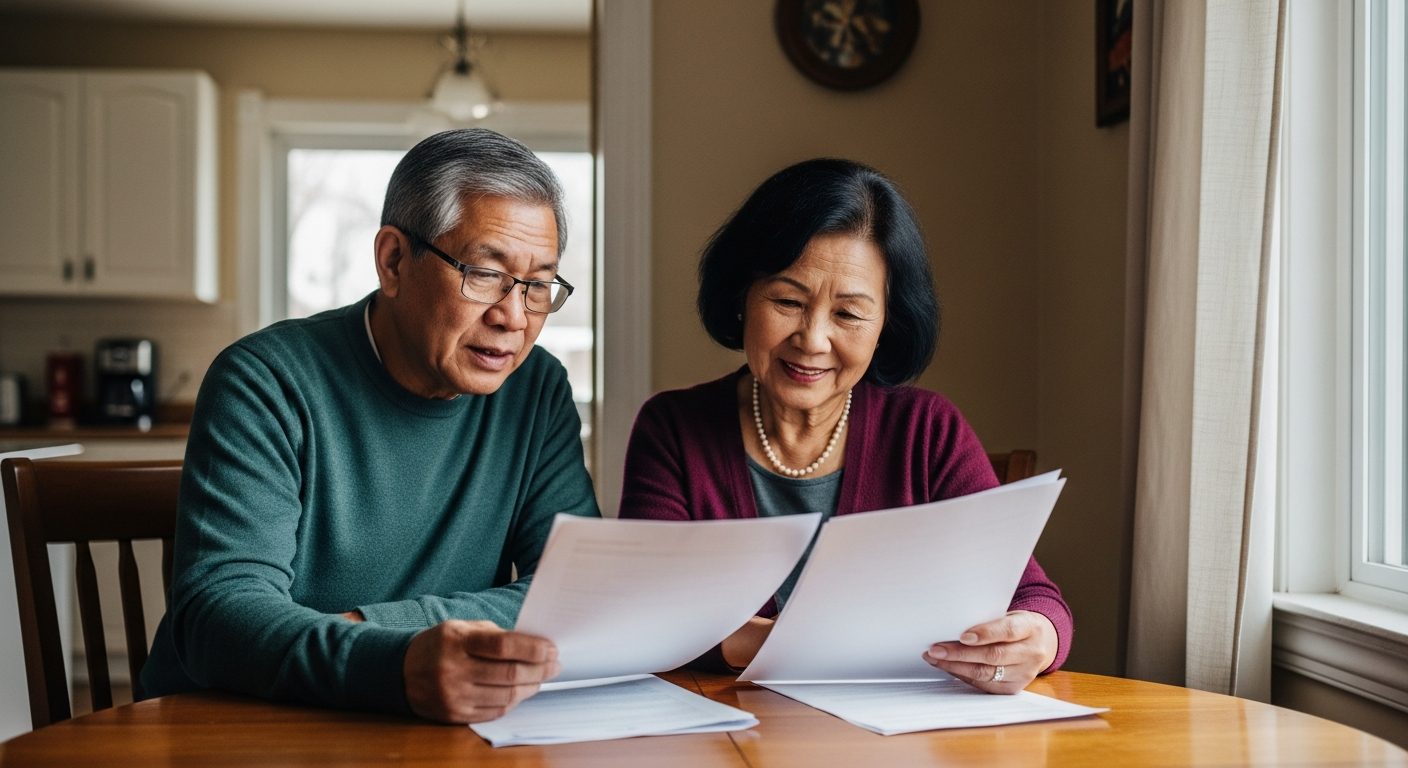
The core principle of this guide: government grants and tax credits should always be explored before — or alongside — a reverse mortgage. Government money is free; reverse mortgage money costs compound interest. Wherever a government programme covers a need, use it first and reduce the amount you draw from your reverse mortgage.
According to the Government of Ontario, there are several active programmes specifically designed to help seniors improve their homes, reduce housing costs, and support independent living — many of which are underutilised because homeowners are unaware they qualify.
Programme 1: Ontario Seniors' Home Safety Tax Credit
Status: Active for qualifying tax years (confirm current availability at canada.ca)
This refundable tax credit helps Ontario seniors and people living with seniors pay for eligible home improvements to make their home safer and more accessible.
| Feature | Detail |
|---|---|
| Credit rate | 25% of eligible expenses |
| Maximum eligible expenses | $10,000 per year |
| Maximum credit | $2,500 per year |
| Who qualifies | Ontario seniors 65+ or those living with seniors |
| Eligible expenses | Grab bars, ramps, stair lifts, wider doorways, non-slip flooring, motion-sensor lighting |
| How to claim | Ontario tax return (Schedule ON-S12) |
Reverse mortgage integration: If your renovation budget is $60,000, and $10,000 qualifies for this credit, you receive $2,500 back from the government. This reduces your net renovation cost to $57,500 — and correspondingly reduces how much you need to draw from your reverse mortgage.
Programme 2: Federal Home Accessibility Tax Credit (HATC)
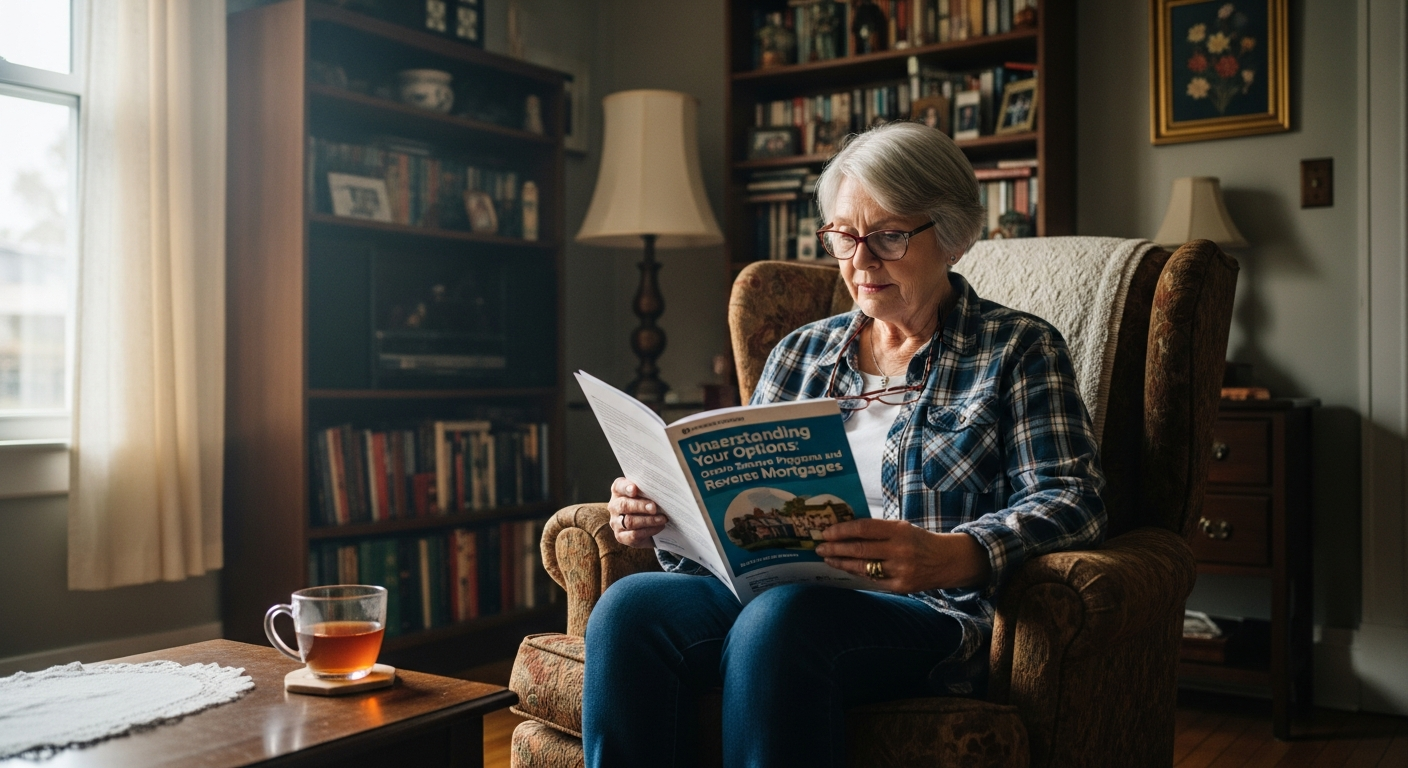
Status: Active federal programme
A non-refundable federal tax credit available to seniors 65+ (or those with qualifying disabilities) for eligible renovation expenses.
| Feature | Detail |
|---|---|
| Credit rate | 15% of eligible expenses (federal) |
| Maximum eligible expenses | $20,000 per year |
| Maximum credit | $3,000 per year |
| Who qualifies | Seniors 65+; adults with qualifying disabilities |
| Eligible expenses | Similar to Ontario credit — accessibility modifications |
| Stacking with Ontario credit | Yes — both credits can be claimed on the same expenses |
Key point: The HATC and the Ontario Seniors' Home Safety Tax Credit can both be claimed on the same eligible expenses, as they are federal and provincial programmes respectively. Combined, they provide up to $5,500 in annual credits on $10,000–$20,000 in eligible expenses.
| Combined Federal + Ontario Credits | Amount |
|---|---|
| Federal HATC (15% of $20,000) | $3,000 |
| Ontario Seniors' Home Safety (25% of $10,000) | $2,500 |
| Maximum combined annual benefit | $5,500 |
Programme 3: Canada Greener Homes Loan
Status: Check current availability at nrcan.gc.ca
The Canada Greener Homes initiative provides interest-free loans for energy efficiency retrofits.
| Feature | Detail |
|---|---|
| Loan amount | Up to $40,000 |
| Interest rate | 0% — interest-free |
| Repayment term | Up to 10 years |
| Eligible upgrades | Insulation, windows, heat pumps, solar panels, EV chargers |
| Application | After EnerGuide home evaluation |
Reverse mortgage integration: An interest-free $40,000 Greener Homes loan is dramatically better value than $40,000 from a reverse mortgage (which accrues 7% compound interest). If your renovation includes energy efficiency upgrades, apply for the Greener Homes loan first and use your reverse mortgage only for the non-qualifying portion.
Programme 4: Ontario Property Tax Deferral (Municipal Programmes)
Status: Varies by municipality — available in many Ontario cities
Many Ontario municipalities offer property tax deferral or rebate programmes for qualifying seniors.
| Municipality | Programme Type | Typical Benefit |
|---|---|---|
| Toronto | Property Tax Deferral | Up to 100% deferral for qualifying seniors |
| Ottawa | Seniors Property Tax Assistance | Grant and/or deferral |
| Hamilton | Tax Rebate for Seniors | Income-tested rebate |
| Mississauga | Check with City | Varies |
| London | Check with City | Varies |
How it works: Property tax deferral programmes allow qualifying seniors (typically 65+ with income below a threshold) to defer property tax payments until the home is sold. The deferred amount, plus interest, is repaid from the sale proceeds.
Reverse mortgage interaction: Property tax deferral can reduce your annual cash outflow, potentially allowing you to draw less from a reverse mortgage. However, note that your reverse mortgage agreement requires you to keep property taxes paid (or in a deferral arrangement that the lender recognises). Confirm with your lender that a municipal deferral satisfies this requirement.
Programme 5: Ontario Home Care Support
Status: Active through Ontario Health
Ontario seniors who need assistance with daily activities may qualify for publicly funded home care — personal support workers, nursing visits, physiotherapy, and occupational therapy assessments.
| Service | Provided By | Cost to Senior |
|---|---|---|
| Personal support worker | Ontario Health (Home and Community Care) | Free (if assessed as eligible) |
| Nursing visits | Ontario Health | Free (if assessed as eligible) |
| Occupational therapy (home assessment) | Ontario Health | Free (if assessed as eligible) |
| Meals on Wheels | Local non-profits (subsidised) | Modest fee |
| Medical equipment (mobility aids) | Ontario Assistive Devices Program | 75% subsidy for eligible devices |
Reverse mortgage interaction: Ontario's publicly funded home care reduces the cost of aging in place. A reverse mortgage can supplement this by funding services that exceed publicly funded limits, or by funding home modifications that make it safer to continue receiving home care (rather than transitioning to long-term care).
Programme 6: Assistive Devices Program (ADP)
The Ontario ADP provides funding toward the cost of certain medical equipment and devices, covering up to 75% of the approved cost.
| Device Type | ADP Coverage | What Reverse Mortgage Can Fund |
|---|---|---|
| Power wheelchair | Up to 75% | Remaining 25% co-payment |
| Hearing aid | Set grant amount | Upgraded models above grant level |
| Communication devices | Up to 75% | Additional accessories |
| Prosthetics and orthotics | Up to 75% | Premium materials or specialist fittings |
Putting It All Together: A Layered Strategy
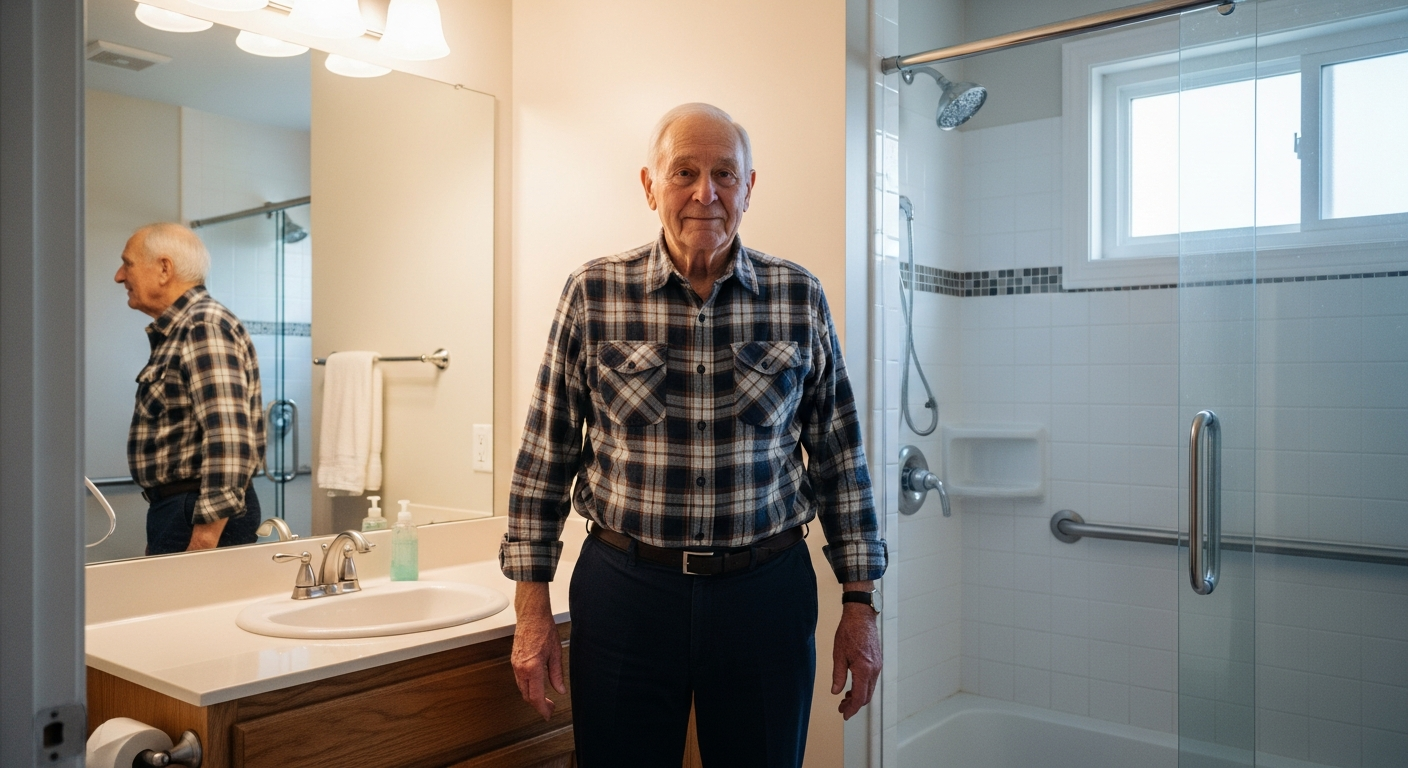
The optimal approach is to layer government programmes and reverse mortgage funding in order of cost:
| Funding Source | Cost | Best Used For |
|---|---|---|
| 1. Ontario government grants/credits | Free | Eligible accessibility renovations |
| 2. Federal tax credits (HATC) | Free | Eligible accessibility renovations |
| 3. Greener Homes Loan (interest-free) | $0 interest for 10 years | Energy efficiency upgrades |
| 4. Ontario Assistive Devices Program | 75% subsidy | Medical equipment |
| 5. Ontario Home Care (publicly funded) | Free if assessed eligible | Daily care and therapy |
| 6. Municipal property tax deferral | Low interest (or 0%) | Ongoing carrying costs |
| 7. Reverse mortgage | 6.54%–7.99% compounding | Everything else |
By using free and low-cost programmes first, you reduce the amount needed from your reverse mortgage — and therefore reduce the compounding interest that accrues over time.
Worked Example: Maria, 71, Ottawa
Maria needs $110,000 for aging-in-place renovations and ongoing home care for her husband:
| Need | Funded By | Amount |
|---|---|---|
| Grab bars, ramps, accessible bathroom ($12,000) | Partly by Ontario + Federal credits (claim $5,500 back) | Net cost: $6,500 |
| New windows + insulation ($28,000) | Greener Homes Loan (interest-free) | $28,000 (no reverse mortgage needed) |
| Kitchen and main floor renovation ($45,000) | Reverse mortgage | $45,000 |
| Home support worker (ongoing) | Ontario Home Care (assessed eligible) | $0 |
| Power wheelchair ($12,000) | ADP covers 75% | $3,000 reverse mortgage |
Reverse mortgage draw needed: $48,000 (instead of $110,000) Government/grants sourced: $62,000 in equivalent value
Maria's compounding reverse mortgage balance starts at $48,000 instead of $110,000 — a dramatic difference in long-term estate impact.
For the Aging in Place persona, this layered approach is the most financially efficient path to funding your home modifications. For the complete renovation guide, see our reverse mortgage for home renovations →.
FAQ
Does having a reverse mortgage disqualify me from Ontario government senior programmes? No. Most Ontario senior programmes are means-tested based on income (CPP, OAS, pension), not net worth. A reverse mortgage is a loan, not income — it does not appear on your tax return and does not affect income-based eligibility assessments.
Can I claim the Home Accessibility Tax Credit and the Ontario Seniors' Home Safety Tax Credit on the same renovation? Yes. These are federal and provincial programmes respectively, and the same eligible expenses can be claimed on both returns. This "stacking" means you can receive up to $5,500 in combined credits on $20,000 in qualifying eligible expenses.
How long does it take to receive the Greener Homes Loan? The process typically takes 4–6 months: EnerGuide evaluation, loan approval, contractor work, post-retrofit evaluation, and disbursement. Plan your renovation timeline accordingly — this is not a quick source of funds.
Is there an income limit for the Ontario Seniors' Home Safety Tax Credit? This credit is refundable and available to Ontario seniors 65+ regardless of income level. However, the credit is calculated on your Ontario tax return, so you must file a return to claim it even if you have no taxable income.
What is the Property Tax Deferral interest rate in Toronto? Toronto's Property Tax Deferral programme charges a low interest rate (historically 0%–2% annually) on deferred amounts, making it one of the most attractive available forms of financing for qualifying seniors. Eligibility typically requires age 65+ and income below a specified threshold.
If I use a reverse mortgage to pay for home care, is that a good use of the funds? It depends on whether you qualify for publicly funded Ontario Home Care first. If you are eligible for publicly funded personal support and nursing services, use those first. A reverse mortgage is better used to fund gaps — premium services, modifications not covered by programmes, or care needs that exceed publicly funded limits.
Speak to a licensed mortgage professional. Independent legal advice is required before closing a reverse mortgage in Ontario.
Get your free Ontario Reverse Mortgage Guide →
This content is for illustrative purposes only. Rates may vary. Call Rick Sekhon for the best rates and more information.
Ready to Learn More?
Get the free Ontario Reverse Mortgage Guide and find out exactly how much you could unlock from your home.
Get My Free Guide →Related Articles
Reverse Mortgage Eligibility in Ontario: Complete 2026 Guide
Everything Ontario homeowners need to know about qualifying for a reverse mortgage in 2026. Covers age requirements, home equity, property types, and the application process.
Read →Reverse Mortgage Tax Implications in Canada: What Ontario Homeowners Need to Know
Are reverse mortgage proceeds taxable in Canada? How do they affect OAS, GIS, and CPP? A complete guide to the tax implications of reverse mortgages for Ontario seniors.
Read →Reverse Mortgage for Workplace Injury Recovery: Supporting Adult Child's Career Transition
Help your adult child rebuild their career after workplace injury. Learn how reverse mortgages fund recovery, retraining, and financial stability during career transition.
Read →