
Living Legacy: Gift Home Equity to Adult Children While You're Alive
How Ontario seniors can gift home equity to adult children during retirement using a reverse mortgage. Includes tax strategies and family planning considerations.
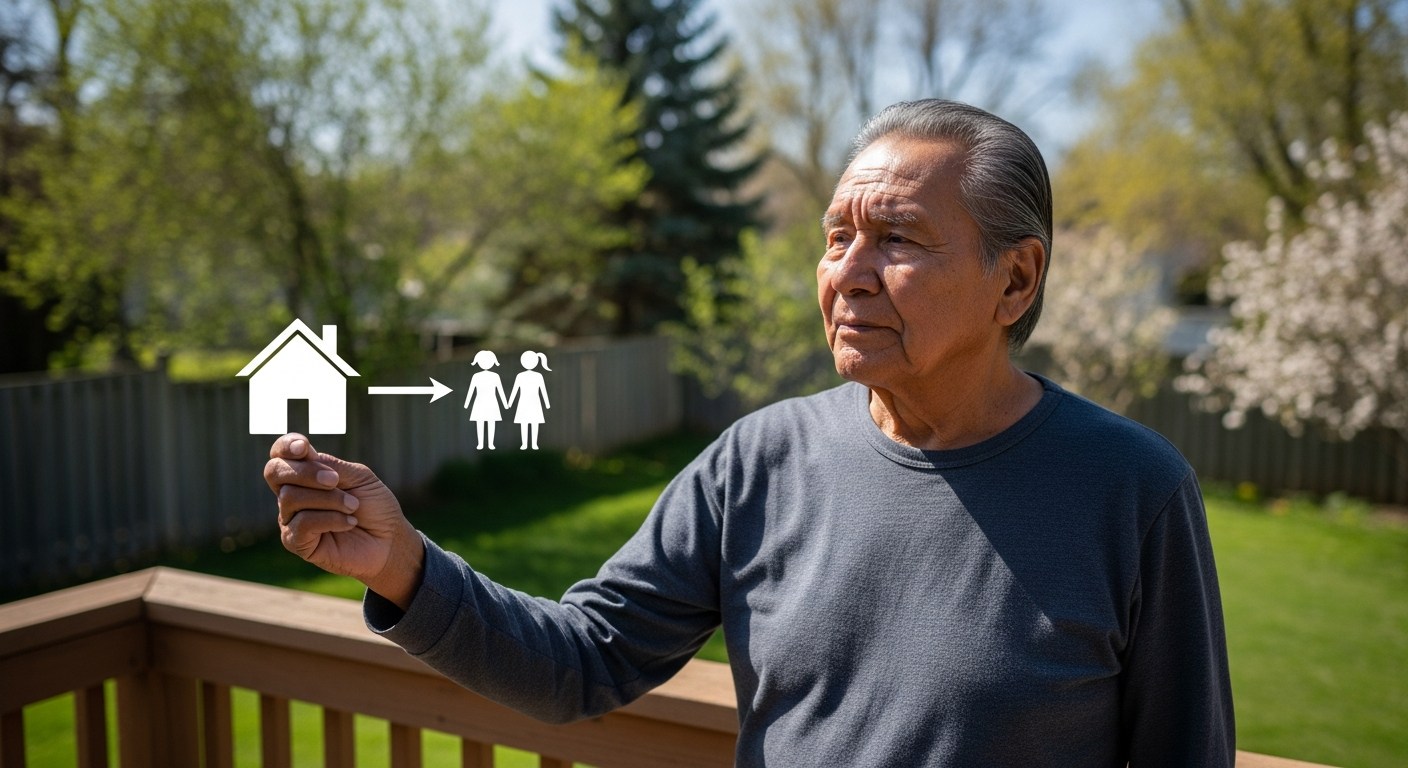
Most families think of home equity passing to the next generation only after death. But a growing number of Ontario seniors are choosing a different path: gifting home equity to adult children while they're alive.

A reverse mortgage makes this possible without selling the home. A 70-year-old can access $300,000 from their home's equity and gift it to their adult children today — for education, first home down payment, starting a business, or simply supporting the next generation — while maintaining their own security and home.
The Living Legacy Strategy
Traditional Model: Inheritance After Death
- Senior passes away at 85
- Adult children inherit the home (or its equity after sale)
- Often 20+ years have passed since the children needed the money most
- By then, children are 55–65, past the critical life-building years
- Funds go to estate taxes, legal fees, and reverse mortgage repayment first
Living Legacy Model: Gifts Today
- Senior is 70; takes a reverse mortgage to access home equity
- Gifts $50,000–$150,000 to adult children immediately
- Children use it in their prime earning/building years (40s–50s)
- Senior remains in their home, no monthly payments
- Reverse mortgage is repaid from home sale proceeds when senior passes
- Remaining estate goes to children
The difference: Children get help when it matters most, and the senior's home and quality of life aren't compromised.
Real-Life Living Legacy Scenarios
Scenario 1: First Home Down Payment
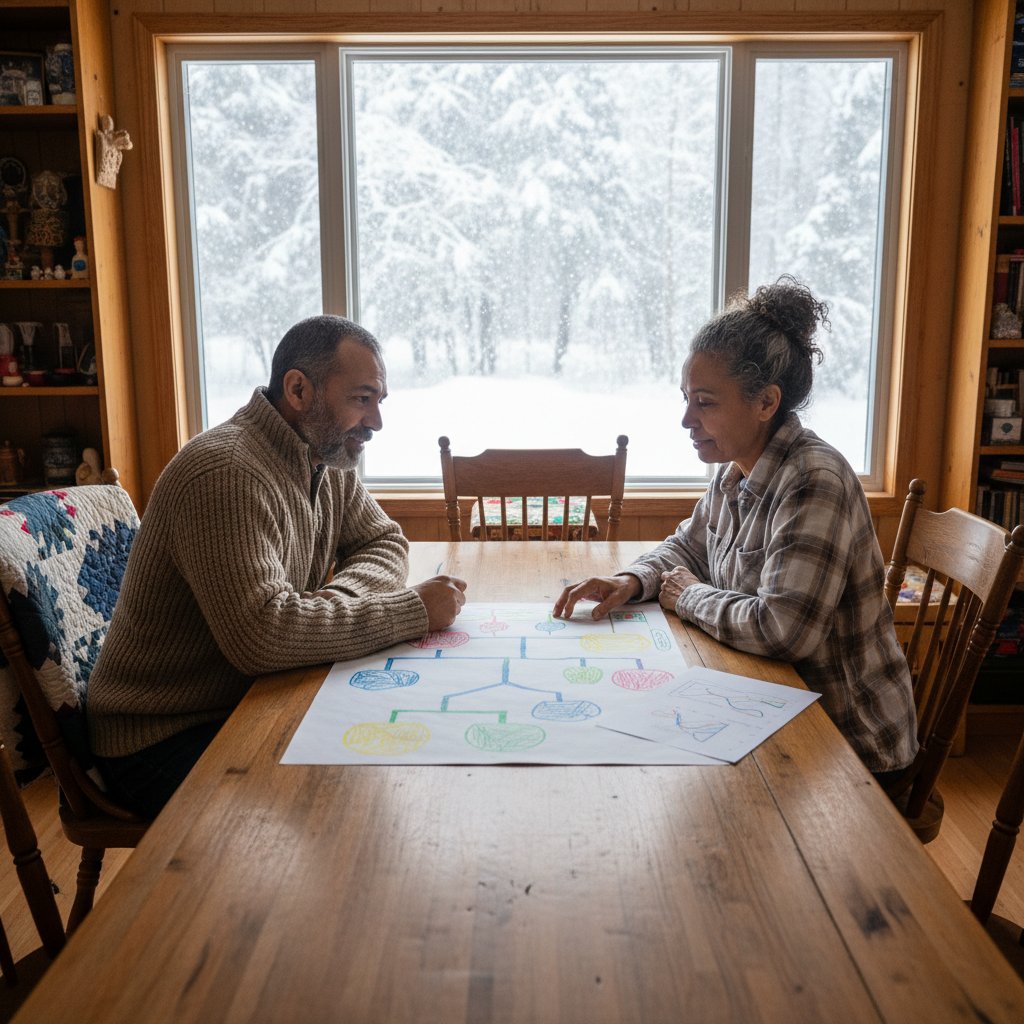
Margaret's situation:
- Age 73, Toronto
- Home worth $900,000 (owned 35 years, paid off)
- Has CPP of $24,000/year
- Two adult children in their 40s trying to buy homes in Toronto
- Both need down payments but have limited savings
The living legacy plan:
- Margaret takes a $150,000 reverse mortgage
- Gifts $75,000 to each child for down payments
- Each child now owns a $600,000 home instead of renting ($2,400/month = $28,800/year)
- Margaret stays in her home, no monthly payments
- After 15 years, reverse mortgage balance grows to ~$280,000
- Margaret's home is inherited by children; they repay the $280,000 from the home sale proceeds
- Net: Each child got $75,000 at the moment they needed it most
Scenario 2: Supporting Adult Children's Careers
James's story:
- Age 69, retired CEO
- Home worth $1.2M
- Daughter wants to leave her job and start a tech business
- Son is a teacher wanting to upgrade his credentials
- Wife is healthy; they have 25+ year life expectancy
The living legacy plan:
- James takes a $200,000 reverse mortgage
- Gifts $100,000 to his daughter to fund the startup (instead of high-interest small business loan)
- Gifts $100,000 to his son for education and living expenses during credential upgrading
- Children can pursue their passions without decades of debt
- James enjoys seeing his children's success while he's alive
- Reverse mortgage balance at James's death: ~$400,000
- Home inherited by children; they repay the debt from sale or refinance into a mortgage in their names
Scenario 3: Helping Adult Child Who Faces Hardship
Patricia's concern:
- Age 76, widow, Ontario
- Home worth $650,000
- Grandson (Patricia's adult grandchild) facing medical debt + unemployment
- Patricia wants to help but doesn't want to deplete all her savings
- Concerned about her own long-term care costs
The living legacy plan:
- Patricia takes a $100,000 reverse mortgage
- Gifts $50,000 to her grandson to cover medical debt and allow him to relocate for a new job
- Keeps $50,000 flexible access for her own potential care needs
- No monthly payments impact Patricia's fixed income
- Reverse mortgage is repaid from her home when it's eventually sold
- Patricia sees her grandson get back on his feet while she's alive to witness it
How the Reverse Mortgage Enables Gifting
Why Not Just Take a Traditional Loan?
Traditional line of credit or loan:
- Requires monthly payments (often $1,000–$2,000/month on a $100,000 loan)
- Senior's fixed CPP income ($24,000/year) can't support these payments
- Creates cash flow crisis
Reverse mortgage:
- Zero monthly payments required
- Senior's income is unaffected
- Interest accrues (doesn't become due) until home is sold or senior passes
- Total cost is the interest accumulated, paid from home sale proceeds
- Senior can gift without jeopardizing their own retirement
Example cost comparison:
- Borrow $100,000 at age 70
- Traditional loan: $1,000/month × 12 = $12,000/year payment (unsustainable on CPP)
- Reverse mortgage: No payment; interest accrues (~$7,240/year); repaid from home sale at death
Tax Treatment: Gift to Children
Good news: Gifts are not taxable to the recipient. Your adult child receives $75,000 from you and reports $0 in taxable income.
Important distinctions:
- Gift: No tax to child, no repayment required
- Loan: Child doesn't report as income, but if you charge interest, the interest income is taxable to you (avoid this; just give the money away)
- Inheritance: Taxable event only if property appreciates significantly (capital gains tax applies to executor/estate, not heirs)
For your own taxes:
- The reverse mortgage funds themselves are not income (they're borrowed money)
- Interest accrued on the reverse mortgage is not deductible against your income (reverse mortgages are personal debt, not investment debt)
- At your death, your estate repays the reverse mortgage from home sale proceeds (no tax consequence)
Structuring the Living Legacy
How Much Should You Gift?
Consider:
- Your remaining life expectancy — Do you need to fund 20+ years of care and living expenses?
- Your other assets — Savings, investments, insurance policies that provide a cushion
- Your children's needs — How much impact does a gift actually make?
- The inheritance you want to leave — How much home equity should remain after the reverse mortgage?
Guideline: Don't gift more than 30–50% of your available equity. This preserves enough for your own care and leaves a meaningful inheritance.
Example: Home worth $800,000, available home equity $400,000 (at 50% LTV). Consider gifting $100,000–$150,000, keeping $200,000–$250,000 available for your own needs.
Structuring Multiple Gifts
You don't have to gift all funds immediately. Options include:
Option A: Lump sum gift
- Take reverse mortgage, gift entire amount to children in Year 1
- Simple, clean, immediate help
- Any funds not gifted immediately are yours to use
Option B: Staged gifts
- Year 1: Gift $50,000 to child A for down payment
- Year 3: Gift $50,000 to child B for education
- Year 5: Gift $50,000 to grandchild for wedding/life event
- Keeps some flexibility for your own needs
Option C: Revolving line of credit approach
- Take reverse mortgage as flexible access ($300,000 approved)
- Gift $100,000 to child A (draw against the line)
- Keep $200,000 available for your own care / future gifts
- As you age, can draw more if needed, or leave unused funds for heirs
Documenting the Gift (Optional but Smart)
For family clarity and tax purposes, consider:
Gift letter (optional):
"I, [Parent Name], gift the sum of $[amount] to my child, [Child Name],
on [date]. This is a gift with no expectation of repayment. I retain no
claim to these funds."
This clarifies to everyone (including the CRA, if ever questioned) that it's a gift, not a loan.
Family meeting:
- Be transparent with all children about the gift strategy
- Explain how it affects their inheritance
- Discuss your reasoning: "I wanted to help while I could see the results"
Impact on Your Child's Finances
The Recipient's Perspective
What your adult child should know:
| Consideration | Reality |
|---|---|
| Is this taxable to me? | No. Gifts are not income. |
| Do I need to repay it? | Only if you made it a loan (get a gift letter if not) |
| Can I use this for anything? | Yes. It's your money to use as you wish. |
| Does it affect my benefits? | No. A gift is not income. |
| Should I feel guilty? | No. Helping the next generation is healthy. |
What Your Child Can Do With the Gift
- First home down payment: Reduce or eliminate mortgage debt
- Education/professional development: Fund a career upgrade without student loans
- Business startup: Reduce reliance on high-interest small business loans
- Debt consolidation: Pay off high-interest credit cards or student loans
- Savings/emergency fund: Build financial security
- Family support: Help with their own children's education, etc.
The beauty of a gift is your child controls its use. It's not tied to any specific purpose.
Tax and Legal Considerations
For the Senior (You)
| Tax Topic | Your Tax Treatment |
|---|---|
| Reverse mortgage funds | Not income; no tax |
| Interest accrual on reverse mortgage | Not deductible (personal debt) |
| Home sale at death | No tax; home is inherited by estate |
| Capital gains on home | Applies to principal residence (exemption typically eliminates tax) |
For the Recipient (Your Child)
| Tax Topic | Child's Tax Treatment |
|---|---|
| Gift received | Not income; no tax reporting |
| Interest or earnings on the gift | If invested, investment income is taxable to child |
| Using gift for education | No tax (though tax-free education savings plans are better for this) |
Consult a tax advisor about your specific situation, especially if you're in a higher tax bracket or if the gift is large.
Frequently Asked Questions
Q: Will gifting home equity reduce my OAS or GIS?
A: No. The gift itself is not income. However, if the funds sit in your bank account and generate investment income, that income could affect GIS. Encourage your child to use or invest the gift promptly.
Q: What if I gift now, then need the money later for my own care?
A: Once you've gifted the funds, they're no longer yours. Plan carefully. Consider keeping some reverse mortgage capacity unused (as flexible access) for your own future needs.
Q: What if my adult children don't deserve the help?
A: This is a personal family decision. You have the right to choose not to gift, or to gift unequally. A family conversation about your reasoning can prevent resentment.
Q: Can I gift to only one child, not all of them?
A: Yes. You might gift $100,000 to one child because they have greater need, and $0 to others. This can create tension, but it's your money. Transparency helps.
Q: How will the reverse mortgage debt affect my child's inheritance?
A: They'll inherit less. If your home is worth $800,000 and the reverse mortgage balance is $300,000, they inherit $500,000 (after the debt is repaid). This is the trade-off for receiving help today vs waiting for the full inheritance after your death.
This article is for educational purposes only and does not constitute financial or tax advice.
Consult a qualified tax advisor and lawyer for guidance specific to your situation.
Speak to a licensed mortgage professional. Independent legal advice is required before closing a reverse mortgage in Ontario.
Ready to create a living legacy for your family? Get your free Ontario Reverse Mortgage Guide →
Also read:
- Living legacy: Gifting home equity to family
- Reverse mortgage and inheritance
- How much can you borrow with a reverse mortgage?
This content is for illustrative purposes only. Rates may vary. Call Rick Sekhon for the best rates and more information.
Ready to Learn More?
Get the free Ontario Reverse Mortgage Guide and find out exactly how much you could unlock from your home.
Get My Free Guide →Related Articles
Reverse Mortgage and Inheritance: What Happens to Your Estate?
Clear guide: how reverse mortgages affect your heirs and estate. Understand the no-negative-equity guarantee and how to protect your family's inheritance.
Read →Reverse Mortgage Eligibility in Ontario: Complete 2026 Guide
Everything Ontario homeowners need to know about qualifying for a reverse mortgage in 2026. Covers age requirements, home equity, property types, and the application process.
Read →Gift Home Equity to Family with a Reverse Mortgage in Canada
How Canadian seniors use a reverse mortgage to gift home equity to children and grandchildren as a living legacy — the financial, tax, and family planning details.
Read →