
Reverse Mortgage for Home Expansion: Creating Caregiver Quarters When Adult Child Becomes Primary Caregiver
Fund a home addition or expansion to create private caregiver space when your adult child moves in to provide care in Ontario.
When your adult child becomes your primary caregiver, the traditional parent-child home dynamic shifts. Creating dedicated, private space for your caregiver isn't a luxury—it's essential for everyone's wellbeing. A caregiver living in constant proximity without personal space experiences burnout at double the rate of caregivers who have boundaries and refuge.
A reverse mortgage can fund a home expansion or secondary dwelling that transforms caregiving from a sacrificial ordeal into a sustainable arrangement that works for everyone.
The Reality of Live-In Caregiving
When an adult child moves in to provide care—whether you've had a health crisis, cognitive decline, or simply need daily support—your home dynamics change fundamentally:
The Caregiver's Burden
Your adult child is now on call 24/7. They manage your medications, assist with personal care, coordinate medical appointments, handle household tasks, and provide emotional support. Without boundaries and personal space, this responsibility consumes their entire identity and life. Burnout, resentment, and health deterioration follow.
The Parent's Guilt
You worry about the sacrifice your child is making. Witnessing their fatigue and stress amplifies your own anxieties about being a burden. This emotional weight complicates your recovery and your relationship.
The Family Tension
If other adult children exist, they may feel judgment: "Why are you doing this?" or "Why aren't we all sharing responsibility?" Siblings feel guilty. Spouses of the caregiving child feel neglected. The whole family dynamic becomes fraught.
The Relationship Risk
Parent-child relationships have boundaries. When your adult child becomes your primary caregiver without proper space and structure, those boundaries erode. You may feel resentment at their independence (they're caring for you, not living their own life), and they may feel resentment at your dependency.
A dedicated caregiver space—whether an addition, secondary suite, or separate entrance—creates the physical and psychological boundary that makes long-term caregiving sustainable.
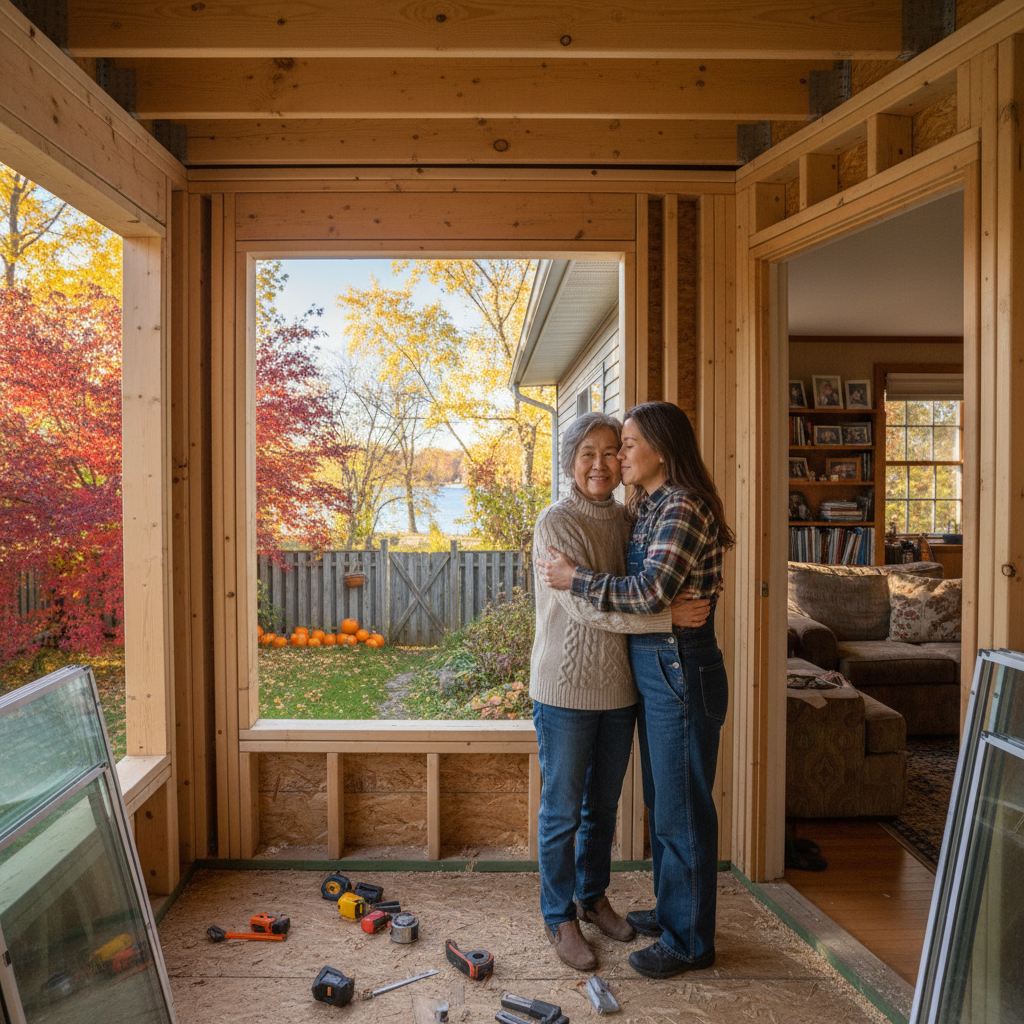
Why Dedicated Space Matters
Research on live-in family caregivers consistently shows that dedicated personal space for the caregiver is the strongest predictor of caregiving sustainability and family relationship preservation.
Psychological Boundaries
When your adult child can retreat to their own space—to shower, decompress, sleep, work on their own interests—they maintain their individual identity beyond "caregiver." This is fundamental to psychological health and prevents the identity collapse that leads to burnout.
Physical Health Protection
Caregivers living without boundaries experience elevated cortisol, disrupted sleep, and immune suppression. Access to personal space and respite reduces these physiological stress responses dramatically. Your child is more likely to stay healthy enough to continue providing care.
Relationship Preservation
When your child can step away and close a door, interactions become intentional rather than constant. Parent-child time is relational time, not just task-management time. This preserves the warmth in your relationship rather than calcifying it around caregiving tasks.
Modeling for Other Siblings
Seeing your child have boundaries and support models healthy caregiving for their siblings. Other adult children are more likely to contribute when they see their sibling isn't being destroyed in the process.
Financial Fairness
If other adult children are contributing financially or they expect to inherit equally, dedicated caregiver space shows you're not asking the caregiving child to sacrifice everything. You're creating a sustainable, boundary-respecting arrangement.
Home Expansion Options for Caregiver Space
In-law Suite or Secondary Suite
The most effective solution: an entirely separate suite with its own kitchen, bathroom, bedroom, and entrance. Costs: $80,000-$150,000+
- Complete independence for the caregiver
- Your child can have their own guests and life
- Easier renting if circumstances change
- Best long-term flexibility
Basement Apartment
Converting basement space into a private suite (bedroom, 3-piece bathroom, small kitchenette). Costs: $40,000-$80,000
- Less expensive than above-ground addition
- Good if your home already has high basement ceilings
- Natural separation and soundproofing from main home
- Potential rental income if caregiver moves out
Bedroom and Ensuite Addition
Adding a dedicated bedroom with private ensuite bathroom. Costs: $50,000-$100,000
- Requires less footprint than full suite
- Caregiver still accesses main kitchen
- Maintains closer connection to parents
- Good for moderate caregiving situations
Garage Conversion
Converting attached garage into living space (bedroom, bathroom, small living area). Costs: $40,000-$70,000
- Uses existing structure, reducing costs
- Separate entrance maintains boundaries
- Good for milder climates or situations where car storage isn't essential
- Fastest renovation timeline
Mobile Home or RV on Property
In some cases, adding a separate mobile home or RV on your property. Costs: $30,000-$80,000 plus permits
- Completely separate structures
- Very flexible if circumstances change
- Lower costs for some families
- Check municipal zoning regulations (some Ontario municipalities restrict this)
Reverse Mortgage Funding: The Financial Reality
Home expansions are expensive, but they're one-time costs that dramatically improve quality of life. A reverse mortgage makes this affordable:
Typical Costs
- In-law suite: $100,000-150,000
- Basement apartment: $50,000-$80,000
- Bedroom addition: $60,000-$100,000
Reverse Mortgage Benefits
- Borrow enough to cover both renovation and contingency (10-15% buffer for overruns)
- No monthly payments—funds come from home equity
- Your adult child's caregiving income doesn't affect mortgage qualification
- Improved home accessibility/functionality increases property value, reducing net equity loss
Estate Planning Advantage
Unlike traditional borrowing that must be repaid from your estate, a reverse mortgage is repaid only from home sale or estate. If your home value increases, your adult child's caregiver suite adds value. If it stays flat, the equity used was going to your child anyway (inheritance).
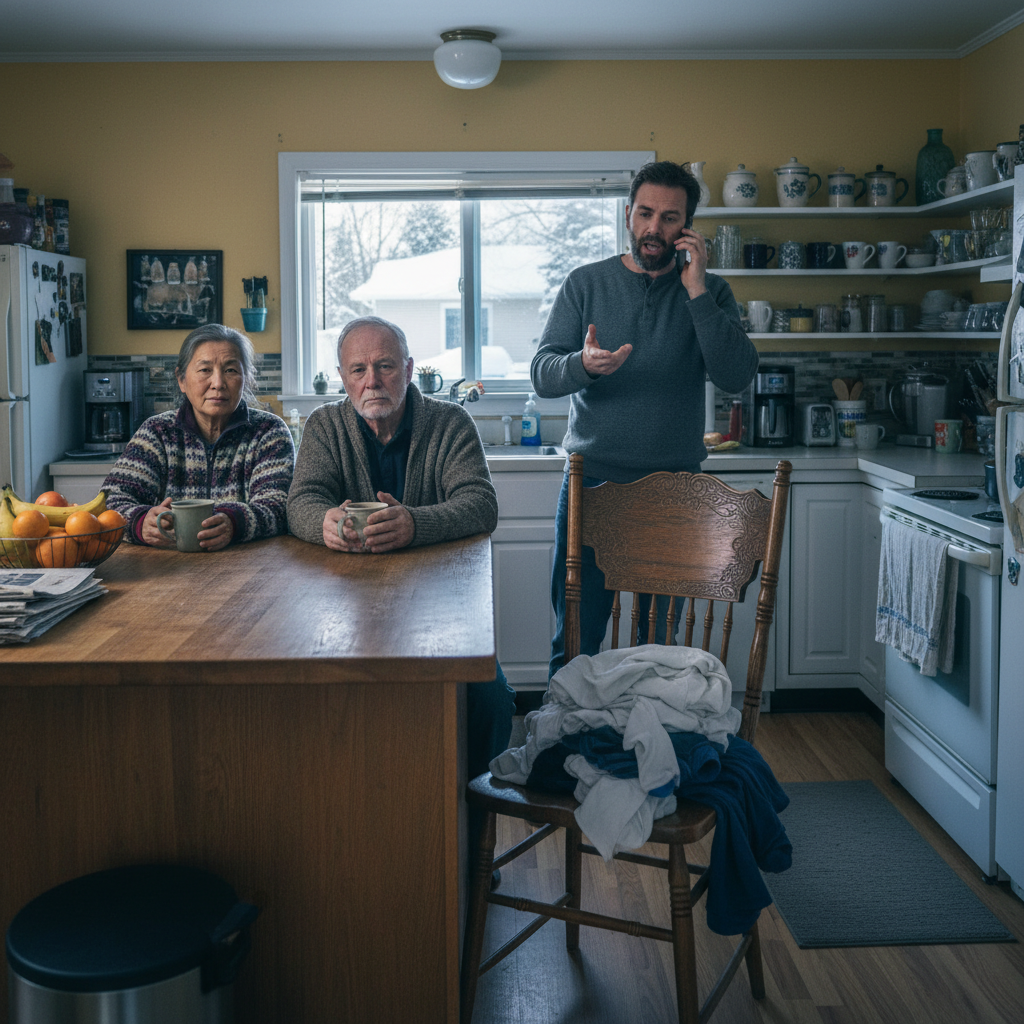
Structuring the Caregiving Arrangement
Creating caregiver space is also an opportunity to structure the relationship clearly:
Formalize the Agreement
- Document the caregiving arrangement in writing (not legally binding necessarily, but clear)
- Specify what caregiving entails: personal care, medication, meal preparation, transportation, etc.
- Define the term: Is this short-term (post-surgery recovery) or long-term?
- Clarify expectations about the caregiver's other responsibilities and time off
Establish Compensation
This is delicate but important:
- Some families pay the caregiver a monthly stipend
- Some pay for caregiver training or certification
- Some offset costs against inheritance ("you'll receive less because I've funded your living space")
- Some provide free housing but expect the child to maintain employment elsewhere
Be explicit about what the arrangement means financially.
Protect Everyone's Interests
- Insurance: Verify your home insurance covers additional occupancy
- Legal clarity: Have a lawyer review the arrangement if significant money is involved
- Tax implications: Depending on compensation, there may be tax considerations
- Estate: Clarify whether the dedicated space reduces the caregiver's inheritance
Plan for Endings
Even in long-term arrangements, plan for when the caregiving ends:
- What happens when you move to long-term care?
- Can your adult child rent the space to generate income?
- What if your relationship with your adult child deteriorates?
- How do other siblings view the space in the estate?
The Conversation With Your Adult Child
This requires honesty and appreciation:
- Acknowledge the sacrifice: "I see how much you're giving up to care for me."
- Offer boundaries: "I want you to have space and privacy—this expansion is for you."
- Discuss logistics: "Let's plan what this space needs to be restful and functional for you."
- Address duration: "I want to be realistic about how long this works for both of us."
- Express gratitude: "I know you could be living your own life. Thank you for choosing to be here."
Impact on Family Dynamics
When siblings see you funding adequate caregiver space, it changes how they think about family caregiving:
For the Caregiving Child
- Validation that their sacrifice is recognized and valued
- Permission to maintain boundaries and self-care
- Reduced guilt about "not doing enough"
- Ability to support a parent without destroying their own life
For Other Siblings
- Recognition that you're not asking unfair sacrifice
- Permission to contribute differently (financially, emotional support, respite care)
- Model for how to support aging parents sustainably
- Increased willingness to share caregiving responsibility
For You
- Quality care from someone who has boundaries and sustainability
- Preserved relationship with your child (not destroyed by resentment)
- Ability to advocate for your needs without fear of losing your caregiver
- Peace of mind knowing the arrangement is sustainable
Long-Term Value and Estate Planning
A reverse mortgage-funded caregiver space affects your estate:
Home Value Impact
- A well-designed in-law or caregiver suite typically adds 5-10% to home value
- Increases marketability for families or multi-generational living
- May offset or exceed the reverse mortgage equity used
Estate Considerations
- If your child eventually moves out, the space becomes an asset (rental income or sale value)
- Clarify in your will whether this caregiver space is considered an advance on their inheritance
- Discuss with other siblings how the arrangement affects equity distribution
- Document whether the space was a gift or a trade for caregiving
The Bigger Picture: Aging in Place With Dignity
Creating dedicated caregiver space when your adult child becomes your primary supporter isn't indulgent—it's necessary. It allows:
- Your child to provide care sustainably (not burning out)
- You to receive care from someone who has boundaries and wellbeing
- Your family relationship to remain warm and connected
- Other siblings to see family caregiving as achievable without sacrifice
- Your adult child to maintain their own life, identity, and future
A reverse mortgage makes this possible.
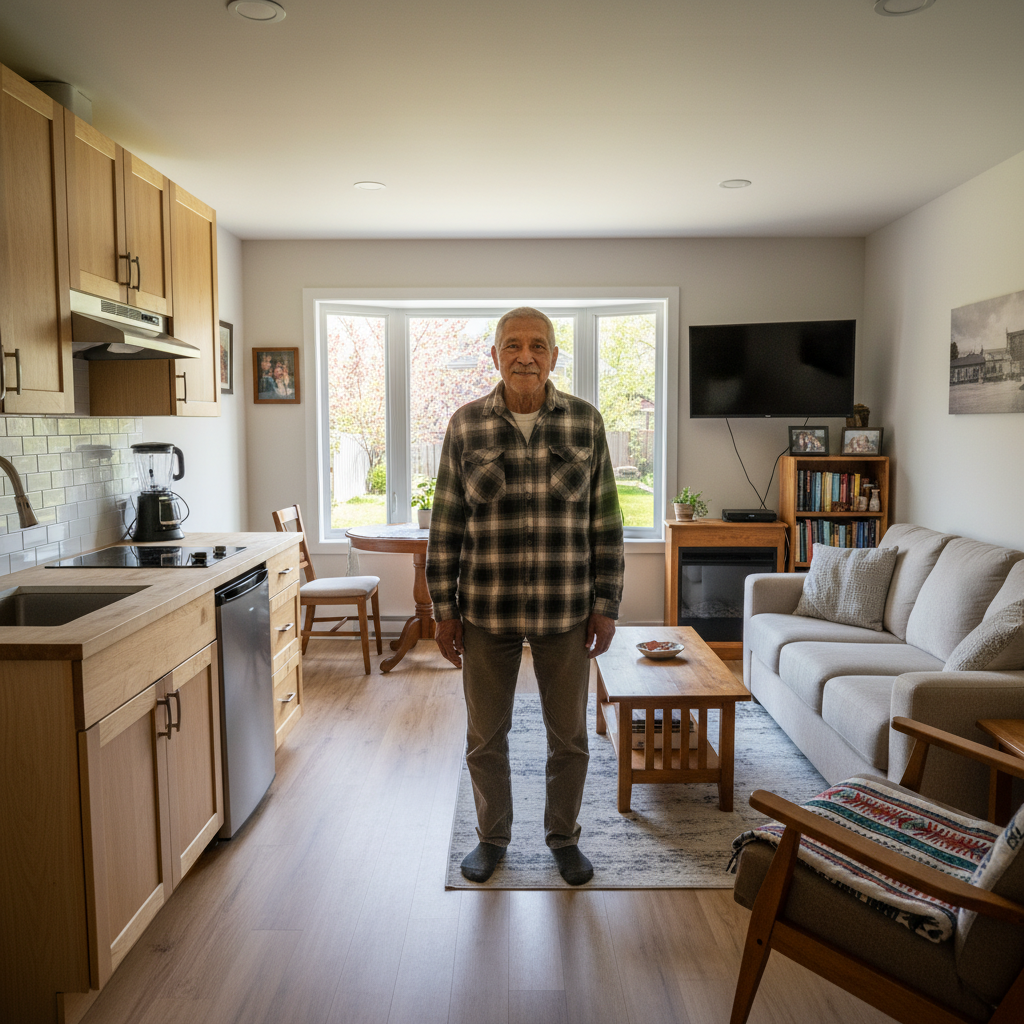
The Bottom Line: When your adult child becomes your primary caregiver, investing in dedicated living space isn't a luxury—it's essential infrastructure for sustainable, healthy caregiving. A reverse mortgage makes this investment affordable, allowing you to age in place while protecting both your wellbeing and your child's. It's an investment in everyone's health and your relationship's future.
Ready to Learn More?
Get the free Ontario Reverse Mortgage Guide and find out exactly how much you could unlock from your home.
Get My Free Guide →Related Articles
Reverse Mortgage for Smart Home Health Monitoring: IoT Systems for Aging in Place
Use a reverse mortgage to install smart home health monitoring systems that keep you safe while aging in place in Ontario.
Read →Reverse Mortgage for Hoarding: Creating Safe, Functional Living Spaces
How to use a reverse mortgage to address hoarding behaviors and create safe, accessible living spaces for aging in place with dignity.
Read →Environmental Remediation: Funding Contamination Cleanup with Reverse Mortgage
Discover how Ontario homeowners can fund environmental remediation, soil testing, and contamination cleanup costs using reverse mortgage capital.
Read →