
Home Energy Audits: Fund Professional Efficiency Assessments with Reverse Mortgage
Professional home energy audits reveal hidden inefficiencies and repair priorities. Fund audits and upgrades with reverse mortgage. Ontario guide for 55+.
Your heating and cooling bills seem high, but you don't know where to start with improvements? A professional home energy audit identifies exactly where your home is losing money — and provides a priority-ranked list of upgrades that deliver the highest return. But audits cost $400–$800, and many seniors skip this critical first step. A reverse mortgage can fund both the audit and the upgrades it reveals, turning energy diagnosis into action and creating a clear roadmap for long-term savings.

What Is a Home Energy Audit and Why Ontario Homes Need One
A home energy audit is a professional assessment of your home's energy performance using thermal imaging, duct testing, and detailed inspection to identify where heat escapes, air leaks exist, and systems operate inefficiently.
According to Natural Resources Canada (NRCan), the average Ontario home built before 2000 wastes 25–35% of heating and cooling energy through:
- Air leaks around windows, doors, and electrical outlets
- Inadequate insulation in attics, basements, and walls
- Inefficient furnaces, water heaters, and air conditioning systems
- Ductwork with leaks and poor design
- Thermal bridges and uninsulated foundation bands
A professional energy audit doesn't just identify problems — it quantifies them with thermal imaging and provides a ranked list of upgrades showing estimated annual savings per improvement.
Example Energy Audit Results:
| Finding | Annual Cost | Recommended Upgrade | Cost | Annual Savings | ROI |
|---|---|---|---|---|---|
| Attic air leaks + poor insulation | $1,200 | Seal + add insulation | $4,500 | $800 | 5.6 years |
| Basement walls (no insulation) | $800 | Spray foam insulation | $6,000 | $600 | 10 years |
| Furnace 24 years old | $2,200 | High-efficiency replacement | $10,000 | $900 | 11 years |
| Ductwork leaks (20% loss) | $400 | Seal and insulate ducts | $2,000 | $300 | 6.7 years |
| Windows (single-pane, 8 old) | $600 | Replace with weatherproof | $12,000 | $500 | 24 years |
| TOTAL | $5,200/year | Full package | $34,500 | $3,100/year | 11 years |
An audit that costs $600 reveals $34,500 in cost-effective upgrades saving $3,100 annually. That's a 516% return on the audit cost alone.
Why Ontario Seniors Avoid Energy Audits (And Why That's Expensive)
Most Ontario seniors skip professional energy audits for three reasons:
1. Upfront cost ($400–$800) feels like wasted money when it goes toward diagnosis rather than fixes.
2. Decision paralysis — results can be overwhelming. A typical audit produces 8–12 recommendations; without professional guidance, seniors don't know which upgrade to prioritize.
3. Perception of "optional" spending — heating and cooling work fine (if inefficiently), so the audit feels discretionary rather than urgent.
This false economy costs thousands. A homeowner skipping a $600 audit might replace their furnace first (addressing $2,200 annual loss), when the audit would have recommended attic sealing first ($1,200 loss, $4,500 cost, faster payback). Without the audit, they might spend $10,000 on furnace replacement, miss $800 in annual savings by skipping attic work, and delay more cost-effective upgrades.
A reverse mortgage removes the "upfront cost" barrier by funding both the audit ($600) and the recommended upgrades ($5,000–$30,000) in one comprehensive draw.
The Reverse Mortgage + Energy Audit Strategy
Step 1: Apply for Reverse Mortgage Standard application for a lump-sum draw or line of credit. Approval includes home appraisal but doesn't require specifying improvements yet.
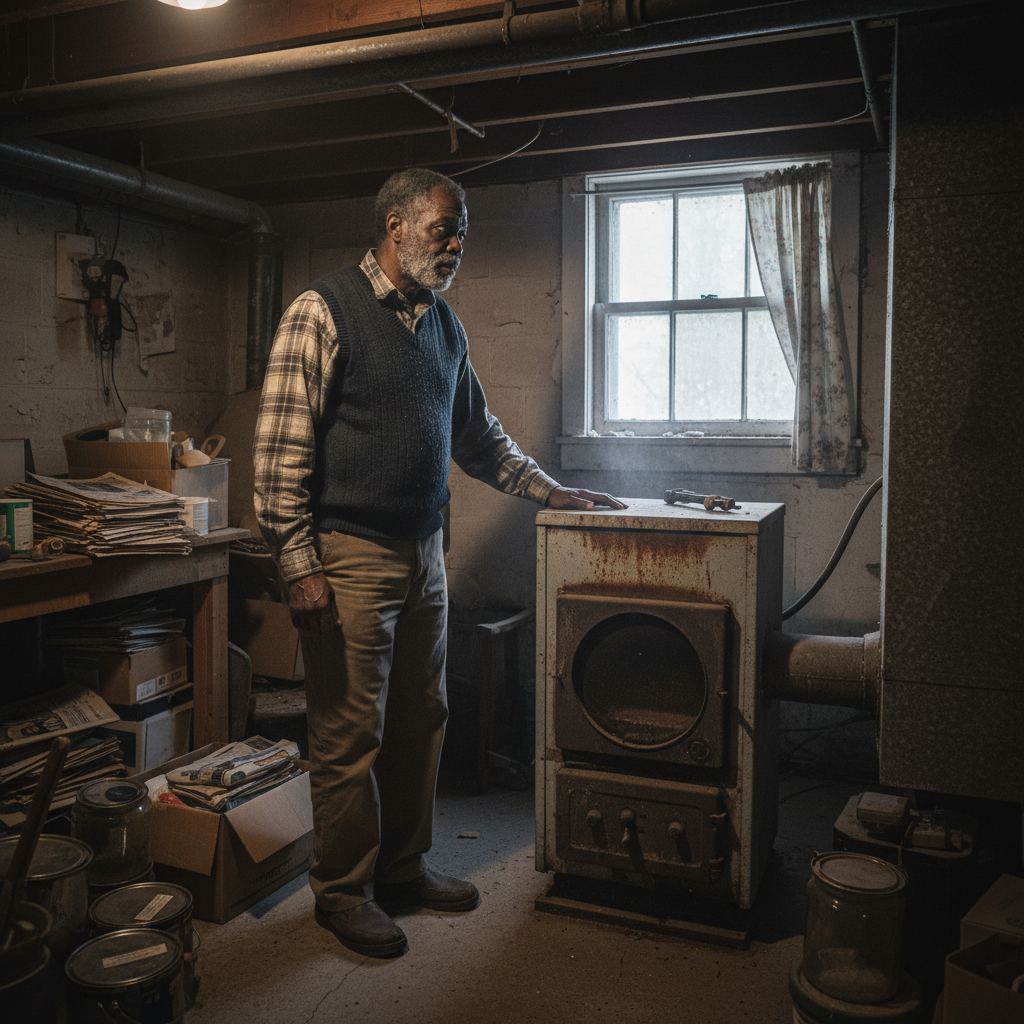
Step 2: Fund Professional Energy Audit After reverse mortgage closes, use a small portion of funds ($600–$800) to hire a certified energy auditor. Professional audits include:
- Thermal imaging (identifies air leaks, insulation gaps)
- Ductwork testing (quantifies heating/cooling loss)
- Equipment efficiency assessment (furnace, water heater, AC)
- Air tightness testing (blower door test)
- Detailed written report with upgrade recommendations ranked by ROI
Step 3: Prioritize Recommended Upgrades The audit report ranks upgrades by return on investment. A strategic homeowner uses the reverse mortgage to fund Tier 1 upgrades (highest ROI, fastest payback) immediately, and reserves remaining credit for Tier 2 work.
| Tier | Examples | Payback | Timing |
|---|---|---|---|
| Tier 1 (Immediate) | Air sealing, insulation top-up | 5–8 years | Year 1 |
| Tier 2 (Near-term) | Furnace replacement, ductwork sealing | 10–15 years | Years 1–3 |
| Tier 3 (Future) | Window replacement, major structural work | 20+ years | Years 3+ |
Step 4: Lock in Government Grants Many energy upgrades qualify for federal or provincial grants. An energy audit report specifically supports grant applications.
Step 5: Track Savings and Reinvest As upgrades reduce heating/cooling costs, those savings can accelerate repayment of reverse mortgage (optional) or be allocated to other retirement needs.
Professional Energy Auditors in Ontario: How to Choose
Ontario has two types of energy auditors:
Certified Energy Auditors (CEA) — Certified by Professional Engineers Ontario (PEO) or Energy Advisors Association of Canada (EAAC). These professionals have formal training, liability insurance, and ethical standards.
Uncertified contractors offering "energy audits" — Often salespeople disguised as auditors; their report recommends their services, creating bias.
When searching for an auditor: ✓ Verify PEO or EAAC certification (check registry online) ✓ Request references from recent audit clients (not just contractors) ✓ Confirm insurance and liability coverage ✓ Ask about their upgrade cost estimates — do they partner with specific contractors? (Potential bias) ✓ Verify the audit report is independent, not sales material for a specific company
Cost: $500–$900 for a comprehensive home audit. This should include a detailed written report you can use to get competitive contractor quotes — not a locked-in contract with the auditor's preferred contractor.
Government-Funded Energy Audits (Sometimes Free)
Several Ontario programs offer free or subsidized energy audits:
Natural Resources Canada Home Energy Audit
- Cost: Often free; subsidized for low-income households
- Process: Apply through your municipality
- Timeline: 6–12 weeks from application to audit
- Limitation: Audit only; doesn't fund recommended upgrades
Ontario Retrofit Incentive Program (ORIP)
- Cost: Free energy audit for eligible projects
- Eligibility: Income-qualified households making insulation or HVAC upgrades
- Process: Apply before audit; must work with approved contractors
- Limitation: Audit is free, but upgrades must use specific approved contractors
Utility Company Audits
Many Ontario utilities (Hydro One, Toronto Hydro, Enbridge Gas) offer free or $50–$100 audits for residential customers as part of energy conservation programs. These are less comprehensive than professional audits but identify quick wins.
Strategy: If income-qualified, access a free government audit before paying for private audit. Free audits are good for identifying major issues but often lack thermal imaging depth. Consider a private audit afterward ($400–$600) for detailed recommendations.
Energy Audit Findings: Real Ontario Example
Case Study: Margaret, 71, in Mississauga
Margaret's 1987-built home felt cold in winter, and her heating bills averaged $350/month (Nov–March). She assumed furnace replacement was necessary and was quoted $10,000 by one contractor.
Energy Audit Results ($650 cost):
- Attic air leaks (poor insulation seal): $1,200/year loss
- Basement foundation walls (no insulation): $600/year loss
- Furnace 20 years old (80% efficient): $800/year loss
- Ductwork with 15% leakage: $300/year loss
- Total Annual Loss: $2,900/year
Recommended Upgrades (ROI-ranked):
- Attic air sealing + insulation top-up: $4,200 cost → $1,200/year savings → 3.5 year payback ✓
- Basement foundation insulation: $5,500 cost → $600/year savings → 9 year payback ✓
- Furnace replacement: $10,000 cost → $800/year savings → 12.5 year payback (optional for her age)
- Window replacement: $15,000 cost → $400/year savings → 37.5 year payback ✗
Margaret's Decision: She obtained a $12,000 reverse mortgage draw, completed Tier 1 attic work immediately ($4,200), added Tier 2 basement insulation ($5,500), and reserved remaining funds for future needs. Her annual heating bill dropped from $2,900 to $1,300 — a $1,600 annual savings. The audit investment ($650) plus Tier 1 + Tier 2 work ($9,700) cost $10,350 total, paying for itself in 6.5 years while she retained reserve reverse mortgage credit for emergency needs.
Without the audit, Margaret would have replaced her furnace first ($10,000), missed the $1,200 attic savings opportunity, and spent the same money with less comprehensive benefit.
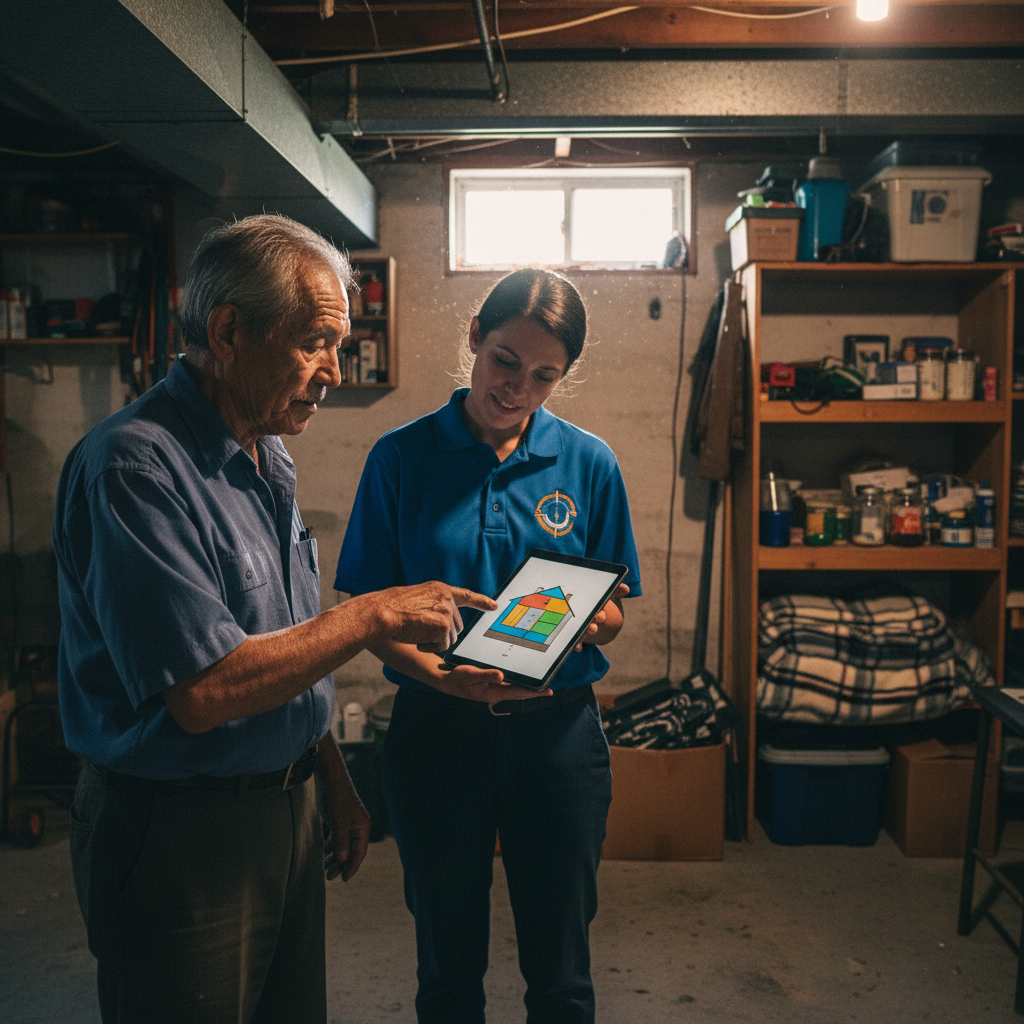
Reverse Mortgage + Energy Audit Integration With Contractors
After an energy audit, you'll solicit contractor bids for recommended work. Here's how to coordinate with a reverse mortgage:
1. Get Audit Report First Complete the energy audit before requesting contractor quotes. The audit provides exact specifications (insulation R-value, furnace BTU output, ductwork dimensions) that contractors need for accurate quotes.
2. Share Report with Multiple Contractors Provide the audit report to 3–5 contractors independently. This ensures you're comparing apples-to-apples solutions rather than varied interpretations.
3. Request Financing-Flexible Contracts Many contractors can adjust payment terms if they know you're funding via reverse mortgage. Some will:
- Accept a higher initial deposit (reverse mortgage lump sum available) in exchange for 2–3% discount
- Stage payments by project phase (matches contractor workflow)
- Provide detailed invoices showing work completed, aligning with your reverse mortgage draws
4. Reserve Contingency Funds If audits reveal additional issues during work (wet insulation in attic, hidden mold, compromised ductwork), contractors often request scope changes mid-project. Keep 10–15% of your reverse mortgage draw unallocated for contingencies.
Government Grants That Stack With Energy Audits
Energy audits unlock multiple government incentives:
| Grant | Funding | Qualification |
|---|---|---|
| CMHC Low-Income Home Energy Assistance | Up to $3,500 | Household income <$35,000 |
| Canada Greener Homes Grant | Up to $5,000 for insulation/HVAC | Any homeowner |
| Ontario Renovation Tax Credit | 15% of eligible upgrades | Claim on tax return |
| Utility Rebates (Hydro One, Toronto Hydro, Enbridge) | $100–$500 per upgrade | Energy-efficient equipment |
Example: After Margaret's audit, she:
- Applied for Canada Greener Homes Grant ($3,000 approved for attic work)
- Claimed Ontario Renovation Tax Credit (15% x $9,700 = $1,455)
- Applied for Hydro One insulation rebate ($250)
- Total grant/credit value: $4,705
Her $10,350 out-of-pocket cost was reduced to $5,645 effective cost through stacked incentives.
Quick Reference: Energy Audit Investment Math
| Home Age | Typical Audit Cost | Common Finding Annual Loss | Payback of Audit Cost |
|---|---|---|---|
| Pre-1980 | $600–$800 | $2,000–$3,500 | 2.4–4.3 months |
| 1980–1995 | $500–$700 | $1,500–$2,500 | 2.8–5.6 months |
| 1995–2005 | $400–$600 | $800–$1,500 | 3.2–7.5 months |
| 2005+ | $400–$500 | $300–$800 | 6–20 months |
Almost all Ontario homes pay for their energy audit within the first year of recommended upgrades.
Frequently Asked Questions
How long does a professional energy audit take?
A comprehensive audit typically takes 2–3 hours on-site. The auditor then spends 1–2 weeks analyzing data and preparing a detailed report. You'll receive the written report 7–14 days after the audit visit.
Does an energy audit guarantee I'll save money?
An audit identifies opportunities for savings — but savings depend on implementing recommendations. A $600 audit that finds $2,900 in annual losses guarantees nothing if you don't act. However, most recommended upgrades are cost-effective (ROI under 15 years), making implementation worthwhile. Your reverse mortgage makes implementation easier by providing capital without monthly payment obligation.
Can CHIP, Equitable Bank, or Home Trust funds be used for energy audits?
Yes. All major lenders allow reverse mortgage proceeds for any home-related purpose, including energy audits and the recommended upgrades. Confirm with your lender, but restrictions are unlikely.
What if the energy audit recommends expensive work I can't afford?
This is exactly where a reverse mortgage excels. An audit ranks recommendations by ROI; you implement Tier 1 (high ROI, affordable) and reserve remaining reverse mortgage credit for Tier 2 work over time. You're not forced to complete every recommendation — only implement what makes financial sense for your remaining lifespan.
Will an energy audit increase my home's assessed value (and therefore property taxes)?
An energy audit itself doesn't change your assessment — it's not a capital improvement. However, completed energy upgrades (new furnace, insulation, windows) may modestly increase your home's appraised value. In Ontario, property assessments are conducted by MPAC and reassessments happen every 4 years. Upgrades might increase your tax assessment 2–5% (modest compared to energy savings).
I'm planning to move in 5 years. Is an energy audit still worth it?
Yes. Most audit-recommended upgrades (attic sealing, insulation, furnace replacement) improve home value and appeal to buyers. A furnace replacement ($10,000 cost, $3,000 benefit) and attic insulation ($4,200 cost, $800 annual savings) add $8,000+ to your home's market value. When selling, energy-efficient homes appraise higher and sell faster.
The Energy Audit: Your Roadmap to Efficiency
An energy audit is the single most valuable decision a homeowner can make before investing in improvements. It transforms guessing ("My heating is high; maybe I need a furnace?") into data-driven decisions ("My attic air leaks cost me $1,200/year; attic sealing pays back in 3.5 years").
A reverse mortgage removes the financial barrier to audits and makes implementing recommendations affordable — without monthly payment burden on fixed retirement income.
Contact Rick Sekhon Reverse Mortgages to explore funding both your audit and recommended upgrades in one reverse mortgage application.
Quick Reference
| Step | Action | Cost | Timeline |
|---|---|---|---|
| 1 | Apply for reverse mortgage | $0–$500 (fees) | 4–5 weeks |
| 2 | Complete energy audit | $500–$800 | 1–2 weeks |
| 3 | Get contractor quotes | $0 | 1–2 weeks |
| 4 | Secure grants/rebates | $0 | Varies |
| 5 | Begin Tier 1 upgrades | $3,000–$8,000 | 2–8 weeks |
| 6 | Track annual savings | $400–$1,500/year | Ongoing |
Ready to Learn More?
Get the free Ontario Reverse Mortgage Guide and find out exactly how much you could unlock from your home.
Get My Free Guide →Related Articles
Reverse Mortgage for Home Renovations: Aging in Place Guide for Ontario Seniors
Learn how to use a reverse mortgage to fund home renovations and modifications that let you age in place safely and comfortably in your Ontario home. Includes cost examples and step-by-step process.
Read →Reverse Mortgage for Climate Resilience and Severe Weather Home Upgrades
Use a reverse mortgage to fund climate-resilient home upgrades in Ontario — sump pumps, backup power, storm hardening, and flood protection.
Read →Using a Reverse Mortgage as an Emergency Fund in Retirement
Discover how a reverse mortgage can serve as an emergency fund in retirement for Ontario seniors. Compare options, costs, and setup strategies.
Read →