
Can You Lose Your Home with a Reverse Mortgage in Canada?
The truth: a reverse mortgage won't force you to sell during your lifetime. Learn what triggers repayment and when the lender can act.
"Can the bank take my home if I get a reverse mortgage?" This is the #1 fear preventing Canadian seniors from exploring reverse mortgages. The short answer: no. A reverse mortgage cannot trigger home loss while you're living there. Let's explain exactly what triggers repayment and what happens to your home.
This article is for educational purposes only and does not constitute financial advice.
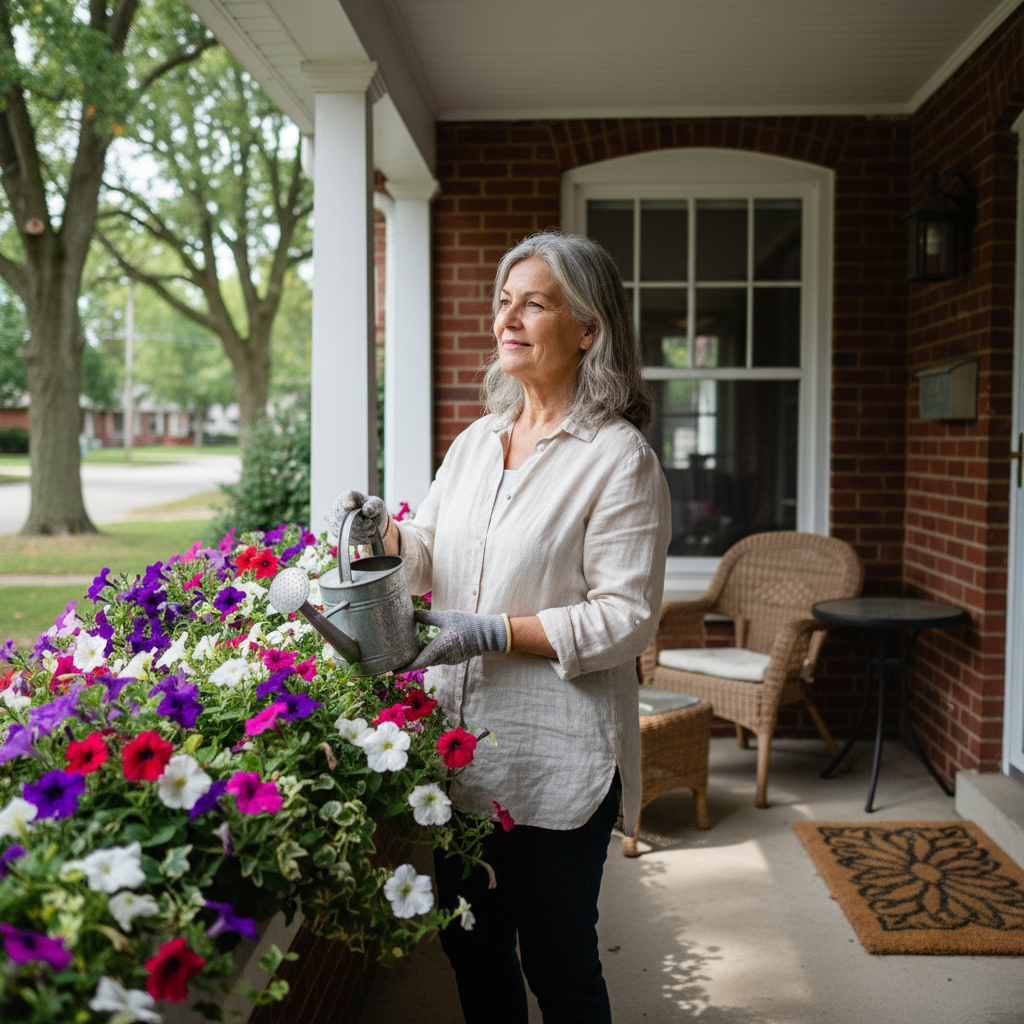
The Core Truth: You Keep Your Home
When you obtain a reverse mortgage, you retain full ownership and legal title to your home. The lender holds a mortgage lien (similar to a traditional mortgage), but the property is yours.
According to the Financial Consumer Agency of Canada (FCAC), "Reverse mortgage borrowers maintain full ownership rights, control, and responsibility for their home throughout the term of the mortgage."
What This Means Practically
- ✓ You live in the home as the owner
- ✓ You make decisions about the home (renovations, maintenance)
- ✓ You can sell the home anytime
- ✓ The lender cannot evict you or force a sale while you're there
- ✓ Your heirs inherit the remaining equity when you pass away
When Does the Reverse Mortgage Become Due?
The reverse mortgage is repaid only in these specific circumstances:
Trigger 1: You Sell the Home
If you decide to sell your home—whether downsizing, relocating, or any reason—the reverse mortgage is paid from sale proceeds.
Example:
- Home sells for: $450,000
- Reverse mortgage balance: $250,000
- You (or heirs) receive: $200,000 after payoff
You control this decision entirely. You can sell whenever you choose.
Trigger 2: You Move Permanently to Another Residence
If you move to a different primary residence (downsizing, relocating for family, etc.), the reverse mortgage becomes due, typically within 60–90 days.
Important note: Temporary moves don't trigger repayment:
- ✓ Winter vacations in Florida or Arizona
- ✓ Extended stays with family
- ✓ Hospital or rehabilitation visits (temporary recovery)
Permanent moves do trigger repayment:
- ✗ Moving to a new primary residence (by choice or necessity)
- ✗ Moving to long-term care or nursing home (permanent relocation)
Trigger 3: The Last Borrower Passes Away
When the last registered borrower on the reverse mortgage dies, the lender notifies the estate. The estate then has typically up to 12 months to repay the mortgage or arrange refinancing.
Process:
- Lender notifies executor of loan balance and interest accrued
- Estate arranges appraisal and sale (if desired)
- Home is sold and reverse mortgage is paid from proceeds
- Remaining equity passes to heirs
The lender cannot seize the home during this period; the estate controls the process.
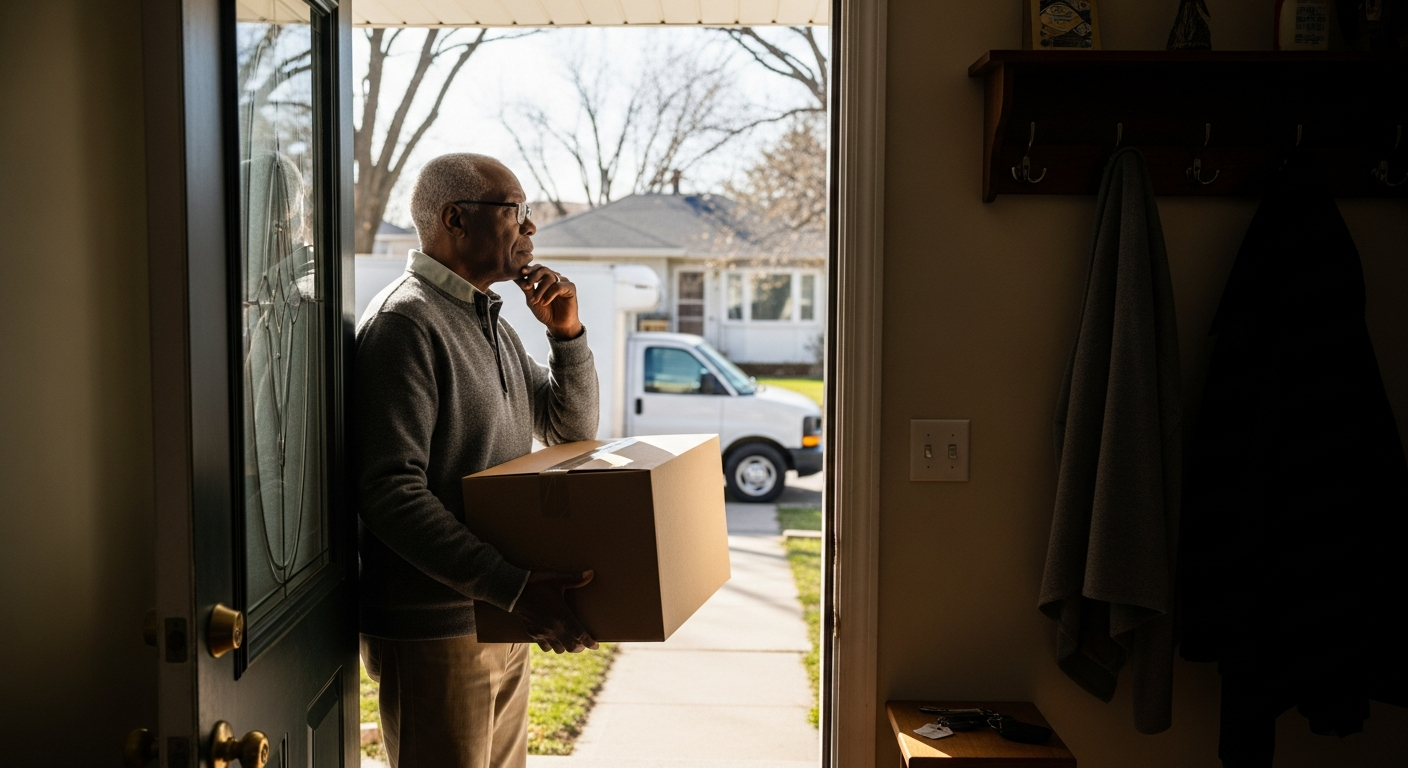
Scenarios Where You Keep Your Home
Scenario 1: Declining Home Value
If your home declines in value due to market conditions, you don't lose the home. The no-negative-equity guarantee protects you—you can never owe more than the home is worth.
Example:
- Home value when reverse mortgage obtained: $400,000
- Reverse mortgage balance: $200,000
- Home value 15 years later: $280,000 (market crash)
- You still own the home
- You can continue living there indefinitely
- If you later sell for $280,000, the lender is paid $280,000 (their loss, not yours)
This is unique to reverse mortgages and provides substantial protection.
Scenario 2: Rising Interest Rates
If interest rates rise after you close your reverse mortgage:
- Your loan balance continues to grow based on YOUR locked-in rate
- The lender cannot increase your rate (if you chose fixed)
- You still don't make monthly payments
- You don't lose your home
Scenario 3: Economic Hardship
Even if you face financial difficulty:
- The reverse mortgage cannot be called due due to hardship
- You can't lose the home to the lender unless you permanently move or it's sold
- Government benefits (OAS, GIS) are unaffected by the reverse mortgage
- Your home is protected as your primary residence
Scenario 4: You Live Into Your 90s and Beyond
No matter how long you live:
- You can stay in your home as long as you choose
- Interest continues to accrue on your balance (this is expected)
- The lender waits for you to move or pass away
- You face no eviction or forced sale based on age or longevity
When the Lender Can Take Action
The lender can take action (typically forcing a sale) only if:
✗ You permanently move to another primary residence — the lender can require sale within stated timeline ✗ You fail to pay property taxes — after substantial delinquency, the lender may force sale to recover the property ✗ You fail to maintain property insurance — after extended lapse, the lender may force sale ✗ You abandon the home — if the property becomes uninhabitable and you're not living there ✗ The last borrower passes away — the estate must repay or arrange refinancing within 12 months
In normal circumstances, none of these apply. As long as you:
- Live in your home
- Pay property taxes
- Maintain home insurance
- Keep the property in livable condition
You cannot lose your home to the lender.

What If You Can't Afford Property Taxes or Insurance?
This is a legitimate concern. If you can't afford property taxes or insurance:
You still don't lose your home immediately. However:
- The lender sends notices about delinquency
- The lender may offer to pay taxes/insurance on your behalf (adding to your loan balance)
- If seriously delinquent (years without payment), the lender may take enforcement action
Prevention strategies:
- Use reverse mortgage funds to prepay property taxes
- Ensure reverse mortgage funds include buffer for taxes/insurance
- Check eligibility for Ontario Property Tax Deferral Program (seniors may defer property tax increases)
- Plan carefully to ensure financial sustainability
Special Situation: What If You Move to a Nursing Home?
This is a common concern. Here's what actually happens:
Temporary respite care or short-term rehabilitation
- You're still the homeowner
- Home is still your primary residence
- Reverse mortgage is NOT due
- You can return home
Long-term care or permanent nursing home placement
- Your home is no longer your primary residence
- The reverse mortgage becomes due
- Typically, you have up to 12 months to:
- Sell the home and repay the lender
- Refinance with a traditional mortgage (if heirs qualify)
- Keep the home if heirs can repay from other means
The lender doesn't seize the home—your estate manages the sale process and uses proceeds to repay the mortgage.
The No-Negative-Equity Guarantee: Your Safety Net
This is the most important protection: you (or your heirs) will never owe more than the home is worth.
If catastrophic circumstances arise:
- Severe market crash making home worth less than mortgage balance
- Lender failure (unlikely, but theoretically possible)
- Unexpected circumstances
The no-negative-equity guarantee means:
- You don't owe the difference
- Your heirs don't inherit debt
- The lender absorbs the loss
This protection is unique to Canadian reverse mortgages and is federally required.
Frequently Asked Questions
Can the lender evict me?
No. As the homeowner with a reverse mortgage, the lender cannot evict you. Eviction is a legal process for tenants, not homeowners. You can only be removed if:
- You sell the home voluntarily
- You permanently move away
- Authorities remove you for abandonment (extremely rare)
What if I miss a reverse mortgage payment?
There are no monthly payments on a reverse mortgage. You don't miss anything. Interest accrues automatically; you repay when you move or pass away.
Can the lender take my home if I default?
You cannot default on a reverse mortgage in the traditional sense (missing monthly payments). The only way a lender could take action is if you permanently vacate the home or fail to maintain property taxes/insurance for extended periods.
What if interest rates spike dramatically?
For fixed-rate reverse mortgages, your rate is locked—interest rate spikes don't affect you. For adjustable-rate mortgages, rates could rise, but your loan still isn't called due. You can continue living in your home.
What if the lender goes out of business?
This is extremely unlikely given OSFI regulation, but if it happened, the loan would transfer to another institution or be refinanced. Your home wouldn't be lost.
Can I be forced out if the bank thinks I can't afford maintenance?
No. As long as you're living there, the bank cannot force you out based on maintenance concerns. If you fail to maintain the home for years (creating a derelict property), action might eventually be taken, but this requires severe, extended neglect.
The Bottom Line
You cannot lose your home to the lender while you're living there with a reverse mortgage. The only triggers for the lender to demand repayment are:
- You sell the home (your choice)
- You permanently move (your choice)
- You pass away (your estate manages the sale)
The no-negative-equity guarantee protects you if home values decline. You maintain ownership and control throughout your lifetime.
If you're concerned about home loss, reverse mortgages are actually a safer option than downsizing—you keep your home and access its equity without moving.
Speak to a licensed mortgage professional. Independent legal advice is required before closing a reverse mortgage in Ontario.
Quick Reference: When You Keep Your Home
| Situation | Home Status |
|---|---|
| You live in home + pay taxes/insurance | ✓ Yours |
| Home value declines | ✓ Yours (no-negative-equity guarantee) |
| Interest rates rise | ✓ Yours (fixed-rate protection) |
| You take a vacation | ✓ Yours |
| You visit family long-term | ✓ Yours |
| You live 30+ years | ✓ Yours |
When Repayment Is Due
| Trigger | Timeline |
|---|---|
| You sell the home | Repaid from sale proceeds |
| You permanently move | 60–90 days to repay/refinance |
| You pass away | 12 months for estate to repay/refinance |
This content is for illustrative purposes only. Rates may vary. Call Rick Sekhon for the best rates and more information.
Ready to Learn More?
Get the free Ontario Reverse Mortgage Guide and find out exactly how much you could unlock from your home.
Get My Free Guide →Related Articles
Consumer Protections for Reverse Mortgages in Ontario: Your Safeguards
Understand the legal protections and regulations that safeguard reverse mortgage borrowers in Ontario.
Read →Reverse Mortgage Eligibility in Ontario: Complete 2026 Guide
Everything Ontario homeowners need to know about qualifying for a reverse mortgage in 2026. Covers age requirements, home equity, property types, and the application process.
Read →Reverse Mortgage Myths Debunked: What's Really True?
Separate fact from fiction: debunk 10 common reverse mortgage myths and learn what actually happens with your home and money.
Read →