
Telling Your Adult Children About Your Reverse Mortgage Decision
Guide for Ontario seniors on communicating reverse mortgage decisions to adult children. Addresses concerns, explains inheritance impact, and builds family trust.
"How do I tell my kids I'm getting a reverse mortgage?" This question keeps many Ontario homeowners awake at night. The thought of discussing home equity, debt, or changes to inheritance can feel awkward or frightening. Yet having this conversation early, honestly, and thoughtfully can prevent misunderstandings, reduce resentment, and strengthen your relationship with your adult children.
This article is for educational purposes only and does not constitute financial advice.
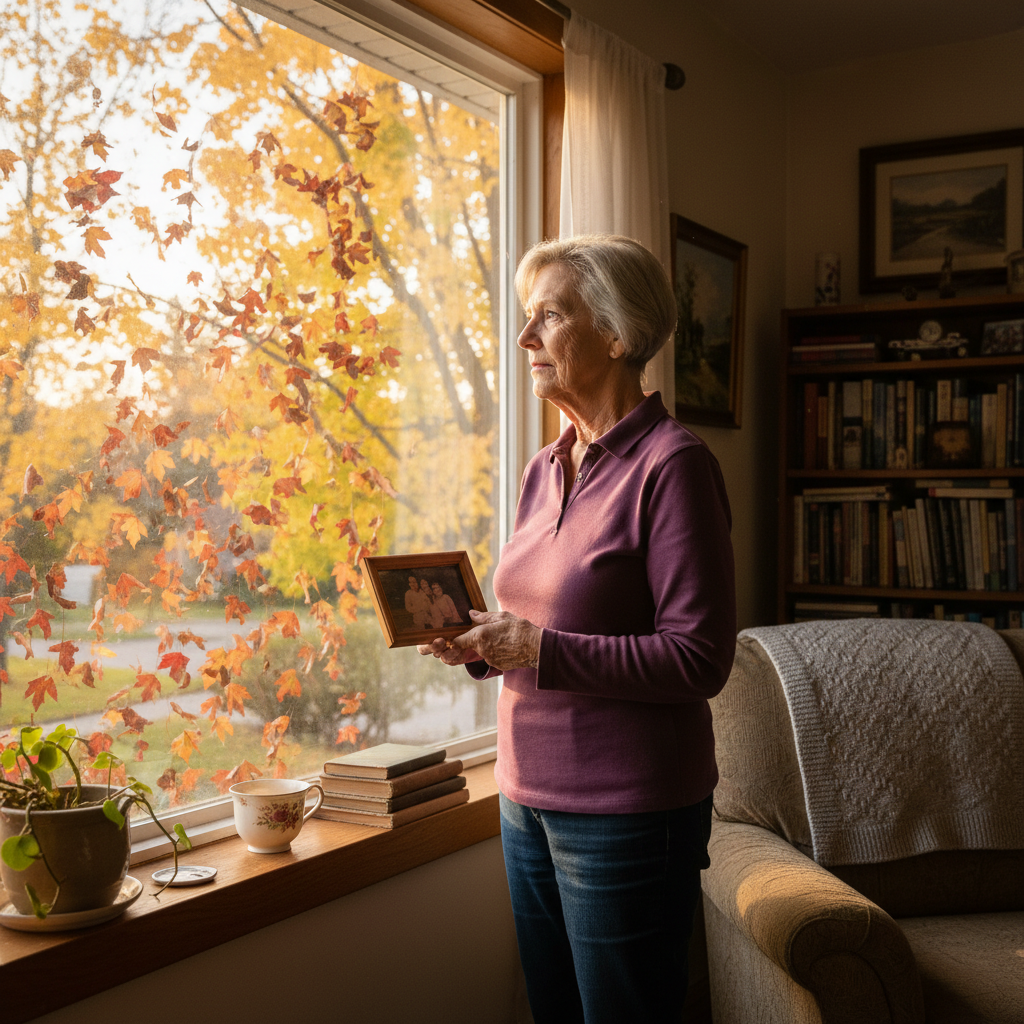
This guide walks you through how to approach the conversation and address the concerns your adult children might raise.
Why This Conversation Matters
Adult children often worry about their parents' finances without being asked. A proactive conversation about your reverse mortgage:
✓ Removes the shock if they discover it on their own ✓ Explains your reasoning and decision-making process ✓ Allows them to ask questions in a calm setting ✓ Demonstrates you're making informed, deliberate choices ✓ Builds trust around financial decisions ✓ Clarifies what their inheritance will look like
Before You Talk: Get Your Facts Straight
Before meeting with your adult children, make sure you understand:
How much you're borrowing — Know the exact loan amount and why you need it (debt payoff, home renovations, healthcare costs, etc.).
What the costs are — Understand your interest rate, fees, and how much you'll owe over time. Have numbers ready.
How the no-negative-equity guarantee works — Be clear that you can never owe more than your home is worth.
What your home is worth — Have a recent appraisal or estimate so you can show your equity position.
What happens to the home when you pass — Explain that your estate will repay the loan from the proceeds. Show them what inheritance they might receive.

Print out your loan documents, projections, and a simple one-page summary so your kids have something concrete to reference.
Timing: When to Have the Conversation
Have this conversation BEFORE you apply if possible. This shows you value their input and allows them to ask questions before you're locked in.
If you've already applied or closed, have the conversation immediately — the longer you wait, the more resentment can build.
Don't have this conversation:
- When emotions are high (during conflict or stress)
- Over the phone or via text (this deserves a face-to-face or video call)
- In a public place where everyone feels rushed
- When family members are only partially present
Schedule a dedicated time when everyone can give you their full attention.
How to Start: The Opening Statement
Begin with honesty and vulnerability:
"I want to talk with you about a financial decision I've made. I'm considering a reverse mortgage on my home. This is my decision to make, but I value your perspective, and I want you to understand my thinking."
This opening:
- Acknowledges their stake in the conversation
- Clarifies that you're not asking permission, but informing them
- Invites questions and dialogue
- Respects their role as adult children
Explain Your "Why"
Be specific about why you need this money. Examples:
Debt Relief: "I have credit card debt from medical expenses. Instead of struggling with payments in retirement, a reverse mortgage lets me clear this debt and reduce stress."
Home Improvements: "The roof needs replacement in two years, and I want to fund accessibility modifications now so I can stay in this home as I age."
Healthcare: "My healthcare costs are higher than anticipated. This gives me financial flexibility to fund private care and stay independent longer."
Legacy Planning: "I want to gift money to your sibling who's facing financial hardship. A reverse mortgage lets me help while I'm alive."
The more specific you are, the more your children will understand and respect your decision.
Address the Inheritance Question Directly
This is what adult children worry about most. Be straightforward:
"The reverse mortgage will be repaid from the proceeds when I sell or when I pass away. Here's what I project you'll inherit..."
| Scenario | Projected Home Value | Loan Owed | Estimated Inheritance |
|---|---|---|---|
| Today | $650,000 | $0 | $650,000 |
| In 10 years (no sale) | $750,000 | $200,000 | $550,000 |
| In 15 years (no sale) | $850,000 | $310,000 | $540,000 |
Show them the worst-case scenario too. "If real estate values drop 20%, you'd inherit less. But I have the no-negative-equity guarantee, so if the balance exceeds the home value, that's the lender's loss, not yours."
Many adult children are relieved to learn there IS an inheritance, even if it's smaller than they expected.

Answer Common Concerns
Your children may raise these objections:
"Doesn't the bank own your home?" No. You retain full ownership. The reverse mortgage is a loan secured by your home — the same as any mortgage. You can stay in the home as long as you want.
"Won't you lose your home?" Only if you don't pay property taxes and insurance (which you must do). Or if you move permanently to a facility. The no-negative-equity guarantee protects you from ever owing more than the home is worth.
"This seems like a scam." Reverse mortgages are federally regulated products offered by licensed lenders (CHIP, Equitable Bank, Bloom Financial, Home Trust). They're not scams, but understanding the costs is important.
"Why didn't you ask us for help first?" Frame it this way: "This is my independence. I want to maintain financial control and not burden you with my expenses. A reverse mortgage lets me do that."
"What if you need long-term care later?" Good question. Explain that when you move to long-term care, the loan comes due within 12 months. You can sell the home to repay it, or the estate will repay from the sale proceeds. This is part of your plan.
What If They Disagree?
Some adult children will still be upset or critical. You might hear:
- "You're making a mistake."
- "You're throwing away my inheritance."
- "Why didn't you plan better?"
Remember: This is your decision. You have the legal right to make financial choices about your own home. You're not asking for approval.
You can acknowledge their concern while holding your boundary:
"I hear that you're worried about the inheritance. I understand. But I've researched this carefully, and it's the right decision for my retirement security. I hope you can respect my choice even if you don't fully agree."
Follow-Up: Provide Written Information
After your conversation, send each child:
✓ A summary of the loan terms (amount, rate, fees) ✓ Your projected loan balance over 10–15 years ✓ Your estate plan (will, POA documents) ✓ Contact information for Rick Sekhon Reverse Mortgages if they have questions ✓ Links to consumer education resources (FCAC, FSRAO)
This demonstrates you're transparent and willing to keep them informed.
Frequently Asked Questions
Should I tell my adult children before or after I apply?
Before is better — it shows you value their input. But if you've already applied, tell them immediately. Secrecy breeds resentment.
What if my adult children try to talk me out of it?
Thank them for their concern, explain your reasoning, and remind them this is your decision. You're an autonomous adult with the right to make financial choices.
Do I need to involve my children in the reverse mortgage decision?
No. This is your home and your finances. You can get a reverse mortgage without their permission or knowledge. But proactively communicating builds trust.
How do I handle a child who thinks they're entitled to a larger inheritance?
Calmly explain that the reverse mortgage is YOUR money that you're choosing to use for YOUR retirement. Inheritance is a gift, not a guarantee.
What if my children's concerns reveal real problems with the plan?
Listen. Sometimes adult children spot financial gaps you missed. Use their concerns as a chance to reconsider and refine your plan.
Speak to a licensed mortgage professional. Independent legal advice is required before closing a reverse mortgage in Ontario.
Having this conversation is an act of love and respect for your adult children. It demonstrates that you're making thoughtful, deliberate choices about your retirement and that you value transparency in your family.
Get your free Ontario Reverse Mortgage Guide →
This content is for illustrative purposes only. Rates may vary. Call Rick Sekhon for the best rates and more information.
Ready to Learn More?
Get the free Ontario Reverse Mortgage Guide and find out exactly how much you could unlock from your home.
Get My Free Guide →Related Articles
My Parents Want a Reverse Mortgage: A Guide for Adult Children
Your parents are considering a reverse mortgage — here's what you need to know. Covers inheritance impact, warning signs, how to support the process, and what questions to ask.
Read →What Happens to a Reverse Mortgage When You Die in Ontario? A Guide for Families
What happens to your home and reverse mortgage when you pass away in Ontario? A clear guide for homeowners and their families on estate settlement, repayment, and protecting your heirs.
Read →Reverse Mortgage for Workplace Injury Recovery: Supporting Adult Child's Career Transition
Help your adult child rebuild their career after workplace injury. Learn how reverse mortgages fund recovery, retraining, and financial stability during career transition.
Read →