
What Happens to a Reverse Mortgage When You Die in Ontario? A Guide for Families
What happens to your home and reverse mortgage when you pass away in Ontario? A clear guide for homeowners and their families on estate settlement, repayment, and protecting your heirs.
One of the most important questions families ask when considering a reverse mortgage in Ontario is: "What happens to the reverse mortgage and the home when the borrower passes away?"
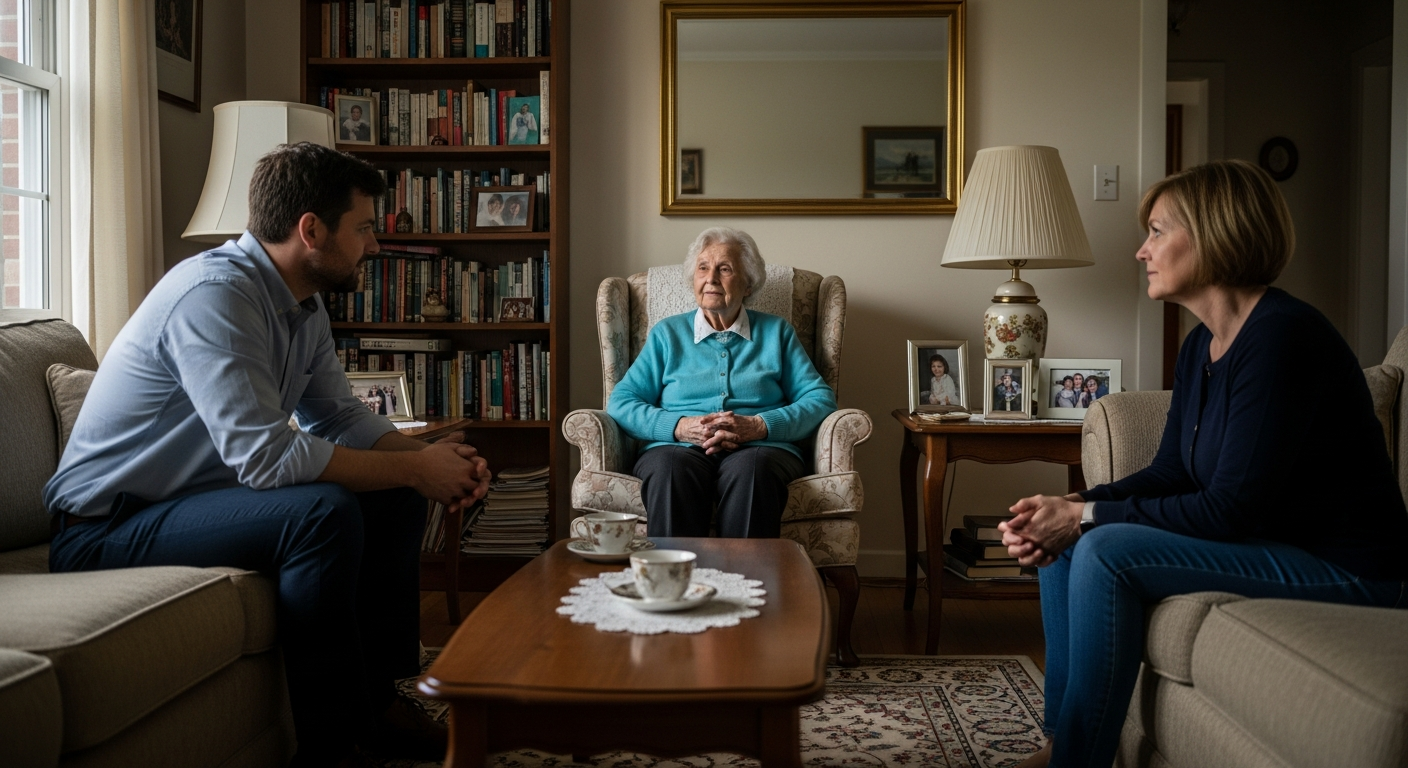
This is a completely valid concern — and the answer is more reassuring than many families expect.
What Triggers Reverse Mortgage Repayment?
A reverse mortgage becomes due and payable when one of the following events occurs:
- The borrower(s) pass away — if there are two borrowers (a couple), the loan is due when the last surviving borrower dies
- The borrower permanently moves out — for example, into long-term care or a retirement residence
- The borrower voluntarily sells the home
- The borrower no longer uses the home as a principal residence
- The borrower defaults on the terms (fails to pay property taxes, maintain insurance, or maintain the property)
For couples, the key protection is that both spouses must be on title and both must be 55+ — ensuring the surviving spouse can remain in the home after the first spouse passes.
The Estate Settlement Process in Ontario

When the last borrower passes away, the following timeline typically applies:
Within 6 months of death (typical): The estate has approximately 6 months to arrange repayment of the reverse mortgage. During this time, the estate can:
- Sell the home — the most common approach. Net proceeds after the reverse mortgage balance go to the estate.
- Refinance — heirs who wish to keep the home can arrange traditional mortgage financing to pay off the reverse mortgage balance.
- Use other estate assets — if the estate has liquid assets, the reverse mortgage could theoretically be repaid from other sources, though this is rare.
How Much Will the Estate Owe?

The estate owes the full outstanding reverse mortgage balance at the time of death, which includes:
- The original principal borrowed
- All accrued interest (compounded)
- Any applicable fees
No-Negative-Equity Guarantee
Both HomeEquity Bank (CHIP) and Equitable Bank provide Canada's No-Negative-Equity Guarantee: if the home's value has declined and the reverse mortgage balance exceeds the fair market value at the time of sale, the lender absorbs the shortfall — not the estate.
Your heirs will never be required to pay more than what the home sells for. The reverse mortgage is a non-recourse loan — it can only be repaid from the proceeds of the home.
Will My Children Receive Anything?
This depends on:
- The reverse mortgage balance at the time of death
- The market value of the home at the time of sale
- Any other estate assets
Example: An Ontario homeowner takes a $250,000 reverse mortgage on a $900,000 home at age 70. She lives in the home for 15 more years. At death (age 85):
- Reverse mortgage balance (at 7%): approximately $687,000
- Home value (4% annual appreciation): approximately $1,620,000
- Net equity to estate: approximately $933,000
The estate receives significant value — even after 15 years of compounding interest. This is because Ontario home values have historically appreciated substantially over long periods, often matching or outpacing reverse mortgage interest accumulation.
What If the Balance Exceeds the Home's Value?
This scenario is covered by the No-Negative-Equity Guarantee. If, for any reason, the home's market value at the time of sale is less than the outstanding reverse mortgage balance, the lender accepts the home's sale proceeds in full settlement of the debt. Nothing more is owed by the estate.
Practical Steps for Families
If you are the executor or heir of an Ontario estate with a reverse mortgage:
- Notify the lender as soon as practical after death
- Request a current balance statement — the lender will provide the outstanding balance
- Arrange a property appraisal if you are considering keeping the home
- Engage a real estate lawyer experienced in estate settlements
- Understand your timeline — most lenders allow 6–12 months for settlement
Having the Conversation With Your Family
Many Ontario seniors worry about how their children will feel about a reverse mortgage. The best approach is transparency: discuss it openly while you're making the decision, explain your reasoning, and involve family in reviewing the terms.
Key points to communicate:
- You retain full ownership of the home
- The home is protected by the No-Negative-Equity Guarantee
- Any remaining equity after repayment still goes to the estate
- The reverse mortgage enables you to live comfortably in your own home
Most adult children, once properly informed, are supportive — especially when they understand that the alternative might be the parent struggling financially, selling the family home prematurely, or needing financial support from children.
Summary
| Concern | The Reality |
|---|---|
| "Will the bank take my home?" | No — you retain ownership throughout |
| "Will my family owe money if the home value drops?" | No — No-Negative-Equity Guarantee |
| "Will my children inherit anything?" | Usually yes — especially in appreciating Ontario markets |
| "How long does the estate have to settle?" | Typically 6–12 months |
| "Is the reverse mortgage repayment taxable?" | No — it's a debt repayment, not income |
Get the full picture with our free Ontario Reverse Mortgage Guide — download it here. Also read our complete tax guide and eligibility overview.
This content is for illustrative purposes only. Rates may vary. Call Rick Sekhon for the best rates and more information.
Ready to Learn More?
Get the free Ontario Reverse Mortgage Guide and find out exactly how much you could unlock from your home.
Get My Free Guide →Related Articles
Reverse Mortgage Eligibility in Ontario: Complete 2026 Guide
Everything Ontario homeowners need to know about qualifying for a reverse mortgage in 2026. Covers age requirements, home equity, property types, and the application process.
Read →Reverse Mortgage Tax Implications in Canada: What Ontario Homeowners Need to Know
Are reverse mortgage proceeds taxable in Canada? How do they affect OAS, GIS, and CPP? A complete guide to the tax implications of reverse mortgages for Ontario seniors.
Read →Reverse Mortgage for Workplace Injury Recovery: Supporting Adult Child's Career Transition
Help your adult child rebuild their career after workplace injury. Learn how reverse mortgages fund recovery, retraining, and financial stability during career transition.
Read →